
Best Affordable Dish Sets Made Simple: A Clear Buying Guide for 2026
Disclosure: We may earn a commission when you buy through links on this page, at no extra cost to you. As an Amazon Associate I earn from qualifying purchases. Learn more
Shopping for the best affordable dish sets for the first time? Learn the materials, piece counts, and care basics that help you choose a set with confidence.
Buying your first dishes sounds simple until you face shelves of stoneware, porcelain, and melamine, all sold in different piece counts. This guide walks you from the basics to a confident choice, explaining the best affordable dish sets in plain language. You will learn what each material feels like in daily use, which pieces you truly need, and how to spot a set that will still look good after a year of breakfasts.
Take it step by step. Once the terms make sense, the comparison table below becomes easy to read, and price stops being the only thing you compare.
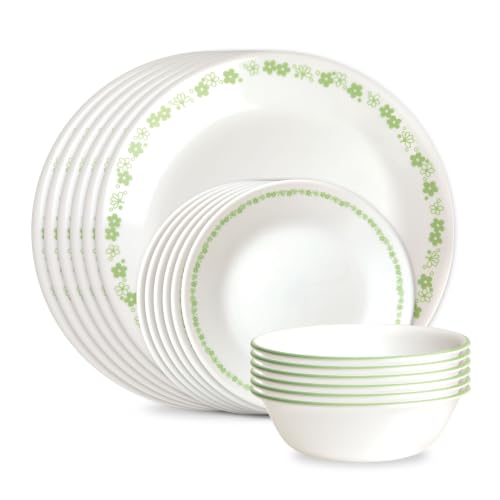


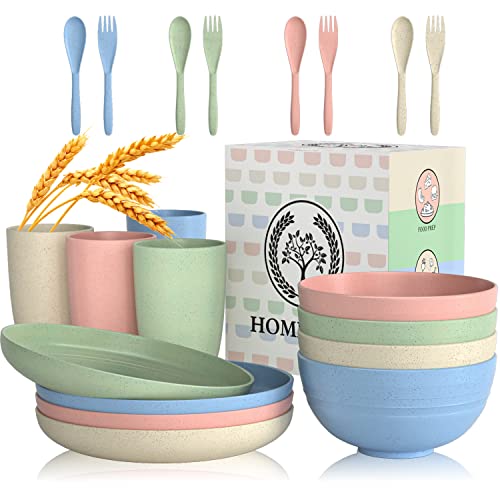


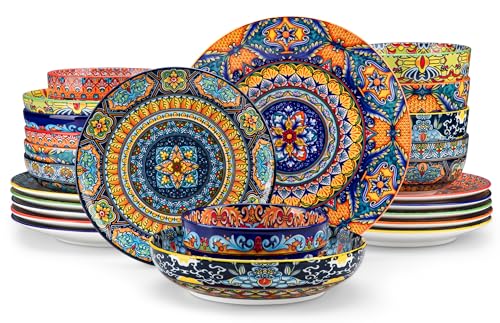
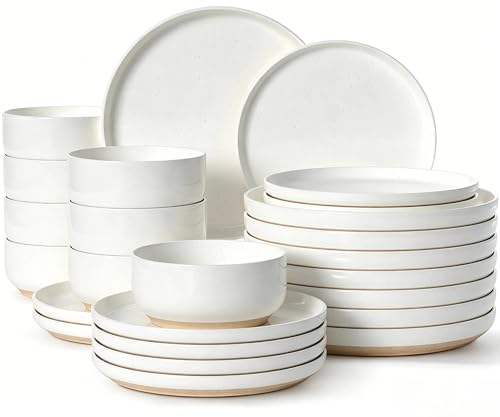
Dish Sets 101: The Basics
A dish set, often called a dinnerware set, bundles matching plates, bowls, and usually mugs for a fixed number of people. Sets are sold as place settings, meaning one full arrangement per diner. A four place setting set with four pieces per setting gives you sixteen pieces in total. The common pieces are a dinner plate, a salad or dessert plate, a bowl, and a mug, though some sets swap the mug for a second bowl.
Materials decide most of your daily experience. Porcelain is fired at high heat, feels refined, and resists chips well for its weight. Stoneware is thicker, heavier, and gives a warm, rustic feel, but it can chip at the rim if knocked. Earthenware costs less and comes in bright colors, yet it is the most fragile of the three. Melamine is plastic based, very light, and hard to break, which suits outdoor meals and young kids, but it should not go in the microwave. Glass sets are easy to clean and affordable, though designs are plainer.
Key Specs Explained in Plain English
Product listings love technical words, but each spec answers a simple question about your kitchen. The five sections below translate the jargon into decisions you can make in minutes.
What You Can Realistically Get on a Budget
For around $30 to $70, a four place setting set in porcelain or stoneware is realistic and can look genuinely smart. At this level you usually give up hand painted detail, gold or platinum trim, and unusually large serving pieces in the box. What you should never give up is food safety and basic durability: dishes should be free of cracks, sit flat without wobbling, and carry clear marks for microwave and dishwasher use. Avoid sets with no material stated at all. If a listing cannot name what the dishes are made of, your money is safer elsewhere.
Intended Use and Who It Is For
Match the set to your table. Singles and couples often do best with two to four place settings and extra bowls, since breakfast and pasta nights use bowls more than formal plates. Families with kids need pieces that survive drops and stack tightly in crowded cabinets. If you host holidays, confirm you can buy open stock replacements or a second matching set later, because patterns get discontinued. People who eat most meals from a desk or tray may prefer lighter porcelain over heavy stoneware, which feels tiring to carry when full. Your routine, not the photo styling, should pick the material.
Ease of Use and Setup
Dishes need no assembly, but a few checks on day one save frustration. Confirm the dinner plates fit your microwave, your dishwasher racks, and your cabinet depth, since oversized plates around 11 inches or more crowd standard 12 inch cabinets. Check that bowls stack without nesting so tightly they jam together. Know how to measure your cabinet shelf height before ordering if you plan to store stacked place settings. Lightweight sets are easier for older relatives and kids to handle, while heavier stoneware feels steadier on the table. Small daily comforts like these decide whether a set gets used or avoided.
For a broader look at styles and materials beyond the budget range, see our guide to the best dish sets after you finish the basics here.
Maintenance and Long Term Costs
Most modern porcelain and stoneware sets are dishwasher and microwave safe, which keeps daily care simple. Hand washing is still kinder to printed patterns and colored glazes, and it lowers the chance of rim chips from plates knocking together in the rack. The real long term cost is replacement pieces. Sets sold with open stock singles let you replace one chipped plate for a few dollars, while closed sets force you to buy a whole new box. Budget a small reserve, around $10 to $20 a year, if your household chips dishes often. Avoid sudden temperature shocks, like moving a cold dish straight into a hot oven, which can crack stoneware.
Price vs Value
Budget sets around $25 to $45 cover students, first apartments, and spare sets for guests, usually in earthenware or basic stoneware. Mid range sets around $45 to $90 are the sweet spot for most homes, with stronger porcelain, better glaze quality, and four to six place settings. Premium affordable sets around $90 to $150 add six to eight settings, serving bowls or platters, and patterns that stay in production longer. Judge value by cost per place setting and replacement availability, not the headline piece count, because four extra mugs you never use add nothing. A slightly higher price for open stock support often wins over two years.
Rookie Mistakes to Avoid
- Counting pieces instead of place settings. A 32 piece box may serve only four people, so divide pieces by the pieces per setting before you compare sets.
- Ignoring cabinet and dishwasher fit. Oversized plates that cannot enter the microwave or stand in your rack become daily annoyances within a week.
- Choosing a pattern that is about to disappear. New households chip dishes, so pick designs with replacement pieces still sold.
- Buying melamine for microwave meals. Melamine handles drops beautifully but is not made for reheating food, a mismatch many first time buyers miss.
- Skipping the weight test. Very heavy stoneware looks sturdy in photos and feels tiring in real hands, especially for kids and grandparents.
Getting Started: Setup and First Use
When your set arrives, unbox it over a soft surface and inspect every rim under good light. Run a fingertip around each edge to feel for chips or rough spots that photos hide. Wash all pieces in warm soapy water before first use to remove packing dust and residue. Read the manual or care card that comes in the box, since glaze limits and oven temperature caps differ by maker. Clean and inspect regularly from then on, and retire any piece with a crack that reaches through the glaze, because cracks harbor bacteria and can spread suddenly with heat. Stack plates with soft liners if you choose patterned pieces you want to protect.
Setting up the rest of the table matters too. Many new households outfit the kitchen in the same season, and our guide to the best affordable knife sets pairs well with this one when you plan purchases together.
Dish Sets: Your Questions Answered
How long does a dish set last?
A budget dish set lasts about three to five years in a busy household, and often much longer in a careful one. Porcelain usually outlasts earthenware because its dense body resists chips and stains. The pieces rarely fail all at once; bowls and mugs tend to go first because they are handled and washed most. Keeping one spare place setting in reserve, if storage allows, stretches the useful life of the whole set by covering early breakage.
Are expensive dish sets worth it?
Sometimes, when the price buys stronger materials and long production runs rather than decoration alone. Costlier porcelain often has smoother glaze, more even shape, and replacements available for years, which matters if you love a pattern. But for everyday family meals, a mid range set performs nearly as well at the table. Spend extra only if you host often, want serving pieces included, or plan to keep one pattern for a decade. Otherwise, save the difference for storage and table linens.
How much should I spend on a dish set?
Plan around $40 to $90 for a four place setting set you use every day. Under $30 can work for a dorm room or a short lease, but expect thinner pieces and faster pattern wear. If you need seating for six or eight, scale the budget by place settings rather than hunting one giant box, since two matching sets often cost the same and give you spares. Always leave a little room in the budget for one replacement order later, when the first chip happens.
What features matter most when buying dish sets?
Material, fit, and replacement support matter most. Material controls weight, chip resistance, and microwave safety, so it shapes every meal. Fit means plates that enter your dishwasher, microwave, and cabinets without a fight. Replacement support protects you when life happens and a bowl meets the floor. After those three, consider rim shape, since a slight lip keeps sauces on the plate, and stackability, which decides how much cabinet space the set quietly consumes each day.
How do I maintain a dish set?
Wash dishes soon after meals so acidic foods like tomato sauce do not sit on the glaze. In the dishwasher, leave space between pieces so water pressure does not knock rims together. Remove gray metal marks from stoneware with a gentle baking soda paste rather than harsh scrub pads. Dry pieces fully before stacking to avoid trapped moisture and musty smells in closed cabinets. Every few months, inspect for hairline cracks by holding pieces to the light, and set damaged ones aside before they fail at the table.
Final Thoughts: Best Affordable Dish Sets
Pick your material first, confirm the set fits your cabinets and dishwasher, and favor patterns you can replace piece by piece. With those three checks done, the best affordable dish sets in the product table above narrow down fast. Start with four place settings, live with them for a season, and add matching pieces only if your table truly needs them.


