
Best Affordable Cowboy Boots for 2026: What Actually Matters Before You Buy
Disclosure: We may earn a commission when you buy through links on this page, at no extra cost to you. As an Amazon Associate I earn from qualifying purchases. Learn more

A practical checklist for choosing the best affordable cowboy boots: fit, leather, toe shape, support, durability, and red flags to avoid.
Cowboy boots look simple, but a good pair has to fit well, break in comfortably, and hold up to daily wear without hurting your feet. This checklist walks through the criteria that matter most at a modest price, so you can tell a genuine bargain from a pair that will sit unworn in a closet. The best affordable cowboy boots balance honest leather, a shape that suits your foot, and construction that survives real use.
Use the product table to compare the options, then work through the features, spending levels, and red flags in order. A little patience with fit and break in will do more for comfort than any single feature on a product page.


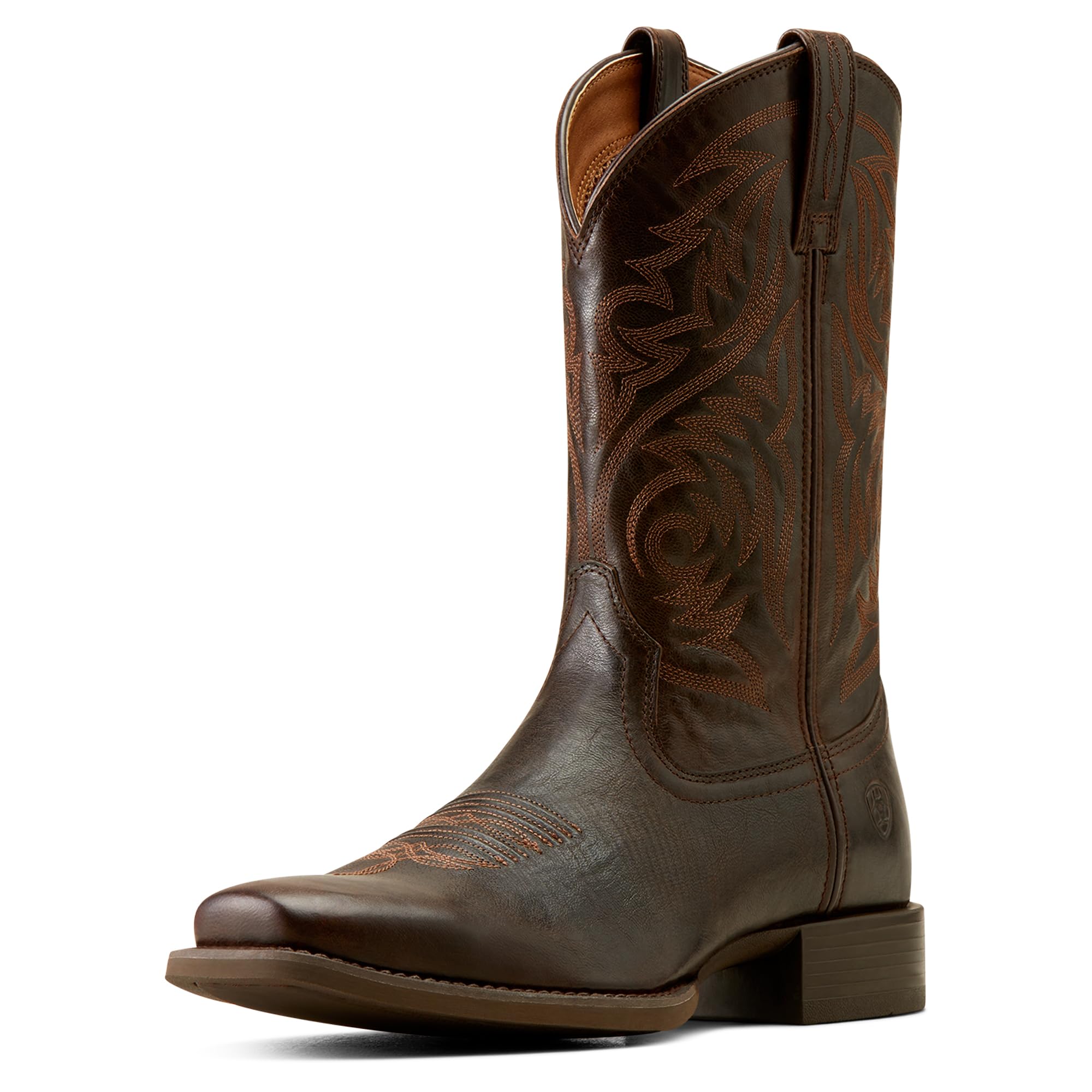


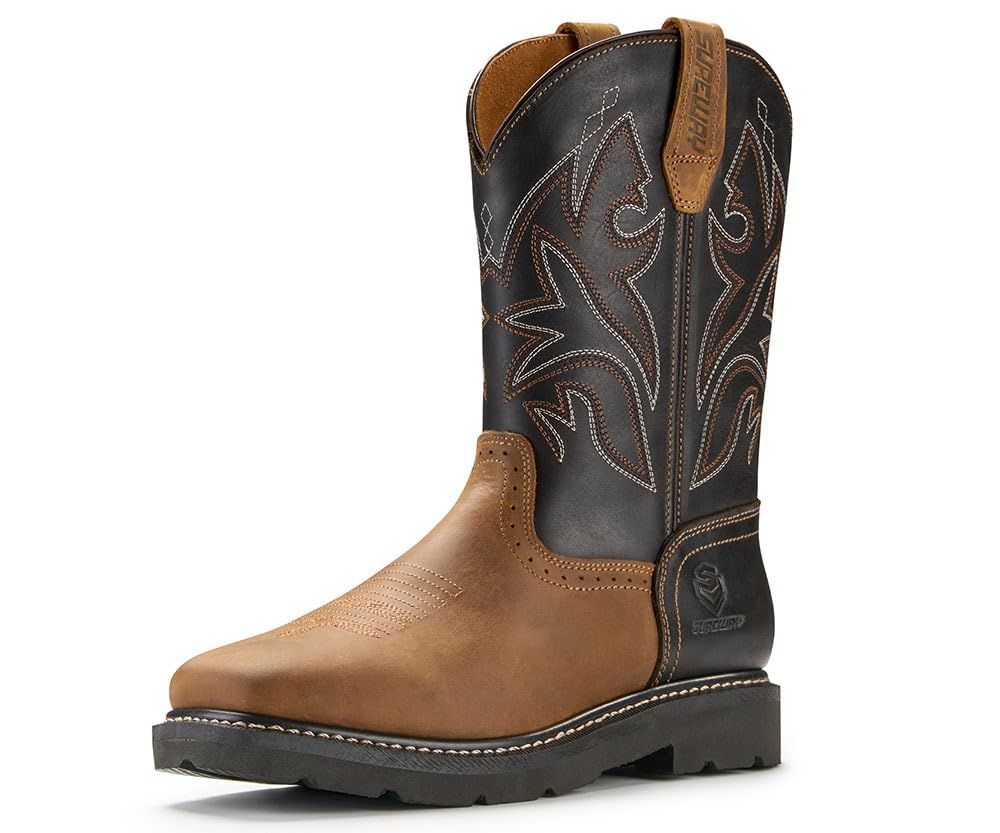
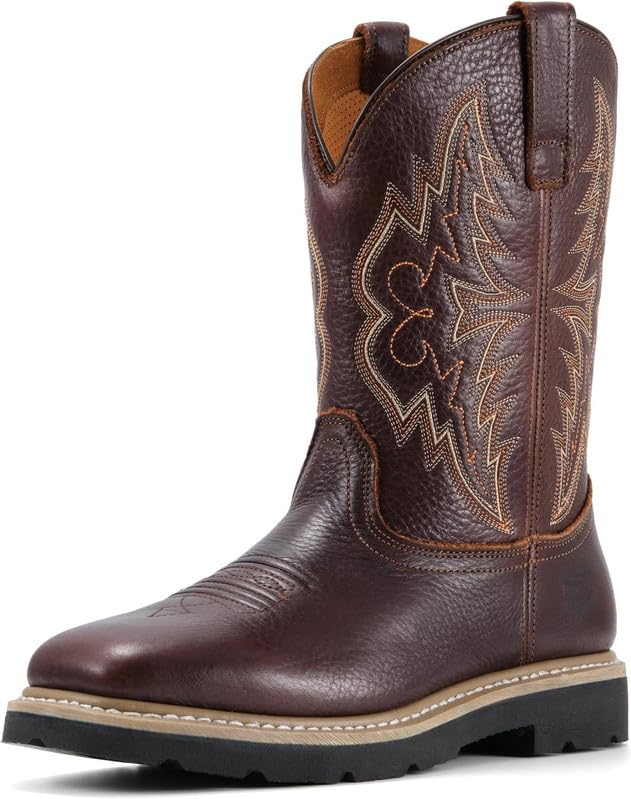
Key Features to Compare
Judge every pair against the same set of criteria, and you will compare like with like instead of getting swayed by looks alone. The features below are the ones that decide comfort and lifespan at an affordable price.
What You Can Realistically Get on a Budget
At a modest price, expect genuine leather uppers on many pairs, a comfortable footbed, and solid stitching, but not hand finished detailing or premium sole materials throughout. Some pairs cut costs with thinner insoles or glued construction, which can still work for light wear but will show sooner under daily use. Protect fit and leather quality first, since those cannot be fixed after purchase, and accept simpler decoration. Typical affordable pairs sit at about $60 to $200, with the lower end suiting occasional wear and the upper end suiting regular use.
Fit, Sizing, and Toe Box
Cowboy boots should feel snug across the instep at first, with your heel slipping slightly until the leather softens, and toes free to wiggle without pressing the front. Measure your feet in the afternoon, when feet are slightly larger, and try both boots with the socks you plan to wear. Toe shape changes the fit a great deal, since a pointed toe squeezes toes sooner than a square or round toe of the same size. If a pair pinches sharply across the toes or the ball of the foot, a different size rarely fixes it, and a different toe shape usually will.
Waterproofing
Waterproofing matters if you walk through wet grass, mud, or rain often, but it comes with a trade off in breathability. A waterproof membrane keeps water out, yet it also traps warmth, so feet can feel hotter on warm days. For dry weather and indoor wear, an untreated leather boot with regular conditioning is often more comfortable.
If you do need wet weather protection, check that seams and the sole edge are sealed as well, since a membrane alone cannot help if water enters through stitching. A guide to best quality cowboy boots covers higher tier construction choices.
Upper Materials and Breathability
Full grain leather is the most durable upper material at this price, and it molds to your foot over time in a way that synthetic uppers do not. Suede looks softer and breaks in quickly, but it stains more easily and needs more care in wet weather. Mesh panels and lighter linings help airflow, yet they also wear faster at flex points than solid leather. For everyday comfort, choose an upper that matches your climate and your tolerance for care, rather than the most eye catching finish in the shop.
Durability and Expected Lifespan
A well made affordable pair should last several years of regular wear with basic care, while a poorly made pair can fail at the sole edge or the heel within months. Look at the welt, which is the strip joining the upper to the sole, since stitched welts can be resoled and tend to outlast glued soles. Check the heel attachment and the pull straps too, because loose heels and torn straps are common early failures. Rotate pairs when you can, since a day of rest lets leather dry fully and keeps its shape longer.
See our guide to best affordable boots for broader budget boot choices.
Arch Support and Foot Type
Arch support decides whether a boot feels supportive after hours on your feet or leaves your arches aching by midday. Flat feet usually need a firmer footbed and a stable heel, while high arches benefit from extra cushioning under the middle of the foot. Many affordable boots come with a basic insole that you can replace with a supportive insert, which is a cheap way to improve fit without changing boots. If you notice persistent foot pain, numbness, or swelling, ask your doctor about the cause rather than relying on a new pair of boots to fix it.
Cushioning and Support
Cushioning in a cowboy boot comes from the insole, the midsole, and the way the heel absorbs each step, not from softness alone. A boot that feels plush in the shop can still tire your feet if the heel is unstable or the sole is too flexible under load. Look for a firm heel counter that holds your heel straight, a midsole that resists twisting, and enough toe spring that the boot rolls forward naturally as you walk. Heel height also matters, since a moderate stacked heel suits most wearers better than a very high or very flat heel for long days.
Spending Levels Explained
Lower Cost Choices
Lower cost pairs suit occasional wear, such as weekend outings or events, where comfort over a few hours matters more than years of daily service. Expect simpler insoles, glued soles on some pairs, and decoration that favors looks over longevity. Try them on carefully, since fit problems at this level are harder to forgive, and condition the leather early to slow drying and cracking.
Middle Spending Choices
Middle spending pairs are the sweet spot for most buyers, offering better leather, stitched construction on many pairs, and footbeds that hold up to regular wear. This is where to look if you wear boots several days a week for work or walking, since the step up in materials usually pays for itself in lifespan. Compare toe shape and heel height closely at this level, because small fit differences become obvious over a full day.
Higher Spending Choices
Higher spending pairs within the affordable range add thicker leather, stronger welts, and more careful finishing, which suit daily wear and rougher conditions. You pay mainly for durability and repairability rather than for decoration, so check that the sole can be replaced and the heel can be repaired. For most buyers this level is worth it only if boots are a daily essential rather than an occasional choice.
Quick Buyer Checklist
- Does the instep feel snug without cutting off circulation?
- Can your toes wiggle freely in the toe box?
- Does your heel sit straight without rolling inward or outward?
- Is the sole stitched rather than only glued?
- Does the leather feel even and flexible, not stiff and papery?
- Can you replace the insole with a supportive insert if needed?
- Does the pair suit your usual weather and walking surface?
Red Flags to Watch For
Be cautious of vague material claims, such as leather look uppers described as genuine leather without detail, since wording can hide synthetic materials. Very short or missing warranty information, uneven stitching, and heels that wobble on a flat surface all point to rushed construction. Suspiciously uniform five star praise with no mention of break in or sizing is another warning sign, because every leather boot needs some break in. If the seller cannot answer basic questions about sole construction or leather type, look elsewhere.
Tips to Get the Most From Your Cowboy Boots
Break new boots in gradually with short wears around the house before a long day out, and let them dry naturally away from direct heat if they get wet. Condition the leather regularly to keep it supple, and use boot trees or stuffing to hold the shape between wears. Rotate two pairs for daily wear when you can, since rest days extend the life of each pair noticeably.
Frequently Asked Questions
Do I need waterproof cowboy boots?
You need waterproof cowboy boots only if you regularly walk through wet grass, mud, puddles, or rain, since dry weather wear does not demand a membrane. A membrane keeps water out but also traps heat, so it can feel warm and clammy indoors or in summer. For mostly dry use, plain leather with regular conditioning is more comfortable and easier to care for. Check the product table to compare waterproof and standard types before deciding.
Can I wear cowboy boots all day?
You can wear cowboy boots all day once they are broken in and the fit, arch support, and heel height suit your feet, but a new or poorly fitting pair will not feel comfortable for that long. Start with shorter wears and build up gradually, and replace a thin factory insole with a supportive insert if your arches ache. Take note of any persistent pain, numbness, or swelling, and ask your doctor if those symptoms continue, since footwear alone cannot correct an underlying foot problem.
Are expensive cowboy boots worth it?
Expensive cowboy boots are worth it mainly when you wear boots daily or in rough conditions, because thicker leather and stitched, resoleable construction last longer under hard use. For occasional wear, a well fitting affordable pair offers most of the comfort at a much lower cost, and the extra money buys durability you may never need. Judge value by how often you wear them and how long each pair lasts, not by decoration or brand prestige alone.
How often should I replace cowboy boots?
Replace cowboy boots when the sole wears through, the heel becomes unstable, the leather cracks deeply despite conditioning, or the fit no longer supports your foot. With regular wear and basic care, a decent affordable pair often lasts several years, while daily hard use shortens that time considerably. A resole or a new heel can extend life if the upper is still sound, so ask a cobbler before discarding a pair that still fits well. Keep an eye on the welt and heel attachment as early warning signs.
How long is the break in period for cowboy boots?
The break in period for cowboy boots is usually one to three weeks of gradual wear, depending on leather thickness, toe shape, and how often you wear them. Short wears around the house let the leather soften across the instep and the heel slip settle without causing blisters. If sharp pinching or numbness continues past that period, the fit is likely wrong rather than merely stiff, and a different size or toe shape is the better fix. Conditioning the leather lightly can help, but it cannot rescue a fundamentally poor fit.
Final Thoughts
Fit comes first, leather quality second, and construction third, and no amount of decoration makes up for a pair that pinches or falls apart early. Use the checklist and the spending levels above, look over the product table once more, and choose the best affordable cowboy boots that suit your feet, your weather, and how often you will actually wear them.


