Best Affordable Camera Phones of 2026: Complete Buying Guide
Disclosure: We may earn a commission when you buy through links on this page, at no extra cost to you. As an Amazon Associate I earn from qualifying purchases. Learn more

Shop the best affordable camera phones with confidence. Compare camera systems, lenses, storage, battery life and update support before you spend.
An affordable phone lives or dies by its camera, because the camera is the feature you use every day and the one makers advertise hardest. The honest starting point is that you are choosing a whole phone, not a camera with a phone attached: the best affordable camera phones are the ones whose camera classes fit your subjects while the screen, battery, and software support still serve you for years.
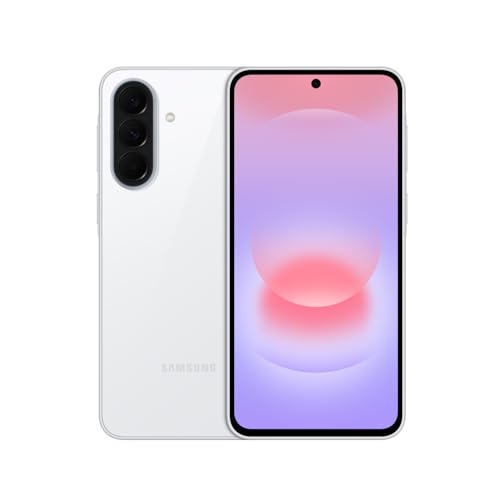
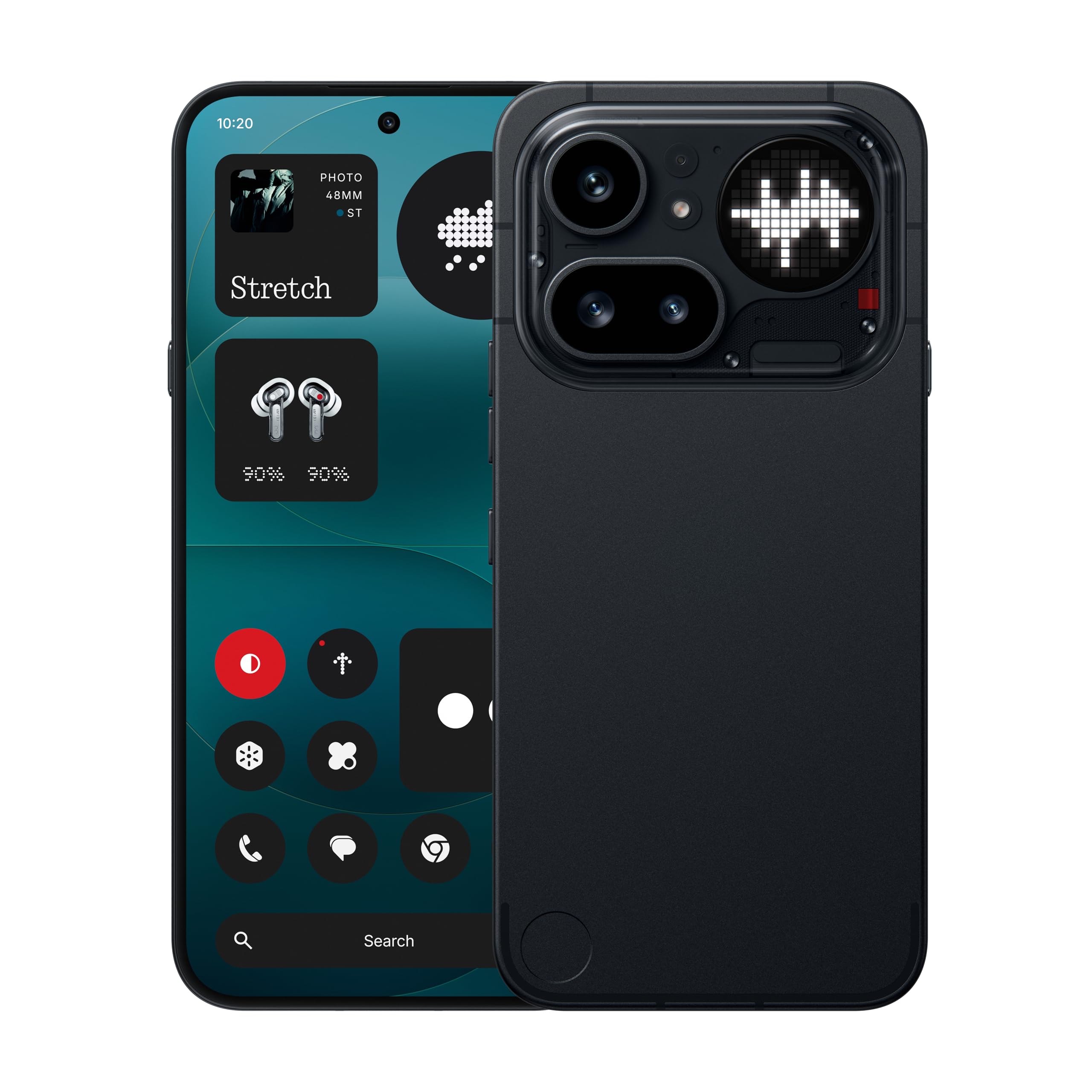
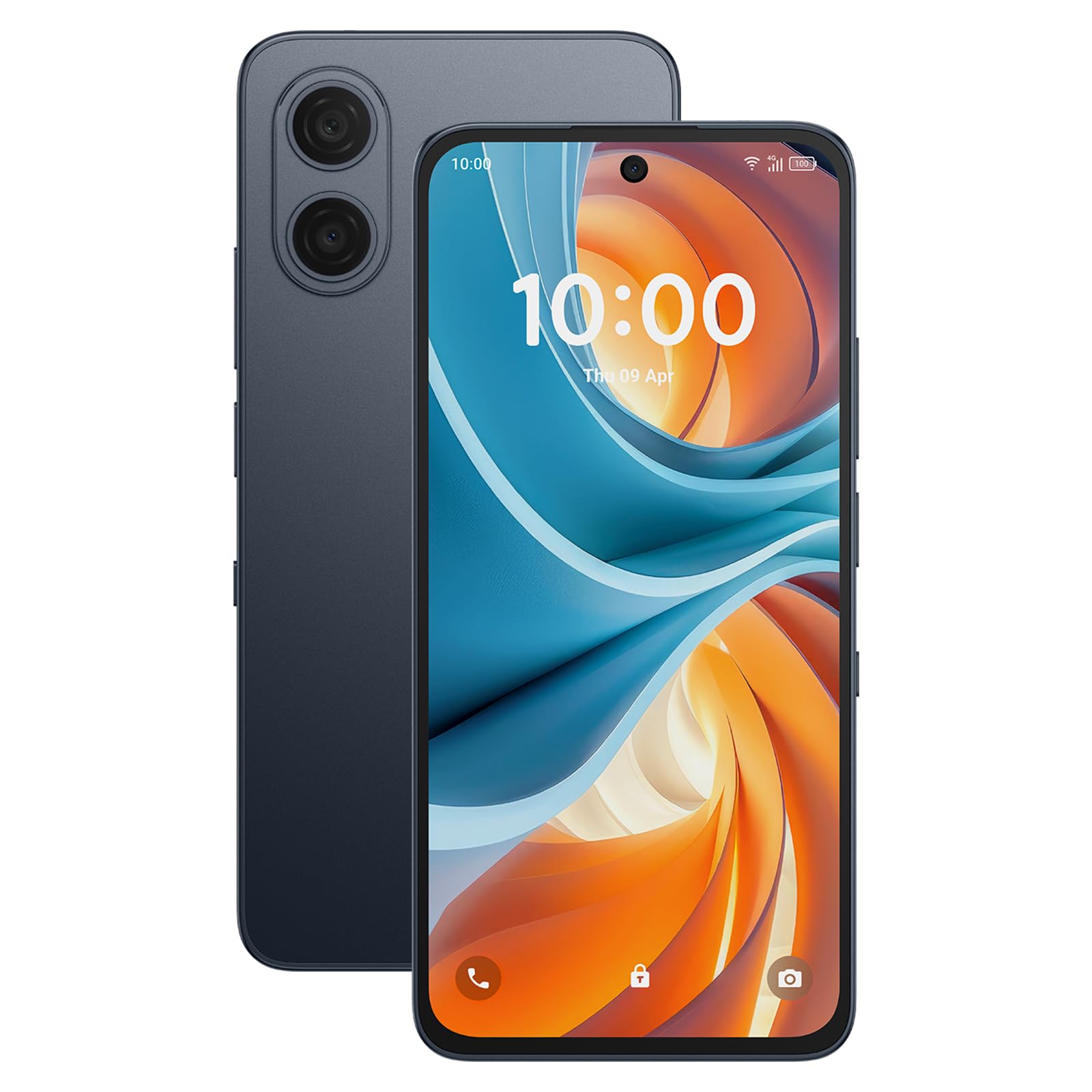
This guide walks through what each price band really buys, then the factors that decide photo quality in daily use. Use the product table to set the candidates side by side before you read the details.


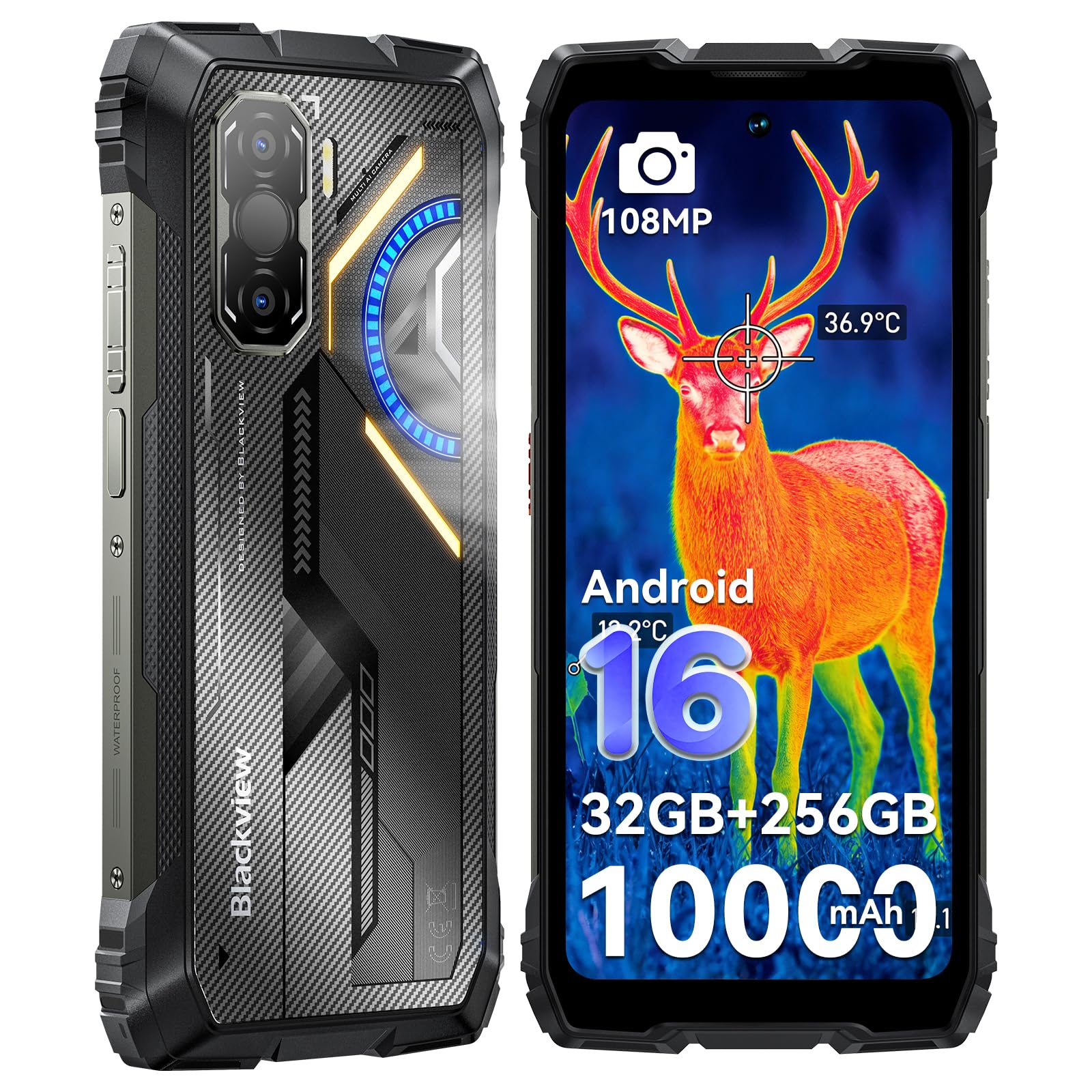
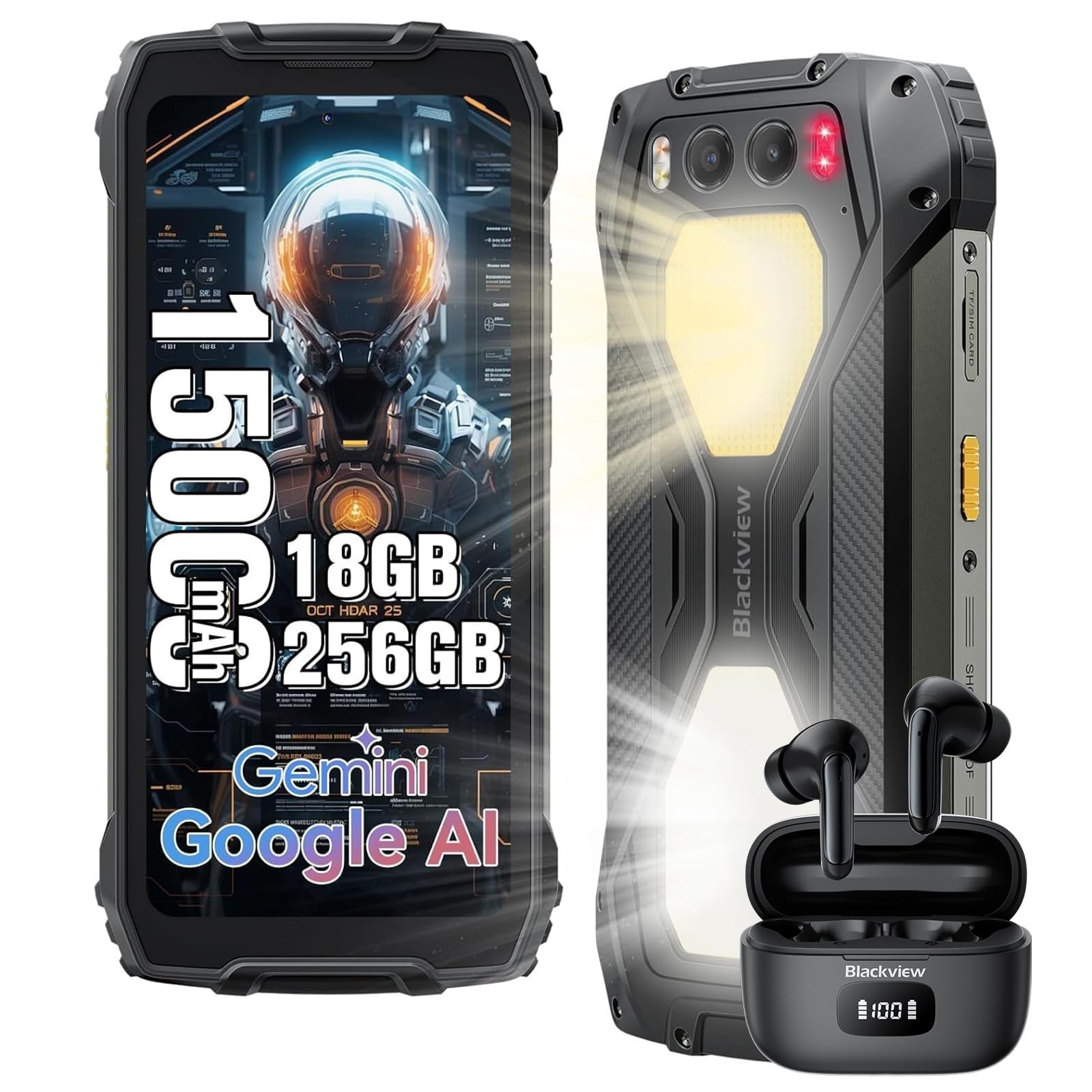

Three Ways to Spend: What Each Band Buys
The Lower Band, About $150 to $250
At this level you get one competent main camera and a phone that handles calls, messages, and apps without drama. Daylight photos can look genuinely good, because modern processing does heavy lifting even on modest hardware. What you give up is speed and range: the camera opens slower, low light shots soften, and extra lenses, when present, are often low resolution fillers.
This band suits buyers who photograph people and places in decent light and replace a phone only when the old one fails. Spend your limited budget here on storage and battery rather than on a long list of lenses.
The Middle Band, About $250 to $400
The middle band is where camera phones stop feeling like a compromise. Main sensors grow, optical stabilization appears, and night modes start producing keepers instead of smears. Screens improve at the same time, which matters because the screen is where you judge every photo you take.
For most buyers, this is the band the product table will point to. You get a camera you can trust on a trip, a battery that lasts the day, and update support long enough to matter, without paying flagship prices for features you may never open.
The Upper Band, About $400 to $600
Upper band phones are last season's flagships and this season's near flagships. You gain faster processors that make the camera feel instant, better video, brighter screens, and in some cases a real telephoto lens. Build quality and water resistance also step up here.
Buy into this band if you shoot a lot of video, photograph moving kids or pets, or keep a phone for four years or more. If your photography is mostly daylight stills, the middle band delivers most of the result for notably less money.
How to Choose the Best Affordable Camera Phones
What You Can Realistically Get on a Budget
Set expectations before you compare spec sheets. A budget camera phone takes pleasing photos in good light, handles portraits of still subjects, and records watchable video. It will struggle with fast motion in dim rooms, distant subjects at a school play, and heavy cropping after the shot. Those limits are normal at this price, not defects.
When you shop the best affordable camera phones, protect three things in this order: the main camera, the storage, and the update window. A fancy extra lens cannot rescue a phone that fills up in a year or stops receiving security updates in two.
Display Size and Quality
The display is your viewfinder and your editing screen, so its quality shapes every photo you keep. OLED panels give deeper blacks and better contrast than basic LCD panels, and they make it easier to judge exposure before you press the shutter. A refresh rate of 120 Hz makes scrolling and framing feel smoother, though it does nothing for the photo itself.
Brightness is the spec that matters outdoors. A dim screen washes out in sunlight and you end up guessing at composition. If you photograph outside often, weigh peak brightness and a readable screen more than a small difference in size.
Build, Durability, and Water Resistance
A camera phone gets pulled out in rain, at the beach, and over hard floors, so durability is a camera feature in disguise. A water resistance rating such as IP68 means the phone is built to survive immersion under the stated conditions, while lower ratings cover splashes only. Ratings assume clean water and a phone with intact seals, so treat them as insurance, not an invitation to swim with the phone.
Glass backs look premium and crack like glass. A textured plastic back often survives drops better and needs no case to grip. Whatever the material, a case and a screen protector cost little next to a repair.
Battery Life and Charging Speed
Camera use drains a battery faster than almost anything else on a phone, between the screen at full brightness, the processor working on every shot, and location tagging running in the background. Look for capacity around 5000 mAh for a full day of mixed use with photography, and be skeptical of a big number paired with a power hungry screen.
Charging speed decides how painful a low battery is on a trip. A phone that recovers half its charge in about half an hour forgives a forgotten overnight charge. Wireless charging is a comfort at this price, not a necessity, and it is slower and warmer than a cable.
Camera System: Processing First, Then Lenses
Begin with the number everyone quotes and understand what it does not say. The megapixel count is not the picture. A high count sensor helps when you crop or print large, but the processing class decides most of what a photo looks like day to day: how the phone merges exposures, handles skin tones, and pulls detail out of shadows. Two phones with the same sensor on paper can produce clearly different photos.
The main lens does the work, so judge the camera by it first. A wide aperture and optical stabilization steady handheld shots and help at dusk. Extra lenses are classes with trades: an ultrawide trades edge sharpness for a wider scene, and a telephoto trades cost and size for real reach at concerts and school events. A macro lens at this price is usually a spec sheet filler, and depth sensors add little you can see.
Shoppers who rank the final images above every other trait often start from the guide to best phones with good camera quality, then check those candidates against the band prices in this guide.
Video Recording
Video separates the bands more than stills do. Look for stabilization that works at the resolution you will actually use, because a steady 1080p clip looks better than a shaky clip at a higher setting. The front camera matters if you record yourself or take video calls, and its video quality often lags the rear camera by a full class on affordable phones.
Video is also where storage disappears. An hour of footage takes several gigabytes at standard settings and far more at the top setting, so a phone bought for video needs the bigger storage tier or a reliable backup habit. Treat storage as part of the camera budget, not an afterthought.
Software Updates and Support Window
A camera phone improves or stalls with its software. Makers refine photo processing in updates, and security patches protect the accounts the phone holds. Affordable phones vary widely here, from about two years of support to five or more, and the support window is printed in the maker's policy rather than on the box.
Count the window from the phone's launch, not from the day you buy it, since a discounted phone may already be a year into its support life. A longer window is worth real money if you keep phones for a long time, and it is one of the few things you cannot upgrade later.
Types of Camera Phones
Camera Focused Phones
Camera focused phones put the budget into the main sensor, the processing, and the screen, and trim elsewhere, such as speakers or gaming power. They suit buyers whose phone is their only camera and who photograph daily. The trade is balance: the phone may feel plain in the hand and charge slowly, while its photos punch above its price.
Compact Phones
Compact phones shrink the body to fit one hand and a small pocket, which makes them easy to raise and shoot quickly. The cost is a smaller screen for reviewing shots and usually a smaller battery. True compact options are scarce in the affordable bands, so expect to pay upper band prices or accept an older design with a shorter update window.
Mid Range Phones
Mid range phones spread the budget evenly across camera, screen, battery, and build, and they are the default recommendation for most people. You lose the best low light performance and the fastest camera launch, and you gain a phone with no weak point. If you are unsure which type fits you, the wider survey of best mobile phone cameras shows how the classes compare, and a different sorting of the same market appears in our guide to the best phones by camera, which groups phones camera first.
One boundary is worth drawing before you spend. A camera phone is a connected computer that photographs well, while a dedicated camera is a single purpose tool; the shelves of best cameras affordable and of best affordable digital cameras hold that second kind of purchase, and a camera and a camera phone are different purchases with different costs, so decide which tool you are actually replacing.
How to Make Your Camera Phone Last Longer
- Use a case and a screen protector from day one, because a cracked lens cover or screen ends more photo sessions than any worn out part.
- Keep the software updated, since camera improvements and security fixes arrive through updates, and back up your photos before each major update.
- Avoid charging in extreme heat and skip leaving the phone on a hot car dashboard, because heat is the fastest way to age a battery.
- Back up photos regularly to a computer or a cloud account, so a lost or broken phone does not take your only copies with it.
- Clean the lens with a soft cloth before important shots, since pocket lint and skin oil cause more soft photos than sensor size ever will.
Camera Phones: Your Questions Answered
Should I buy an unlocked camera phone?
Yes, an unlocked phone is the safer default for most buyers, because it works on any compatible carrier and holds its resale value better. It also frees you to change carriers when coverage or prices change. The trade is payment: carrier deals can lower the monthly cost while locking the phone to one network for the contract term. Check that the unlocked version supports your carrier's bands, especially for 5G, before you buy, since some versions of the same phone differ in band support by region.
Do I need 5G on an affordable camera phone?
You do not need 5G for photography itself, since the camera works the same offline, but 5G speeds up the parts around photography. Backing up full resolution photos and videos is much faster on 5G, and sharing large clips stops being a chore. Coverage decides the value: in areas with weak 5G, the phone falls back to 4G anyway. If the price gap between the 4G and 5G versions is small, take the 5G version for the longer useful life; if the gap is large and your coverage is poor, spend the difference on storage instead.
How much storage does a camera phone need?
Most camera phone buyers should start at 256 GB if the budget allows, and treat 128 GB as the floor. Apps, the system, and a few years of photos and videos fill space steadily, and video fills it fastest of all. A memory card slot, where offered, is a cheap safety valve for photos and video, though apps still live on internal storage. Check your current phone's usage before you buy and double it, since your shooting habits grow into the space you give them.
Is a mid range phone good enough for photography?
Yes, a mid range phone is good enough for the photography most people do: family events, travel, food, and social sharing. Its daylight photos sit close to flagship results, and its night mode handles lit streets and restaurants well. The gaps appear at the edges, in fast motion in dim light, distant zoom, and heavy cropping. If your favorite subjects live at those edges, the upper band earns its premium; if they do not, the mid range result will satisfy you and the savings can cover storage and a case.
How many years of updates should a camera phone get?
Aim for at least four years of security updates and two or three major system upgrades on an affordable phone, and prefer more when the price is close. Count the window from the model's launch date rather than your purchase date, because a discounted phone may already be partway through its support. Updates matter beyond security: makers ship camera processing improvements through them, so a longer window can mean better photos next year from the same hardware. A phone cut off from updates becomes a risk to keep using for banking and email.
Wrapping Up
Judge the camera by its processing and its main lens, size the storage for video as well as photos, and count the update window before you count the lenses. The middle band serves most buyers, and the product table shows how the current options stack up within each band. Pick the best affordable camera phones for the subjects you actually photograph, and the phone will still feel right years from now. Prices and availability can change, so check the product page before ordering.