
Best Affordable Blenders for Smoothies 2026: Guide
Disclosure: We may earn a commission when you buy through links on this page, at no extra cost to you. As an Amazon Associate I earn from qualifying purchases. Learn more

Pick an affordable smoothie blender that handles frozen fruit and ice, with tips on power, jar size, blades, cleaning, and daily use before you buy.
A daily smoothie should take minutes, not a battle with a weak motor, and a good budget blender can deliver exactly that. When you search for the best affordable blenders for smoothies, power and blade design matter more than preset buttons. The comparison table below gives a quick overview, while this guide explains how to get smooth results without overspending.
Frozen fruit, ice, and leafy greens stress a blender far more than soft bananas. A motor that handles those ingredients without stalling or overheating is the heart of a good smoothie blender. Jar shape, lid fit, and cleaning ease decide whether you keep using it after the novelty fades. This guide keeps those practical points first.


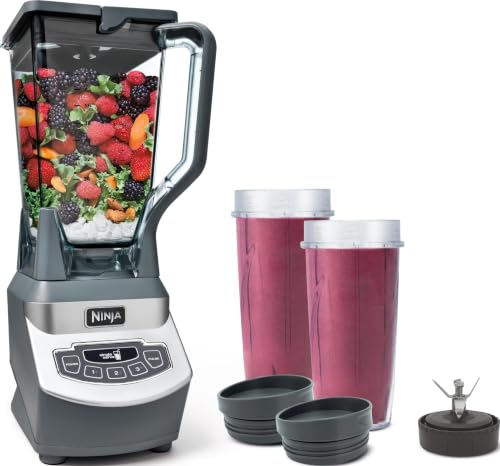
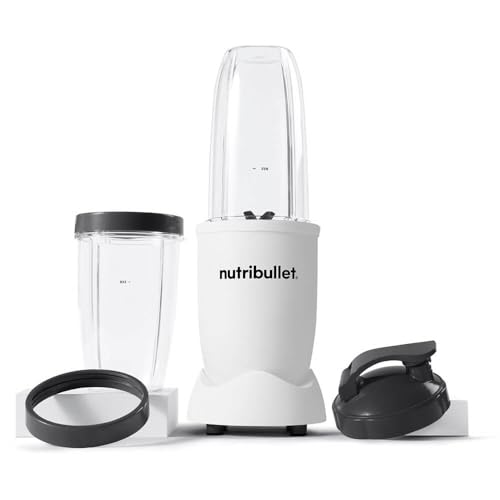

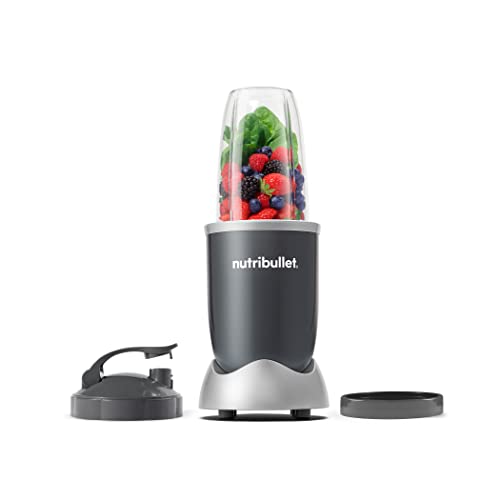
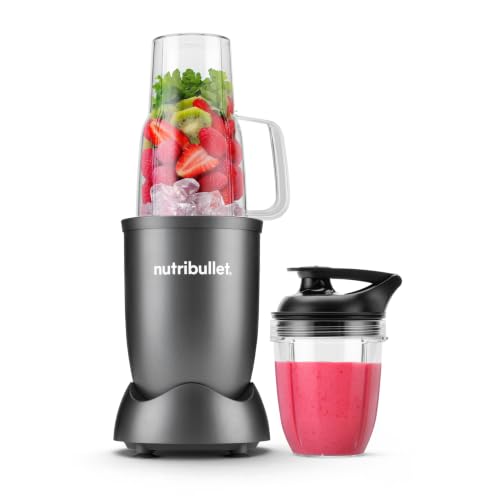


Who Should Buy Them
Budget smoothie blenders suit daily smoothie drinkers, small households, and anyone starting a healthier breakfast habit. They work well in apartments and small kitchens where counter space is precious. If you blend large batches for a family every day, a larger full size model may serve better. For one or two daily servings, an affordable blender is usually plenty.
Key Features to Compare
Compare smoothie blenders on the features that decide texture, speed, and cleanup.
- Motor power. Higher wattage and strong torque handle frozen fruit and ice with less stalling, though blade design matters too.
- Blade design. Sturdy stainless blades set low in the jar pull ingredients down and create a smoother vortex.
- Jar size and shape. A narrower base blends small servings better, while a wide jar suits larger batches.
- Lid and seal quality. A tight lid prevents leaks and splashes, especially when blending hot or icy mixtures.
- Cleaning ease. Dishwasher safe jars and simple blade assemblies make daily use far more likely.
Types and Options
Smoothie blenders come in a few practical shapes, each with its own kitchen role.
- Personal blenders. Single serve cups that blend and travel, ideal for one daily smoothie.
- Compact countertop blenders. Small full size jars for one to three servings, a good middle ground.
- Full size blenders. Larger jars for family batches and thicker blends, at a higher price.
- Immersion blenders. Handheld sticks for soups and soft blends, less suited to frozen fruit.
How to Choose the Right One
Match jar size to your usual serving. A large jar struggles with a single small smoothie, leaving chunks and air pockets. Check that frozen fruit and ice are within the rated use, and look for a pulse function to break up stubborn pieces. Weight matters too, since a heavy base stays steady while a light one walks across the counter.
Think about noise and counter height, especially in apartments or under cabinets. The product table above lets you compare power and jar size side by side. If you blend every morning before others wake, a quieter model with a secure lid is worth a small premium. Read the care instructions before first use, since some jars dislike very hot liquids.
For a related guide, see best blenders for smoothies. For a related guide, see best affordable blenders. For a related guide, see best small blenders for smoothies. For a related guide, see best personal blenders for smoothies. For a related guide, see best blenders for smoothies and ice.
Budget and Long Term Value
Good affordable smoothie blenders often cost from about $30 to $100, with personal models at the lower end. Spending more usually buys stronger motors, sturdier jars, and longer warranties. A mid priced personal blender often beats a cheap full size model for daily single servings. Include replacement cups or blades in your long term thinking if you blend daily.
Everyday Use and Care
Rinse the jar right after blending, since dried smoothie sticks stubbornly. Blend warm soapy water briefly for a quick clean, then rinse and dry. Check blade sharpness and seal condition every few months. Avoid overfilling, and never run the motor empty or for very long stretches, since heat shortens motor life.
Mistakes to Avoid
- Buying a large jar for single servings, which blends poorly.
- Blending frozen fruit without enough liquid, which stalls the motor.
- Ignoring lid quality and ending up with leaks.
- Running the blender too long without breaks, which overheats the motor.
Getting the Most From Your Choice
A smoothie habit survives on speed and cleanup, so set up your blender station for the morning rush. Keep frozen fruit, liquid, and any powders within reach, and store the jar where rinsing takes seconds rather than minutes. Prepare freezer bags of fruit portions on weekends, which turns weekday blending into a two minute task. When the routine feels effortless, the habit lasts; when cleanup feels heavy, the blender slowly migrates to a cupboard.
Experiment gradually with texture and flavour rather than copying elaborate recipes immediately. Start with a simple base of liquid, banana, and frozen berries, then add greens, seeds, or protein powder one at a time. Notice which combinations blend smoothly and which stall the motor, and adjust liquid first before blaming the blender. A few reliable recipes beat a long list of untried ones for daily use.
Questions to Ask Before You Order
Before ordering, measure counter and cabinet height, check jar size against your usual serving, and confirm frozen fruit and ice ratings. Ask about dishwasher safety, replacement parts, and noise level for early mornings. These practical questions matter more than preset counts for a blender you will use every single day.
- Does jar size match my usual single serving?
- Can the motor handle frozen fruit and ice daily?
- Is cleanup quick enough for busy mornings?
- Are replacement cups or blades available affordably?
Long Term Value
When you judge long term value, look beyond the purchase price to how smoothie blender holds up under daily use. Motor strength and jar durability decide whether daily frozen blending stays reliable or ends in burnout. A product that needs frequent replacement or repair quickly costs more than a slightly pricier alternative that lasts. Check warranty length, availability of spare parts, and how easily the item can be cleaned or serviced at home. These practical details decide whether a budget buy stays a bargain or becomes a repeated expense over the years you own it.
Total cost includes replacement jars, cups, or blade assemblies, and planning for those costs avoids surprises. Daily use wears seals and blades, so check part prices before committing to a brand. Set aside a small amount for upkeep from the start, and compare that total against the next price tier rather than judging the sticker alone. Often the middle option costs less over three years than the cheapest one, because it avoids early replacement and performs better throughout its life.
Know when to upgrade rather than repair. If the motor strains on normal loads, jars crack, or blades dull despite proper use, replacement makes sense. Until then, regular care and timely small fixes extend life considerably. A thoughtful owner gets far more value from a mid priced smoothie blender than a careless owner gets from a premium one, so habits matter as much as hardware.
- Check warranty length and spare part availability before buying.
- Budget for upkeep costs from the first year, not as an afterthought.
- Compare total ownership cost across price tiers, not sticker price alone.
Frequently Asked Questions
Can a cheap blender crush ice?
Many affordable blenders handle small amounts of ice, but results vary with motor power and blade design. Use crushed ice when possible, add liquid first, and pulse in short bursts. If the motor strains or smells hot, stop and stir before continuing. For daily ice heavy blends, a stronger motor is worth the extra cost.
Why is my smoothie lumpy?
Lumps often come from too little liquid, an overloaded jar, or ingredients added in the wrong order. Add liquid first, then soft fruit, then frozen items and greens. Blend in pulses, then run steadily until smooth. A narrow jar base also helps small servings circulate properly.
Are personal blenders good for daily use?
Yes, personal blenders suit daily single servings well, and the travel cup reduces washing up. They struggle with large batches and very thick blends, so match the tool to your habit. If you usually make one smoothie at a time, a personal blender is often the most practical choice.
How do I clean a blender easily?
Rinse immediately after use, then blend warm water with a drop of soap for half a minute and rinse again. Take the blade assembly apart weekly for a deeper clean if the design allows. Dry parts fully before storage to avoid odours. Avoid harsh scouring on plastic jars, which clouds them over time.
What should I blend first?
Start with liquid, then powders and soft fruit, then leafy greens, then frozen fruit and ice last. This order helps blades catch and circulate ingredients instead of spinning in air. If the blend stalls, stop, stir with a spatula, add a splash of liquid, and pulse again.
Final Thoughts
The best affordable blenders for smoothies are the ones you use every morning without fuss. Match jar size to your serving, favour a strong motor and good blades, and keep cleaning simple. Smooth results come from the right tool used well, not from the highest price.


