
Best Duvet Cover Made Simple: A Clear Buying Guide
Disclosure: We may earn a commission when you buy through links on this page, at no extra cost to you. As an Amazon Associate I earn from qualifying purchases. Learn more

A first buyer guide to the best duvet cover: fabrics, closures, sizing, certifications and easy setup tips.
A duvet cover is one of the easiest ways to change the look and feel of your bed. It protects your comforter or duvet insert, washes far more easily than the insert itself and lets you switch styles with the seasons. If you have never bought one, though, the terms can be confusing: closures, corner ties, thread count, sateen, percale, linen and sizes that do not always match your comforter. This beginner guide to the best duvet cover explains the basics in plain English, so your first purchase fits and feels right.
We cover how duvet covers work, the specs that matter, rookie mistakes, setup steps and answers to common questions. The table above lists popular options from Bedsure, California Design Den, SONORO KATE, Brooklinen, Cozy Earth and others, all sold new on Amazon US.




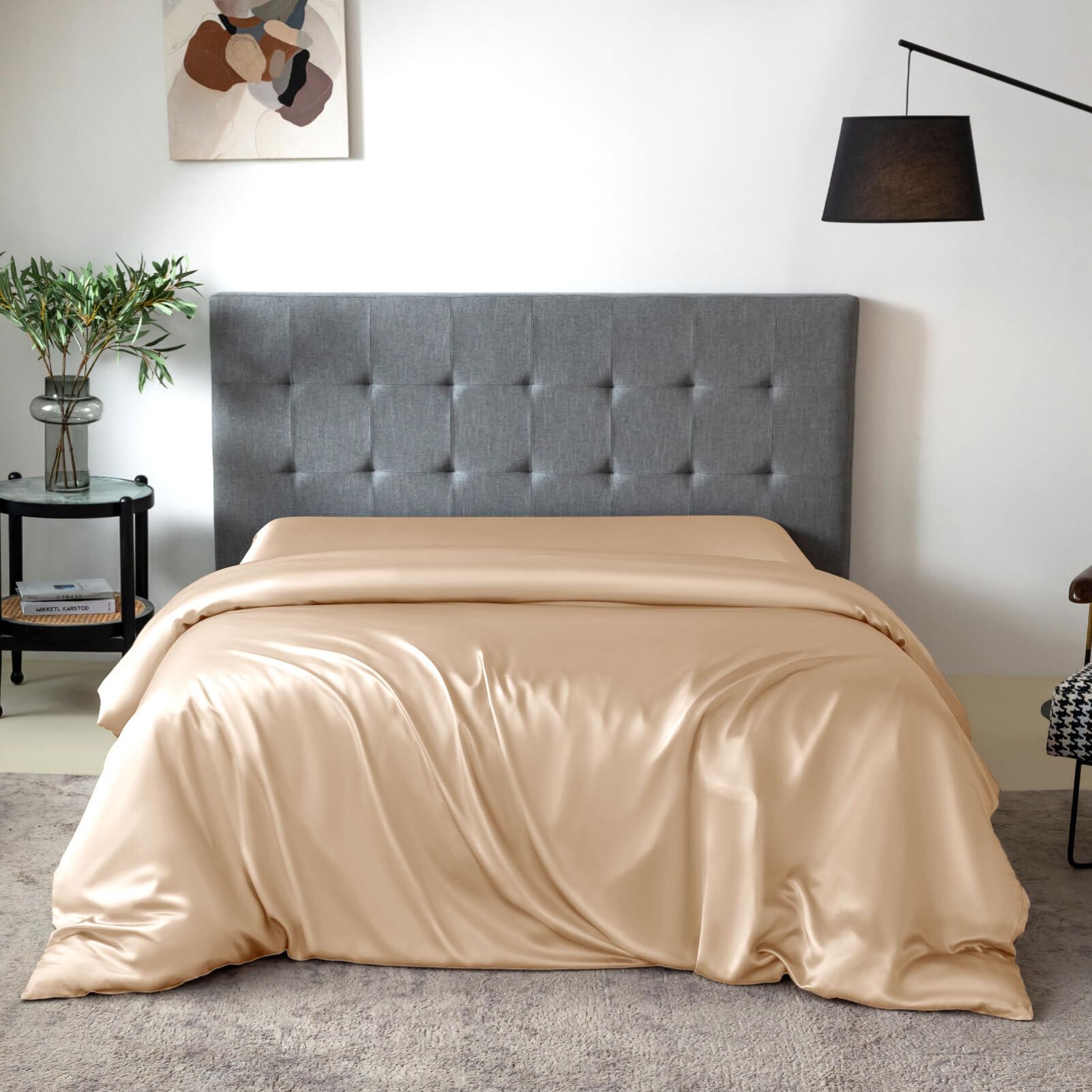
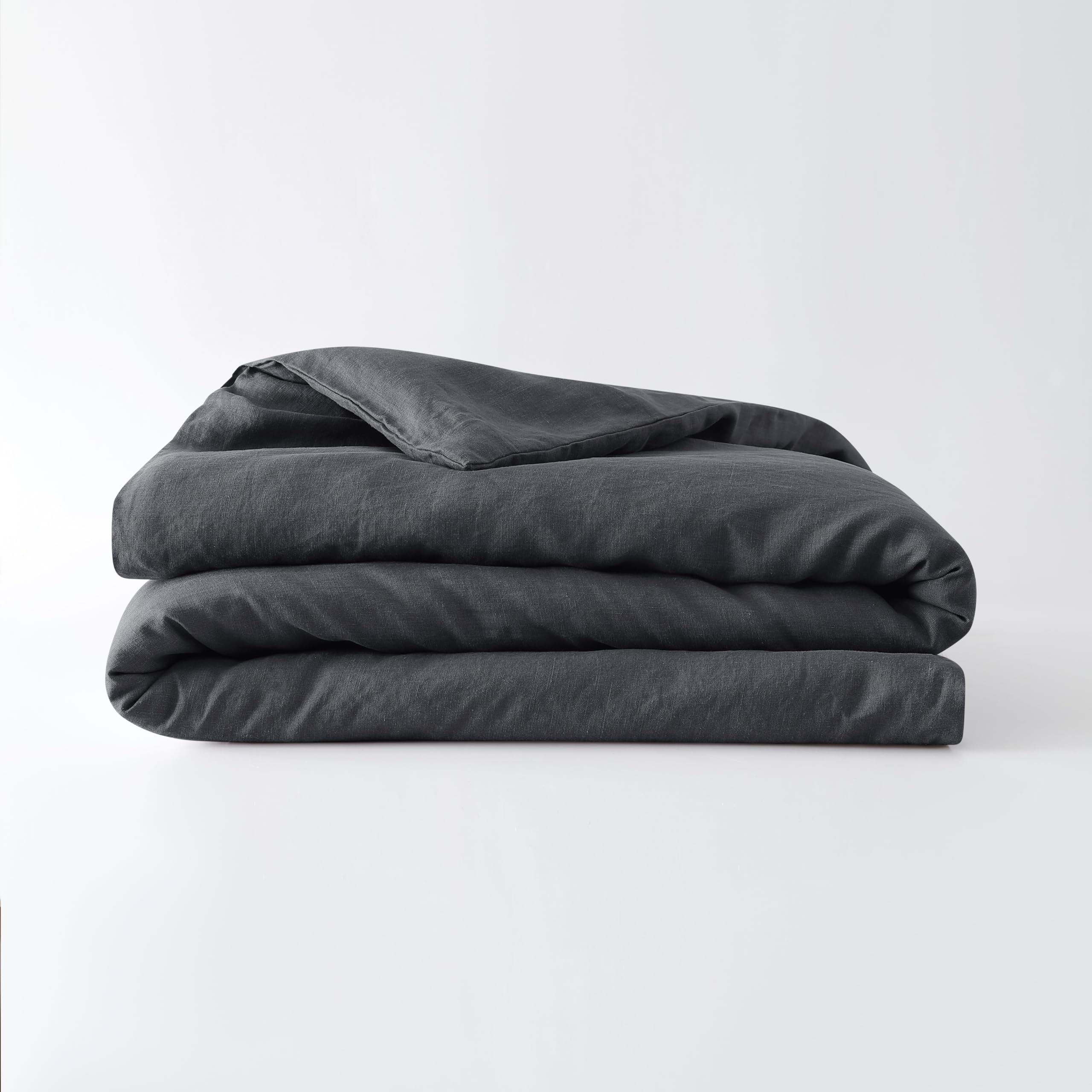
Duvet Covers 101: The Basics
A duvet cover is a fabric case that slips over a duvet insert or comforter, like a giant pillowcase. It closes with a zipper, buttons or ties at one end and often has internal corner ties that hold the insert in place so it does not bunch up. You wash the cover regularly and the insert only occasionally.
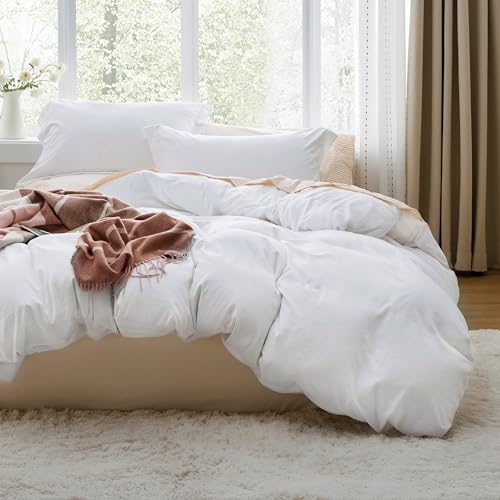
The insert provides warmth, while the cover provides the look and the feel against your skin. That means a cotton, linen or bamboo cover can make the same insert feel crisp, silky or relaxed. Many covers come in sets with matching pillow shams, such as the Bedsure prewashed set, which includes a 90 by 90 inch queen cover and two 20 by 26 inch shams.
A few key terms help. Shams are decorative pillowcases with a flange or border. Closures include zippers, which are quick, and buttons, which look classic. Corner ties are fabric loops inside the cover that tie to tabs on your insert. Thread count measures threads per square inch, while weave describes how they are woven, such as percale or sateen.
Most people buy duvet covers to make bedding easier to wash, to update a room's style and to protect a pricey down insert from body oils and stains.
Duvet covers also make it easy to own one quality insert and change the look of the bed several times a year. Instead of buying a new comforter for a new color scheme, you swap the cover, which saves money and storage space.
If you use a comforter instead of a duvet insert, a cover still works, as long as the dimensions match. Comforters without corner loops may shift more; sewing on small fabric loops or using duvet clips solves that.
Key Specs Explained in Plain English
Material, closure, size, certifications and how warm or cool the fabric feels matter most. Here is what each spec means and what to choose.
Material and Fill
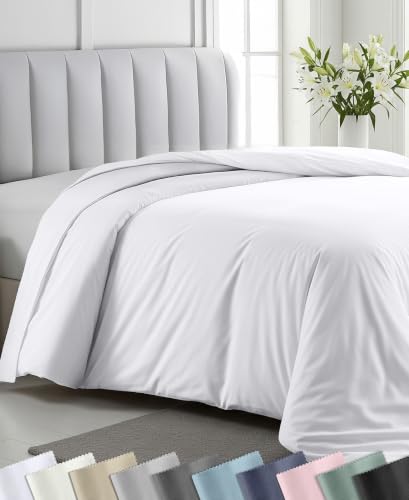
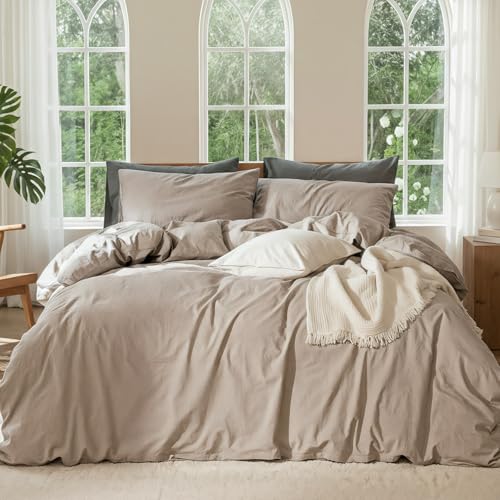
The cover's fabric decides how it feels. Cotton is soft, breathable and easy to wash; percale feels crisp and cool, while sateen feels smooth with a soft sheen, like the 400 thread count cotton sateen California Design Den cover. Linen, like SONORO KATE and OURJOY linen covers, is airy and relaxed. Bamboo viscose feels silky and cool, and microfiber is affordable, soft and wrinkle resistant.
Fill refers to the insert, not the cover. Down inserts are light and warm, while down alternative inserts are hypoallergenic and easier to wash. Choose the cover fabric for feel and the insert for warmth.
Recommendation: choose cotton percale or linen if you sleep hot, sateen or microfiber if you like soft and smooth, and bamboo for a silky, cool feel.
Specialty fabrics appear at the premium end. Silk covers, like THXSILK mulberry silk, feel smooth and cool but need delicate care. Brooklinen sateen and Cozy Earth bamboo covers target shoppers who want a luxury hotel feel and are willing to pay more.
Microfiber covers, like the Bedsure prewashed and double brushed sets, are often the cheapest way to start, at around $25 to $30 for a queen set with shams. They resist wrinkles and dry quickly, which suits busy households, kids' rooms and guest beds.
Certifications (CertiPUR US, OEKO TEX, RDS)
OEKO-TEX Standard 100 shows fabrics were screened for harmful substances, which is the most useful label for duvet covers. California Design Den lists OEKO-TEX on its covers. GOTS applies to organic cotton, while RDS covers down inserts and animal welfare. CertiPUR-US applies to foam, so it does not matter for covers.
Recommendation: look for OEKO-TEX on covers and RDS on down inserts.
Certified fabrics matter most for people with sensitive skin and for children's bedding, since the cover touches skin every night. If a listing mentions certification, look for the certificate number or a clear standard name rather than a general claim like chemical free.
Warmth and Breathability by Season
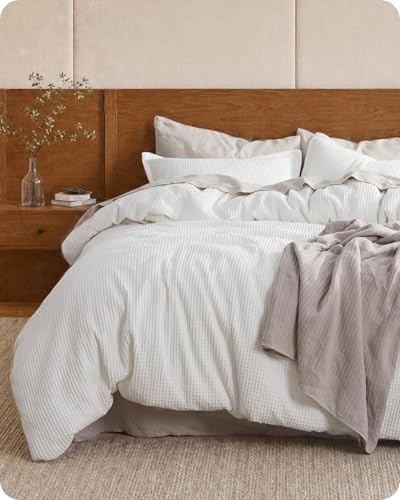
The cover adds a little warmth on its own. Linen and cotton percale feel cool and breathable in summer, while sateen, flannel and microfiber feel warmer in winter. Waffle weave covers, like the Bedsure PureWoven cotton waffle set, add texture and a light, airy feel.
Recommendation: if you only buy one, cotton percale or linen works year round, since you can change the insert weight for warmth.
Flannel covers are a cozy winter option, with a brushed surface that traps warmth. Many people keep a flannel cover for the coldest months and switch to percale or linen in spring, using the same insert all year.
Noise and Feel for Couples
Some fabrics rustle when you move. Crisp percale and linen make a little sound, while sateen, bamboo and microfiber are quieter. Bedsure says its prewashed microfiber cover avoids crinkly noise. Light sleepers sharing a bed often prefer quiet, smooth fabrics.
Recommendation: choose sateen, bamboo or brushed microfiber if rustling bothers you.
Couples with different temperature preferences can use a cooler cover fabric and add a throw blanket on the colder sleeper's side. Some couples use two smaller duvets, each with its own cover, which also reduces tugging at night.
Size and Fit
Duvet covers come in Twin, Full or Queen, King and California King, but dimensions vary by brand. Measure your insert and compare it with the cover dimensions; a queen cover around 90 by 90 inches fits a queen insert of similar size. California Design Den's full or queen cover measures 92 by 90 inches.
A cover slightly smaller than the insert looks plump, while one that is too large lets the insert shift. Bedsure suggests sizing up one or two sizes for a more draped look on tall mattresses.
Weighted blankets need their own covers. They are often smaller than standard duvets, such as 60 by 80 inches, and need many ties to hold the heavy insert in place. Covers made for weighted blankets, like the Baloo linen cover, are designed for that size and weight.
Oversized inserts are another option. Many people pair a king insert with a queen bed for a fuller, more luxurious drape that hangs well over the sides; if you do, buy a king cover to match the insert, not the bed.
Rookie Mistakes to Avoid
- Not measuring the insert. Sizes vary by brand; a mismatched cover sags or squeezes the insert.
- Ignoring corner ties. Covers without ties let inserts shift and bunch; look for four to eight ties.
- Choosing the wrong closure. Buttons look classic but take longer; zippers are quicker.
- Buying by thread count alone. Fiber and weave matter more than a high number.
- Skipping care labels. Linen and bamboo need gentler washing than microfiber.
Another common slip is buying a cover in a color that shows every stain. White and pale colors look crisp and can be bleached if the fabric allows, while medium tones hide small marks between washes. Textured fabrics like waffle and linen hide wrinkles better than smooth sateen.
Getting Started: Setup and First Use
Wash the new cover before first use to soften it and remove finishing residues. To put it on, turn the cover inside out, reach inside to grab the two far corners, pick up the corresponding corners of your insert and shake the cover down over it, a method many call the burrito or inside out technique. Tie the internal corner ties, close the zipper or buttons and fluff.
Wash your duvet cover every one to two weeks, like your sheets, and wash the insert only a few times a year according to its label. Rotate mattresses every 3 to 6 months and wash sheets weekly in warm water to keep the whole bed fresh.
If your cover has buttons, start from one end and work across so the opening lines up neatly. For zipper covers, zip slowly at the corners, where fabric can catch. Store spare covers folded in a breathable cotton bag or inside one of their own pillow shams to keep sets together.
Once a month, take the insert out and shake it in fresh air or tumble it on low with dryer balls to restore loft before putting the cover back on.
Frequently Asked Questions
Are cooling duvet covers worth it for hot sleepers?
Yes, cooling duvet covers can help hot sleepers. Linen, cotton percale and bamboo viscose breathe better and wick moisture away, making the bed feel cooler than sateen or microfiber covers. Pair a cooling cover with a lightweight insert for the best results in warm weather.
A lighter insert matters as much as the cover. Summer weight down alternative or silk inserts paired with a linen cover keep many hot sleepers comfortable.
How often should I replace my duvet cover?
Replace a duvet cover every two to four years, or when it thins, pills, fades, tears or the closure breaks. Rotating two covers spreads wear and makes laundry easier. Higher quality cotton and linen covers often last longer than inexpensive microfiber.
Washing covers inside out and avoiding very hot dryer settings helps colors and fibers last longer.
How do I wash duvet covers safely?
Turn the cover inside out, close zippers or buttons and wash on a gentle or normal cycle according to the label. Use cool to warm water for cotton and microfiber, and cool water for linen and bamboo. Tumble dry low or line dry, and remove promptly to reduce wrinkles.
Large covers need room to move, so wash them alone or with a few small items in a large capacity machine, and avoid overloading, which leaves soap in the folds.
Does a duvet cover change how warm my bed feels?
A duvet cover changes warmth slightly, but the insert matters most. Linen and percale covers feel cooler, while sateen, flannel and microfiber feel warmer. To change warmth significantly, switch between a lightweight and a heavier insert across seasons.
Is a higher thread count always better?
No, a higher thread count is not always better for the best duvet covers. Fiber quality and weave matter more. A 300 to 400 thread count cotton sateen or a 200 thread count percale can feel better and last longer than a very high thread count cover made with thin, multi ply yarns.
Wrapping Up
The best duvet cover fits your insert, uses a fabric that suits how you sleep and makes bedding easy to care for. Measure your insert, choose cotton, linen, bamboo or microfiber based on feel and season, and look for corner ties and an easy closure. Start with an affordable cover like Bedsure or California Design Den, or choose linen from SONORO KATE for a relaxed, breathable look.
For more bedding guides, see the best affordable duvet covers, the best duvet inserts, the best duvet cover sets and the best cooling bed sheets. Then compare current prices in the product table above.
If you are torn between fabrics, start with one cover in a versatile fabric like cotton percale, then add a second cover in linen or flannel once you know how warm you sleep. Two covers also make laundry day easier, since one can be on the bed while the other is in the wash.


