
Best Affordable Beach Chairs: A Buyer Checklist for 2026
Disclosure: We may earn a commission when you buy through links on this page, at no extra cost to you. As an Amazon Associate I earn from qualifying purchases. Learn more

Best affordable beach chairs for sand and salt: a checklist covering frame, fabric, seat height, capacity and folded size.
A beach chair does not live in a living room. Sand grinds into the joints, salt air creeps along the frame, and wet fabric bakes in the sun, so best affordable beach chairs are best judged as a sand and salt class purchase: the frame and fabric classes decide whether a chair survives the season. The price only matters after that check, because the cheapest chair is the one you buy once.
This article turns that idea into a short buyer checklist you can run over any low priced chair in a few minutes. Work through the six checks below, weigh the three budget bands, and then compare your shortlist against the product table.

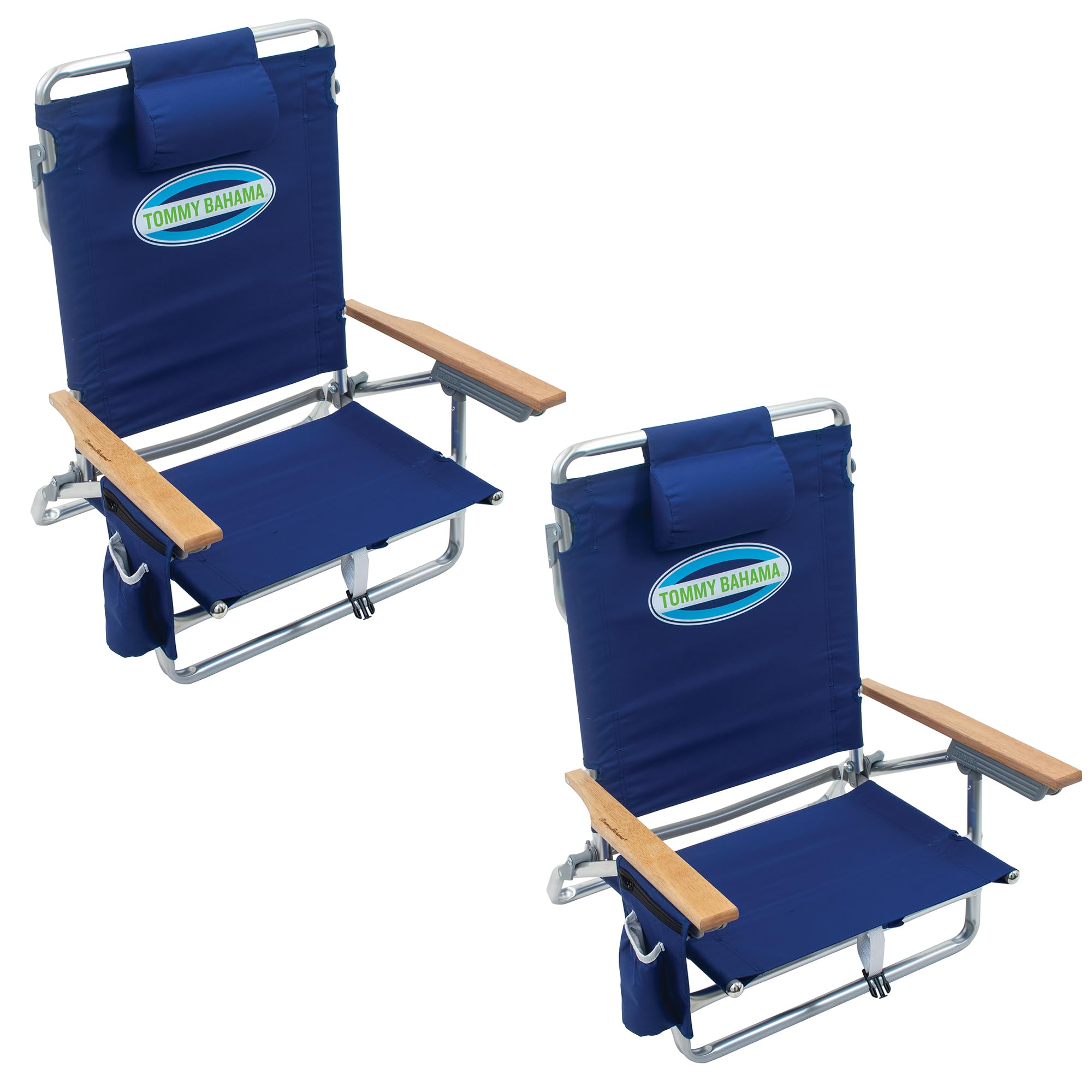


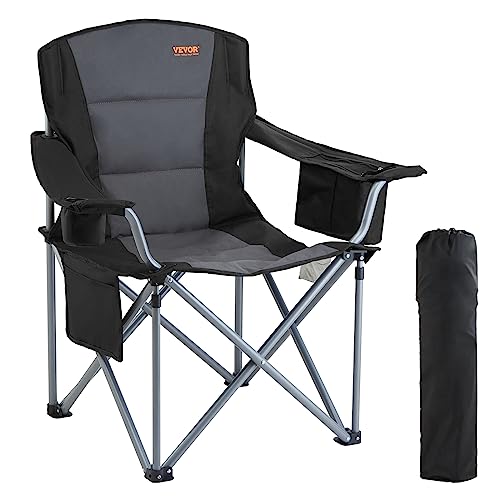
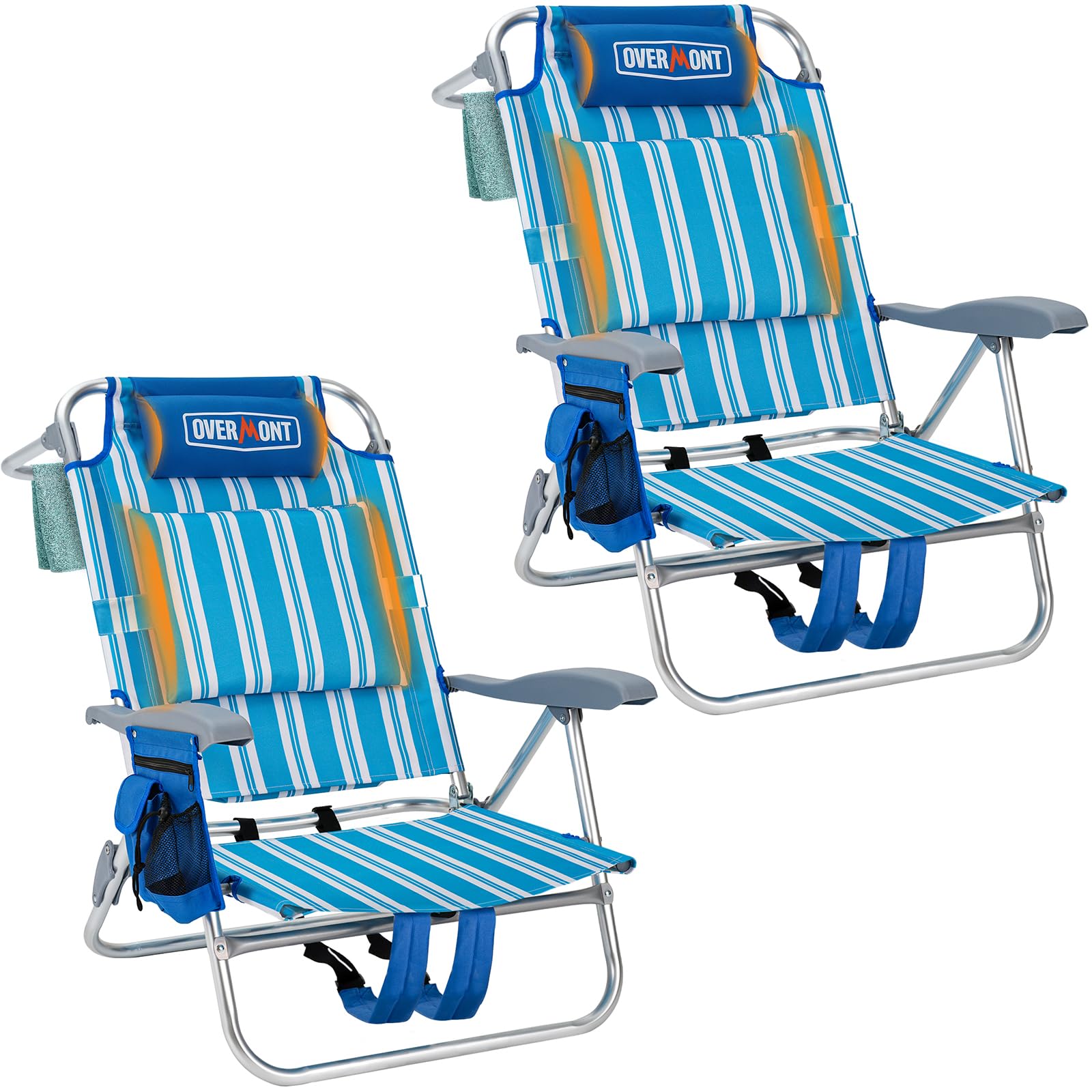


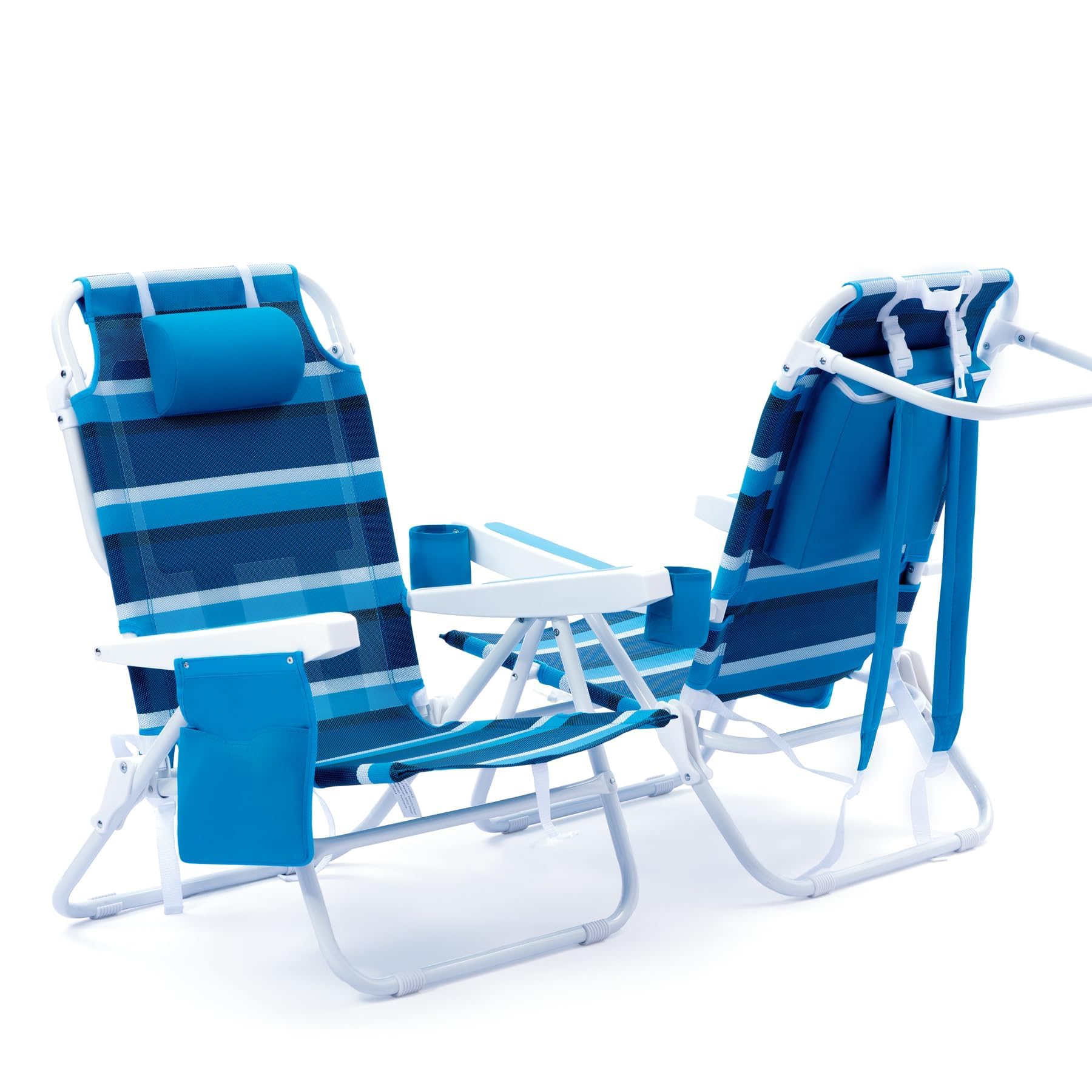
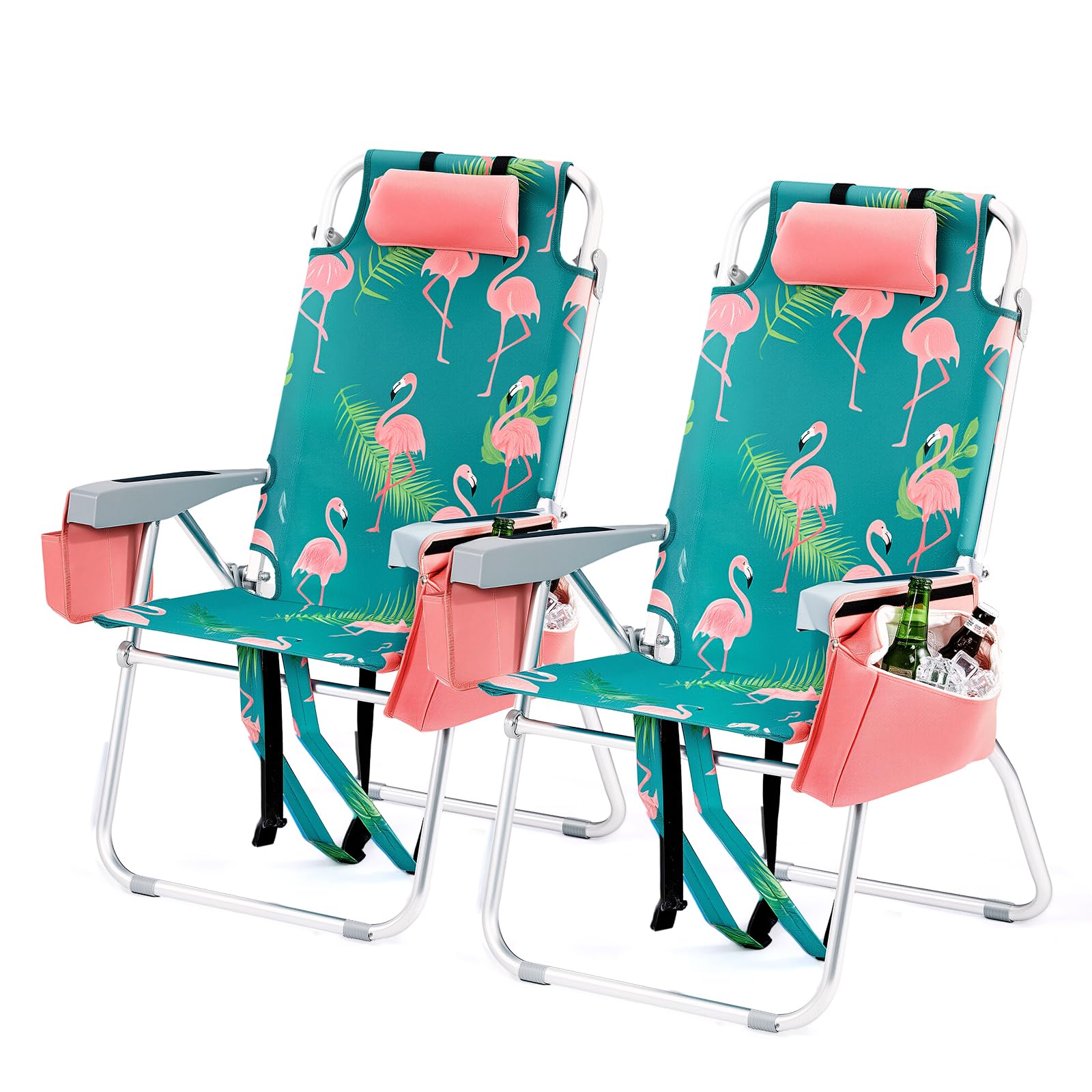

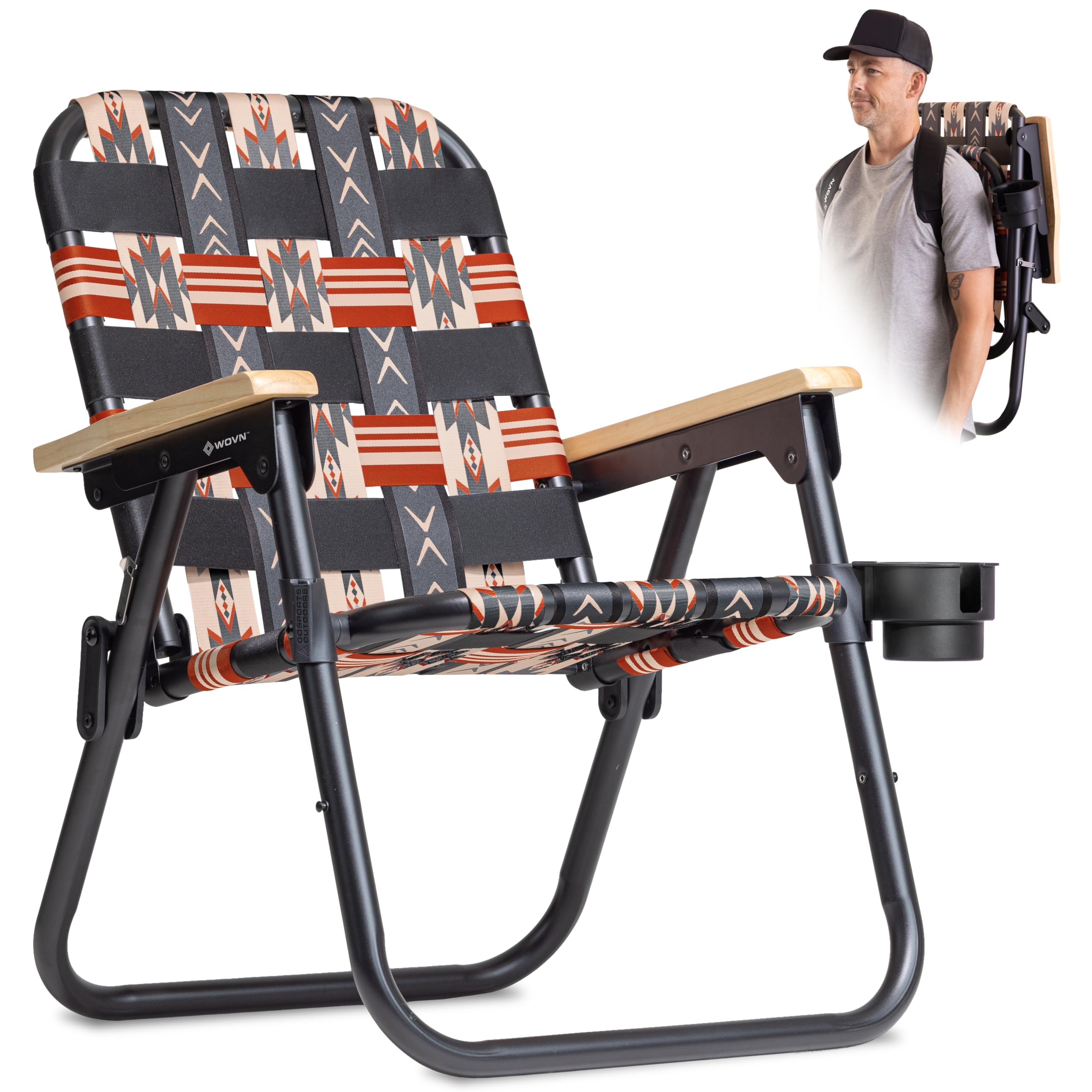
Best Affordable Beach Chairs: Six Checks Before You Buy
What You Can Realistically Get on a Budget
For about $25 to $110 you can get a sound frame, honest fabric, and a chair that folds and carries well. What the budget cuts is refinement: padded headrests, many recline positions, and premium finishes go first. The same budgeting logic runs through best affordable chairs of every kind, so spend on the frame and fabric and let the extras go.
Frame and Fabric Classes Against Sand and Salt
This is the check that decides the purchase. Aluminum frames resist rust and stay light, steel frames feel sturdier and need a good coating to survive salt air, and wood frames look classic but ask for oiling and dry storage. Fabric classes split the same way: woven polyester and mesh classes dry fast and shrug off sand, while padded cotton blends hold water and fade sooner. Run a finger along the frame finish and read the fabric name closely, because vague words here predict a short life.
Seat Height Classes and Your Knees
Seat height classes split sitters more than any other feature. Low chairs sit about 8 to 12 inches off the sand and feel relaxed and stable, but they ask your knees and hips to do real work every time you stand, and that low class is a young knees class. Taller chairs, about 13 to 17 inches up, stand you up with far less effort and suit older sitters or anyone with stiff joints. Pick the height by the person who will struggle most to rise.
Comfort and Support, Stated Plainly
Comfort here means a full afternoon of sitting, nothing more. A chair can offer a firm seat, a back that matches your recline, and armrests at a natural height, but a beach chair is not a treatment for back pain. If pain persists, ask your doctor. Comfort also means a different job from desk duty: a beach chair is judged on sand, sun, and folding flat for the car.
Weight Capacity and Build
Capacity figures run from about 225 to 300 pounds on affordable chairs, and the honest ones state the number clearly. Treat the rating as a ceiling with a margin, not a target: a chair used near its limit on soft sand flexes more and wears faster. Look for cross bars under the seat, metal hinge points, and stitching that runs in double rows. A wide seat with a modest rating is a worse buy than a standard seat with a generous one.
Folded Size, Carry Weight, and Straps
A beach chair earns its keep on the walk to the sand. Most affordable models weigh about 7 to 12 pounds, and the difference between the ends of that range is obvious after two hundred yards of soft sand. Backpack straps free both hands for a cooler and a bag, and a flat fold rides better in a trunk than a bulky one. Check the folded length against your car before you buy, because a chair that travels badly stays home.
Three Budget Bands and What Changes
The bands below show what the best affordable beach chairs offer at each price, the same pattern you will see across best beach chairs at every level: money moves the frame and fabric classes first, and the comfort extras last.
About $25 to $40: The Basic Band
Basic chairs give you a steel or thin aluminum frame, a single fabric layer, and one or two sitting positions. They are light, simple, and fine for occasional beach days close to the car. Expect the fabric to fade and the joints to loosen within a season or two of regular use. For a spare chair or a short trip, this band is honestly enough.
About $40 to $70: Where Frames Improve
This is where the checklist starts passing with room to spare. Frames get thicker and better coated, fabrics move into quick drying woven classes, and recline positions multiply. Carry straps become standard, and capacity ratings climb. For most households this band is the value center of the affordable market: the chair stops feeling disposable and starts feeling owned.
About $70 to $110: The Top of Affordable
Near the top of affordable you buy finish and patience: anodized frames, padded headrests, cup holders that stay level, and hardware that tightens instead of tearing out. The sitting experience approaches chairs costing far more. What you still do not get is a decade of hard use, so weigh this band against how many beach days a year your family really takes.
Quick Buyer Checklist
- Does the listing name the frame class and the fabric class in plain words?
- Is the seat height right for the sitter who finds standing up hardest?
- Is the weight capacity stated as a clear number, with margin to spare?
- Does the chair fold flat enough for your trunk or storage corner?
- Can one person carry it across soft sand with hands left for a bag?
- Are the hinge points metal rather than thin plastic?
- Would you still choose it with the brand name covered up?
Red Flags to Watch For
Listings hide weak chairs behind warm words. On beach chair pages, watch for these signs.
- No weight capacity listed anywhere, or a figure with no unit.
- Fabric described only as durable cloth, with no material class named.
- Every hinge and joint molded from thin plastic.
- No folded dimensions, so fitting the trunk is left to luck.
- A warranty shorter than a single season of use.
Tips to Get the Most From Your Beach Chair
- Rinse the frame and fabric with fresh water after beach days, because dried salt keeps working on both.
- Shake sand out of the joints before folding, since trapped grit grinds the hinges wider.
- Dry the chair fully before storing it, and store it out of direct sun to slow fading.
- Tighten hinge bolts at the start of each season, while the hardware still holds a thread.
Beach Chairs: Your Questions Answered
What features matter most for a full day on the sand?
For a full day, recline range matters most, because shifting position is what keeps sitting pleasant hour after hour. A chair that locks at several angles, including nearly flat, beats one fixed upright position every time. After that, look for a small canopy or a headrest you can shade with a towel, and a cup holder that stays level when the chair reclines. Seat height and fabric decide the first hour; recline decides the fifth.
How long should an affordable beach chair last?
A cared for affordable chair should last about three to five seasons of regular use. Storage decides more of that span than price does: a mid priced chair rinsed, dried, and stored indoors will outlast a premium chair left wet in a garage corner. Expect straps and elastic cords to age first, then fabric at the fold lines. When the frame itself starts to flex at the hinges, the chair is done, whatever the fabric looks like.
Can a beach chair work for a tall or larger sitter?
Yes, but check seat width and frame width, not only the capacity number. A tall sitter needs a higher back and a seat deep enough to support the thighs, while a larger sitter needs width between the armrests so the frame does not press at the hips. Standard height models are usually the safer pick for both. If the listing gives only one set of dimensions, assume it runs small and size up a class.
Is a more expensive beach chair worth it?
It is worth it when you count cost per season instead of cost per purchase. A chair at about $90 that lasts five seasons costs less per summer than a chair at about $35 replaced every year, and it carries better the whole time. The math flips for rare beachgoers: two trips a year never wear out a basic chair. Match the spend to your real number of beach days, not the number you hope for.
The Bottom Line
Run the checklist in order and the choice gets simple. Frame and fabric classes first, because sand and salt decide whether best affordable beach chairs survive the season; seat height second, because it decides who can get up out of the chair; folded size third, because a chair that travels badly stays home. Set your band by your real beach days, then use the product table to compare the chairs that pass all three checks.


