
Best Affordable Bags: Everything to Know Before Your First Purchase in 2026
Disclosure: We may earn a commission when you buy through links on this page, at no extra cost to you. As an Amazon Associate I earn from qualifying purchases. Learn more

Learn how to choose the best affordable bags on a budget, from size and materials to zippers, straps, and care, without paying for features you do not need.
Buying best affordable bags for the first time is easier when you know what a lower price should still buy and what it usually leaves out. This guide explains bag types, sizes, materials, and hardware in plain language, so you can judge value by use rather than by looks alone. Use the comparison table below to see how common bag types differ before you compare prices.
A good budget bag carries your daily load comfortably, closes securely, and survives regular use without fraying straps or failing zippers. A poor budget bag may look fine in a photo yet sag, dig into your shoulder, or split at a seam after a few weeks. The sections below help you spot the difference before you order.

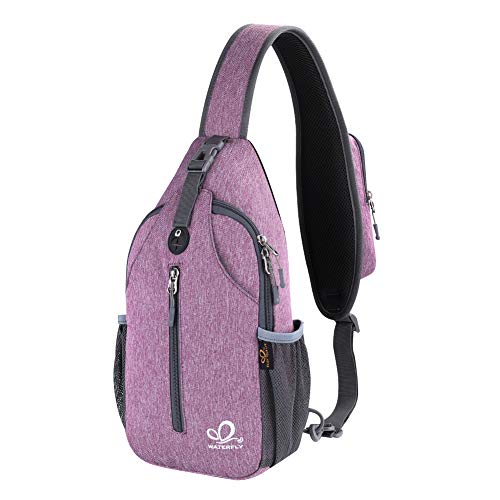

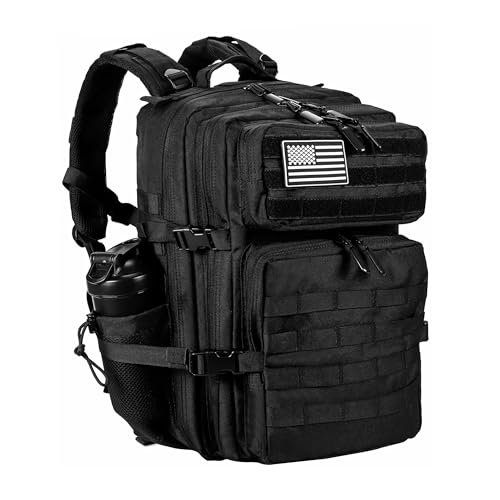
Best Affordable Bags 101: The Basics
A bag is a soft container that organizes and carries items, and its shape decides how easy it is to pack, reach, and carry. A backpack spreads weight across both shoulders, a tote offers a wide open top for quick access, a messenger bag hangs across the body for city use, and a duffel offers a large main space for clothes and gear. Each shape suits a different routine, so start with how you will carry the bag most days.
Capacity is usually given in liters, and a rough guide helps first time buyers picture the size. A small daily bag may hold about 10 to 15 liters, a standard work or school bag may hold about 20 to 25 liters, and a weekend duffel may hold about 40 to 60 liters. Measure your largest item, such as a laptop or a jacket, and check the maker size chart rather than guessing from a photo.
Materials decide weight, weather resistance, and how the bag ages with use. Common budget materials include polyester and nylon, which are light and easy to clean, and canvas, which feels sturdy and ages with a softer look. Strong stitching, reinforced corners, and a lined main pocket often matter more than a fancy outer finish, especially on a bag you will use every day.
Key Specs Explained in Plain English
Bag specs sound simple, yet a few terms hide real differences in comfort and durability. Read for size, strap design, closure type, pocket layout, and hardware quality before you compare prices. The sections below explain each factor in plain language and show what to expect at a budget price.
| Bag Type | Best For | Strengths | Watch Out For |
|---|---|---|---|
| Backpack | Daily carry and school or work | Balanced weight and hands free use | Can feel bulky in crowded spaces |
| Tote | Shopping and light daily loads | Wide opening and quick access | Weight sits on one shoulder |
| Messenger bag | City use and flat items | Easy access while walking | Can shift weight to one side |
| Duffel | Weekend trips and gym use | Large open main space | Hard to find small items inside |
What You Can Realistically Get on a Budget
On a budget, expect solid basics such as a usable size, decent zippers, and comfortable straps, while premium touches may be simpler or absent. You may find about $25 to $60 buys a sound daily backpack, while about $15 to $40 buys a simple tote or messenger bag for lighter use. Do not expect waterproof construction at the lowest prices, since most budget bags offer water resistance rather than full waterproofing.
Save money on color, pattern, and extra pockets you will rarely use, and spend it on strap comfort, seam strength, and closure quality. A padded laptop sleeve, a sternum strap, and a water bottle pocket add real daily value for many buyers. A bag that looks plain yet carries well will serve you better than a stylish bag that hurts your shoulder.
Intended Use and Who It Is For
Intended use should drive size, shape, and material, because a school bag, a work bag, and a travel bag face different loads. A student needs room for books, a charger, and a water bottle, while a commuter needs a laptop sleeve, a secure pocket, and a shape that fits under a desk. A traveler needs easy access to documents, a sturdy handle, and a size that fits cabin or car space.
Think about your heaviest day, not your lightest day, when you judge capacity and straps. A bag that feels fine empty may dig in once you add a laptop, a book, and a bottle. If you carry heavy loads often, favor a backpack with padded straps and a waist or sternum strap over a single strap tote.
Build Quality and Materials
Build quality shows in stitching, seam reinforcement, zipper action, and strap attachment points. Pull gently on straps and handles in a store, or read the maker detail for bar tack stitching and reinforced corners when you shop online. Double stitching at stress points, a sturdy base, and smooth zippers that do not snag are good signs at any price.
Material weight also matters, since a very light fabric may tear at a seam while a very heavy fabric adds bulk. Polyester and nylon suit daily use and rain, canvas suits a sturdy casual look, and coated fabrics add splash resistance. Check care guidance too, since a bag you can wipe clean or wash gently will stay usable longer.
Safety and Everyday Protection
Safety for a bag means secure closures, stable straps, and sensible features for your routine, rather than a formal certification. A main pocket that closes fully protects a laptop and wallet, while a hidden inner pocket helps for a phone or keys. Reflective trim helps if you walk at night, and a chest strap keeps a backpack steady when you cycle or hurry.
Check that straps adjust smoothly and stay in place, since a strap that slips can throw a load off balance. Keep small items in closed pockets, and avoid overloading a bag beyond the maker guidance, because excess weight strains seams and your back. For maker care guidance, follow the label for cleaning, drying, and storage.
Warranty and Customer Support
Warranty and support matter on a budget, because a short warranty may still cover seam and zipper failure in normal use. Read what the warranty covers, how long it lasts, and whether you need proof of purchase for a claim. A clear return policy also helps, since size and comfort are hard to judge from photos alone.
Keep the receipt and the maker care label, and try the bag at home with your real load before you remove tags. Walk around the house, adjust the straps, open every pocket, and check that zippers run smoothly. If a strap slips or a seam feels weak in the first week, use the return or warranty route promptly rather than hoping it improves.
Rookie Mistakes to Avoid
- Choosing by looks alone, because a pretty bag with weak straps will disappoint in daily use.
- Buying too small, because a tight bag strains zippers and forces you to carry extra items by hand.
- Ignoring strap comfort, because padding and adjustability decide whether a full bag feels good all day.
- Skipping the care label, because harsh washing can warp a padded sleeve or damage a coating.
- Overloading a budget bag, because excess weight can split seams and shorten the life of the bag.
Getting Started: Setup and First Use
When your bag arrives, read the maker guidance before first use, then inspect seams, zippers, straps, and handles for loose threads or rough edges. Pack it with your usual load, adjust the straps so the weight sits close to your body, and walk for a few minutes to check comfort. Move items between pockets until heavy things sit near your back and small things sit in closed pockets.
Clean and inspect the bag regularly, and empty it fully once in a while to check for wear at the base and strap joints. Wipe spills promptly, let a wet bag dry fully before storage, and store it in a cool dry place out of direct sun. Simple care like this keeps a budget bag looking and working well for much longer.
Frequently Asked Questions
What features matter most when buying bags?
Size, strap comfort, closure quality, and pocket layout matter most for most buyers. Start with the largest item you must carry, then choose a shape that fits your routine and a strap system that suits the weight. Zippers should run smoothly without snagging, seams should feel firm at stress points, and pockets should match how you organize keys, a phone, and a charger. Style matters too, but it should follow function rather than lead it.
How much should I spend on a bag?
Most first time buyers can find a sound daily bag for about $25 to $60, while a simple tote or messenger bag may cost about $15 to $40. Spend more only when you need a padded laptop sleeve, stronger weather resistance, or a larger travel size. Spend less when the bag will see light use, such as occasional shopping or a short trip. Compare strap comfort and seam quality first, since those decide daily value more than brand style.
How long does a bag last?
A budget bag used daily may last one to three years, while a well made bag with lighter use may last much longer. Load weight, weather, and care decide the real lifespan, since heavy loads and harsh washing wear seams faster. Inspect the base, strap joints, and zippers every few months, and repair a loose thread early before it becomes a split seam. A bag that still closes well and carries comfortably is still serving you, even if the outer fabric shows wear.
Are expensive bags worth it?
Expensive bags are worth it when you need stronger materials, better weather protection, or a warranty that covers heavy daily use. They are less worth it when you need a simple bag for light loads, since a sound budget bag can meet that need well. Compare the same factors at each price, such as strap padding, seam strength, and pocket layout, rather than assuming price alone proves quality. Buy the cheapest bag that meets your real routine, not the most expensive bag you can afford.
How do I maintain a bag?
Maintain a bag by emptying it regularly, wiping spills promptly, and following the maker care label for cleaning. Use a soft cloth and mild soap for most fabrics, rinse gently, and let the bag air dry fully before use or storage. Check zippers for grit, tighten loose straps, and store the bag in a cool dry place away from direct sun. For specialty seating bags, see our guide to best affordable bean bag chairs for fabric and fill care that differs from a carry bag.
Wrapping Up
The best budget choice is the bag that fits your largest item, carries your heaviest day comfortably, and closes securely without fuss. Favor strong seams, smooth zippers, and comfortable straps over extra pockets and bold styling. Check size against the maker chart, try the bag with a real load at home, and use the return policy if comfort or quality falls short.
With those checks, a lower price can still buy a useful daily companion, and you will know quickly whether the bag suits your routine. Keep care simple, avoid overloading, and replace a bag only when seams, straps, or zippers no longer hold up. With a clear sense of size, material, and use, best affordable bags become an easy first purchase, and the product table can help you compare the main types once more.


