
Best Affordable Art Tablets: Budget, Midrange, and Premium Picks for 2026
Disclosure: We may earn a commission when you buy through links on this page, at no extra cost to you. As an Amazon Associate I earn from qualifying purchases. Learn more

A buying guide to the best affordable art tablets, with price tier advice, stylus and display checks, and a checklist for choosing with confidence.
Art tablets range from simple pen displays you plug into a computer to fully standalone devices with their own apps, storage, and screens. Prices range just as widely, so it is easy to overspend on power you will never use or underspend on a screen that makes drawing frustrating. This guide to best affordable art tablets shows you where your money actually matters.
You will learn what each price tier usually delivers, which features deserve your budget, and which extras you can skip without regret. Use the comparison table below to see how current options line up once you know which tier fits your work.
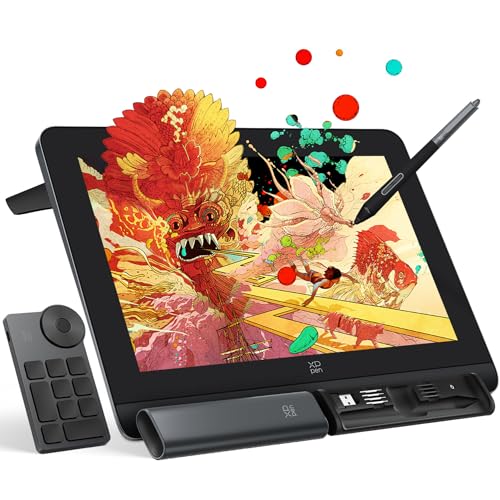


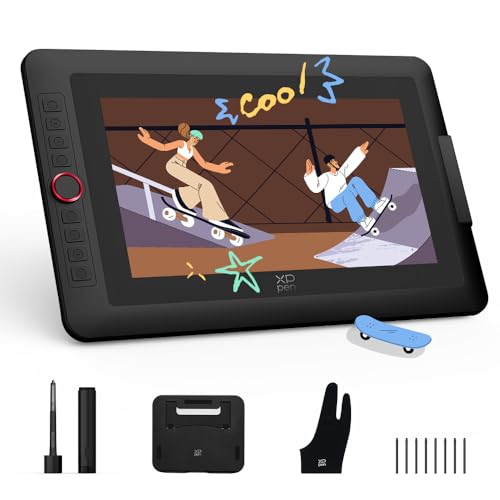


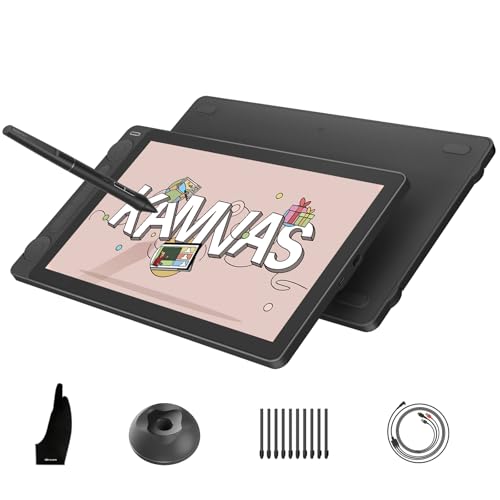


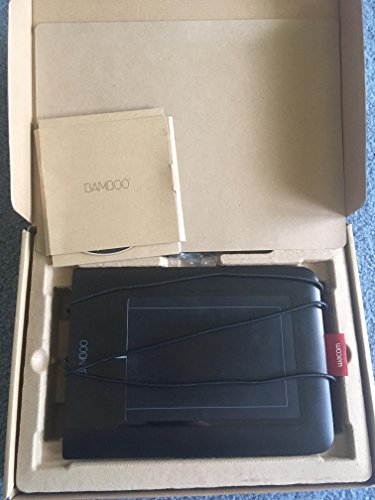

Top Picks by Budget
Rather than naming specific models, this section describes the kind of tablet that makes sense at each level. Match the description to listings in the product table above, then check the stylus, screen, and software details before you buy.
Best Budget Pick
A good budget choice is usually a pen display or a basic pen tablet with a responsive stylus, at least 8192 levels of pressure sensitivity on paper, and a matte surface that gives your pen a little grip. It suits students, hobbyists, and anyone learning digital drawing software. Expect to connect it to a laptop or desktop, and expect a smaller working area. The main limit is convenience, not drawing quality, so it is a smart starting point if you already own a capable computer.
Best Midrange Pick
The midrange choice most buyers should study is a larger pen display or an entry standalone tablet with a laminated screen, where the glass and display sit close together so the pen tip lines up with the line on screen. You gain better color, less glare, and shortcut buttons that speed up daily work. It suits illustrators who draw several times a week and students in design classes. The trade off is price and desk space, since a bigger screen needs a stand and a clear work area.
Best Premium Pick
A premium choice is a standalone tablet with a bright, color accurate display, a fast processor, generous storage, and a stylus that supports tilt and low latency. It suits working illustrators, animators, and anyone who wants to draw away from a desk without carrying a laptop. You pay for independence and screen quality more than for basic drawing ability. If your income depends on finished client work, the time saved on exports, layers, and large files can justify the jump.
What Your Money Gets You at Each Price Tier
Budget Tier: What to Expect
Budget models often cost around $50 to around $200, depending on whether they include a screen. Screen free pen tablets are cheapest and very durable, but you draw on the desk while looking at your monitor, which takes practice. Small pen displays cost more and feel more natural. At this level, check driver support for your drawing app, cable quality, and replacement nib availability. Skip paying extra for touch gestures you may rarely use.
Midrange Tier: The Sweet Spot for Most Buyers
Midrange models often sit around $200 to around $500 and give you the best balance for most people. Screens get larger and brighter, color coverage improves, and laminated displays reduce the gap between pen and line. Standalone options begin to appear, though with modest storage. If you are comparing general value across categories, our guide to the best most affordable tablets can help you see how drawing models differ from everyday tablets built mainly for reading and video.
Premium Tier: When Spending More Pays Off
Premium models often cost around $500 to around $1,000 or more, and the gains are real but specific. You get larger and sharper displays, better color accuracy for print work, faster chips for big canvases, and more RAM for many layers. Battery life and build quality also improve. Spending more pays off when you draw daily, work with clients, or need accurate color. It pays off far less if you sketch occasionally for fun.
Features Worth Paying For (and Ones to Skip)
Operating System (Windows, macOS, ChromeOS, Android, iPadOS)
Your operating system decides which drawing apps you can run and how files move to other devices. Standalone tablets tied to one app store are simple but can limit professional software. Pen displays rely on your computer, so your existing system matters more than the tablet itself. If you already use Windows software at school or work, look at our guide to the best pc tablets for context on that ecosystem before you commit.
Battery Life in Real World Use
Battery life matters only for standalone tablets, since pen displays draw power from your computer. In real use, a bright screen and a large canvas drain a battery faster than light sketching does. Look for USB C charging, which lets you share chargers with a phone or laptop and top up from a power bank. A practical target is a full drawing session of several hours without hunting for an outlet. Claims based on video playback alone tell you little about drawing use.
What You Can Realistically Get on a Budget
On a budget you can realistically get accurate pressure control, a comfortable pen that needs no charging on many models, and software compatibility with popular free and paid drawing apps. What usually gets cut is screen size, color accuracy, touch input, and standalone computing power. Do not save money by accepting a dim screen or a pen with noticeable lag, because those two flaws affect every stroke. Save instead on storage, speakers, and cameras, which matter little for drawing.
Ports and Connectivity
Ports decide how tidy and reliable your setup feels. A single USB C cable that carries power, video, and pen data is far neater than a bundle of separate cables, and it reduces connection faults. Check that your computer has the right port or budget for an adapter. Wireless connection is pleasant for sketching on a couch, but a wired link is still the safer choice for low latency and steady work. For standalone models, current WiFi support helps with cloud backups and app downloads.
Processor and Performance Tier
Performance matters most on standalone tablets, where the chip, RAM, and storage handle your canvas. More RAM helps when you use many layers, large brushes, or high resolution files. Modest chips handle sketching and social media sized artwork well, while demanding print files and animation need more headroom. If you prefer Android apps, our guide to the best affordable android tablets explains the platform trade offs that also apply to drawing models.
Long Term Costs to Factor In
The tablet price is only part of what you will spend. Budget for replacement nibs, a screen protector made for pen use, a stand if one is not included, and a case for standalone models. Drawing app subscriptions can add a steady yearly cost, although strong free apps exist. A glove that helps your hand glide and reduces smudges on the screen is cheap and useful. Also check the warranty length and how easy it is to buy spare pens, since a lost pen can leave you unable to work.
Art Tablets: Your Questions Answered
Should I buy a laptop or a tablet?
Choose based on the software and workflow you need most. A laptop runs full desktop drawing programs, handles file management easily, and pairs well with a lower cost pen display. A standalone tablet is more portable and feels direct, but app limits and storage can slow complex projects. Many artists use both, sketching on the tablet and finishing detailed work on the computer.
Is a Chromebook enough for school?
A Chromebook can be enough for school if your classes use web based or Android drawing apps and simple assignments. It handles notes, research, and light sketching well. It falls short when a course requires specific desktop software, advanced color work, or large layered files. Check your syllabus and required programs first, because that requirement, not the hardware alone, should decide your purchase.
How much RAM do I need?
Most beginners do fine with modest RAM if they keep layer counts reasonable and close other apps while drawing. More RAM becomes valuable when you work on large canvases, use textured brushes, or switch between drawing, reference, and browser apps. If you use a pen display, the RAM in your computer is what counts, so check that specification instead of the tablet listing.
How long should an art tablet last?
A well cared for art tablet should last several years of regular use. Screen free models often last longest because they have fewer parts to fail, while standalone models age as batteries wear and apps demand more power. You can extend life by replacing nibs before they wear flat, keeping cables unbent, and using a case during travel. Software driver support is often the real limit for older pen displays.
Is a dedicated GPU worth it?
A dedicated GPU is rarely the deciding factor for 2D drawing on a tablet. It helps more with 3D sculpting, video work, and some filter heavy workflows on a computer. For pen displays, your budget usually does more good spent on screen quality and size. For standalone tablets you cannot add a GPU later, so focus on the chip and RAM as a complete package instead.
The Bottom Line
Start with three checks: screen quality you can draw on comfortably, a stylus with reliable pressure and tilt if your style needs it, and software that fits your classes or clients. Then pick the lowest tier that passes all three. Chosen that way, the best affordable art tablets for you will feel like a tool, not a compromise. Compare your shortlist with the product table above and confirm cables, nibs, and warranty before you order.


