
Best Affordable 29 Inch Mountain Bike 2026: Why Wheel Size Matters
Disclosure: We may earn a commission when you buy through links on this page, at no extra cost to you. As an Amazon Associate I earn from qualifying purchases. Learn more

Taller riders and trail beginners often get the most from 29 inch wheels. Here is how to find the best affordable 29 inch mountain bike.
Wheel size shapes how a mountain bike feels more than almost any other detail. Larger wheels roll over roots and rocks more easily, hold speed better and feel calm on rough ground. That is why the best affordable 29 inch mountain bike often suits taller riders, new trail riders and anyone who wants a steady, confident feel without paying for a premium frame.
This guide looks at the 29 inch wheel itself: what it does well, where it asks for compromise and which parts of a budget bike deserve your attention. The product table lists complete bikes with 29 inch wheels so you can compare real options as you read.
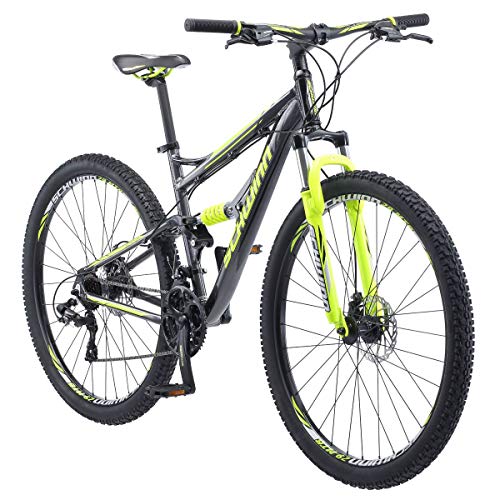


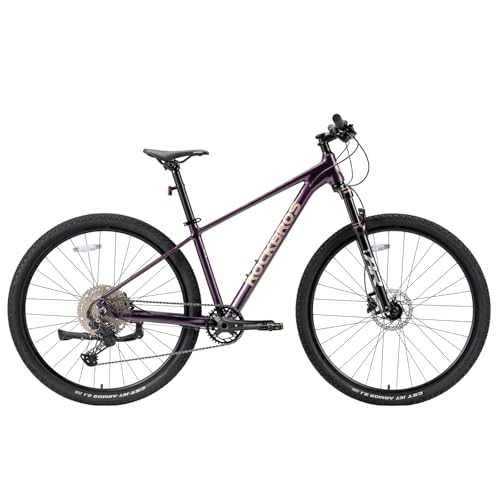
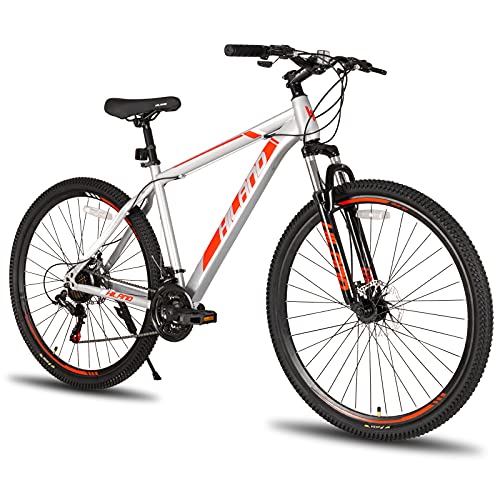
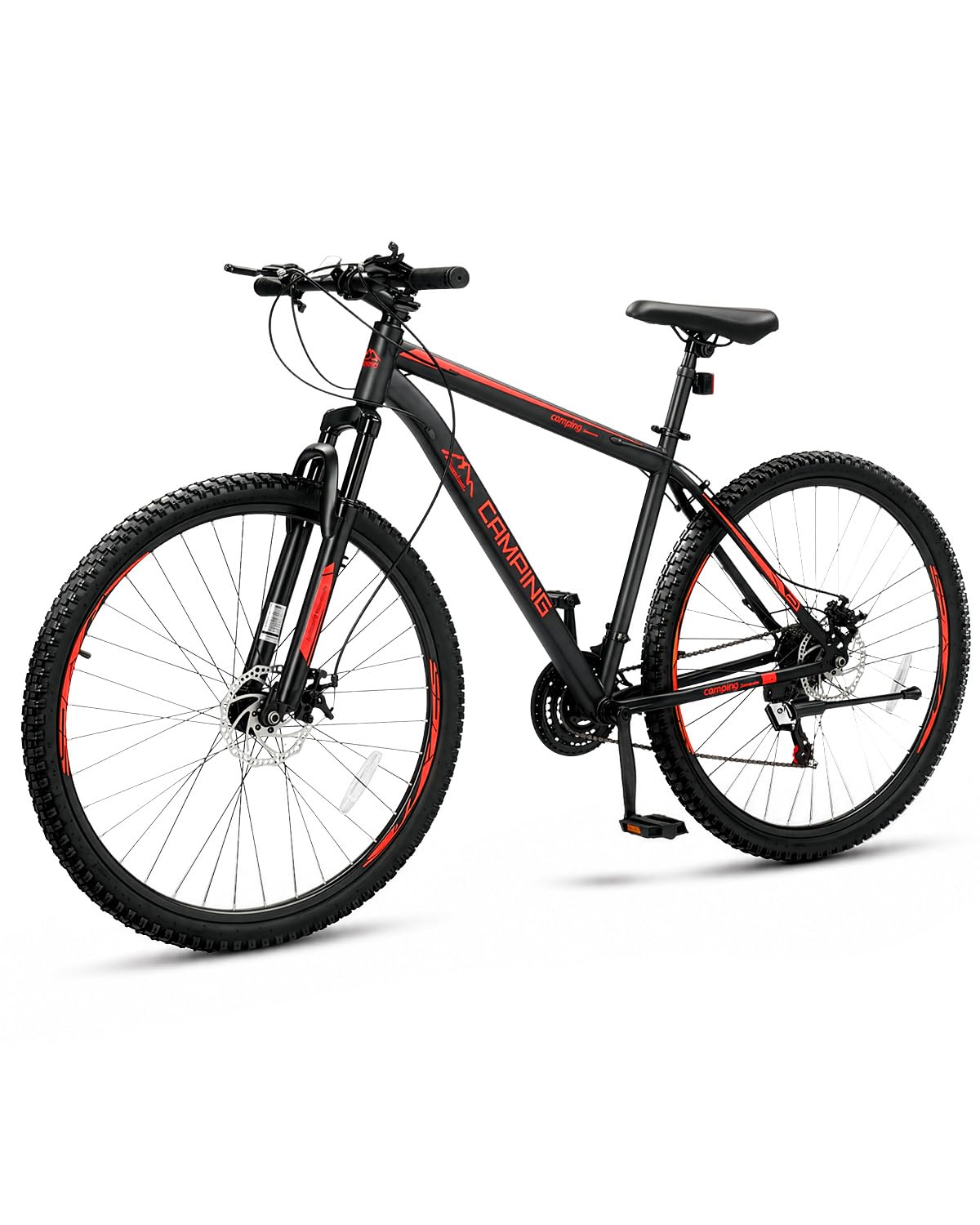


What 29 Inch Wheels Do Well
A bigger wheel has a longer contact patch and a gentler angle against obstacles, so it carries momentum across bumps instead of stopping against them. Riders notice smoother descents, better traction when climbing on loose ground and a more stable feel at speed. For beginners, that stability builds confidence quickly, since the bike forgives small mistakes in line choice.
Where 29 Inch Wheels Ask for Compromise
Larger wheels are heavier and slower to turn in tight corners. Shorter riders may find the bike harder to maneuver, especially on small frames, because the wheel can sit close to the rider's front foot during slow turns. In tight, twisty trails, a smaller wheel can feel quicker and easier to flick around. If you are under about five feet five inches, check the frame size and standover height carefully, or consider a smaller wheel size.
Who Should Choose a 29 Inch Bike
- Taller riders, who fit the frame sizes and often find the geometry more natural.
- Beginners who want a stable, forgiving bike for gravel roads and easy trails.
- Riders who mix commuting with trail riding and want rolling efficiency.
- Anyone riding bumpy or rooty ground where momentum matters.
Frame Material and Fit
Aluminum frames keep weight down and resist rust, so they are the sweet spot for a budget bike. Steel frames are tougher but heavier. Frame size matters more than almost anything: a bike that is too big or too small is uncomfortable and harder to control. Compare the size chart with your height and inseam, and sit on the bike if you can before riding.
Suspension: Hardtail or Full Suspension
Hardtails have a fork up front and a rigid rear, which keeps cost and weight low and makes upkeep simple. Full suspension bikes add rear shock comfort, but at a low price the shock tends to be basic and heavy. For most affordable bikes, a hardtail with a decent fork gives better value. Look for lockout on the fork if you ride on pavement as well.
Brakes, Gears and Tires
Disc brakes stop better in wet or muddy conditions than rim brakes, and even mechanical discs are a big upgrade over basic rim brakes. Seven to twenty-one speeds are enough for most riders. Check the tires too: wide knobby tires grip well off road but roll slower on pavement. If you mostly ride paths and gravel, a tire with a tighter tread is a better match.
Where to Save and Where to Spend
Save on style, extras like built in lights and a bell. Spend on the frame fit, brakes and the fork, because those parts affect safety and comfort directly. Plan for a helmet, a good pump, a lock and a basic tool kit in your budget as well. A bike that arrives partly assembled may need a tune up, so budget for a shop check if you are not comfortable adjusting brakes and gears.
Setup and Early Maintenance
Before the first ride, check that the wheels are secure, the brakes engage firmly and the handlebar and seat are tight. Adjust the seat height so your leg is almost straight at the bottom of the pedal stroke. Keep tires at the pressure printed on the sidewall, lube the chain often and wipe the bike down after muddy rides. A little care in the first few weeks catches loose bolts and cable stretch early.
Choosing a Frame Size on 29 Inch Wheels
Because the wheels are large, frame size matters more than it does on smaller bikes. As a rough guide, riders around five feet seven to five feet ten inches often fit a medium frame, while taller riders move to large or extra large. Compare the maker size chart against your height and inseam instead of relying on the size label alone. You should be able to stand over the top tube with an inch or two of clearance, reach the handlebar with a slight bend in your elbows and keep a small bend in your knee at the bottom of the pedal stroke.
If you are between sizes, the smaller frame is usually easier to control on twisty trails, while the larger one feels steadier at speed. Check that the saddle and stem can be adjusted to fine tune the fit.
Tires and Pressure for Trail Use
Most 29 inch mountain bikes come with tires around 2.1 to 2.4 inches wide. Wider tires grip and cushion better on loose dirt, and narrower ones roll faster on hardpack. Run lower pressure for grip on rough trails and a little more on pavement, staying inside the range printed on the tire sidewall. Heavier riders usually need slightly more pressure to protect the rims. Check the pressure every week, since bike tires lose air steadily and a soft tire is the most common cause of pinch flats.
Frequently Asked Questions
Is a 29 inch mountain bike too big for me?
It depends on your height and the frame size. Riders of average height and taller usually do fine, while shorter riders should check the standover height.
Are 29 inch wheels faster?
They carry speed well on rough ground and feel efficient once rolling, but they accelerate a bit slower than smaller wheels.
Can I use a 29 inch bike for commuting?
Yes, especially with tires that have a smoother tread. Add a rack and fenders if you plan to ride daily.
Do I need front suspension?
For trails and bumpy roads, it helps with comfort and control. For smooth paths, a rigid fork is simpler and lighter.
Final Thoughts
The best affordable 29 inch mountain bike gives you smooth rollover, a frame that fits and brakes you can trust. Check the size chart, choose a hardtail unless you ride rough trails, and keep money aside for safety gear. For a price tier view of the same bikes, compare with the best affordable 29er mountain bike guide, then use the table to choose.


