Best Aerator Shoes 2026: A Practical Buying Guide
Disclosure: We may earn a commission when you buy through links on this page, at no extra cost to you. As an Amazon Associate I earn from qualifying purchases. Learn more

Choose aerator shoes for lawn care by spike length, sole stability, strap security, and comfort. Safe use and practical lawn care guidance included.
Aerator shoes let you punch holes in a lawn simply by walking, which helps air, water, and nutrients reach grass roots. The best aerator shoes stay secure, feel stable, and suit your lawn size and soil type. The comparison table below will help you compare the main options side by side.
This guide covers spike design, sole stability, strap fit, and safe use for lawn care. It explains when aerator shoes help, when they fall short, and how to use them without damaging your lawn or yourself.
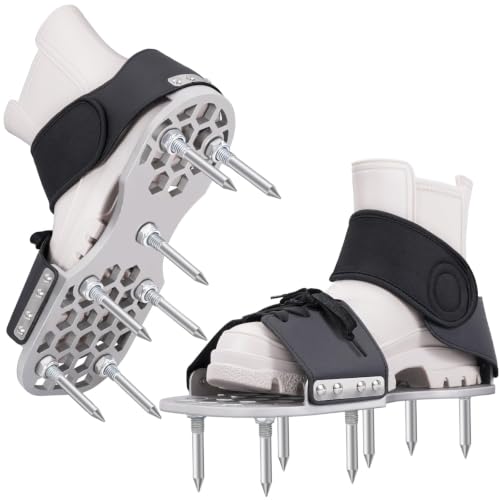


Who Should Buy Which Type
For Small Lawn Owners
Small lawn owners need a simple, affordable way to aerate compacted patches without renting machines. Aerator shoes suit small areas and spot treatment well. They work best on soft, moist soil after rain or watering.
For Gardeners with Compacted Soil
Gardeners dealing with foot traffic, clay soil, or thin grass need regular aeration to help roots breathe. Aerator shoes offer a low cost, frequent option between deeper machine aerations. They suit maintenance, not full renovation of badly compacted lawns.
For Budget Conscious Lawn Care
Budget conscious owners want aeration without rental fees or service costs. Aerator shoes cost little and store easily. They demand walking time and care, so they suit owners who enjoy hands on lawn work.
Types Compared
Strap On Aerator Shoes
Strap on aerator shoes fit over your existing shoes with adjustable straps and a spiked sole plate. They are affordable and easy to store. They can shift during use if straps loosen, so fit and tightening matter.
Built In Aerator Shoes
Built in aerator shoes integrate spikes into a dedicated shoe, giving a more stable, shoe like fit. They suit frequent users who want better control. They cost more and take up more storage space.
Spike Sandal Style Aerators
Spike sandal style aerators use a sandal base with spikes, offering breathability and easy wear in warm weather. They suit light aeration on soft lawns. They offer less ankle support and protection than shoe style models.
Heavy Duty Aerator Shoes
Heavy duty models use longer, sturdier spikes and stronger plates for tougher soil and larger areas. They suit clay soil and regular use. They weigh more and need more care to avoid lawn damage on soft turf.
Key Features to Compare
Spike Length and Material
Spike length decides aeration depth, while material decides durability. Shorter spikes suit maintenance aeration, while longer spikes reach deeper compaction. Metal spikes last longer than plastic, but they need care around hard surfaces.
Sole Plate Stability
A stable sole plate keeps spikes vertical and prevents wobbling that strains ankles. A rigid plate with good shoe attachment suits uneven lawns. Flexible plates feel easier at first but can twist under load.
Strap Security and Fit
Straps must hold the aerator firmly to your shoe through many steps, turns, and slopes. Multiple straps and non slip surfaces help. Loose aerators shift, damage lawns unevenly, and create trip hazards.
Comfort and Weight
Aerator shoes add weight and change your gait, so comfort and balance matter over a whole lawn. Padded straps and a balanced plate reduce fatigue. Take breaks on large lawns, and stop if ankles or knees ache.
Lawn Compatibility
Aerator shoes suit small to mid size lawns with soft to moderate soil. Very large lawns, severe compaction, or thick thatch may need a machine aerator for deeper, more even results. Use shoes for maintenance and spot work, not as a cure for every lawn problem.
Safe Use on the Lawn
Water the lawn lightly the day before or after rain, so soil is moist but not muddy, then walk in straight, overlapping rows for even coverage. Lift feet cleanly rather than dragging spikes, which tears turf. Avoid aerating dormant, stressed, or newly seeded lawns until they recover.
Wear sturdy shoes under strap on models, watch for hidden rocks, roots, and sprinkler heads, and keep children and pets away while spikes are on. Remove aerator shoes before walking on driveways, decks, or indoors, since spikes damage hard surfaces and floors. Store spikes covered and out of reach.
Care and Maintenance
Clean soil off spikes and plates after use, dry them fully, and oil metal spikes lightly if the maker recommends it to prevent rust. Check straps and fasteners for wear before each use. Replace worn straps promptly, since a failed strap mid lawn is both annoying and unsafe.
Store aerator shoes in a dry place with spikes protected, away from children and pets. Inspect plates for cracks and spikes for bending after rocky use. A damaged plate can aerate unevenly and strain ankles, so replace it rather than forcing it.
Mistakes to Avoid
- Aerating dry, hard soil, which gives shallow holes and strains ankles.
- Wearing loose strap on aerators that shift and tear turf.
- Walking on driveways or indoors with spikes on, damaging surfaces.
- Expecting aerator shoes to fix severe compaction that needs machine aeration.
A Final Check Before You Order
Before you order, confirm spike length, plate stability, strap security, and fit against your lawn size and soil type. Check that your shoes fit strap on models securely. These checks matter more than spike count alone.
The related guides linked below cover nearby lawn aeration options, including manual aerators and lawn aerator shoes, so you can compare depth and coverage. Read them with your lawn in mind, and shortlist the shoes that fit securely and aerate evenly. Related guides: best lawn aerator shoes, best manual lawn aerators, best lawn core aerator.
Frequently Asked Questions
Do aerator shoes really help a lawn?
They can help small, mildly compacted lawns by opening holes for air, water, and nutrients. They work best on moist soil with regular, overlapping passes. Severely compacted lawns or large areas usually benefit more from a machine core aerator. Core aerators remove soil plugs, which helps thatch breakdown more than spike shoes alone can achieve.
When is the best time to use aerator shoes?
Aerate when grass is actively growing and soil is moist, typically in spring or fall for cool season lawns. Avoid dormant, drought stressed, or newly seeded lawns. Water lightly beforehand if soil is dry and hard. Fall aeration suits cool season lawns well, since grass recovers strongly before winter dormancy.
How deep should aerator spikes go?
Spike length sets depth, with maintenance aeration often in the shallow to mid range. Deeper is not always better, since very deep holes in soft turf can damage roots. Match spike length to your soil and lawn condition, not to the longest available. Shorter spikes suit sandy soils, where deep holes collapse quickly and add little benefit.
Are aerator shoes safe to walk in?
They change your gait and add trip risk, so walk slowly, watch your footing, and take breaks. Wear sturdy shoes underneath strap on models and avoid slopes and obstacles. Stop if ankles, knees, or back ache, and keep spikes away from children and pets. Clean spikes between sections too, since clogged spikes punch unevenly and tear turf instead.
How do I clean aerator shoes after use?
Knock off loose soil, wash plates and spikes, dry fully, and store with spikes protected. Oil metal spikes lightly if recommended to prevent rust. Check straps and plates for wear before the next use. Store shoes with spike covers on, since exposed spikes damage floors and pose a hazard to children.
Lawn Care Beyond Aeration
Aeration helps lawns, but it works best alongside mowing, watering, and feeding habits. Mow at a healthy height, water deeply but less often, and leave clippings where practical to feed soil. Aeration opens the door, while good habits keep the lawn healthy through it.
Overseed thin patches after aerating, since holes give seeds soil contact and protection. Choose seed suited to your climate and sun levels, and water gently until seedlings establish. Aeration plus overseeding transforms thin lawns faster than either step alone.
Watch soil health over seasons, since compacted soil returns if traffic patterns never change. Vary mowing paths and play areas where possible, and top dress with compost now and then. Healthy soil resists compaction better than tired soil.
Finally, be patient with lawn recovery, since grass responds over weeks, not days. Aerate at the right season, support growth with water and care, and judge results after a full growing period. Steady lawn care beats dramatic one time fixes.
For best results, mark out your lawn into sections and aerate one section at a time, keeping rows straight and evenly spaced rather than wandering randomly across the grass. Section work gives even coverage, lets you rest between sections, and makes it easy to see which areas still need attention before you finish. After aerating, water lightly and keep foot traffic off freshly aerated patches for a day or two where possible, so holes stay open and grass recovers quickly instead of being pressed closed again immediately.
Final Thoughts
Secure fit, stable plates, and the right spike length for your soil, and the best aerator shoes for your lawn will be the ones you actually use regularly. The product table above gives a useful starting point, but your lawn size and soil should make the final call.
Order only after you have confirmed strap fit with your shoes and spike length for your soil, and aerate when grass is growing and soil is moist. Regular, careful aeration beats occasional aggressive passes.