
Best Adventure Sandals 2026: A Practical Buying Guide
Disclosure: We may earn a commission when you buy through links on this page, at no extra cost to you. As an Amazon Associate I earn from qualifying purchases. Learn more

Choose adventure sandals for hiking, water, and travel by grip, support, straps, and durability. Practical fit and care guidance for rough terrain.
Adventure sandals must handle trails, water crossings, and long days without the bulk of a boot. The best adventure sandals combine grippy soles, supportive footbeds, and straps that stay secure when wet and dusty. The comparison table below will help you compare the main options side by side.
This guide covers sole grip, arch support, strap systems, and durability for hiking, travel, and water use. It is written for first time buyers who want one sandal that truly handles adventure, not just a casual summer shoe.


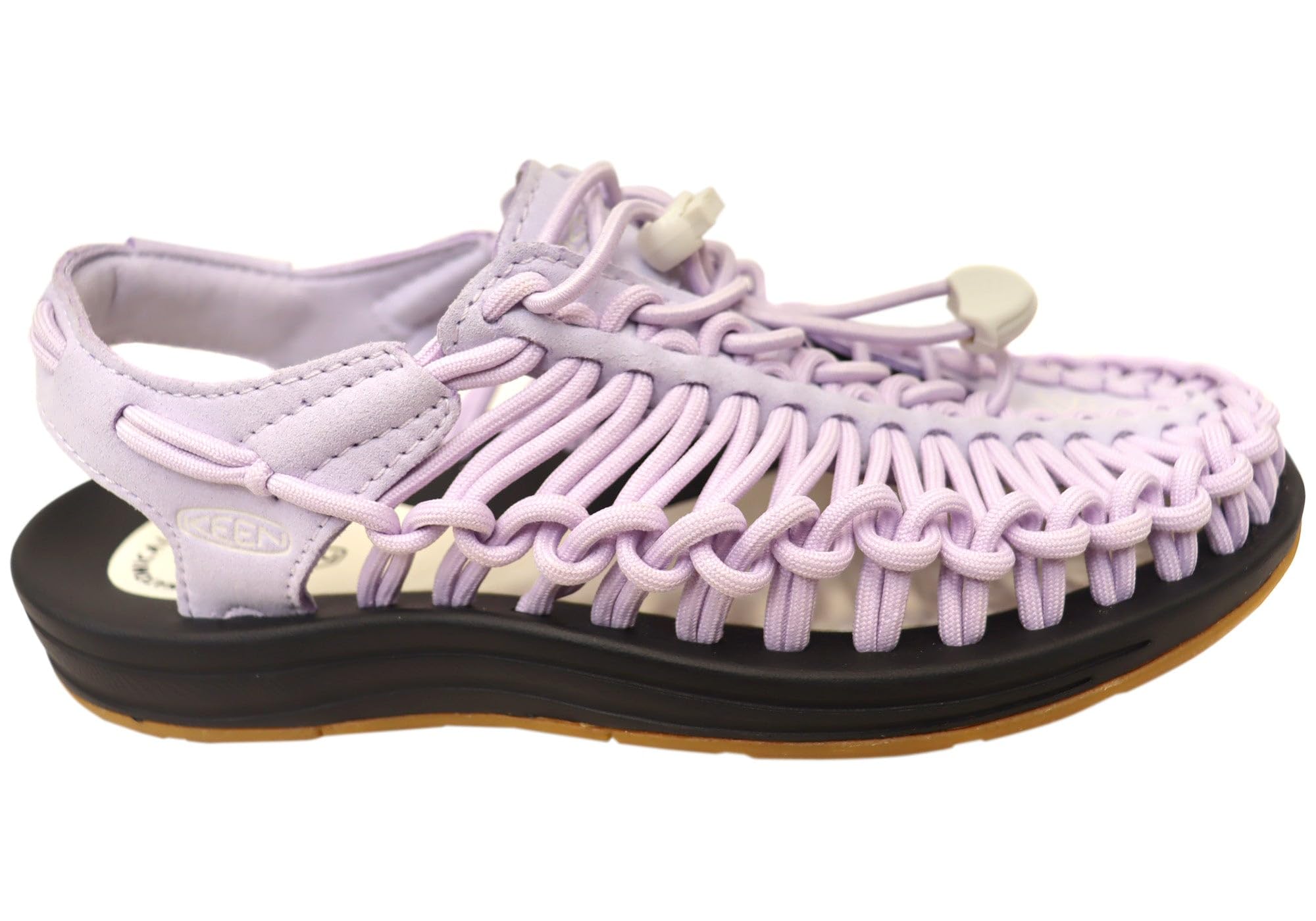


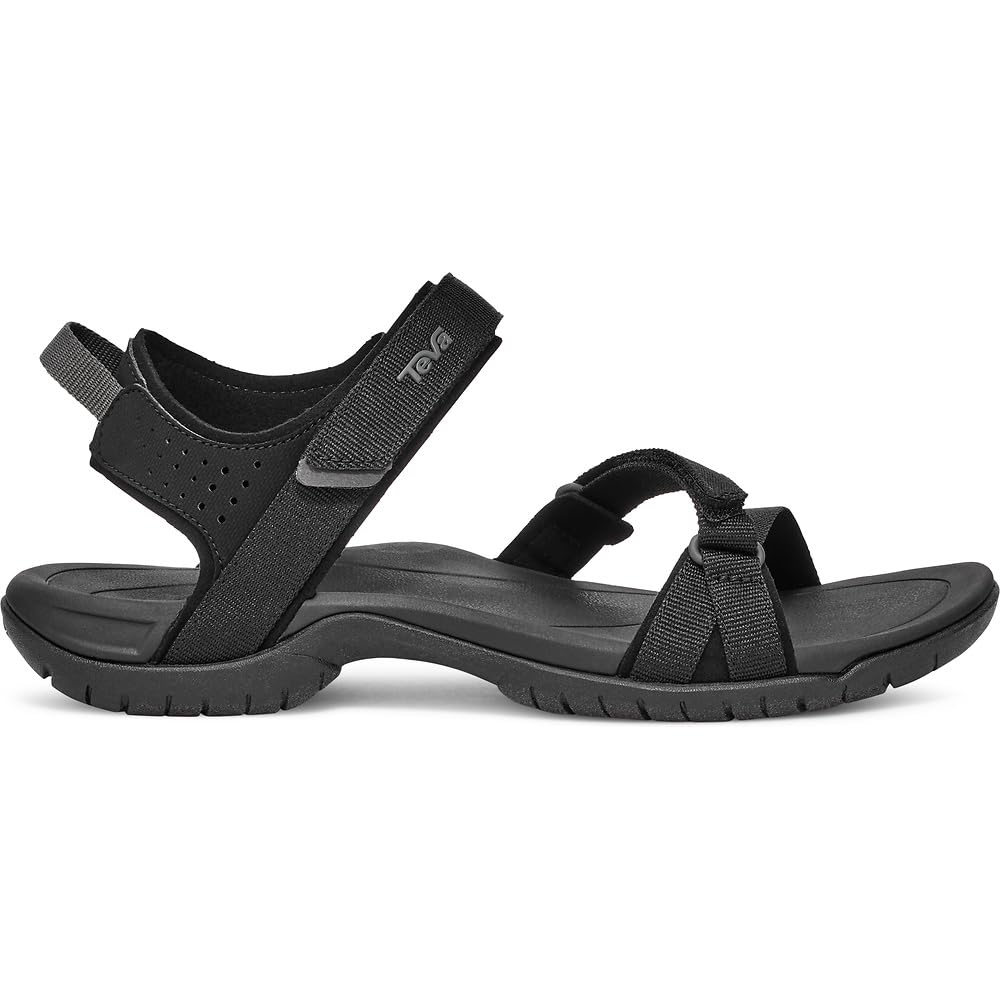

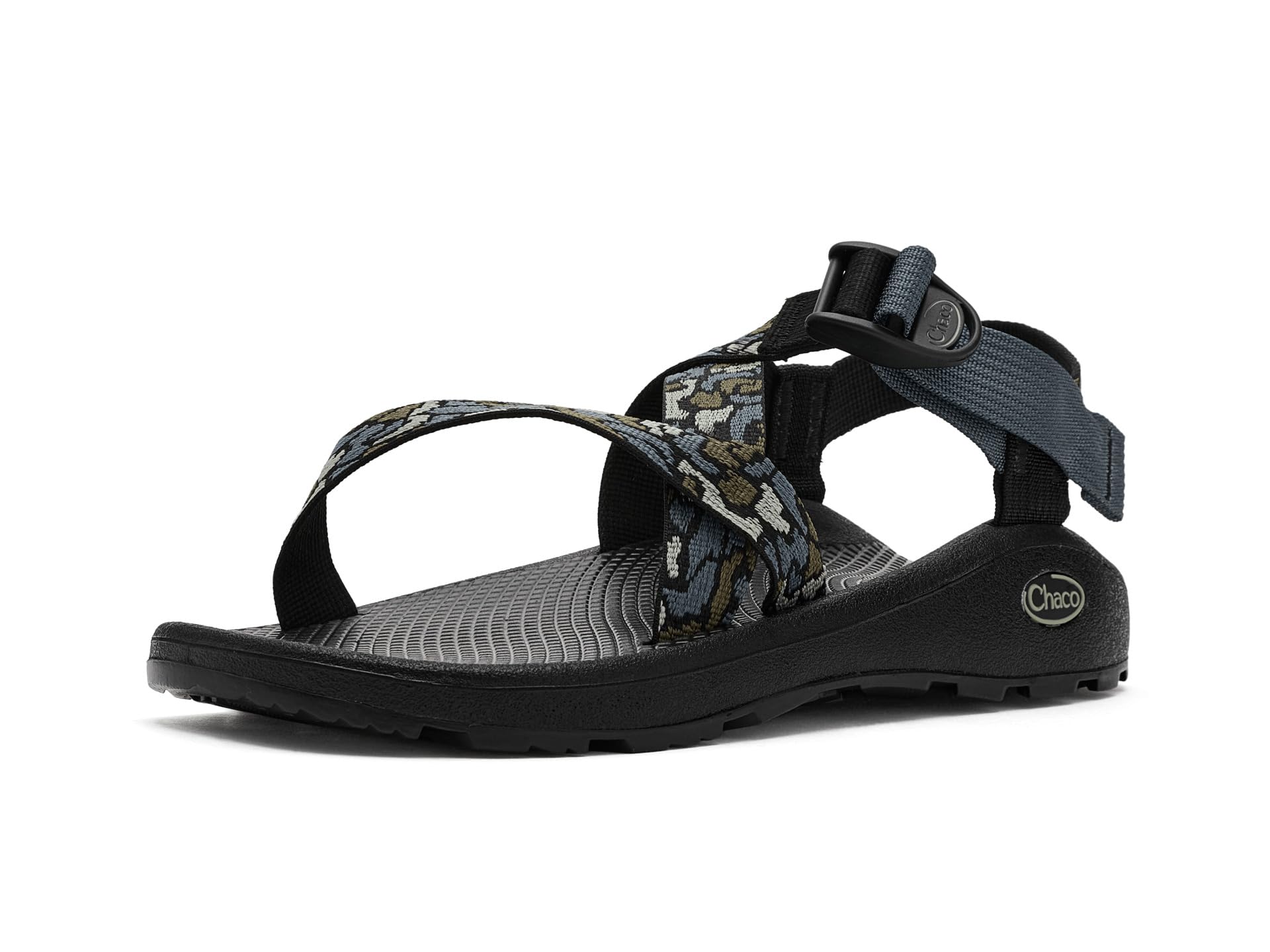
Who Should Buy Which Type
For Hikers and Trail Walkers
Hikers need sandals with trail grip, arch support, and straps that lock the foot on uneven ground. A contoured footbed and a sturdy sole matter more than light weight alone. Test sandals on slopes and loose surfaces before a long hike.
For Travelers
Travelers need sandals that pack light, dry fast, and handle city walking, beaches, and light trails in one pair. Versatility matters more than extreme grip. A sandal that looks decent in town and performs on trails saves packing space.
For Water and River Users
Water users need quick drying materials, drainage, and grip on wet rock and riverbeds. Straps must stay secure when wet, and soles must grip slippery surfaces. Closed toe options add protection on rocky bottoms.
Types Compared
Sport Sandals
Sport sandals use adjustable straps, contoured footbeds, and grippy soles for active use. They suit hiking, travel, and water in one package. They are the default adventure sandal for most buyers.
Hiking Sandals
Hiking sandals add tougher soles, deeper tread, and more structured support for rough trails. They suit longer hikes and heavier loads. They weigh more than light sport sandals, but they protect feet better.
Water Adventure Sandals
Water adventure sandals use fast drying materials, drainage channels, and wet grip soles. They suit rivers, beaches, and boat decks. They may offer less arch support than hiking models, so check footbed design.
Minimal Adventure Sandals
Minimal sandals use thin, flexible soles for a close to ground feel and light packing. They suit experienced hikers with strong feet and short to moderate distances. They offer less protection and cushioning than structured models.
Key Features to Compare
Outsole Grip and Tread
Outsole grip must hold on dirt, rock, wet surfaces, and loose gravel. Deep, spaced lugs shed mud, while sticky rubber grips rock. Match tread to your most common terrain, since no single pattern excels everywhere.
Footbed Support and Arch
A contoured footbed with arch support reduces fatigue on long days and helps feet stay aligned. Flat, soft footbeds feel easy at first but can tire feet over distance. Try sandals on a long walk, not just standing in a shop.
Strap System and Adjustability
Straps must adjust at forefoot, midfoot, and heel to lock the foot without pressure points. Multiple adjustment points suit varied foot shapes and swelling during the day. Straps that loosen when wet cause blisters and slips.
Durability and Materials
Adventure sandals face water, sun, dust, and abrasion, so materials and stitching must hold up. Check sole bonding, strap anchors, and buckle quality. A sandal that fails on a trail far from help is worse than a heavier, tougher pair.
Weight and Packability
Weight matters on long hikes and in luggage, but very light sandals often sacrifice support and durability. Balance weight against protection and grip for your use. A sandal that packs flat can still be sturdy if materials are well chosen.
Fitting Adventure Sandals
Fit sandals with bare feet or your usual hiking socks, adjusting straps so the foot sits centered on the footbed without overhang. Walk slopes and uneven ground to test heel hold and toe clearance. Straps should feel secure without digging in, and feet should not slide forward on descents.
Break sandals in with shorter walks before a long hike or travel day, and adjust straps as feet swell. Carry blister care on early outings, since new straps can rub in new spots. If pain persists, try different strap adjustments or a different footbed, and talk with a clinician if foot pain continues.
Care and Maintenance
Rinse sandals after water, mud, and sand use, and dry them in shade away from direct heat. Clean footbeds to control odor, and check straps and buckles for wear. Grit trapped under straps causes blisters, so rinse thoroughly after dusty trails.
Inspect soles for wear and strap anchors for fraying before big trips. Replace sandals when grip fades, footbeds flatten, or straps no longer hold securely. Worn adventure sandals lose the very support and grip that make them safe.
Mistakes to Avoid
- Choosing casual sandals with flat footbeds for rough trails.
- Ignoring strap adjustability, then suffering slips and blisters.
- Picking the lightest sandal, then lacking support on long days.
- Skipping break in before a long hike or travel day.
A Final Check Before You Order
Before you order, confirm grip type, footbed support, strap adjustability, durability, and fit against your trails and travel plans. Test on slopes and uneven ground where possible. These checks matter more than style or weight alone.
The related guides linked below cover nearby sandal choices, including options for men and for foot support, so you can compare straps and footbeds. Read them with your adventures in mind, and shortlist the sandals that stay secure and supportive. Related guides: best men's adventure sandals, best sandals for plantar, best sandals for guys.
Frequently Asked Questions
Can adventure sandals replace hiking shoes?
For light to moderate trails in warm weather, good adventure sandals can work well. Rough, rocky, or cold trails still favor hiking shoes for toe protection and ankle support. Match footwear to trail difficulty, weather, and your comfort with open footwear. Boots still win for ankle protection on scree and in cold weather, where sandals leave feet exposed.
How should adventure sandals fit?
Feet should sit centered on the footbed without overhang, with straps secure but not digging in. Heels should stay put on slopes, and toes should not slide forward on descents. Try them on varied ground, not just flat shop floors. Adjust straps after the first mile too, since feet settle and straps loosen with initial movement.
Are adventure sandals good for water crossings?
Many are, if they use quick drying materials and wet grip soles. Straps must stay secure when wet, and drainage should keep shoes light. For rocky riverbeds, closed toe options protect better than open sandals. Closed toe sandals protect toes on rocky river crossings, where open sandals invite stubbed toes.
How do I prevent blisters from sandal straps?
Fit straps evenly, break sandals in gradually, and keep feet and straps clean of grit. Tape hot spots early before they blister. If one strap always rubs, try different adjustments or a model with a different strap layout. Sock liners under sandals reduce friction on long days, though they look unusual to some hikers.
How long do adventure sandals last?
It depends on miles, terrain, and water exposure. Soles wear, footbeds flatten, and straps fray over time. Replace sandals when grip fades, support flattens, or straps fail to hold, rather than by age alone. Resoling is rarely practical for sandals, so judge replacement by sole wear rather than upper appearance.
Packing Sandals for Travel
Adventure sandals earn their place in luggage only when they handle many uses well. Before packing, test them for city walking, light trails, and water, since a travel sandal must do all three. One versatile pair beats two specialist pairs in a small bag.
Pack sandals where they protect other gear, with straps secured so buckles do not snag clothes. A simple stuff sack keeps sand and grit contained after beach days. Clean sandals before packing them with clean clothes, since trail dust travels easily.
Plan for wet days by packing a second pair of socks or a light backup shoe if space allows. Wet sandals dry overnight in most climates, but humid rooms slow drying. A backup option keeps travel comfortable when sandals stay damp.
Finally, break sandals in before travel, not during it, since new straps on a travel day guarantee blisters. Walk in them for a week at home first. Comfortable, proven sandals make travel days far more enjoyable.
Test adventure sandals on a full day that mixes walking, standing, and a short water crossing, since sandals that feel fine for an hour can rub badly by hour five. Pay attention to strap pressure as feet swell in heat, to footbed grip when wet, and to whether toes slide forward on downhills after several miles. A full day trial at home, before a trip or a big hike, exposes the small discomforts that become major problems far from home, and it gives you time to adjust straps or choose differently.
Final Thoughts
Grip, support, and straps that stay secure wet or dry, and the best adventure sandals for your trips will be the ones that handle trails, water, and towns without fuss. The product table above gives a useful starting point, but your adventures should make the final call.
Order only after you have tested fit on slopes and uneven ground where possible, and break new sandals in gradually. If foot pain persists, talk with a clinician rather than pushing through it.


