
Best Adventure Riding Boots in 2026: Matching the Right Boot to Your Routine
Disclosure: We may earn a commission when you buy through links on this page, at no extra cost to you. As an Amazon Associate I earn from qualifying purchases. Learn more

Match the best adventure riding boots to your riding with a use case guide to protection, waterproofing, grip, fit, and price bands, plus mistakes to avoid.
Adventure riding mixes paved miles, gravel tracks, bad weather, and walking around camp in a single trip, so no one boot suits every rider. The best adventure riding boots for a wet daily commute look different from the pair that suits dry desert tracks, and the honest starting point is your routine, not a feature list. The product table shows a range of boot styles side by side once you know which routine is yours.
Understand the class before the details. An adventure boot is a mixed surface class: it trades some of the protection of a full off road boot against the walking comfort of a touring boot, and that trade is the purchase. Its armour, toe, and ankle classes are coverage classes, and no boot class promises an uninjured foot or ankle, so buy the coverage your riding actually risks.
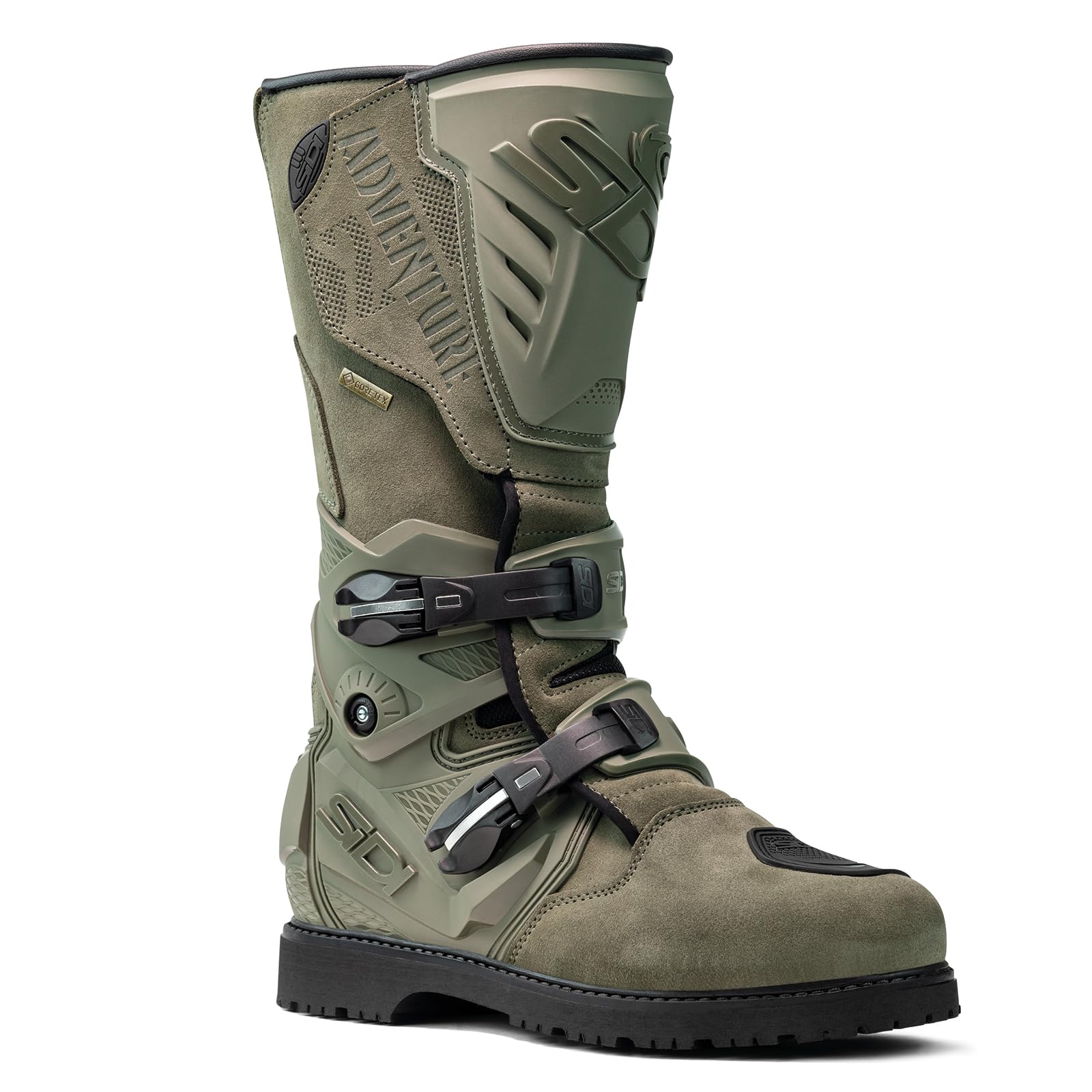

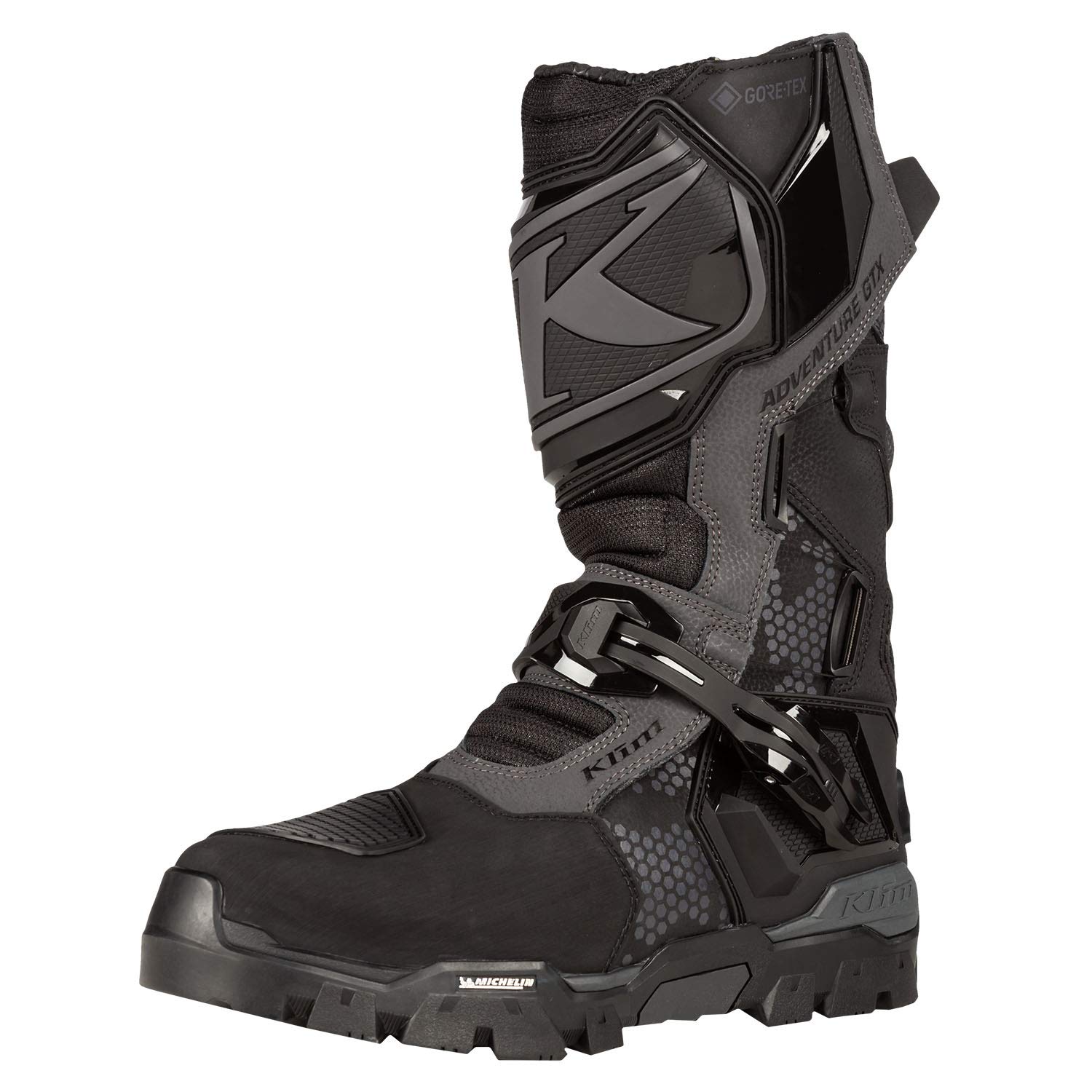

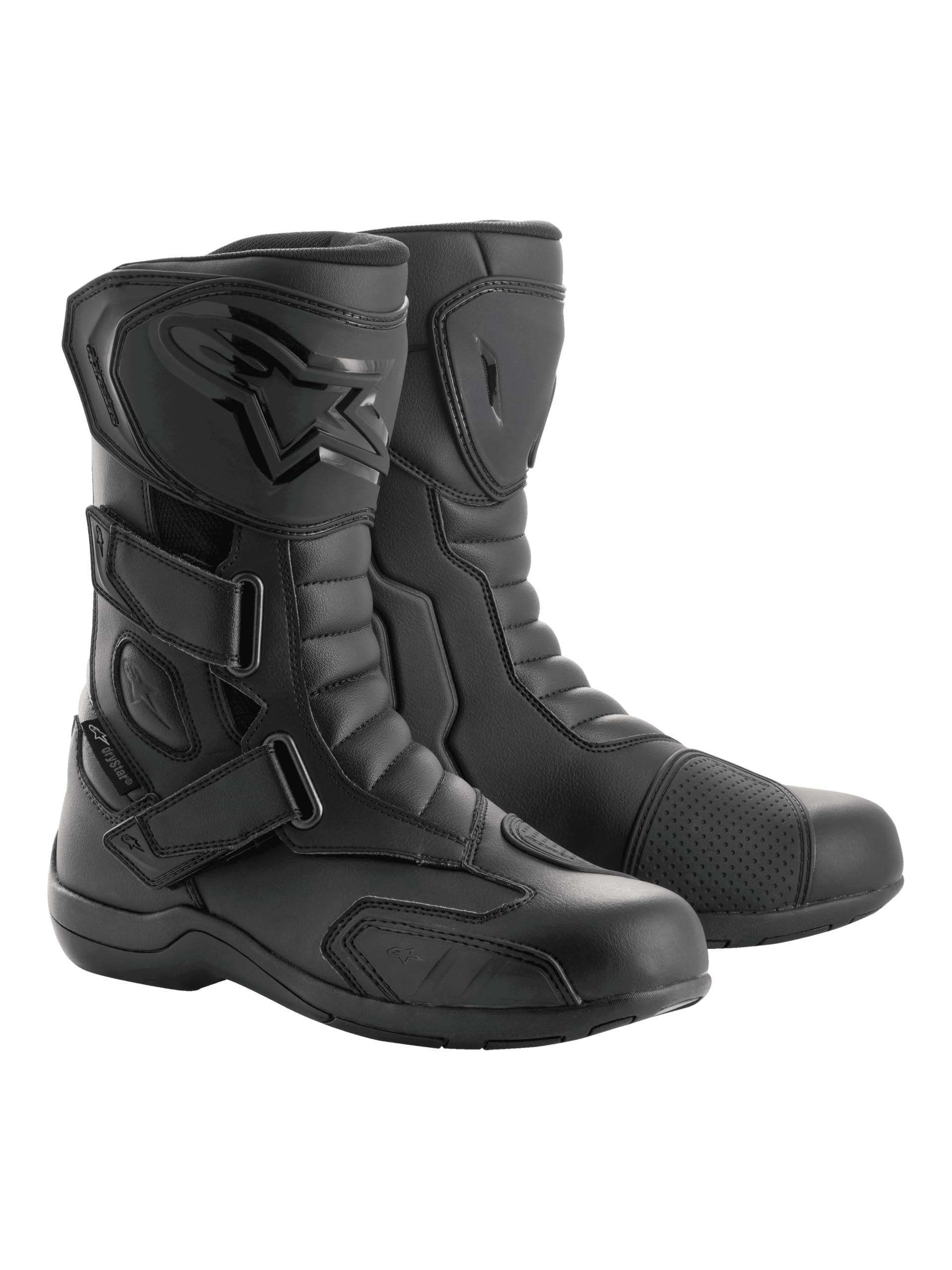


Who Should Buy Which Adventure Riding Boots?
Match the boot to the riding you do most, not the hardest trip you might take once a year. Choosing the best adventure riding boots for your routine means weighing weather, terrain, and walking time before price. This guide covers motorcycle boots; best horse riding boots is an equestrian category built for stirrups rather than pegs, and it follows different fit and safety rules. If your riding never leaves the pavement, the road only classes in our guide to best motorcycle riding boots will likely suit you better.
For Bad Weather and Tough Conditions
Wet weather riders need height and sealing first. A tall shaft with a gusseted tongue keeps road spray and shallow crossings out, and a waterproof membrane handles steady rain. Look for closures you can work with gloves on, soles with real lugs for slick fuel stops, and materials that shrug off road salt. Expect to pay more here, and expect the boots to run warm in summer.
For Weekend Beginners
New adventure riders do best with a mid height boot that bends at the ankle and fastens simply. Full race stiffness and tall motocross height punish beginners at walking pace and in parking lots, which is where new riders spend their slow speed time. A softer sole, modest armour, and a price around the entry band leave budget for the rest of your kit while skills build.
For Frequent or Serious Users
High mileage riders should shop for serviceability as much as protection. Replaceable soles, buckles, and shin plates stretch one purchase across many seasons, and stronger ankle and toe coverage earns its weight on rough tracks. Strong warranty support matters at this level, because a boot worn two hundred days a year will need parts. Buy once, maintain the pair, and replace wear items as they go.
Key Features to Compare
The six factors below are the ones that change how an adventure boot rides and walks.
Fit, Sizing, and Toe Box
Fit decides everything else, and the wider best riding boots category follows the same basics. Measure both feet late in the day, wearing your riding socks, because feet swell with heat and miles. The toe box should let your toes lie flat and spread under load, while the heel stays held when you walk. If the heel lifts with every step, the size is wrong, no matter how good the length feels.
Break In Period and Comfort Out of the Box
A protective boot is built stiff, so some break in is normal. Leather and reinforced panels soften over the first few rides, and flex points crease where your ankle bends. Wear new boots around the house and on short rides before a long trip. Pressure that fades as materials relax is break in; a hot spot that grows sharper each ride is a fit problem, and more miles will not fix it.
Outsole Traction and Terrain
The sole has two jobs that pull against each other. Deep lugs grip mud, gravel, and wet grass when you paddle a heavy bike or walk a slope, while a flatter, firmer patch under the ball of the foot gives feel and grip on the pegs. Soft rubber compounds hold wet pavement better and wear faster; hard compounds last longer and skate sooner on slick surfaces. Match the lug pattern to the ground you actually cross.
Weight and Flexibility
Adventure boots are heavy by design, and every extra ounce is paid for at walking pace. A pair that feels fine on the pegs can feel like ski boots on a rocky overlook if the sole will not flex. If most of your trip is spent on foot, the hiking first models in our guide to best adventure boots trade protection for walkability. Decide your road to walking ratio before you decide the boot.
Armour and Ankle Protection
Look for armour where impacts and twists actually happen: ankle cups on both sides, a reinforced toe box, a heel counter, and a shin plate on taller models. Some boots carry a stated protection rating for motorcycle footwear; a rated boot has passed set impact and abrasion checks, which beats vague claims of extra safety. Coverage only works when it stays in place, so check that straps and buckles hold the armour over the joint as you flex.
Waterproofing and Weather Sealing
A waterproof membrane keeps water out only up to its lining height. Step into a crossing deeper than the top line of the membrane and water enters over the top, then stays inside a boot that now dries slowly. Gusseted tongues and tall shafts raise that line, and sealed seams matter as much as the membrane itself. In hot, dry regions, a vented non waterproof boot can be the smarter buy.
Common Mistakes to Avoid When Buying Adventure Riding Boots
Most buying regrets trace back to one of these:
- Choosing by price alone, then paying twice when the cheap pair wears out in a season.
- Sizing up to fix a tight toe box, which trades pressure for heel lift and blisters.
- Buying full off road stiffness for a routine that is ninety percent pavement.
- Ignoring the closures, then fighting stuck buckles and worn straps within a year.
- Skipping the return policy, even though boot fit cannot be judged in a shop doorway.
Care and Storage Tips
Brush mud off after dirty rides and let wet boots air dry at room temperature, away from direct heat, which cracks leather and weakens glues and membranes. Condition leather uppers once they dry stiff, and stuff tall shafts with newspaper or use boot trees so they stand upright and keep their shape. Check buckles, straps, and sole lugs each season, and resole or repair early rather than after the midsole is gone.
Adventure Riding Boots: Your Questions Answered
Can adventure riding boots be worn all day off the bike?
Yes, mid height adventure boots can handle a full day of sightseeing and camp chores, though tall stiff models will tire your feet on pavement. One use to avoid: driving a car in rigid riding boots dulls pedal feel and can catch on the pedals, so change into other footwear for driving. For walking heavy trips, pick the flexible end of the class.
Do adventure riding boots need to be waterproof in a dry climate?
Not always, and in hot dry regions a vented boot is often the better tool. Membranes block airflow as well as water, so waterproof boots run hot and dry slowly once soaked by sweat or a deep crossing. Dry climate riders who cross dust and heat daily usually get more comfort from ventilation, and can add waterproof socks for the rare wet day.
How long does the break in period for adventure riding boots last?
Plan on several short rides spread over one to two weeks, not a single long day. Leather and panel flex ease gradually, and most boots feel settled after roughly ten to fifteen hours of mixed riding and walking. Synthetic boots change far less with wear than leather ones, so judge their fit almost as final on day one.
How often should adventure riding boots be replaced?
Replace them when the structure goes, not on a schedule. Retire a pair when the lugs wear smooth, the sole separates, straps or buckles stop holding, or the ankle armour cracks. One firm rule: a boot that has taken a hard crash impact should be replaced even when the outside looks fine, because crushed armour and compressed foam do not recover their protection.
Are expensive adventure riding boots worth the cost?
They can be, when the price buys serviceable parts rather than styling. Boots with replaceable soles, buckles, and liners spread one purchase across many seasons, so the cost per season drops below a cheap pair replaced every year or two. If you ride a few weekends a year, that math flips, and a sound midrange boot is the honest buy.
The Bottom Line
Start from your routine, respect the trade at the heart of this class, and fit the boot with your riding socks on. Coverage, sealing, and sole grip only matter in the mix your riding actually uses, and the best adventure riding boots for you are the pair that match that mix without punishing the walking parts of the trip. Use the product table above to compare your shortlist, then order from the seller whose return terms let you try the fit at home.


