Best Adv Motorcycle Boots for 2026: A Clear Buying Guide
Disclosure: We may earn a commission when you buy through links on this page, at no extra cost to you. As an Amazon Associate I earn from qualifying purchases. Learn more

Learn how to choose the best adv motorcycle boots with plain English guidance on protection, fit, grip, waterproofing, and sensible spending levels.
Shopping for best adv motorcycle boots for the first time can feel confusing, because adventure riding asks one pair of boots to do several jobs at once. You need protection on the road, grip on loose ground, and enough comfort to walk around once you stop. This guide starts with the basics and works toward a confident choice. Read through the comparison table below, then use the sections that follow to narrow your shortlist.
Adventure boots sit between road boots and full off road boots. They are usually tougher and taller than a short street boot, yet easier to walk in than a stiff motocross boot. That middle ground is the whole point, so the best choice depends on how much time you spend on pavement, gravel, dirt, and on foot. Keep your own mix in mind as you read, and judge every feature against the riding you actually do.




Adv Motorcycle Boots 101: The Basics
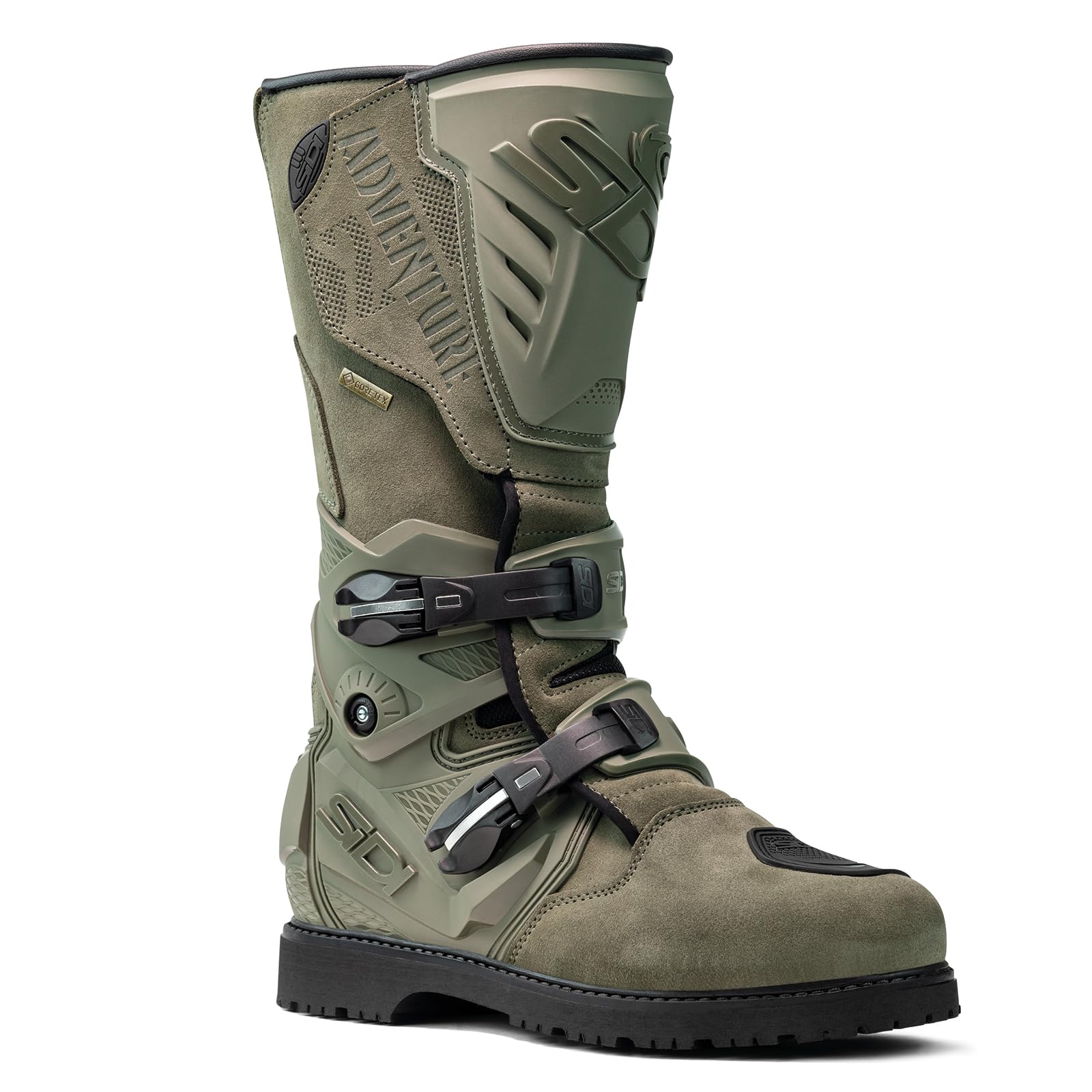
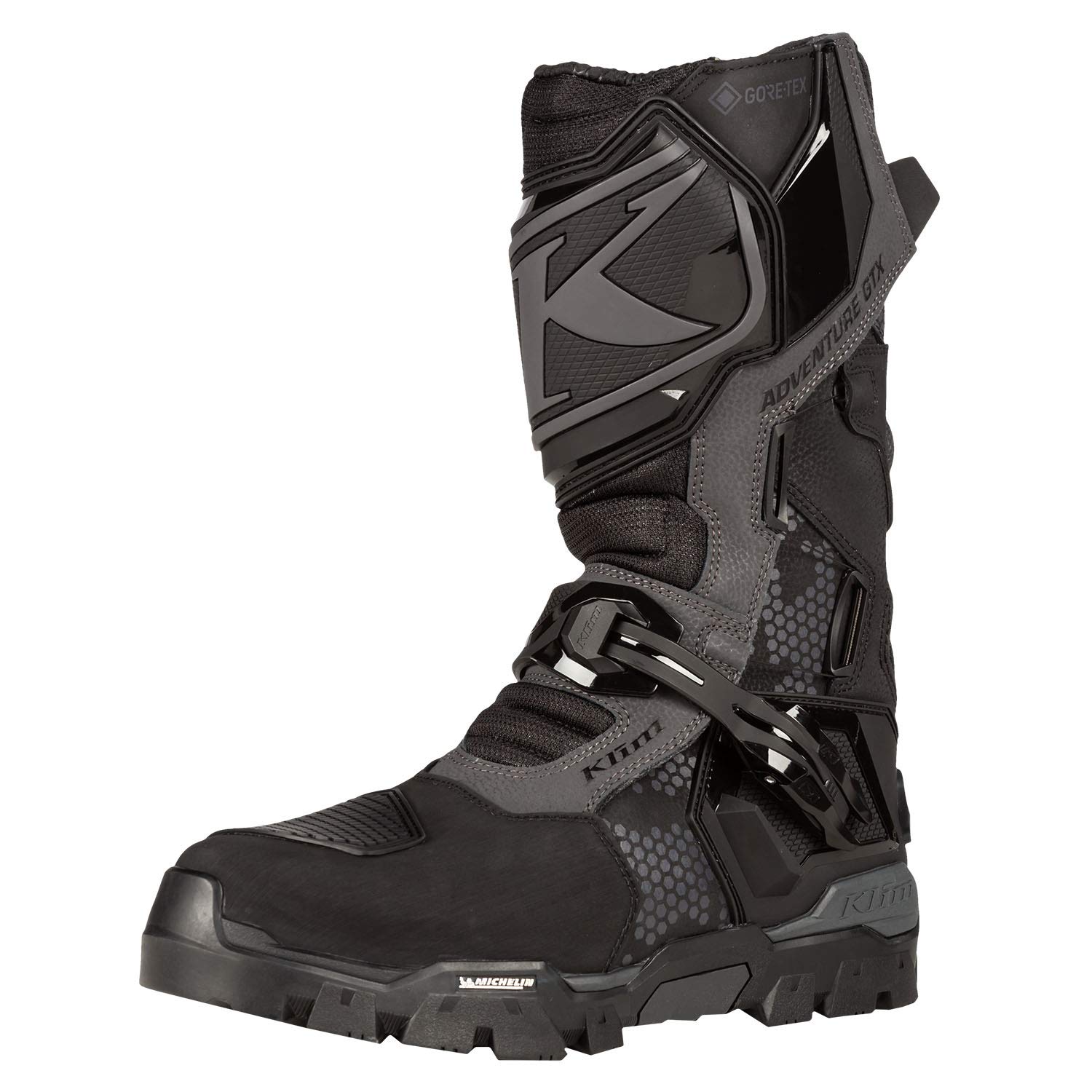
An adventure motorcycle boot is a tall riding boot built for mixed surfaces. It protects your feet, ankles, and lower shins from impacts, abrasion, and flying debris, while giving you a stable platform on the foot pegs. Most designs use a sturdy outer material, reinforced toe and heel areas, ankle protection, and a grippy sole that holds on pegs and on loose ground alike.
For a first time buyer, three ideas matter most. First, protection should cover the ankle bones and the shin, not just the foot. Second, the sole needs grip in both directions, so your foot stays put on the peg and does not slip when you put a foot down on gravel.
Third, fit matters as much as armor, because a boot that pinches or slides around will distract you and tire your feet. If a boot fails on any of these three points, it is probably the wrong boot for adventure riding, no matter how good it looks.
Adventure boots also differ from ordinary work boots or hiking boots in important ways. A hiking boot may be comfortable to walk in, but it usually lacks the ankle armor, shin plate, and shift pad that riding demands. A work boot may be tough, but its sole and ankle support are rarely shaped for peg control.
Riding specific design is what you are paying for, so compare boots on riding features first and walking comfort second. For a broader starting point, see our guide to the best motorcycle boots before narrowing to adventure designs.
What to Compare in the Best Adv Motorcycle Boots
Protection and Ankle Support
Look for molded or padded protection over both ankle bones, a reinforced toe box, a sturdy heel cup, and a shin plate that resists impacts from stones and branches. The ankle area should resist twisting without locking your foot in place, because you still need feel for the shift lever and rear brake. Higher spending levels often add more rigid shin and ankle parts, but even a modest boot should cover the ankle bones fully. Riders comparing shorter adventure footwear can also look at our guide to the best adv boots to compare coverage levels.
Sole Grip and Tread
The sole is your connection to the bike and the ground, so tread pattern deserves close attention. Deep, widely spaced lugs shed mud and grip loose gravel, while a flatter section under the arch helps the boot sit securely on a foot peg. A sole that is too smooth can slip on wet pegs or dusty ground, and a sole that is too soft may wear quickly on pavement. Look for a balance that matches your riding mix, with firmer rubber for mostly road use and more aggressive tread if you often ride dirt tracks.
Waterproofing and Weather Protection
Adventure rides often cross rain, streams, and mud, so water protection is a real decision rather than a luxury. Some boots use a waterproof membrane built into the lining, while others rely on treated outer materials that resist light rain but soak through in heavy downpours. A membrane usually keeps feet drier for longer, but it can also feel warmer in summer heat, so think about your climate. Sealed seams and a gusset behind the closure help keep water out at the weak points.
Fit and Sizing
Adventure boots should fit snugly around the foot and ankle without pinching your toes or cutting off circulation. Try them with the socks you plan to ride in, and walk around indoors for several minutes before deciding. Your toes should have a little room to move, your heel should stay seated when you walk, and the boot should not press hard on your ankle bones.
Sizing varies between makers, so use the maker size chart and measure both feet, since many riders have one foot slightly larger than the other. If you ride in cold weather, allow room for a slightly thicker sock, but avoid a boot so roomy that your foot slides inside it. Riders looking for women specific fit guidance can also read our guide to the best women's motorcycle boots.
Closure and Ease of Use
Adventure boots close with buckles, straps, zippers, laces, or a mix of these, and each system has trade offs. Buckles are quick to adjust with gloves on and let you fine tune tightness over the ankle and shin. Laces give a more even fit but take longer and can work loose unless they are covered or secured.
A side zipper speeds entry but should sit behind a protective flap so it does not become a weak point. Try any closure with gloves on, because fumbling with a fastener at the roadside in cold weather gets old fast.
Weight and Walkability
Weight matters more on an adventure ride than on a short commute, because you may stand on the pegs for long stretches and walk around campsites, fuel stops, and viewpoints. Heavier boots often feel more protective, but they can tire your legs and make shifting feel clumsy. Lighter boots feel more natural to walk in, yet may give up some rigidity. Look for a boot that flexes enough at the ankle for walking while still holding its shape when you press down on a peg.
What Different Budgets Buy You
At a lower spending level, around $100 to $180, you can expect solid basic protection, a durable synthetic or split leather outer, and a grippy rubber sole. Waterproofing at this level is often a treated outer rather than a full membrane, and closures tend to be simpler. These boots suit newer riders and mostly road use, and they are a sensible starting point while you learn what fit and features you prefer.
In the middle range, about $180 to $320, boots usually add better ankle bracing, a waterproof membrane, more refined closures, and soles designed for mixed surfaces. Materials feel more substantial, stitching and reinforcement are more thorough, and walkability often improves. For a more road focused comparison, see our guide to the best motorcycle riding boots.
Above that range, you are paying for advanced protection systems, premium materials, hinged ankle designs, and soles tuned for serious off road use. For most first time buyers, though, a middle range boot offers the best balance of protection, comfort, and value, and you can always step up later once you know your riding style.
Rookie Mistakes to Avoid
- Buying the same size as your everyday shoes without trying the boots with riding socks, which can leave you with pinched toes on a long ride.
- Choosing a boot for looks alone and skipping ankle protection, which leaves the most vulnerable part of your lower leg exposed in a fall.
- Picking an ultra stiff boot for mostly road riding, which makes shifting awkward and walking uncomfortable for no real benefit.
- Ignoring the sole and discovering too late that it slips on wet pegs or wears out quickly on pavement.
- Assuming any tall boot is waterproof, then getting soaked because the boot has no membrane and the closure lets water in.
- Skipping a fit check before each ride, since laces and buckles can loosen and a loose boot protects poorly.
Getting Started: First Fit and First Rides
When your boots arrive, wear them around the house with riding socks to check for pressure points before your first ride. Flex your ankles, crouch as if standing on pegs, and practice shifting motions with your foot to make sure the toe area works with your bike controls. Check fit and tightness before each ride, and recheck buckles and straps after the first few miles, since new boots can settle as they break in.
Never adjust straps, buckles, or laces while riding, because taking a hand off the bars or attention off the road creates a real hazard. Pull over somewhere safe if something needs adjusting. Break boots in gradually with shorter rides before a long trip, and pay attention to any hot spots that could become blisters. Keep to local road rules wherever you ride, and remember that boots are one part of a full set of riding gear, not a substitute for a helmet, gloves, jacket, and riding pants.
Adv Motorcycle Boots: Your Questions Answered
Do Adv Motorcycle Boots Need to Be Waterproof?
Waterproofing is worth having if you ride in rain or cross wet ground often, but it is not essential for every rider. A waterproof membrane keeps feet drier on long wet rides and in stream crossings, yet it adds warmth that some riders dislike in summer. If you mostly ride in dry weather, a water resistant outer with good closure design may be enough, and you can add waterproof overboots for rare wet days. Tall boots with a snug closure keep more water out than short boots.
How Should Adv Motorcycle Boots Fit?
Adv motorcycle boots should feel snug around the foot and ankle, with a little toe room and a heel that stays put when you walk. Your foot should not slide forward when you press down as if braking, and the ankle area should feel supported without painful pressure on the ankle bones. Try boots later in the day, wearing your usual riding socks. If you are between sizes, the larger size with a slightly thicker sock often works better than a tight boot, because tight boots cause numbness on long rides.
How Do I Break In New Adv Motorcycle Boots?
Break in new adventure boots with several short rides rather than one long trip, so pressure points show up before they become painful. Wear them around the house first, flexing your ankles and walking on different surfaces to soften the materials gradually. Leather boots usually soften more than synthetic boots, but both should feel noticeably more comfortable after a few outings. If a spot still hurts after several rides, check whether the fit is wrong rather than forcing yourself to endure it, since a poor fit rarely fixes itself.
When Should I Replace Adv Motorcycle Boots?
Replace adventure boots when the sole tread is worn smooth, the ankle support feels soft or collapsed, closures no longer hold tight, or the outer has cracks or torn seams. Damage from a crash is another clear reason to replace them, even if the damage looks minor, because hidden harm to armor or structure can reduce protection. As a rough guide, heavy use may wear boots out in a few seasons, while occasional riders may get many years from a pair, so inspect them regularly rather than relying on age alone.
What Protection Should Adv Motorcycle Boots Have?
Look for protection over the ankle bones, a reinforced toe and heel, a shin plate, and a shift pad that guards the top of the boot from lever wear. The outer material should resist abrasion, since sliding on pavement or gravel is hard on thin materials. Check that all armor stays in place when you move, because protection that shifts out of position during a fall offers little benefit. No boot can guarantee protection in every crash, so choose the most complete protection you can wear comfortably for your riding.
Final Thoughts
Protection, sole grip, and fit are the three factors that matter most when you compare adventure boots. A boot that covers your ankles, grips well, and fits well will serve you far better than a flashier boot that misses on one of these points. Use the product table above to compare options side by side, then judge each boot against your own mix of road, dirt, and walking. With the right pair, best adv motorcycle boots stop being a confusing purchase and become simply the boots you trust every time you ride.