
The Best Advanced Climbing Shoes: Buying Guide for 2026
Disclosure: We may earn a commission when you buy through links on this page, at no extra cost to you. As an Amazon Associate I earn from qualifying purchases. Learn more

Learn how to choose the best advanced climbing shoes by fit, downturn, rubber, and closure, with clear sizing and care guidance for hard climbs.
Advanced climbing shoes are built for small footholds, steep walls, and precise footwork, and the wrong pair can hold you back or hurt your feet. The best advanced climbing shoes for you depend on your foot shape, the angle of wall you climb most, and how much sensitivity you want under your toes. This guide explains downturn, rubber, closures, and sizing in plain terms so you can narrow the field with confidence. Use the comparison table below to line up shapes and price ranges side by side before you read the detail.
One practical rule guides everything that follows. Fit comes first, features come second, and brand loyalty comes last. A shoe that matches your heel and toe shape will climb better than a more aggressive shoe that leaves dead space inside.


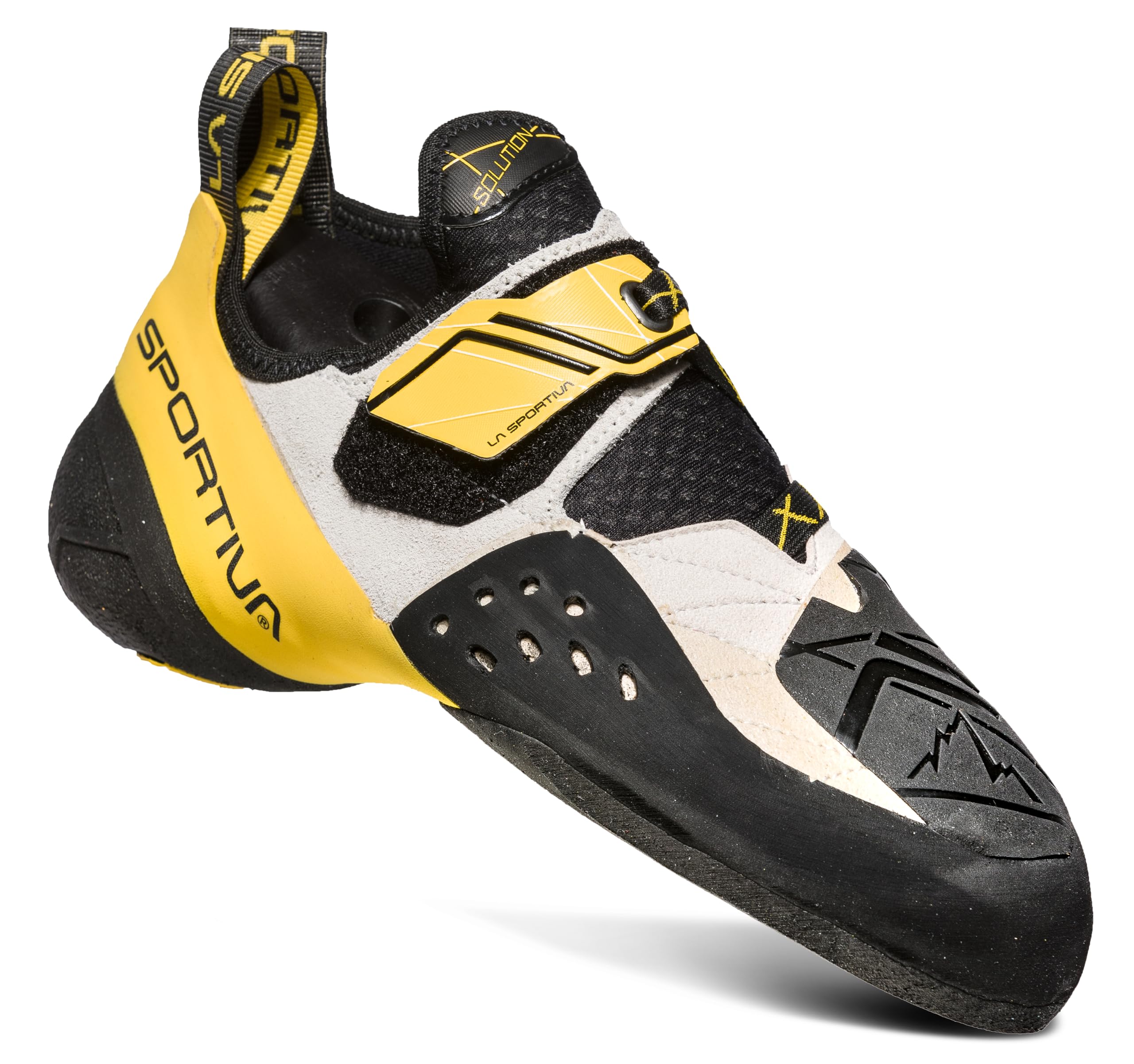


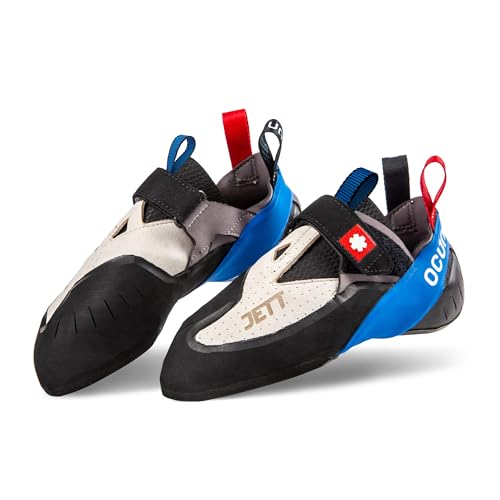
Buying Profiles at a Glance
Instead of chasing a single winner, think in profiles. Most advanced shoes fall into one of three groups below, and matching the group to your climbing saves you money and sore toes. Prices here are general ranges you will see across the market, not promises for any one model.
Best Overall Profile
Look for a moderate to strong downturn, an asymmetric toe that points power toward your big toe, and a medium stiff midsole that still lets you feel the hold. This profile suits sport routes and boulder problems where you edge, smear, and heel hook in the same session. Expect to pay around $150 to $210. The main trade off is comfort on long pitches, since the curled toe position tires your feet over time. If you climb a mix of angles three or four days a week, start your search here.
Best Value Profile
Value in this category means a proven shape, durable rubber around 4 mm thick, and a closure that is easy to repair, usually laces or a single strap. You give up the most extreme downturn and the softest, stickiest compounds, so the shoe feels less precise on tiny edges. Prices often sit around $120 to $160. This profile works well as a training shoe for strong climbers or a first advanced shoe for someone moving up from a flatter model, because the lower price makes resoling and regular gym use easier to justify.
Best Upgrade Profile
The upgrade profile adds a softer, more sensitive construction, a tensioned heel that stays put during hard heel hooks, and rubber that wraps over the toe for toe hooks. Prices commonly reach around $190 to $240. You gain feel and security on steep, powerful climbing, but thin soft rubber wears faster and the aggressive fit can cause hot spots during long sessions. Choose this profile when your projects are steep, your footwork is already clean, and you are willing to save the pair for redpoint attempts rather than everyday mileage.
How to Choose Advanced Climbing Shoes: Buying Guide
When you compare the best advanced climbing shoes side by side, work through the points below in order. Shape and fit decide most of your performance, rubber and stiffness fine tune it, and closures and price finish the decision. Skipping the fit step is the most common reason a good shoe feels like a bad purchase.
Skill Level and Intended Use
Advanced shoes assume you place your feet quietly and weight them with intent. If you still drag your toes or kick the wall often, a very soft advanced shoe will wear out in weeks and teach you little. Match the shoe to your main discipline. Steep bouldering rewards softness and a strong downturn, vertical sport climbing rewards edging support, and long routes reward a fit you can tolerate between pitches. Be honest about the grades and wall angles you climb most, not the ones you climb once a season.
Portability and Storage
Advanced shoes travel in your pack or gym bag, and how you carry them affects their shape. A vented shoe bag keeps chalk dust off the rubber and lets damp shoes air out on the way home. Avoid crushing the toe under heavy gear, because a flattened downturn recovers slowly. At home, store the pair unbuckled in a cool, dry place away from direct sun. Heat from a car trunk softens glue and ages rubber, so bring the shoes inside after every trip, even in mild weather.
Indoor vs Outdoor Use
Gym holds are clean and uniform, while rock is sharp, dusty, and varied, and that difference changes what you need. Indoors, soft rubber grips volumes and smooth dual texture holds well, and a sensitive shoe helps you trust quiet placements. If most of your training is indoors, our guide to the best indoor climbing shoes shows how gym focused shapes differ. Outdoors, slightly thicker rubber resists sharp edges and lasts longer, and a bit more stiffness supports your foot on small limestone or granite edges through a full pitch.
Size, Weight, and Fit
Your toes should curl gently and touch the end of the shoe with no painful knuckle pressure, and your heel should feel locked with no lift when you pull. Try shoes late in the day, when your feet are slightly swollen, and test both feet because one is usually larger. Most climbers size advanced shoes at or below their street shoe size, but lasts vary so much that the number on the box means little. Weight matters less than fit, yet a lighter shoe does reduce fatigue on long, steep sessions.
Value and Included Accessories
Judge value by cost per season, not the tag alone. A shoe that can be resoled twice often beats a cheaper pair that is done when the rubber thins. Check what comes in the box, since some pairs include a storage bag and some include nothing at all. Style is a fair tiebreaker once fit is equal, and our roundup of the best looking climbing shoes can help if color matters to you. What should never decide the purchase is a discount on a shape that does not match your foot.
Performance Characteristics
Four traits define how an advanced shoe climbs. Edging power comes from stiffness and a pointed toe, smearing grip comes from soft rubber and a flexible forefoot, sensitivity tells you whether your toe is placed well, and heel security depends on the tension and volume of the heel cup. No shoe leads in all four, so rank them by your projects. For sustained face climbing, our guide to the best sport climbing shoes explains why edging support often matters more than maximum softness.
Safety and Certifications
Climbing shoes carry no protective certification like a helmet does, so safety here means fit and foot health. Stop and reassess if you feel numbness, sharp joint pain, or tingling that lingers after you take the shoes off, since a fit that tight can irritate nerves and tendons. Break in a new pair over short sessions rather than a full day. If pain, swelling, or bruising under the toenails keeps returning, talk with a clinician or a qualified foot specialist before you size down further or push through it.
Types of Advanced Climbing Shoes
Labels overlap, but the four groups below explain where advanced shoes sit in the wider market and who each group actually serves. Knowing the neighbors helps you avoid buying more shoe than your climbing needs.
Advanced and Performance Options
These are the downturned, asymmetric shoes this guide focuses on, built for steep terrain and small holds. Strengths are precision, heel and toe hooking security, and sensitivity. The costs are comfort, price, and faster rubber wear. They suit experienced climbers with clean footwork who project hard routes or boulders and who accept taking the shoes off between attempts to rest their feet.
Intermediate and All Around Options
A moderate downturn and a straighter last make this group the bridge between comfort and precision. If you are unsure whether you are ready for a fully advanced shape, the best intermediate climbing shoes offer a useful comparison point. These shoes edge and smear well enough for most gym and crag days, and most climbers can wear them for a full session. They suit progressing climbers and advanced climbers who want a warmer, kinder second pair for volume training days.
Kids and Youth Options
Youth shoes use softer construction and roomier fits because growing feet should never be forced into a tight downturned shape. Young climbers gain little from aggressive shoes and risk sore growth plates and curled toes under constant pressure. Parents should choose comfort, easy closures, and room to grow, then let technique do the work. Advanced shapes only make sense for older teens in serious competition, and even then a coach and a clinician should agree that the fit is not causing pain.
Beginner Options
Flat, durable, and comfortable, beginner shoes teach foot placement without punishing every mistake. New climbers who start here progress faster because they can wear the shoes for a whole session and focus on movement. Our guide to the best starter climbing shoes covers what that first pair should feel like. The trade off is limited precision on tiny or steep holds, which only becomes a real problem once your routes demand it, usually well into your first year or two of regular climbing.
How to Make Your Advanced Climbing Shoe Last Longer
Rubber and fit decide the life of the shoe, and both respond well to simple habits. A few minutes of care each week can add a full season before you need a resole.
- Store out of direct sun and extreme heat. Ultraviolet light and hot car interiors dry out rubber and weaken glue, so keep the pair in a cool room in a vented bag.
- Check wear before each use. Look at the toe edge through the rubber. Once the rand starts to show, resole soon, because climbing on the rand damages the structure and costs more to fix.
- Clean and dry after outdoor use. Brush dust off the soles, wipe the rubber with a damp cloth, and air dry the shoes fully before storing them.
- Keep feet and shoes clean. Dirty skin and chalk paste inside the shoe stretch the upper and cause odor, so wash your feet and use a light shoe spray between sessions.
- Rotate pairs if you climb often. Resting a pair for a day lets the rubber and upper recover shape, which keeps the downturn and heel tension working longer.
Advanced Climbing Shoes: Your Questions Answered
Is a premium advanced climbing shoe worth buying as a beginner?
No, a premium advanced shoe is rarely a smart first purchase. The tight downturned fit can discourage new climbers and wear out fast under rough footwork. One point many beginners miss is rental and resale value: a comfortable first pair keeps its shape and can be passed on, while a stretched out aggressive pair cannot. Build technique in a flatter shoe, then upgrade once your placements are quiet and your project grades truly demand more precision.
Does indoor or outdoor use matter for advanced climbing shoes?
Yes, where you climb changes which shoe serves you best. Gym climbers can prioritize soft rubber and sensitivity, while outdoor climbers usually need thicker rubber for sharp rock. A detail worth knowing is that gym dust and cleaning chemicals dull rubber faster than most rock does, so indoor pairs often need a sole wipe before every session to restore grip. If you split your time evenly, choose the middle ground described in the value profile above.
How long do advanced climbing shoes last?
Most advanced shoes last about six to twelve months of regular climbing before the first resole. Soft thin rubber on steep gym terrain sits at the short end of that range, while stiffer shoes on rock last longer. Watch the shape as well as the sole: once the upper stretches so much that your heel moves, new rubber will not restore performance. Resoling early, while the rand is intact, is the single best way to extend total life.
What size should I get in advanced climbing shoes?
Choose the size where your toes curl lightly, touch the front, and ache not at all after a few minutes of standing and edging in the shop. A useful test is to stand on a small step edge: your heel should stay seated and your big toe should not feel crushed sideways. Remember that unlined leather stretches more than synthetic uppers, so a synthetic pair that feels slightly roomy on day one will usually stay that way.
The Bottom Line
Start with fit, then match downturn and rubber to your wall angle, then check that the price leaves room for a resole. The product table above pulls those details together so you can compare shapes quickly. When a pair fits your foot and your projects, best advanced climbing shoes stop being a label and become a tool you trust on hard moves. If foot pain or numbness persists with any fit, talk with your clinician about your personal needs before climbing harder.


