
Best Adult Snow Boots 2026: What Your Money Really Gets You at Every Price
Disclosure: We may earn a commission when you buy through links on this page, at no extra cost to you. As an Amazon Associate I earn from qualifying purchases. Learn more

Compare adult snow boots by budget, insulation, waterproofing, traction and fit, and learn which upgrades are worth paying for before winter arrives.
Adult snow boots range from light pairs at around $60 to expedition ready designs priced above $300, and that gap is not always obvious from a photo. The best adult snow boots for you depend on how cold your winters get, how deep the snow sits, and how long you spend outside each day. This guide breaks down what each price tier delivers, and the comparison table below shows how current options line up.
Grown feet bring needs that smaller boots never face, including full adult body weight pressing down on insulation and longer days on frozen ground. A boot fine for a short school run may fail on a long commute in deep slush.
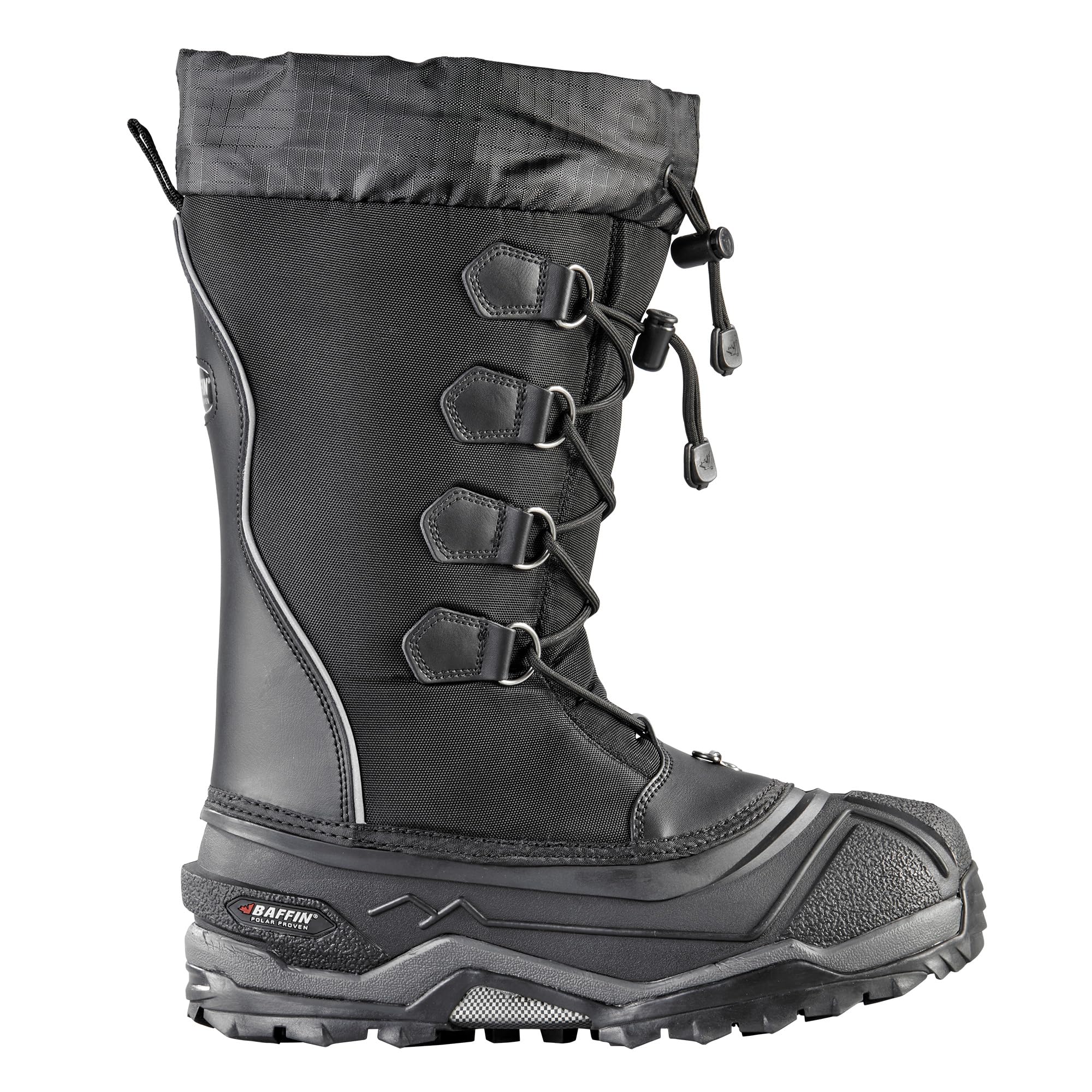

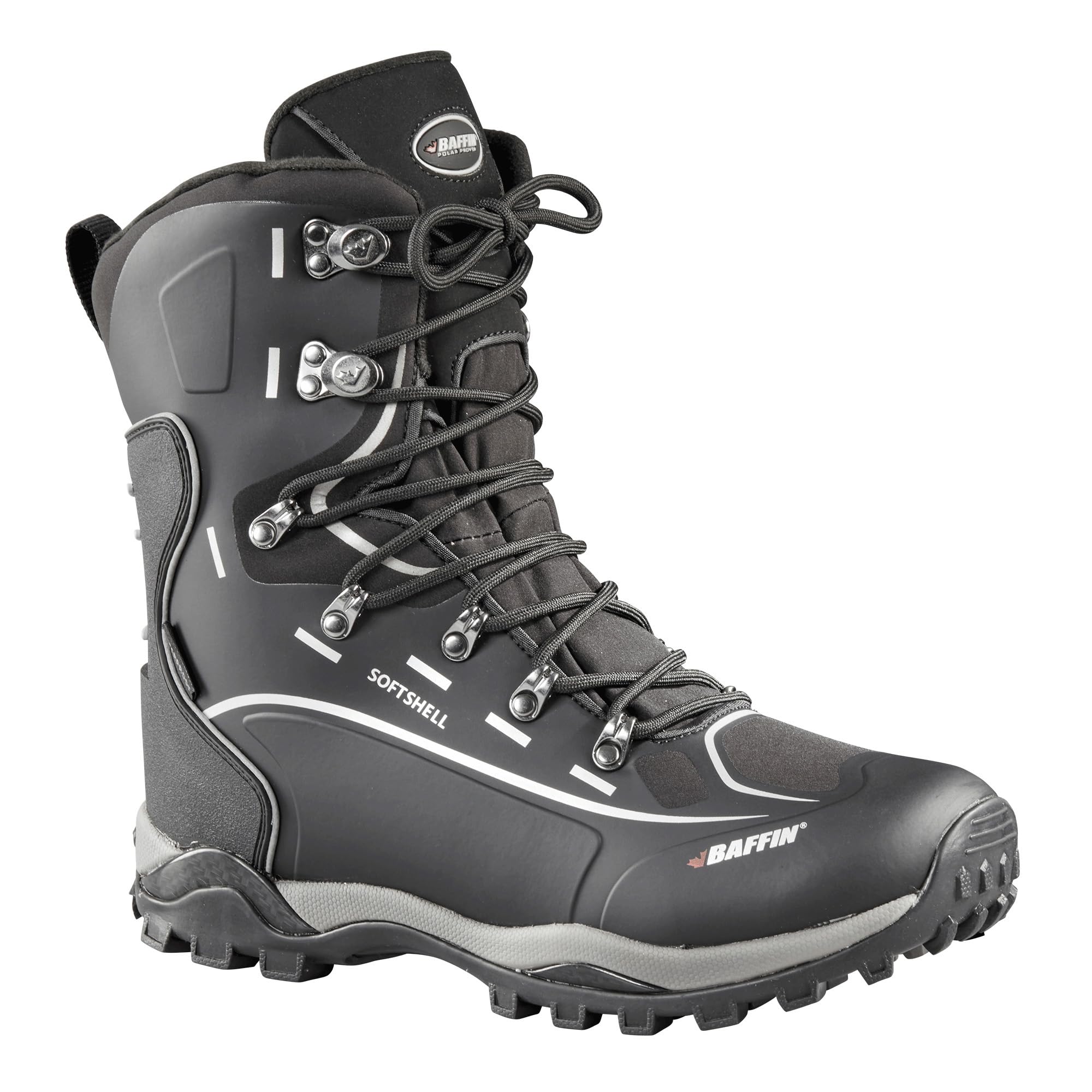
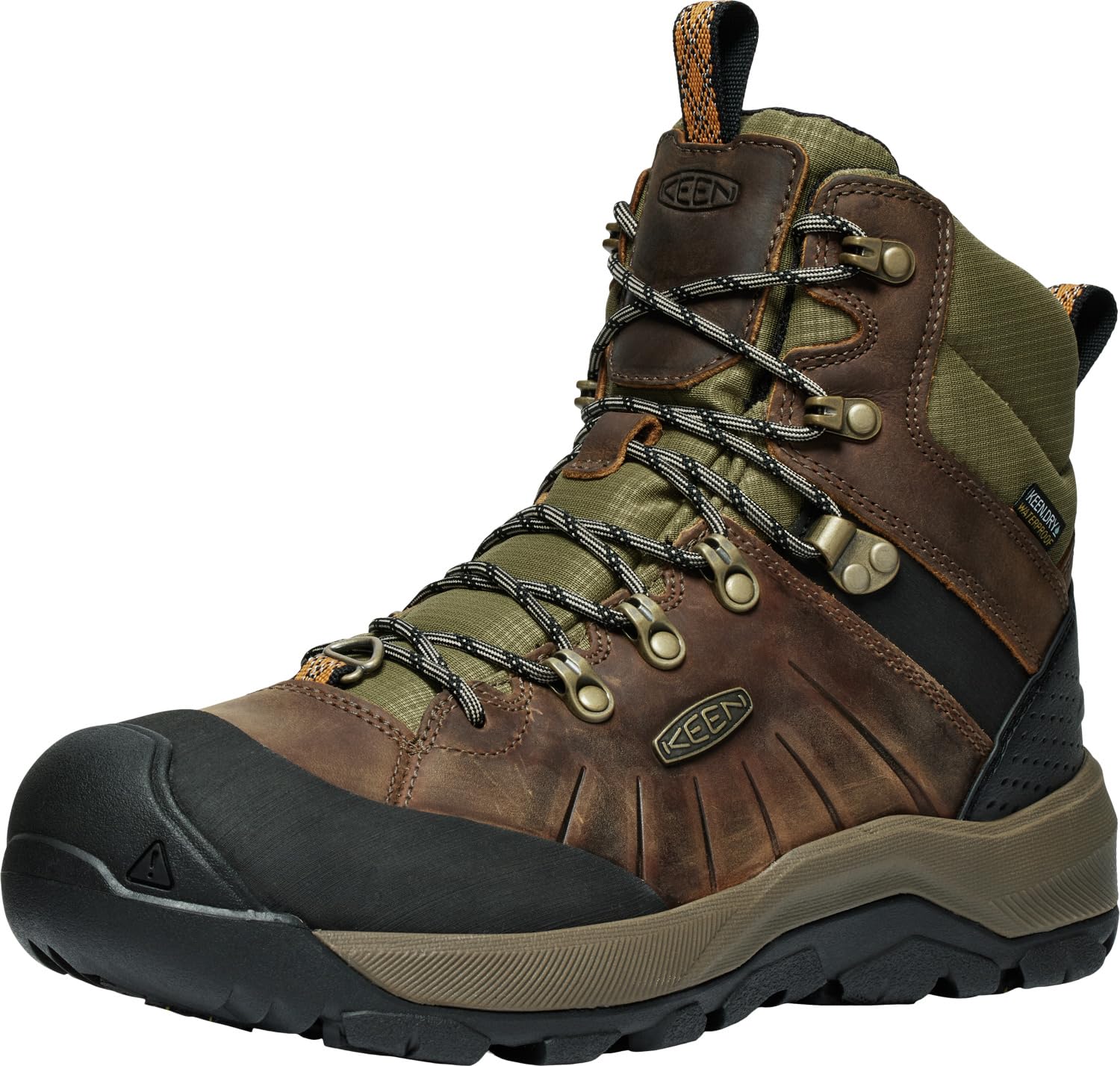
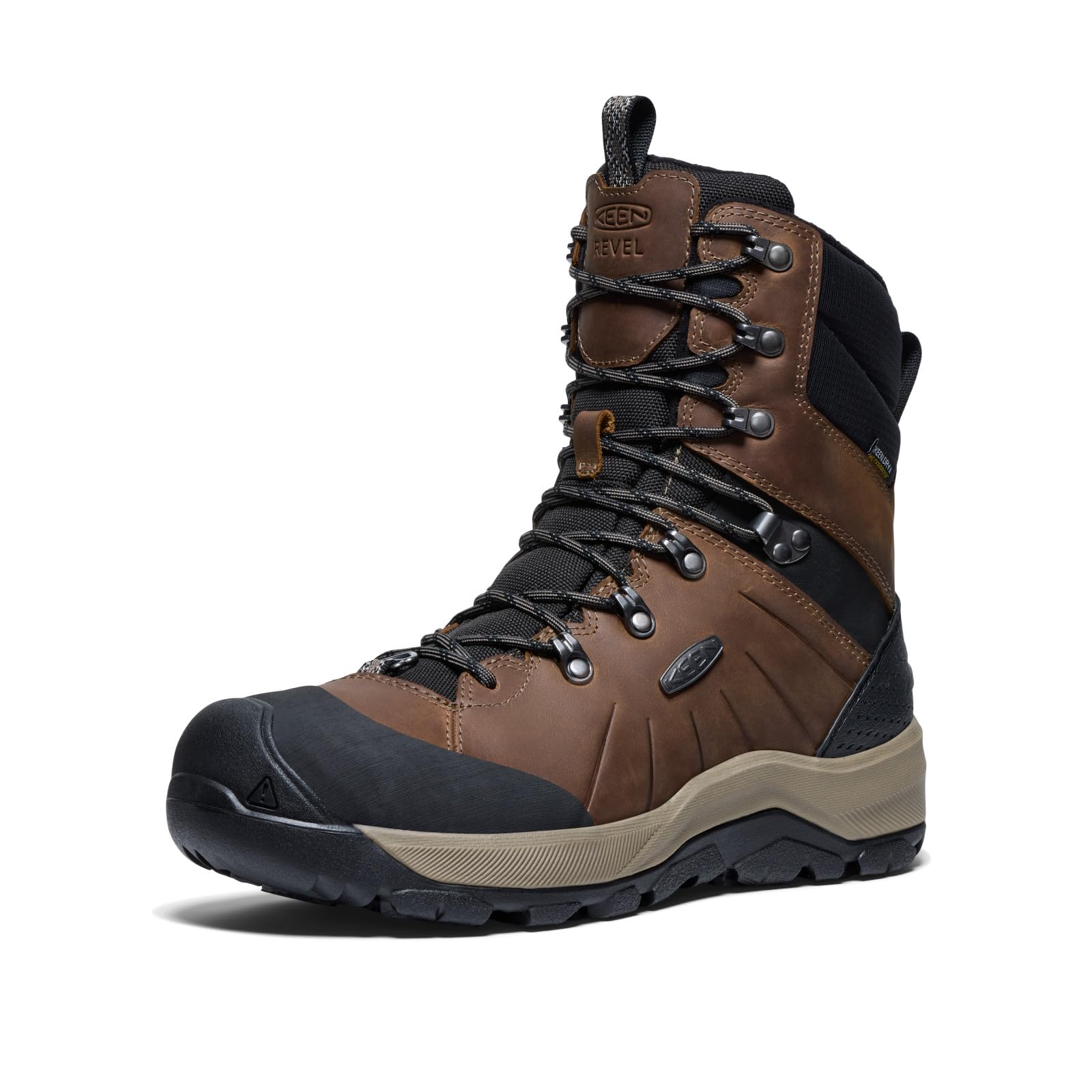

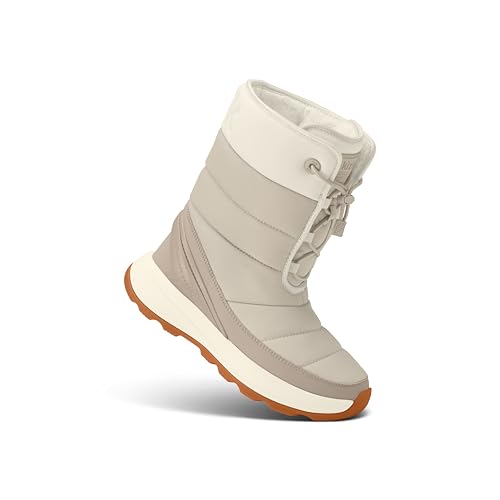


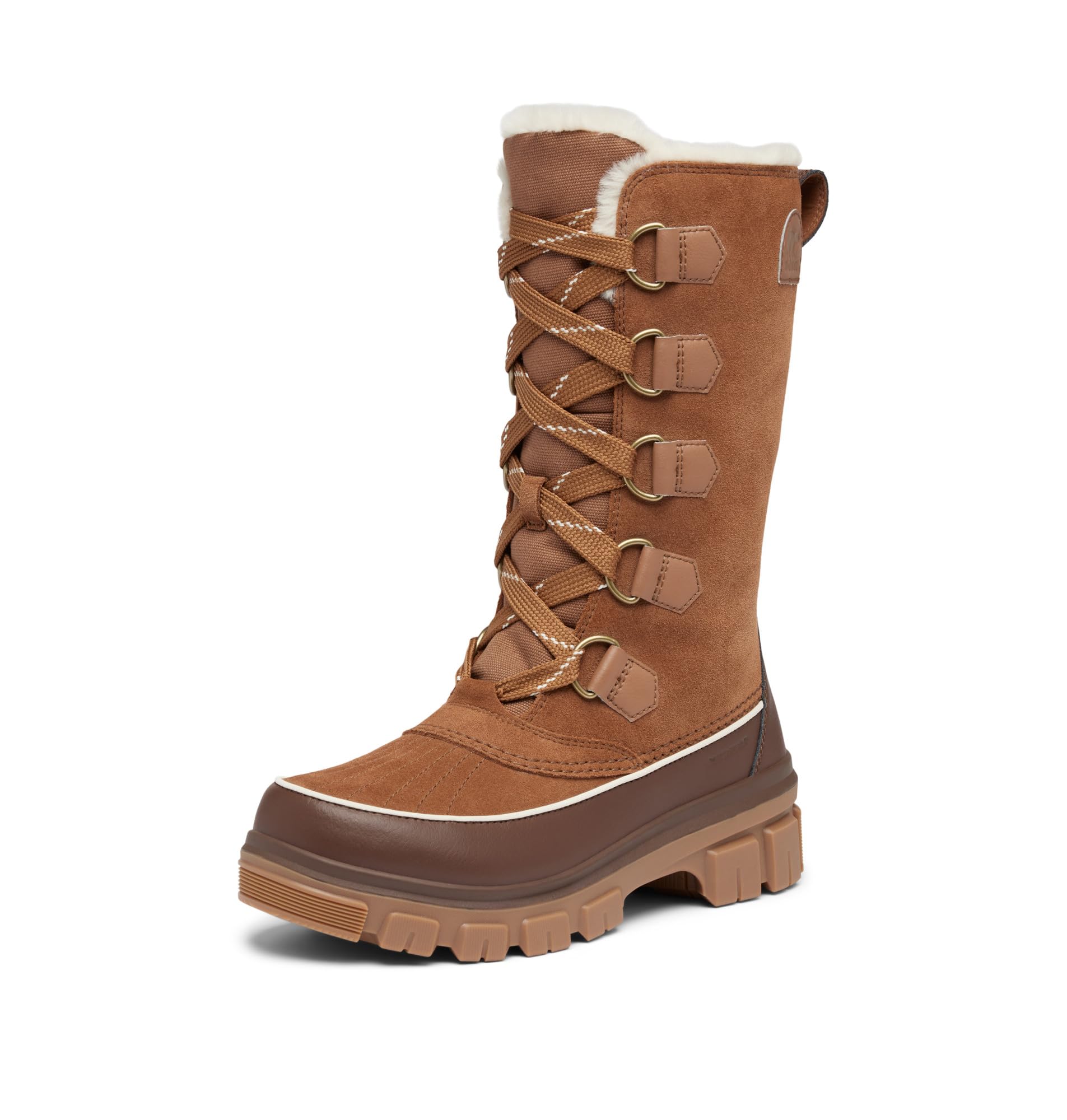
Who Should Buy Which Adult Snow Boots?
Start with how you spend winter days, because that decides which tier deserves your money. If you are still deciding whether a dedicated pair is necessary, see our guide to the best snow boots.
Daily Commuters and Dog Walkers
You need boots that grip icy sidewalks and come off easily at the door. A mid height shaft keeps slush out without slowing your stride, and insulation of about 200 to 400 grams suits most town winters. A flexible sole matters more than extreme insulation, because you may drive in these boots and walk on cleared pavement as often as on snow.
Outdoor Workers and Property Carers
If you clear driveways or stand on frozen ground for hours, your boots carry your full weight all day and need real support underfoot. Look for a supportive midsole, a tall waterproof shaft, and insulation at the higher end of the midrange tier. Removable insoles help too, because you can swap in fresh cushioning mid season.
Deep Snow and Rural Users
Where snow sits deep for months and plows come late, shaft height and warmth matter more than style. Tall boots that reach mid calf or higher stop snow spilling over the top, and a snug collar seals the gap under your pants. A lugged outsole and a firm heel counter also protect your ankles on uneven ground.
What Each Price Tier Buys for Winter Commutes and Chores
Spending more on the best adult snow boots buys warmer insulation, drier construction, and soles that grip better and last longer. The tiers below reflect typical Amazon US pricing, and each suits a different winter.
Budget Tier: Warmth for Mild Winters and Short Trips
Boots at about $60 to $110 usually offer around 200 grams of synthetic insulation, water resistant uppers rather than a true waterproof membrane, and soles with shallow lugs. That is enough for shoveling the walk and occasional snow days in milder states. The trade off is deep cold protection, because thinner insulation compresses faster under adult weight and unsealed seams let meltwater creep in.
Midrange Tier: The Daily Winter Workhorse Range
At about $110 to $200 you get the upgrades most adults feel every day: insulation around 400 grams, sealed seams, a waterproof membrane, and rubber outsoles that stay flexible in cold weather. Fit improves too, with shaped lasts and sizes that run more true. For one pair handling commuting, errands, and weekend snow play all season, this tier gives the strongest value per winter.
Premium Tier: Serious Cold, Deep Snow and Years of Use
Boots at about $200 to $350 add insulation of 600 grams or more, removable liners you can dry overnight, and tough shells that shrug off seasons of salt and abrasion. Replaceable liners and laces extend service life further. For long stretches of deep winter, see our guide to the best winter snow boots.
Key Features to Compare
Insulation and Temperature Ratings
Insulation is sold by weight, and more grams mean a warmer boot up to the point where bulk slows you down. Around 200 grams suits active use and milder cold, about 400 grams covers most adults on typical winter days, and 600 grams or more serves standing still in severe cold. Treat printed temperature ratings as rough guides, because your socks and activity level change the result.
Waterproofing, Gore Tex Membranes and Breathability
A waterproof membrane such as Gore Tex blocks meltwater while letting some sweat vapor escape, and sealed seams close the stitch holes that plain treatments leave open. Fully waterproof boots matter when you cross slush puddles or work in wet snow. The trade off is breathability, because a sealed boot vents heat slowly on mild days. In cold, dry powder, a water resistant upper may feel more comfortable and cost less.
Outsole Traction and Stability on Ice
The outsole decides whether you stride or shuffle on frozen ground. Deep, widely spaced lugs bite into packed snow and shed slush instead of packing smooth, while softer rubber compounds keep some grip as temperatures fall. A wide, stable base helps adult ankles stay upright on rutted paths. No rubber sole grips glare ice fully, though, so shorten your stride on polished surfaces.
Fit, Toe Box Room and Adult Sizing
Adult snow boots should leave room for thick socks and for toes to spread, because cramped toes lose insulating air space and feel cold fast. A roomy toe box also suits wider feet and feet that swell during long days. Brands cut men and women lasts differently, so see our guide to the best snow boots for man and our guide to the best ladies snow boots. Measure both feet late in the day, when they are largest.
Arch Support, Weight and All Day Comfort
Adult body weight compresses soft midsoles quickly, so look for a shaped footbed with real arch support rather than a flat foam pad, especially if you stand on concrete. Removable insoles let you add your own orthotics. Weight matters over a full day too, because a heavy pair tires your legs on stairs. Lighter boots with good support usually beat heavy boots with none beyond short distances.
How to Check the Fit of Adult Snow Boots at Home
Ordering online is normal for this category, so run this fit check indoors before you commit.
- Try the boots late in the day, wearing the thickest socks you plan to use in winter.
- Stand with full weight on both feet and check that your longest toe clears the front by a thumb width.
- Walk across the room and note heel lift, because a little is normal in a stiff boot but a loose heel rubs blisters.
- Confirm your toes can wiggle freely, since that air space is part of the warmth system.
- Flex the boot and make sure it bends where your own foot bends, not halfway up the arch.
Common Mistakes to Avoid
- Buying your regular shoe size without trying thick socks, which leaves toes pressed against the front and cold within minutes.
- Choosing a low fashion height for deep snow areas, which lets snow spill over the collar and soak your socks.
- Assuming water resistant means waterproof, which leads to wet feet the first time you stand in slush or meltwater.
- Judging warmth by bulk alone, which can mean heavy boots that tire your legs while thinner insulation would have kept you warmer.
- Storing boots wet at the end of the season, which grows mildew in the liners and cracks materials before the next winter.
Care and Maintenance for Adult Snow Boots
Dry your boots at room temperature after wet outings, with the insoles or liners pulled out so air can reach the inside. Keep them away from radiators, because strong heat warps soles and dries leather until it cracks. Brush off road salt the same day, since salt stiffens uppers if it sits. A fresh water repellent treatment each autumn restores shedding on absorbent uppers.
Long term costs stay modest. Replacement insoles run about $15 to $30, and spare laces and waterproofing sprays cost under $20. Budget boots replaced every season or two can cost more over five winters than one midrange pair, so judge price per winter rather than the tag alone.
FAQ
Are expensive adult snow boots worth the extra money?
They are worth it when your winters are long, very cold, or wet enough that cheaper boots fail mid season. A useful check is cost per season: a boot at around $240 worn for six winters costs less per year than a boot at around $80 replaced every second winter.
How should adult snow boots fit when worn with winter socks?
They should feel snug at the heel and midfoot, with clear space in front of your toes and no sideways squeeze. One test worth adding at home is a gentle kick against a soft surface: if your toes strike the front, downhill walking will bruise your toenails. Size up when you are between sizes, because slightly loose boots stay warmer than tight ones.
Can adult snow boots be worn all day at work?
Yes, provided the pair has real arch support and you get indoor breaks from the insulation. Warm boots can overheat feet indoors, and the sweat that builds up can later chill you outside, so many all day wearers rotate two pairs or switch to shoes at their desk. For mixed indoor and outdoor jobs, a mid height midrange boot balances warmth and comfort best.
How often should adult snow boots be replaced?
Replace them when wear starts costing you warmth or grip rather than on a fixed schedule. Compressed insulation that no longer lofts, lugs worn smooth at the heel, and cracks where the upper flexes all signal the end. Most adults get about three to five winters from a midrange pair, and drying boots between outings extends that life.
Do adult snow boots need a fully waterproof membrane?
Not always, because cold, dry powder sheds off a treated upper before it melts through. A membrane earns its cost where temperatures hover near freezing and snow turns to slush, since that wet mix soaks untreated fabric quickly. One point many buyers miss is drying time: membrane boots dry slowly inside, so remove the insoles after wet days.
Wrapping Up
Match the tier to your winter first, then check insulation, waterproofing, and fit in that order, and you will avoid both overspending and cold feet. The right best adult snow boots choice fits your actual days, not the highest rating on the box. Look back at the product table above to compare prices and features before you order.


