
Best Adult Mountain Bike 2026: A Practical Buying Guide
Disclosure: We may earn a commission when you buy through links on this page, at no extra cost to you. As an Amazon Associate I earn from qualifying purchases. Learn more

Choose an adult mountain bike by frame size, suspension, gears, and trail type. Practical sizing, safety, and maintenance guidance for new riders.
Mountain biking rewards the right fit more than the flashiest parts, especially for adult riders starting or returning to trails. The best adult mountain bike for you matches your height, trail type, and budget, with geometry that feels stable and confident. The comparison table below will help you compare the main options side by side.
This guide covers frame sizing, suspension types, gearing, brakes, and safety checks, so you can buy without a ranked product list. It focuses on trail riding for adults, from smooth forest paths to rougher singletrack.
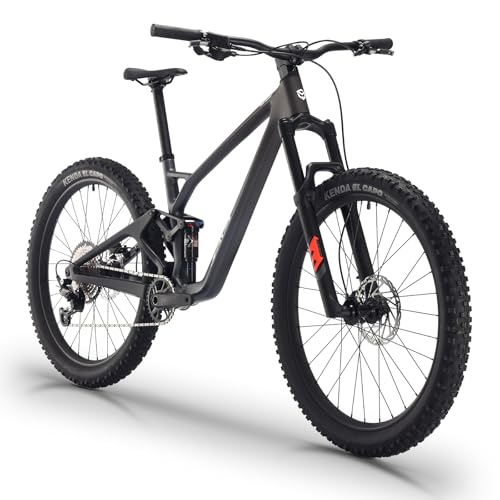


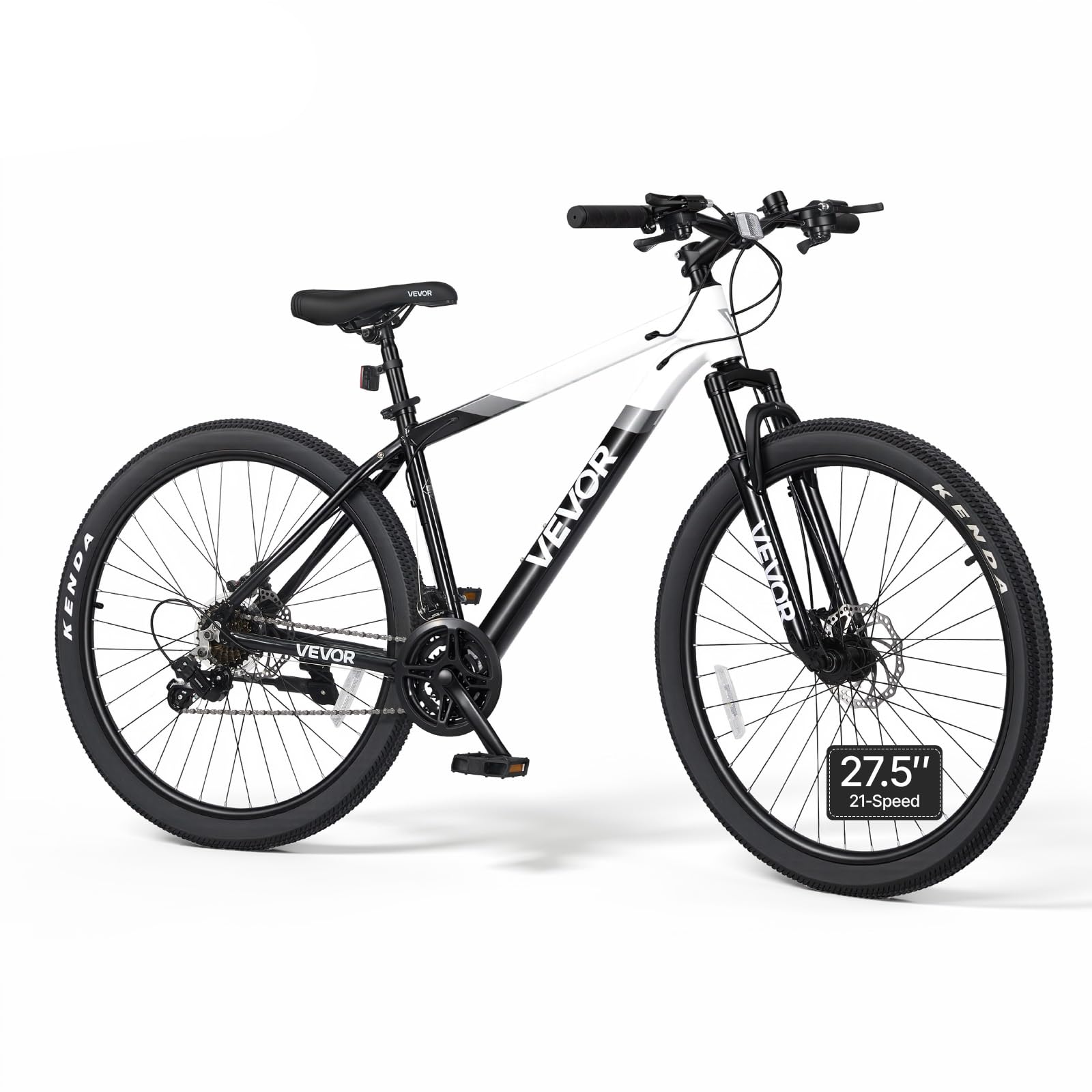
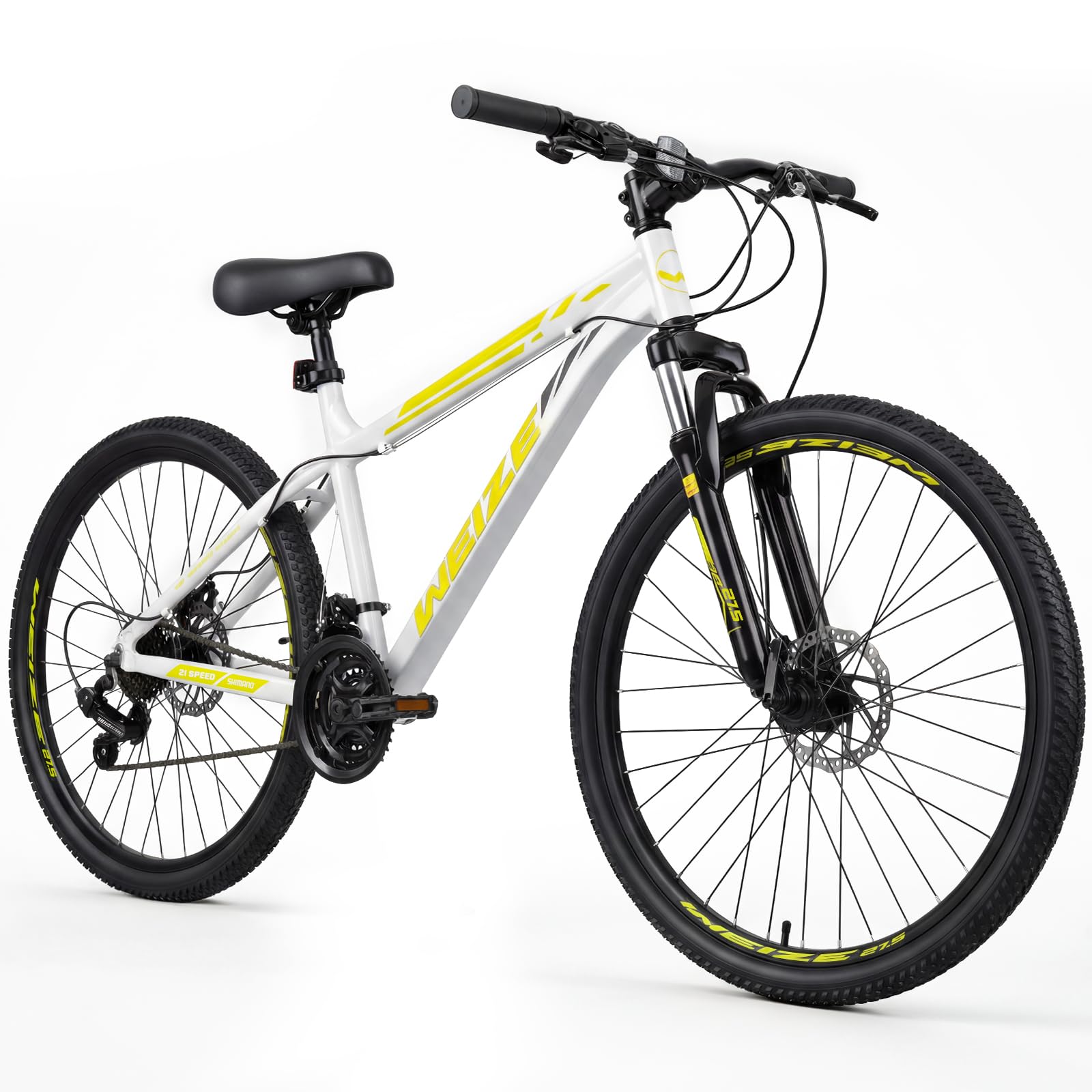


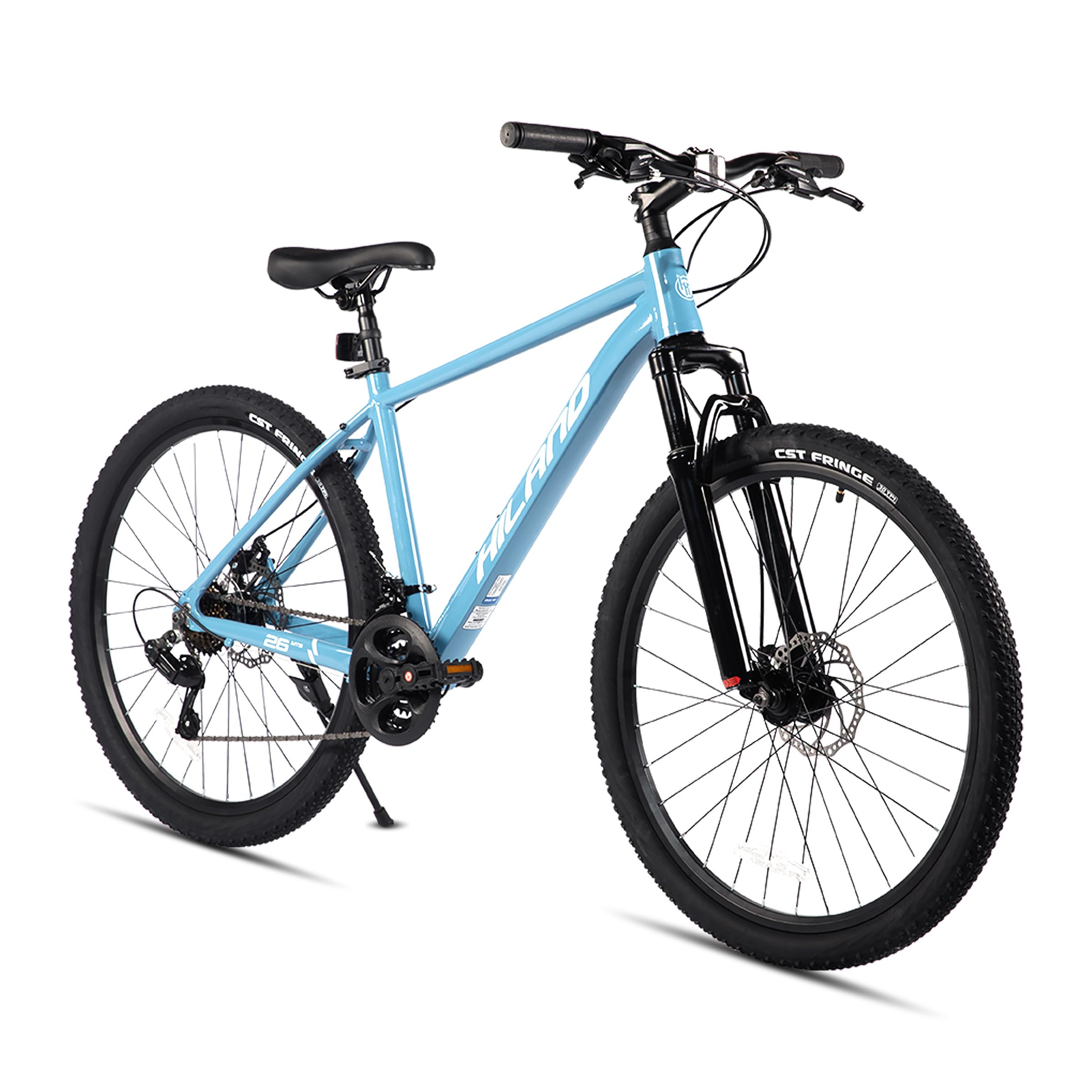

Who Should Buy Which Type
For New Adult Riders
New riders need a forgiving, stable bike that builds confidence on easy trails. A hardtail with reliable brakes and simple gears suits most beginners. Fit matters more than suspension travel, so get sized properly before worrying about components.
For Trail Riders
Regular trail riders need a bike that climbs efficiently and descends with control on rougher ground. Suspension design, tire grip, and braking power matter more here. A full suspension bike can help on rough trails, but it adds weight, cost, and maintenance.
For Commuters Who Also Trail Ride
Riders who commute and trail ride need versatility: mounts for racks or fenders, durable parts, and tires that roll well on pavement yet grip dirt. A hardtail with lockable suspension often bridges both uses. Compromise tires and gearing to suit your dominant use.
Types Compared
Hardtail Mountain Bikes
Hardtails have front suspension only, with a rigid rear end. They are lighter, simpler, and cheaper to maintain than full suspension bikes. They suit smooth to moderate trails and riders who value efficiency and simplicity.
Full Suspension Mountain Bikes
Full suspension bikes add rear suspension for rough, rocky, and fast descending trails. They improve traction and comfort on rough ground, but they weigh more and need more maintenance. They suit regular riders on demanding trails.
Cross Country Bikes
Cross country bikes favor light weight, efficient pedaling, and moderate suspension for long rides and climbs. They suit riders who cover distance and climb often. They trade some descending confidence for speed and efficiency.
Trail and All Mountain Bikes
Trail and all mountain bikes balance climbing and descending with more suspension and slacker geometry. They suit riders who want one bike for varied trails. They are heavier than cross country bikes but more capable downhill.
Key Features to Compare
Frame Size and Geometry
Frame size decides fit, reach, and standover clearance, while geometry shapes handling and confidence. A bike that fits lets you ride longer without back, neck, or knee strain. Get measured and test ride sizes, since size labels vary by maker.
Suspension Type and Travel
Suspension travel, measured in millimeters, shows how much bump absorption a fork or shock offers. More travel suits rougher trails, while less travel suits smoother trails and climbing. Lockout features help on pavement and smooth climbs.
Gears and Drivetrain
Modern mountain bikes often use a single front chainring with a wide range cassette, simplifying shifting. Gear range matters for steep climbs and fast descents alike. Check that the lowest gear suits your local hills, not just flat test rides.
Brakes
Hydraulic disc brakes offer strong, consistent stopping in wet and muddy conditions, which matters on trails. Brake rotor size and pad quality affect power and heat handling on long descents. Test brakes at speed in a safe area before hitting rough trails.
Wheels and Tires
Wheel size affects rolling, agility, and obstacle handling, while tire width and tread shape grip. Wider tires with aggressive tread grip loose trails, while narrower, smoother tires roll faster. Match tires to your trails, and carry a repair kit.
Fit and Safety Checks
Set saddle height so your leg extends nearly fully at the bottom of the pedal stroke, with a slight knee bend. Adjust handlebar height and reach for a comfortable, controlled position, not a stretched or cramped one. A bike shop fit check is money well spent for new riders.
Before every ride, check tires, brakes, quick releases or thru axles, and headset tightness. Wear a helmet every ride, and add gloves and eye protection for trails. Carry water, a tube, a pump, and a multi tool, and tell someone your route on remote trails.
Care and Maintenance
Clean mud off after rides, especially from drivetrain and suspension seals, and lubricate the chain as the maker recommends. Check tires, brake pads, and bolts for wear, and service suspension at maker intervals. Regular care keeps a bike safe and shifts smoothly.
Store the bike dry and upright, and inspect the frame for cracks after crashes or hard impacts. Replace worn tires and brake pads promptly, since trail grip and stopping power depend on them. A well maintained bike lasts far longer and rides far better.
Mistakes to Avoid
- Buying by frame size label alone, without test riding and checking fit.
- Choosing maximum suspension travel for smooth trails, adding weight needlessly.
- Skipping helmet and pre ride checks on easy looking trails.
- Ignoring brake and tire wear until a descent exposes the problem.
A Final Check Before You Order
Before you order, confirm frame size, suspension type, gear range, brake type, and tire setup against your trails and height. Test ride where possible, and budget for helmet, repair kit, and basic maintenance. These checks matter more than any single component claim.
The related guides linked below cover nearby mountain bike choices, including all mountain, starter, and general trail bikes, so you can compare geometry and suspension. Read them with your trails in mind, and shortlist the bike that fits you. Related guides: best all mountain mountain bike, best mtb mountain bike, best bike for mountain biking, best bicycle mountain bike, best starter mountain bike.
Frequently Asked Questions
What size mountain bike do I need as an adult?
Size depends on height, inseam, and reach, and labels vary by maker. Use maker size charts as a starting point, then test ride the suggested size and its neighbors. A proper fit feels balanced and comfortable, not stretched or cramped. Test ride with your usual riding clothes and shoes, since fit feels different in street clothes versus kit.
Hardtail or full suspension for a beginner?
Most beginners do well on a hardtail, which is lighter, simpler, and cheaper to maintain. Full suspension helps on rough trails, but it adds cost and complexity. Start hardtail unless your local trails are consistently rough and rocky. Hardtails also teach line choice better, since riders learn to pick smooth paths instead of plowing through roughness.
How much suspension travel do I need?
Smooth trails need modest travel, moderate trails suit mid travel, and rough, steep trails benefit from longer travel. More travel is not always better, since it adds weight and reduces pedaling efficiency. Match travel to your trails. Suspension setup, including sag and rebound, matters as much as travel amount for comfort and control.
What should I check before every trail ride?
Check tire pressure and condition, brake function, axle tightness, and headset play. Wear a helmet, carry water and a repair kit, and check the weather and trail conditions. A two minute check prevents most ride ending problems. Carry a derailleur hanger spare on remote rides, since bent hangers end rides without a quick fix.
How often does a mountain bike need servicing?
Clean and lubricate after muddy rides, check wear items regularly, and service suspension and drivetrain at maker intervals. Heavy or rough use needs more frequent checks. A yearly shop service suits many casual riders, with more for regular trail riders. Annual suspension service keeps seals fresh, though heavy riders in mud may need it more often.
Building Trail Confidence
Confidence on trails grows from skills practice, not just better parts. Spend time on easy trails learning braking, balance, and body position before tackling steep or technical ground. Skills sessions on gentle terrain pay off faster than any component upgrade.
Practice braking with both brakes, shifting weight back on descents, and looking ahead rather than at the front wheel. These three habits prevent most beginner crashes. A short skills clinic or a patient riding friend can teach them in an afternoon.
Ride with others when learning, since group rides offer tips, encouragement, and help if something goes wrong. Choose groups that match your pace and welcome beginners. A supportive group makes learning fun rather than intimidating.
Finally, progress gradually to harder trails, adding one new challenge at a time. A trail slightly harder than your comfort zone builds skill, while a trail far beyond it builds fear. Steady progression keeps mountain biking joyful for years.
Before buying, ride the same test loop on each candidate bike if a shop allows it, including a climb, a flat stretch, and a gentle descent, since different geometry feels very different across those three sections. Note how the bike climbs without wandering, how it handles a loose corner, and how your back and hands feel after twenty minutes, not just after two minutes in a car park. A test loop that mirrors your real trails gives far more useful information than any spec sheet, and it often reveals a clear favorite you did not expect.
Final Thoughts
Fit first, then suspension and gearing for your trails, and the best adult mountain bike for you will be the one that feels confident from the first ride. The product table above gives a useful starting point, but your height, trails, and budget should make the final call.
Order only after you have test ridden sizes where possible, and always ride with a helmet and a pre ride check. With good fit and care, mountain biking can be a lasting, joyful habit.


