
Best Adsl Routers 2026: Legacy DSL, Stability and WiFi
Disclosure: We may earn a commission when you buy through links on this page, at no extra cost to you. As an Amazon Associate I earn from qualifying purchases. Learn more

ADSL is older technology, but the right router still matters. Learn about line compatibility, WiFi coverage, stability and replacement timing.
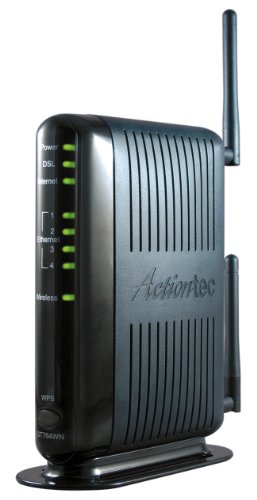
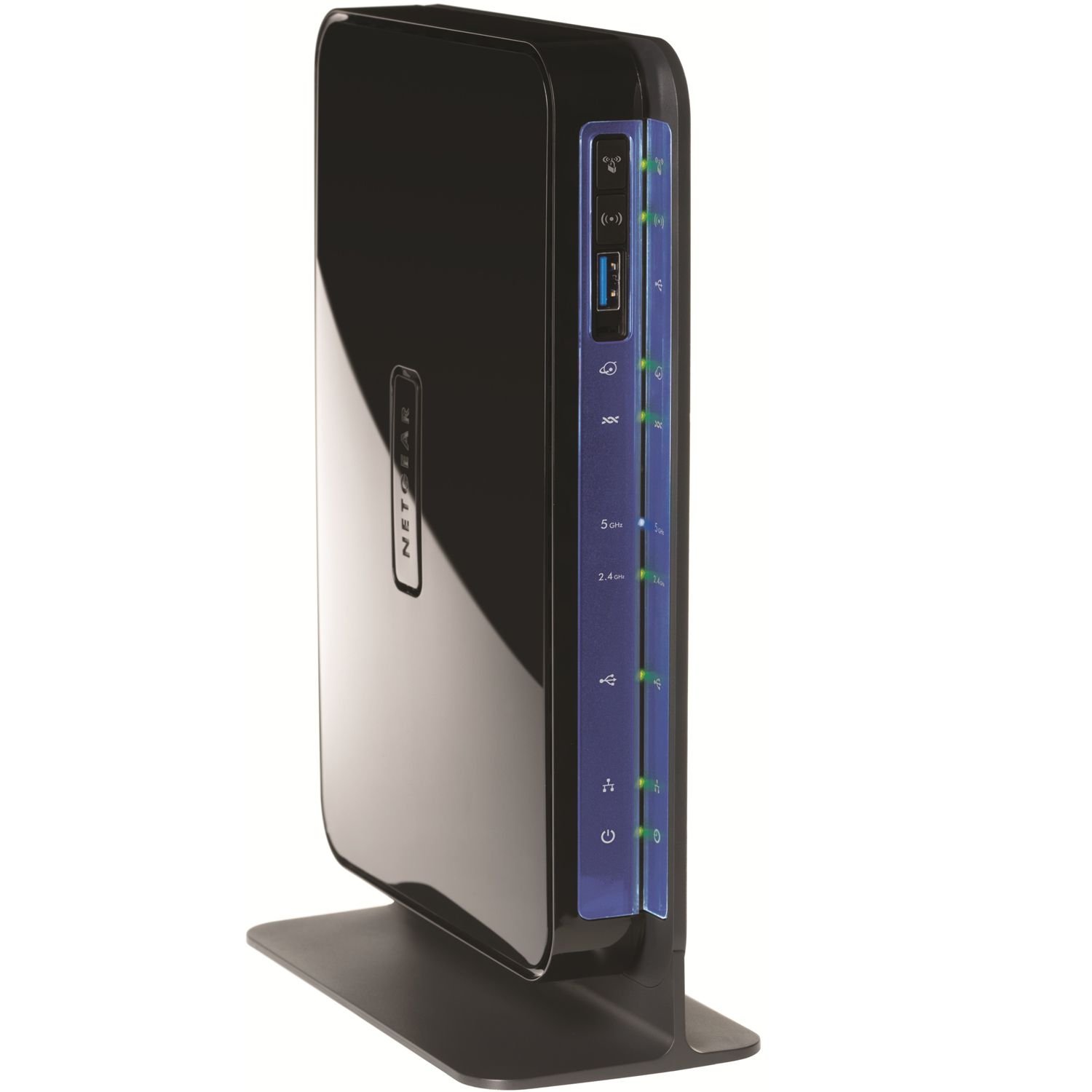
ADSL may be older technology, but many homes still rely on it, especially where fibre has not arrived. The best adsl routers are the ones that hold a stable line, cover the home with usable WiFi, and work with the local provider without constant dropouts. A modern router on a weak line will not create speed that the line cannot deliver, but a poor router can easily waste what speed exists.
The comparison table below shows the main options side by side. This guide explains ADSL line basics, provider compatibility, WiFi expectations, stability, and when to plan a move to newer technology.



How ADSL Works and What Limits Speed
ADSL sends internet over copper phone lines, and speed falls as distance from the exchange or street cabinet grows. Line quality, old wiring, and interference also affect speed and stability. A buyer should check the expected line speed from the provider, not the router headline speed, since the line is the real limit.
Annex and modulation standards vary by provider and country, so a router must support the local standard. A router built for a different region may connect poorly or not at all. Check provider compatibility lists where available, and prefer a router that reports line statistics for troubleshooting.
For wireless coverage basics, best wlan routers explains bands, placement, and range in plain terms.
Readers on a cable provider should compare best routers for spectrum and best routers for comcast when weighing a move beyond DSL.
Provider Compatibility and Setup
Provider settings, including username, password, and connection type, must be entered correctly for ADSL to work. Many providers supply these details, and some routers include setup wizards for major providers. Keep the details safe, since a factory reset without them means a call to support.
Some providers supply a router as part of the service, while others allow any compatible router. Using a personal router can improve WiFi and features, but support may be limited if the provider only supports its own device. Weigh better WiFi against simpler support before switching.
WiFi Coverage on a Modest Connection
WiFi quality matters even on a modest ADSL line, since weak WiFi wastes the speed that does arrive. Place the router centrally, away from thick walls and metal objects, and use the 2.4 GHz band for range through walls, reserving 5 GHz for nearby devices that need speed. A router with good antennas helps more than one with a high headline speed.
For larger homes, a single ADSL router may not cover every room. A wired access point or a mesh node connected by cable extends coverage without cutting speed, while a wireless repeater often halves it. Plan coverage by cable where possible, even on an older connection.
Stability, Dropouts and Line Troubleshooting
Frequent dropouts often point to line or filter problems rather than router failure. Check that every phone socket has a microfilter, that cables are undamaged, and that the router connects to the master socket for testing. Line statistics, such as noise margin and attenuation, help support teams diagnose faults.
Keep the router firmware updated and avoid placing it near strong interference sources. If dropouts follow a pattern, such as wet weather or evening hours, note it for the provider, since patterns help engineers find line faults faster than vague complaints.
When to Upgrade Beyond ADSL
ADSL suits light browsing, email, and standard video, but struggles with multiple high definition streams, large uploads, and modern video calls. If the household regularly hits those limits, check what fibre, cable, or 4G options exist locally, and compare total costs including installation.
A good ADSL router can still serve as a backup or as a WiFi access point after an upgrade, so it need not be wasted. Plan the upgrade around contract end dates and installation lead times, and keep the ADSL service running until the new connection proves stable.
A Closer Look Before You Order
Before buying, test the line at the master socket and record speed and stability, since internal wiring problems can mimic router failure. A router bought to fix a wiring problem will disappoint, while a simple filter or wiring fix may restore the connection. Diagnosis before purchase saves money and time.
Also keep provider details safe and written down, including login, connection type, and support number. A factory reset without those details means a support call and downtime, while a saved note makes recovery quick. Good records are part of good home networking.
Finally, plan the upgrade path even while staying on ADSL. Check what fibre, cable, or mobile options exist locally, and note contract dates and installation lead times. A planned upgrade beats a rushed one when the old line finally becomes too slow for household needs.
Mistakes That Keep ADSL Slow
One common mistake is blaming the router for a line or wiring problem, such as a missing microfilter, a damaged cable, or a poor internal extension. Testing at the master socket first separates line faults from router faults and saves a needless purchase.
Another mistake is placing the router poorly, inside a cabinet or behind metal objects, which wastes the WiFi signal even when the line itself is fine. A central, elevated position away from thick walls improves coverage more than a headline speed figure.
A third mistake is using a wireless repeater for a large home, which often halves speed. A wired access point or a mesh node connected by cable extends coverage without that penalty, even on an older connection, and is worth the extra cable effort.
Finally, many owners never update firmware or record provider details, leaving the network exposed and recovery difficult after a reset. A few minutes of setup and a saved note prevent hours of support calls later.
Choosing With Confidence
A final practical test is to run the router for a week on the real line, recording speeds at different times, dropouts, and WiFi coverage in every room used daily. A week of real data separates a genuine improvement from a placebo, and it gives the provider useful evidence if line faults remain. Patience during the trial week pays off.
Also confirm the fallback plan before replacing an old router: keep the old device and the provider details safe until the new router has proven itself for a week. A quick rollback option turns a risky swap into a calm trial, and it prevents downtime if settings or compatibility surprise.
One last check costs nothing and prevents most regrets: run the new router alongside the old one for a week, comparing speed, dropouts, and WiFi coverage room by room. A router that proves itself over a full week of real household use, rather than a single speed test, is a safe permanent replacement.
Frequently Asked Questions
Why is my ADSL speed lower than advertised?
Advertised ADSL speeds are maximum figures, while real speed depends on distance from the exchange or cabinet, line quality, and wiring. Check the provider line estimate for the address, test at the master socket, and ensure every phone socket has a microfilter. A router cannot create speed beyond what the line delivers.
Do I need a microfilter on every phone socket?
Yes, every device sharing the phone line, including phones, fax machines, and alarm systems, needs a filter, or it can interfere with the broadband signal. A missing filter is a common cause of noise and dropouts. Use the master socket for testing to isolate internal wiring problems.
Can a new router improve ADSL speed?
A new router can improve stability and WiFi coverage, and sometimes sync slightly better on a noisy line, but it cannot greatly exceed the line physical limit. If speed is far below the provider estimate, the cause is usually line or wiring, and the provider should investigate before buying new hardware.
Is ADSL still worth keeping?
For light use in areas without fibre or cable, ADSL remains usable and often cheap. For households with many streams, video calls, and large uploads, it becomes frustrating. Compare local alternatives and total costs, and keep ADSL as a backup if a new service is being trialled.
What should I check before buying an ADSL router?
Check local standard support, provider compatibility, WiFi coverage needs, and whether line statistics are shown for troubleshooting. Confirm that provider login details are available for setup, and consider whether the router can later serve as an access point after an upgrade.
Final Thoughts
On ADSL, stability and WiFi matter more than headline speed, because the line itself sets the limit. Check provider compatibility, filter every socket, place the router well, and use line statistics to troubleshoot dropouts. The product table above can help compare the main options side by side.
For homes still on copper lines, the best adsl routers are the ones that hold the line steady, cover the home sensibly, and make the most of the speed available. Plan an upgrade when household use outgrows the line, and keep the old router as a useful backup.


