
Best Adjustable Stem for Mountain Bike of 2026: Complete Buying Guide
Disclosure: We may earn a commission when you buy through links on this page, at no extra cost to you. As an Amazon Associate I earn from qualifying purchases. Learn more

Compare the best adjustable stem for mountain bike options by fit, clamp size, angle range, and price tier with this clear buying guide and checklist.
A sore neck, numb hands, or a stretched out reach can turn a good trail ride into a short one. The stem sets your handlebar height and reach, so a small change there can fix your posture without buying a new bike. This guide to the best adjustable stem for mountain bike riding explains the sizes, angles, and build details that matter. Use the comparison table below to see how current options differ, then read on for the fit checks that protect your steering and your safety.
An adjustable stem lets you raise, lower, or tilt the bar in minutes, which makes it ideal while you are dialing in a new bike or sharing one between riders. The trade off is weight and a moving joint that must stay tight, so quality varies a lot between models.
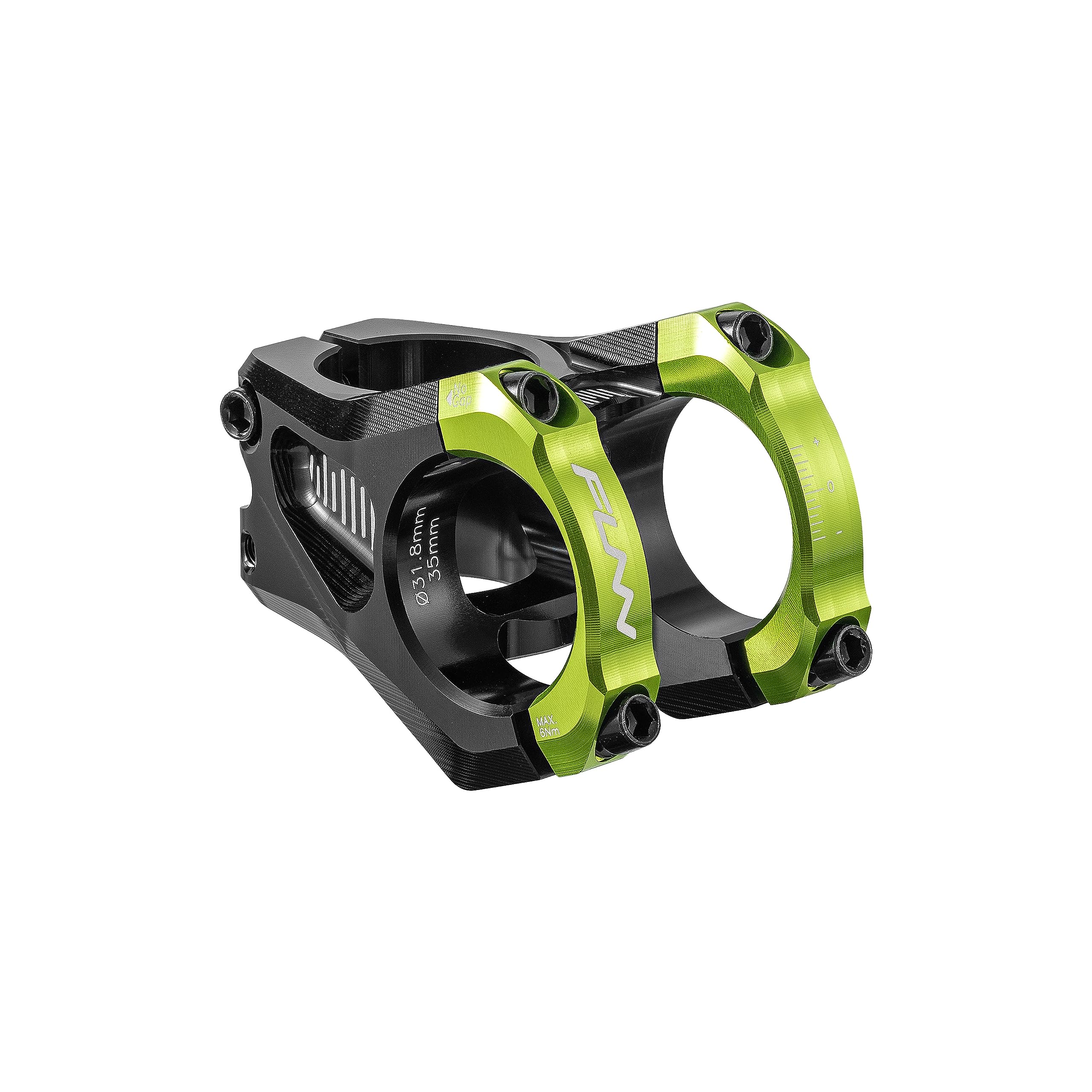

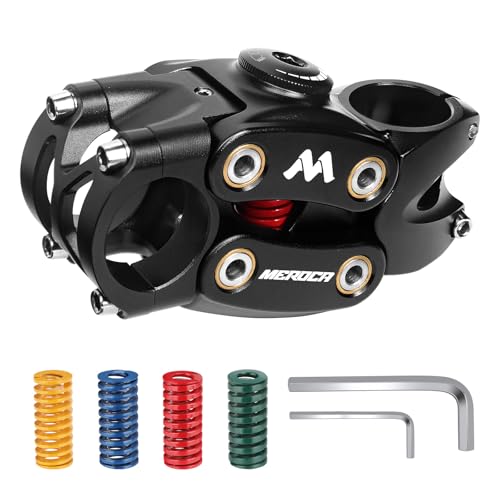


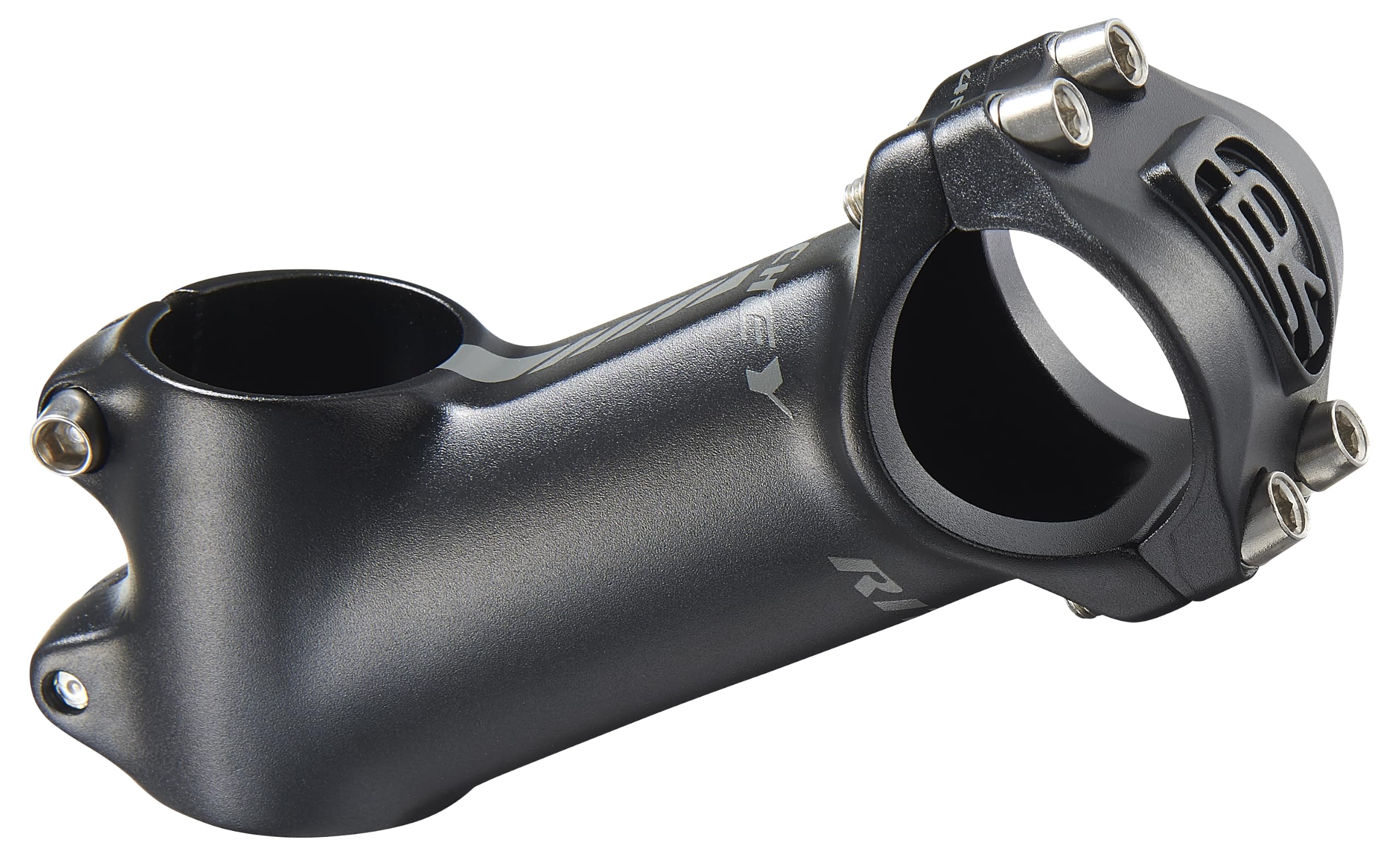

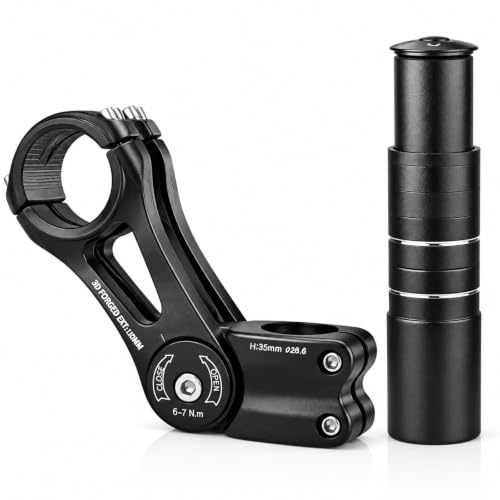
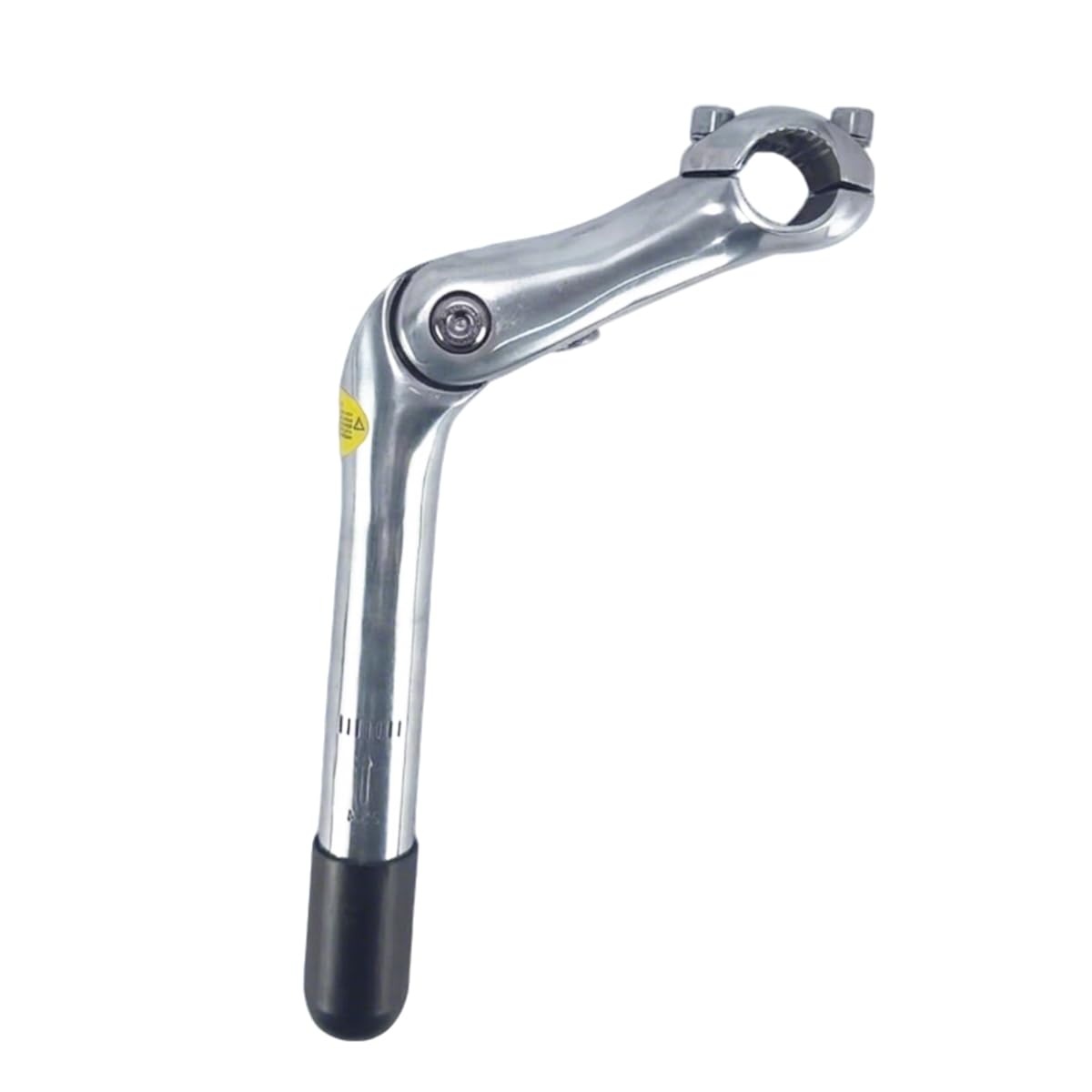
Our Top Choices at a Glance: Three Price Tiers
Instead of naming favorites, this section explains what each price tier usually delivers, so you can match spending to how hard and how often you ride.
Balanced All Around Tier
The middle tier, often around $35 to $70, suits most trail riders. Stems here are usually forged aluminum with a smooth angle adjustment, clear angle markings, and steel bolts that hold torque well. You get enough range to fix reach and bar height on cross country and trail bikes without paying for exotic materials. The main limit is weight: these stems are heavier than fixed stems, and the finish can scratch where the joint moves. For weekend riding and fit experiments, this tier gives the best balance of strength, range, and price.
Value Tier
Budget stems, often under $35, work well for gentle riding, commuting on a mountain bike, and short term fit testing. Expect cast or basic forged aluminum, a narrower range of angles, and simpler bolts. Check the clamp diameters with extra care at this price, because sizing errors are more common in listings. The honest limitation is durability under hard use: repeated jumps, crashes, and aggressive descending ask more of the pivot joint than a cheap casting can give. Treat a value stem as a comfort and fit tool, not as downhill equipment.
Premium Tier
Premium stems, often around $70 to $120, use machined 7075 aluminum or similar alloys, tighter tolerances, and better hardware. The adjustment joint feels precise, angle marks line up accurately, and the stem resists creaking under load. Riders who adjust position between climbing days and bike park days get the most from this tier. You still do not get the stiffness of a quality fixed stem, so racers chasing sprint stiffness may prefer to test positions with an adjustable stem, then buy a fixed stem in the winning size. That two step approach is a smart use of a premium model.
How to Choose the Best Adjustable Stems: Buying Guide
Fit, compatibility, and joint quality decide whether a stem helps or hurts. Work through the points below before you order, and measure your current setup first. If you are comparing fixed options as well, see our guide to the best stem for mountain bike for the standard sizing rules that apply to every stem.
Features That Matter for Mountain Bike
Four numbers matter most. First, the steerer clamp must match your fork, almost always 1.125 inches on modern mountain bikes. Second, the handlebar clamp is usually 31.8 mm, with 35 mm on newer trail and enduro bikes. Third, the angle range tells you how much rise you can add; many stems adjust from 0 to 60 degrees. Fourth, length, often 60 to 110 mm, changes reach and steering speed. A stem that misses any one of these numbers simply will not fit, no matter how good the price looks.
Bike Type and Riding Style
Cross country riders usually want small angle changes and lighter weight, because climbing position matters most. Trail riders benefit from a wider range so they can raise the bar for descents and lower it for long climbs. Enduro and downhill riders should be cautious: hard impacts load the pivot joint, and many coaches suggest a fixed stem once you know your position. Commuters and casual riders get the most freedom here, since speeds and impacts stay low. Match the stem strength rating to your hardest ride, not your average one.
Extra Weight on Electric Mountain Bikes
Electric mountain bikes carry a mid drive motor and a heavy battery, so the whole bike can weigh 50 lb or more. That weight raises the forces through the cockpit when you brake or land. Choose a stem rated for e bike use, with a forged body and bolts that you can torque precisely. A hydraulic disc brake setup also rewards a slightly higher bar, because strong braking pitches your weight forward. Keep the adjustment modest on a heavy bike, and recheck bolt torque after the first few rides as parts settle.
Frame Material and Geometry
Your frame geometry decides how much adjustment you actually need. A bike with a short reach and a low stack height leaves you hunched, so a stem with real rise helps; riders chasing that rise alone can also look at our guide to the best stem riser for mountain bike options. Aluminum, carbon, and steel frames all accept the same stem sizes, but a carbon steerer or carbon bar needs gentler torque and sometimes friction paste. Check your head angle too: slacker bikes steer slower, so adding a very long adjustable stem can make handling feel vague.
Brakes and Cockpit Control
Braking power changes how your cockpit should feel. Hydraulic disc brakes stop hard with one finger, which lets you ride with a relaxed grip and a slightly taller bar. Mechanical discs need a firmer pull, so a cramped, low position tires your hands faster. When you raise the bar with an adjustable stem, also check that brake hoses and cables still have smooth curves with the bars turned fully both ways. Short hoses are the most common surprise after a stem swap, and stretching them can pull on fittings and hurt braking.
Drivetrain and Gearing Notes
Gearing does not change stem fit directly, but your riding position affects how well you can use it. A 1x drivetrain leaves the left side of the bar free, while a 2x setup adds a front shifter that needs thumb room after you change bar angle. Spinning a low climbing gear for a long time means you sit and pedal for extended stretches, so a touch more rise reduces lower back strain. After any stem change, sit on the bike and confirm every shifter and dropper lever still falls naturally under your thumbs.
Types of Adjustable Stems
Most adjustable stems fall into a few families. Knowing the family tells you how the adjustment works and where it belongs.
Stems for Electric Mountain Bikes
These are reinforced versions with thicker bodies, stronger pivot bolts, and clear weight ratings. They suit riders who want a more upright position on a heavy bike for commuting or mellow trails. The downside is extra weight high on the bike. If your e bike sees jumps or bike park laps, ask the maker directly whether the stem is approved for that use before you buy.
Stems for Kids Bikes
Small adjustable stems help a growing rider stay comfortable on a bike they would otherwise outgrow in a season. Look for short lengths, smooth edges, and simple adjustments a parent can set with basic tools. Keep angles moderate, because a very tall, steep setup can make steering twitchy for a light rider. A stem is never a substitute for the right frame size, so if your child looks cramped even at full rise, the bike itself is too small.
Stems for Road and Gravel Bikes
Road and gravel stems use the same clamp standards but favor smaller angle steps and lighter builds, since riders there fine tune an aero position. They cross over to mountain bikes only for gentle riding. Drop bar bikes also place the hoods far forward, so a long adjustable stem can upset balance. If you ride one bike on both pavement and dirt, choose the mountain rated version and accept the small weight penalty for the stronger joint.
Stem Length and Steering Feel
Length changes steering as much as height changes comfort. A longer stem slows steering and adds climbing stability, while a shorter one quickens turns and helps on steep descents. Our guide to the best mountain bike stem length walks through the sizing math, and riders who love tight, technical trails often end up reading about the best short mountain bike stem as a fixed alternative. Adjustable models let you test angle first; once the angle feels right, you can judge whether a length change is still needed. Change one variable at a time and ride the same trail twice, so you know what actually helped.
Care and Maintenance Tips
- Recheck torque often: use a torque wrench and tighten stem bolts to the printed spec, often about 4 to 6 Nm, and recheck after the first ride and then monthly.
- Inspect the pivot joint: look for play by rocking the bars while holding the front brake; any clunk means stop riding and service or replace the stem.
- Keep threads healthy: a light coat of grease on steel bolts prevents seizing, while carbon parts need assembly paste instead and lower torque.
- Check tire pressure before every ride: a properly inflated front tire grips predictably, which keeps steering feel consistent while you judge a new position.
- Clean and lube the chain every 100 to 200 miles: smooth pedaling makes fit testing easier because effort stays even on climbs.
- Get a professional tune up yearly: a mechanic can spot a worn headset or a damaged steerer that a new stem would only mask.
FAQs
What features matter most in adjustable stems for mountain bike riding?
Clamp fit matters most: the steerer clamp, the handlebar clamp diameter, and the length must all match your bike. Next comes the pivot joint quality, because that joint carries your steering. Look for forged aluminum, clear angle markings, and a stated torque spec. A wide angle range helps, but only after fit and strength are right.
How much should I spend on an adjustable stem?
Most riders do well spending about $35 to $70. Below that range, cast bodies and vague sizing are common, which is fine for gentle test fits but risky for hard trail use. Above it, you pay for machining quality and tighter tolerances. Spend more if you ride several days a week; spend less if the stem is only a short term tool to find your position before buying a fixed stem.
What stem length and rise do I need?
Start from your current setup and change one thing at a time. If your hands go numb, add rise first with a steeper angle. If steering feels slow and heavy, try a shorter length, often 10 mm less. Riders between frame sizes often need the most help; a stem can fine tune a borderline frame, but it cannot fix a frame that is a full size wrong, so test ride before committing.
Can I use an adjustable stem on an electric mountain bike?
Yes, if the stem is rated for the weight and forces of an e bike. Choose a reinforced model, keep the angle moderate, and torque the bolts exactly to spec. Recheck the joint after the first few rides, because the heavier front end works hardware loose faster. If the maker gives no e bike rating, treat that silence as a no for aggressive riding and pick a rated model instead.
Are adjustable stems safe for hard trail riding?
A quality stem, correctly torqued, is safe for cross country and trail riding within its rating. The pivot is still a moving part, so it deserves more inspection than a fixed stem. Warning signs include creaking that returns after tightening, visible play at the joint, or bolts that will not hold torque. If you see any of these, stop riding that stem and have a bike shop inspect the cockpit; a steering failure at speed can cause a serious crash.
How do I stop an adjustable stem from creaking?
Clean the joint faces first, because grit is the usual cause. Then grease steel bolt threads lightly, reassemble, and torque the bolts evenly in small steps. Ride once and retorque. If the creak persists, check the headset preload and the handlebar clamp, since both can sound like a stem problem. A creak that survives all of this may mean the joint faces are worn, and replacement is the safe fix.
Final Thoughts
Start with correct clamp sizes, choose a joint built for your hardest ride, and adjust angle before length. Riders on versatile trail bikes can see how these stems pair with all purpose machines in our overview of the best all mountain mountain bike category. When you find a position that disappears under you on the trail, you have found the best adjustable stem for mountain bike fit for your body. Compare your finalists in the product table above and order the one that matches your measurements.


