
Best Adjustable Pliers: Buying Guide for 2026
Disclosure: We may earn a commission when you buy through links on this page, at no extra cost to you. As an Amazon Associate I earn from qualifying purchases. Learn more
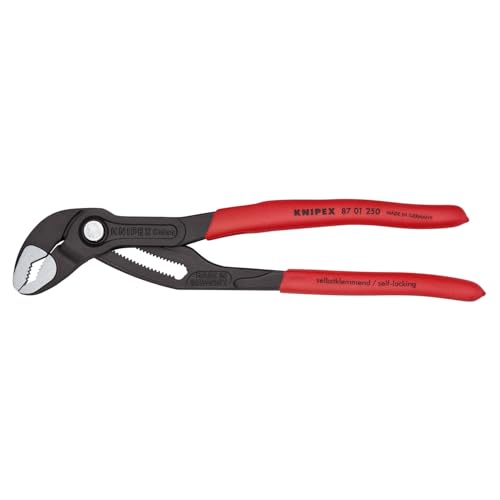
Compare jaw size, grip, and joint design to choose the best adjustable pliers for home repairs and plumbing jobs.
Adjustable pliers grip pipes, nuts, and odd shapes that fixed wrenches cannot handle, which makes them a staple in many toolboxes. If you want the best adjustable pliers for home repairs, start with the jaw opening you use most and the grip size that fits your hand. The product table shows the picks side by side, so you can compare jaw capacity, handle length, and price at a glance.
This guide explains how adjustable pliers work, what to compare, and how to avoid common buying mistakes. You will learn which jaw designs suit plumbing, which suit general repairs, and where spending more actually helps. By the end, you should be able to choose pliers that feel comfortable, grip firmly, and last through years of use.


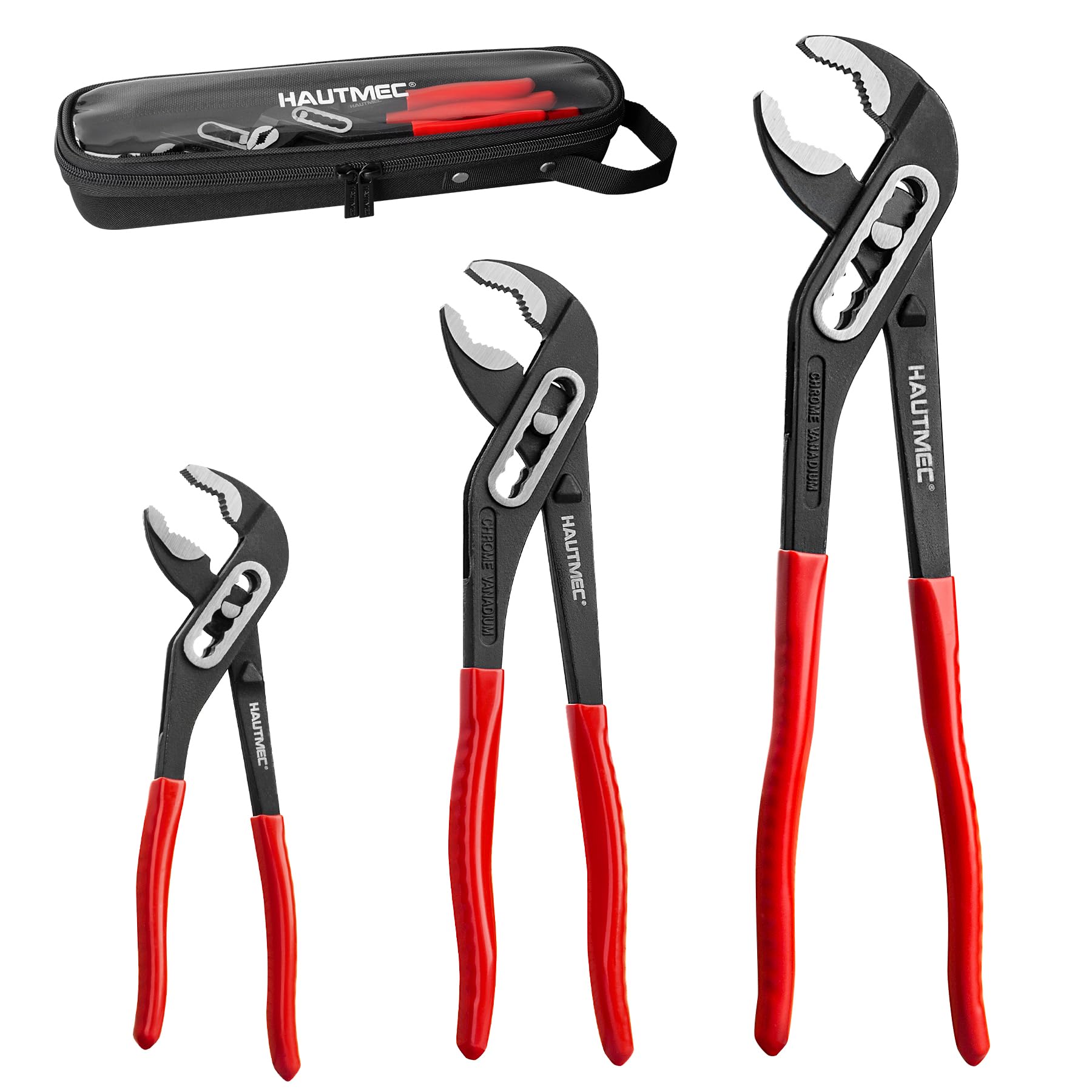

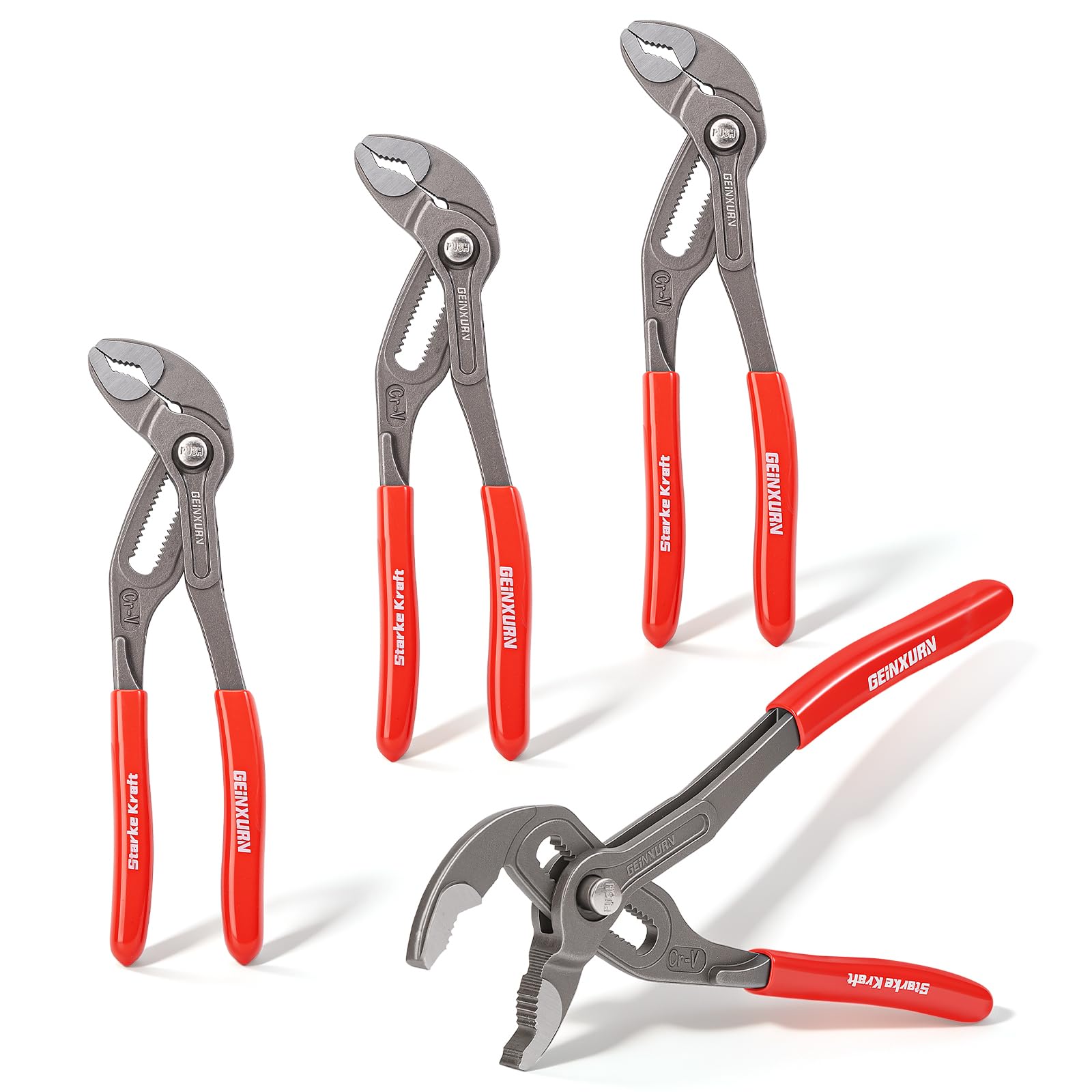
Spending Levels: What Each Price Tier Gets You
Budget pliers, usually about $10 to $25, suit light home jobs such as tightening a loose fitting or opening a jar style cap. They often have simpler joints and thinner handles, so they may flex under heavy force. Mid range pliers, about $25 to $50, usually offer stronger jaws, smoother adjustment, and more comfortable grips, making them a good fit for regular home repairs. Premium pliers, about $50 to $90, tend to use better steel, tighter joints, and grips that reduce hand fatigue during long jobs.
For most buyers, the mid range tier offers the best balance of strength and comfort. Choose a budget pair if you use pliers rarely and only for light tasks. Choose a premium pair if you work with pliers often, need a wide jaw opening, or want jaws that stay aligned after years of use. In every tier, check the jaw capacity and handle length first, since those decide which jobs the pliers can actually handle.
How to Choose the Best Adjustable Pliers: Buying Guide
Intended Use and Who It Is For
Think about your most common jobs: plumbing fittings, automotive hose clamps, furniture assembly, or general gripping and turning. Plumbing work favors a wide jaw opening and teeth that grip round pipes without slipping. General repairs favor a medium size pair that fits in a toolbox and handles nuts, bolts, and wire. Match the pliers to your jobs, not to the largest size available.
Safety and Certifications
Look for pliers made to a recognized standard for hand tools, and read the maker guidance on safe use. Insulated handles matter only if you work near live circuits, and they are not a substitute for turning power off first. Always wear eye protection when a part could slip or break free, and keep your fingers clear of the jaw hinge. Follow the maker safety guidance, and keep pliers away from children when not in use.
Ease of Use and Setup
Good adjustable pliers change jaw size with a smooth slide or tongue and groove action that locks firmly at each setting. The adjustment should move with one hand but stay put under load, without slipping to a wider setting. Handles should feel comfortable in your grip, with no sharp edges or pinch points near the joint. Try the action before a job: if the jaw slips or the handles pinch, the pliers will frustrate you in use.
Key Performance Specs
The key specs are jaw opening, handle length, jaw tooth design, and overall weight. Jaw opening decides the largest pipe or nut you can grip, so measure your common fittings before you buy. Longer handles give more leverage but take more space, while shorter handles suit tight spots.
Teeth should be sharp enough to grip but not so aggressive that they damage soft fittings. Weight matters during long jobs, since heavy pliers tire your hand faster.
Price vs Value
Value means strength, comfort, and durability for the price, not the lowest price alone. A cheap pair that slips or bends costs more in the long run if it damages a fitting or needs replacing. A mid range pair often gives the best value for regular home use, with solid steel and comfortable grips.
Premium pairs justify their cost for frequent users, but occasional users rarely need the extra refinement. Compare jaw capacity and build quality at each price point before deciding.
Warranty and Customer Support
A clear warranty covers defects in materials and workmanship for a set period, and it tells you how to claim if a joint fails. Keep your receipt and read the maker terms, since misuse such as using pliers as a hammer can void coverage. Support matters when grips wear out, so check whether replacement parts or service are available. A maker with clear support gives you a better chance of keeping the pliers in service for years.
Types of Adjustable Pliers
Mid Range Options
Mid range adjustable pliers suit regular home repairs, with strong jaws, smooth adjustment, and grips that stay comfortable during longer jobs. They handle most plumbing fittings, nuts, and general gripping tasks without flexing. They cost more than budget pairs, but the stronger joint and better steel usually repay the difference in durability. Choose this type if you reach for pliers at least a few times a month.
Compact Options
Compact adjustable pliers fit in a small toolbox, a kitchen drawer, or a travel kit, and they suit light jobs in tight spaces. Their shorter handles give less leverage, so they work best on small fittings and light gripping tasks. They are easy to carry and store, but they cannot replace a full size pair for large pipes. Choose compact pliers as a second pair, or as your main pair if space is tight and jobs are light.
Budget Options
Budget adjustable pliers suit occasional light jobs, such as tightening a garden hose fitting or gripping a small nut. They often have simpler joints and thinner grips, so they may feel less smooth under load. They are a sensible choice if you use pliers rarely and want a low cost backup pair. Avoid budget pliers for heavy or frequent work, where a stronger joint and better grip will serve you better.
Care and Maintenance Tips
- Read the manual before first use, so you learn the correct adjustment method and any limits on jaw capacity.
- Clean and inspect regularly: wipe away dirt and moisture, and check the teeth and joint for wear or damage.
- Store in a dry place, away from damp garages or outdoor bins where rust can form on the steel.
- Oil the joint lightly if it stiffens, using only the lubricant the maker recommends, and wipe off excess.
- Register the product for warranty if the maker offers it, and keep your receipt in case a defect appears.
Good care also means using pliers only for gripping and turning, not as a hammer or a pry bar, which can bend the jaws. If the teeth wear smooth or the joint no longer locks, replace the pliers rather than forcing them to work. For related hand tool choices, see our guide to the best adjustable wrench when a flat jaw suits the job better. A guide to the best lineman pliers helps if you need a fixed jaw for electrical work, while the best fence pliers suit fencing and wire jobs.
Frequently Asked Questions
How much should I spend on adjustable pliers?
Most home buyers spend about $25 to $50 for a solid mid range pair that handles regular repairs well. Budget pairs at about $10 to $25 suit rare light jobs, while premium pairs at about $50 to $90 suit frequent or demanding use. Spend based on how often you use pliers and how large the fittings are, not on brand claims alone. A mid range pair with the right jaw opening usually gives the best value for a typical home toolbox.
What features matter most when buying adjustable pliers?
Jaw opening, joint strength, handle comfort, and overall length matter most, since they decide which jobs the pliers can handle and how they feel in use. A jaw that opens wide enough for your largest fitting is essential, while a joint that locks firmly prevents slipping under load. Comfortable grips reduce fatigue, and the right length balances leverage against access in tight spaces. Check those four features before weighing extras such as coatings or storage cases.
How do I maintain adjustable pliers?
Clean the pliers after dirty jobs, dry them before storage, and inspect the teeth and joint for wear. Oil the joint lightly only if the maker recommends it, and wipe away excess so dirt does not stick. Store the pliers in a dry toolbox, away from moisture that causes rust. Replace the pliers if the teeth wear smooth, the joint wobbles, or the jaw no longer locks, since worn pliers can slip and damage fittings or injure your hand.
How long do adjustable pliers last?
A well made pair can last many years, often a decade or more of home use, with basic cleaning and dry storage. Lifespan depends on how often you use them, how much force you apply, and whether you use them only for gripping. Pliers used as hammers or pry bars wear out far faster than pliers used correctly. Replace them when the joint loosens, the teeth flatten, or the handles crack, since those faults reduce grip and safety.
Are expensive adjustable pliers worth it?
Expensive pliers are worth it mainly for frequent users, who benefit from stronger steel, tighter joints, and grips that reduce fatigue. Occasional users often get equal results from a mid range pair, provided the jaw opening and length fit their jobs. The extra cost pays off when you need a wide jaw, a long handle, or durability under daily use. For rare light jobs, a budget pair is a sensible choice, but check that the joint locks firmly before you buy.
Our Verdict
Choose pliers with a jaw opening that fits your largest common fitting, a joint that locks firmly, and handles that feel comfortable in your hand. Mid range pliers offer the best balance for most home buyers, while budget and premium tiers suit lighter or heavier use. Check the product table, compare the options that match your jobs, and pick the pair you will reach for with confidence. Choosing the best adjustable pliers for your needs makes home repairs faster, safer, and far less frustrating.


