Best Adjustable Wrench Multi Tool for 2026: Everything to Know Before Your First Purchase
Disclosure: We may earn a commission when you buy through links on this page, at no extra cost to you. As an Amazon Associate I earn from qualifying purchases. Learn more

The best adjustable wrench multi tool matches your jobs: compare jaw size, tool count, grip comfort and budget in this first time buyer guide.
If you want one compact tool that can handle many common fasteners, a best adjustable wrench multi tool is a practical place to start. It combines an adjustable jaw with other everyday tools, so you can tighten, loosen, and make small fixes without carrying a full toolbox. The product table shows the main options side by side, so you can see how size, tool count, and price level differ before you read further.
This guide explains the basics in plain language, then walks through size, safety, ease of use, and long term costs. It is written for first time buyers, not for people who already know workshop terms. By the end, you should be able to pick the best adjustable wrench multi tool for the jobs you actually do, rather than buying the largest or most crowded option on the shelf.





Adjustable Wrench Multi Tools 101: The Basics
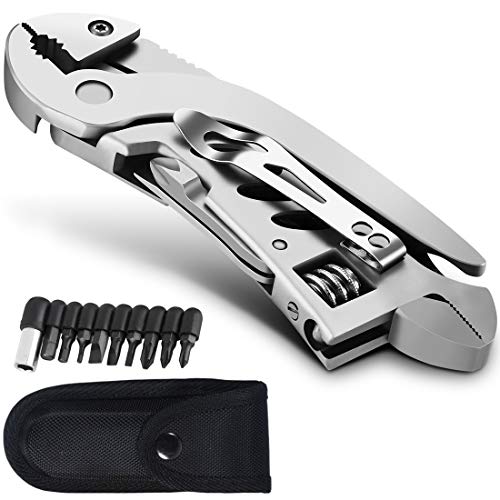
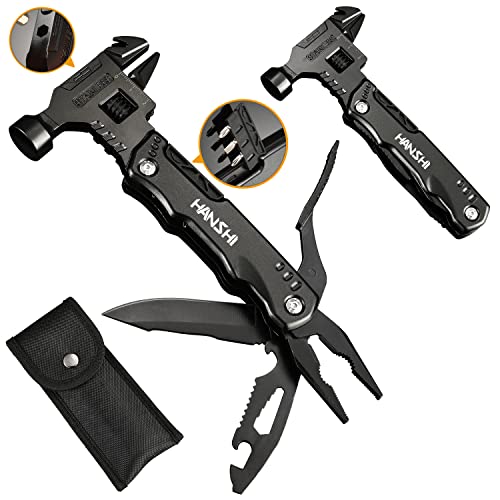
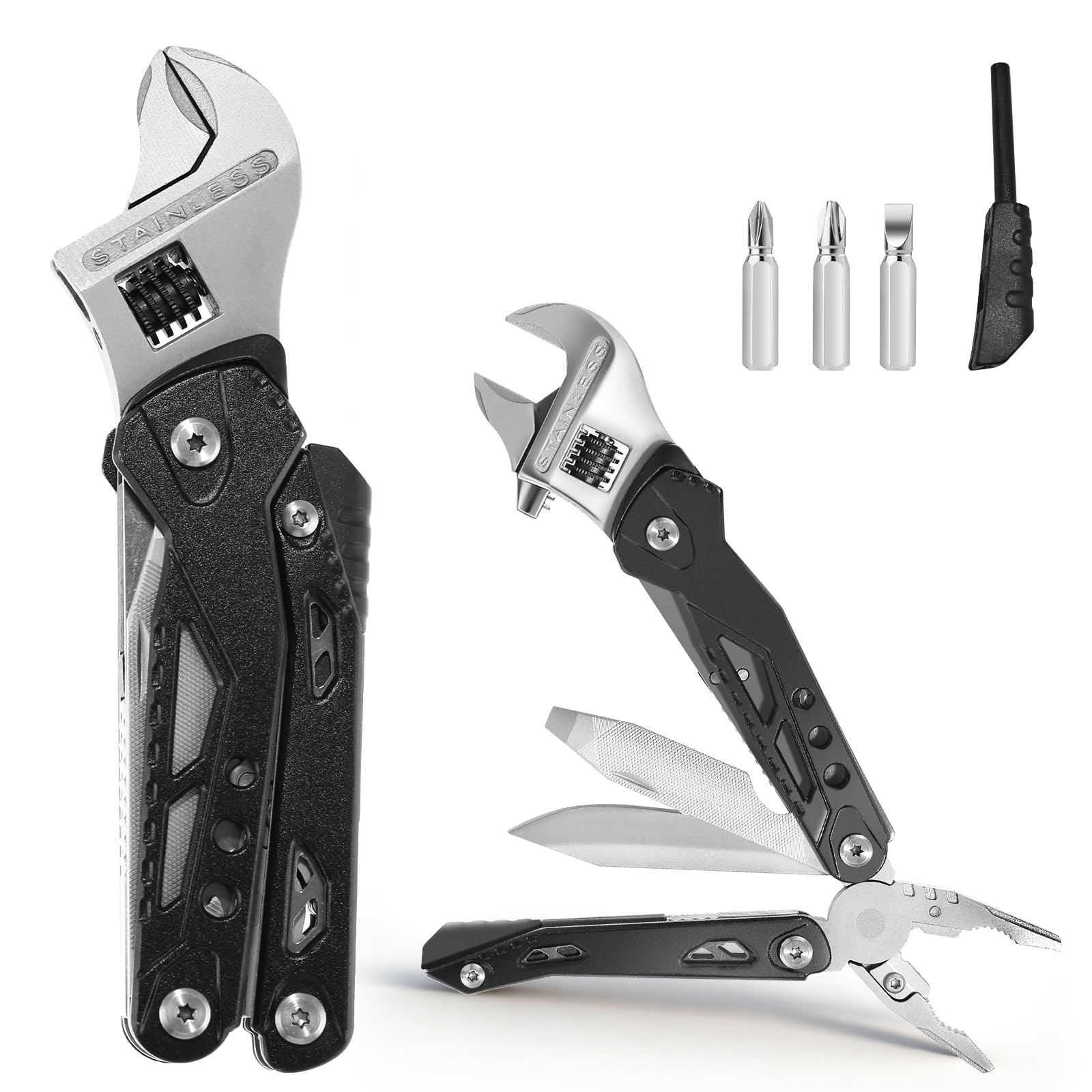
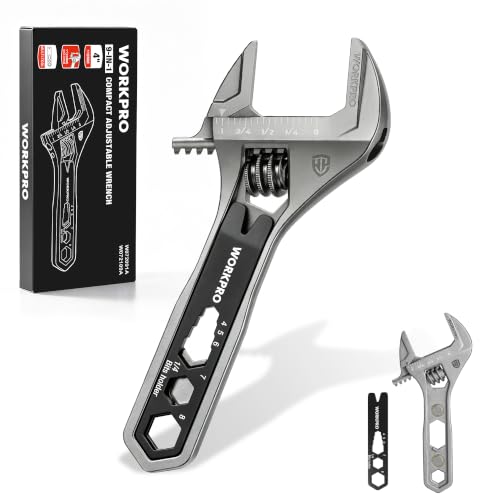
An adjustable wrench multi tool starts with a wrench jaw that moves to fit different nut and bolt sizes. A small thumb wheel or slide changes the jaw opening, so one tool can replace several fixed size wrenches for light and medium jobs. Around that jaw, makers add other tools such as screwdriver bits, pliers, or a file, and the exact mix varies.
Think of this product as a convenience tool for everyday fixes. It works well for assembling furniture, tightening a loose bolt on a gate, or adjusting a bicycle part. It is less suited to heavy torque work or rusted fasteners, where a dedicated wrench gives a firmer grip.
The key terms are simple once you know them. Jaw capacity means the largest opening the wrench can reach. Overall length affects leverage and pocket fit. Tool count means how many functions are folded into the body, and locking means the jaw holds its setting under force.
Key Specs Explained in Plain English
The specs below cover the points that matter most for a first purchase. Read them in order, and note which ones match your own jobs. A tool that scores well on every spec but feels awkward in your hand is still a poor choice for daily use.
Intended Use and Who It Is For
Start by listing the jobs you expect to do in the next year. Home repairs, camping setup, bicycle care, and small assembly jobs each favor a different mix of tools. A home repair user may value a sturdy jaw and a few screwdriver bits, while a cyclist may want a compact body. For a related comparison, see our guide to the best mountain bike multi tool when your main use is trailside repair.
Size, Weight, and Fit for Your Space
Length and weight shape both leverage and portability. A longer tool gives more turning force, but it may be too large for a pocket or a small kit. A shorter tool travels well, yet it can feel weak on a tight nut. Check the folded size and the jaw capacity, and compare it with the largest fastener you plan to turn.
Safety and Certifications
Safety starts with a jaw that locks or holds its setting under load. A jaw that slips can round a fastener, scrape a knuckle, or damage a nearby surface. Look for a smooth thumb wheel and a jaw that sits square on a nut without wobble. Wear eye protection when you work with spring loaded parts or rusted metal, and keep sharp edges closed and the tool away from children.
Ease of Use and Setup
There is almost no setup for this kind of tool, which is part of its appeal. You open the jaw, set it to the fastener, and check that it sits flat before you turn. The best designs let you adjust the jaw with one hand, so the other hand can hold the work steady. Grip texture matters when your hands are wet or oily, and a slim body helps in tight spaces.
Maintenance and Long Term Costs
Long term cost is usually low, but it is not zero. Keep the jaw clean, wipe away grit after outdoor use, and add a tiny drop of light oil when the action feels stiff. Dry the tool before storage to slow rust on steel parts. Replacement costs mainly come from lost bits or a worn jaw, so check whether bits are standard sizes.
Key Performance Specs
The most useful performance spec is jaw capacity, followed by jaw strength and grip comfort. A wider jaw covers more fasteners, but a very wide jaw on a short body can feel unbalanced. For a closer look at jaw sizes on their own, see our guide to the best adjustable wrench before you decide how much of your budget should go to the wrench part. Bit count is useful only if the bits match the screws in your home.
Rookie Mistakes to Avoid
- Using the jaw at an angle, which can round a fastener and reduce grip.
- Choosing the largest tool count, even when half the tools will never be used.
- Forcing a tight or rusted nut, which can damage the jaw and injure a hand.
- Skipping a trial fit, so a loose jaw slips at the worst moment.
- Storing the tool wet or dirty, which invites rust and stiff movement.
Each of these mistakes is easy to avoid once you know to watch for it. Check the fit, keep the jaw square, and stop if a fastener will not move with steady pressure.
Getting Started: Setup and First Use
Read the manual before first use, even if the tool looks simple. The manual explains how each function opens and how the jaw locks. Open and close each tool once, away from your face, to learn the motion and the locking points. Clean and inspect regularly after use, and check the jaw for chips, cracks, or play before each job.
Frequently Asked Questions
What features matter most when buying adjustable wrench multi tools?
Jaw capacity, jaw stability, grip comfort, and usable bit count matter most for a first purchase. A wide jaw covers more fasteners, while a stable jaw stays set under load and protects both the fastener and your hand. Grip comfort matters because a tool that hurts to hold will be used with less control. Also check whether the tool opens one handed.
How do I maintain an adjustable wrench multi tool?
Clean the tool after use, dry it fully, and store it closed in a dry place. Wipe grit from the jaw track, and add a tiny drop of light oil only when the thumb wheel feels stiff. Check bits for wear and replace a damaged bit rather than forcing it into a screw head. Keep a small cloth in the same kit, so cleaning becomes part of putting the tool away.
How much should I spend on an adjustable wrench multi tool?
Most first time buyers spend about $20 to $60 for a solid everyday option, while simpler pocket tools can cost under $20. Higher spending usually buys better steel, smoother adjustment, and a more comfortable grip, not a longer list of rarely used tools. Set your budget after you list your jobs, then compare jaw capacity and comfort within that range. Also check replacement bit cost, since a cheap tool with costly bits can cost more over time.
Are expensive adjustable wrench multi tools worth it?
A higher price can be worth it when it buys a firmer jaw, smoother adjustment, and a grip that stays comfortable during longer jobs. It is less worth it when the extra cost only adds tools you will not use or a finish you do not need. Compare two tools by jaw fit and hand feel, not by price alone. Also check warranty service for a worn jaw or a broken hinge before you pay more.
How long does an adjustable wrench multi tool last?
With light home use and basic care, a well made tool can last many years. Life depends more on use and storage than on age alone, since a tool left wet or forced on seized fasteners will wear faster. Signs that it is time to replace it include a jaw that will not hold its setting, visible cracks, or a hinge that feels loose. Retire a tool from heavy jobs once the jaw shows play, even if it still works for light tasks.
The Bottom Line
Choose by jaw capacity, jaw stability, and grip comfort first, then by the extra tools that match your real jobs. A mid size tool with a smooth adjustment and a sensible price level often serves a first time buyer better than a crowded or oversized option. Keep the tool clean, store it dry, and use a dedicated wrench for seized or high torque fasteners. If you follow those points, a best adjustable wrench multi tool can be a reliable everyday companion, and the product table above can help you compare the main options before you buy.