Best Adjustable Dumbbell Sets 2026: Guide
Disclosure: We may earn a commission when you buy through links on this page, at no extra cost to you. As an Amazon Associate I earn from qualifying purchases. Learn more

Compare adjustable dumbbell sets for home workouts: weight range, adjustment speed, footprint, and durability tips for buyers.
One adjustable set can replace a whole rack of fixed dumbbells, which makes it ideal for home gyms short on space. The best adjustable dumbbell sets differ in how they adjust, how heavy they go, and how they feel in the hand. This guide explains those differences so you can choose a set that matches your training, your space, and your budget.
The comparison table below shows options side by side, but weight range and adjustment mechanism matter most. A set that tops out too light will limit progress, while a slow or fiddly adjustment breaks the flow of a workout. Think about the heaviest lift you plan to do, the space you have, and who else will use the set.





Who Should Buy Adjustable Dumbbells
Adjustable dumbbells suit home exercisers who want strength training without a rack of fixed weights. They work well for full body workouts, circuit training, and progressive programmes where weights increase gradually. They are less ideal for dropping weights overhead, which can damage adjustment mechanisms, so lifters who drop weights should consider fixed rubber dumbbells instead.
- Home gym owners short on space
- Beginners and intermediates building strength
- Circuit trainers who change weights often
Adjustment Mechanisms Compared
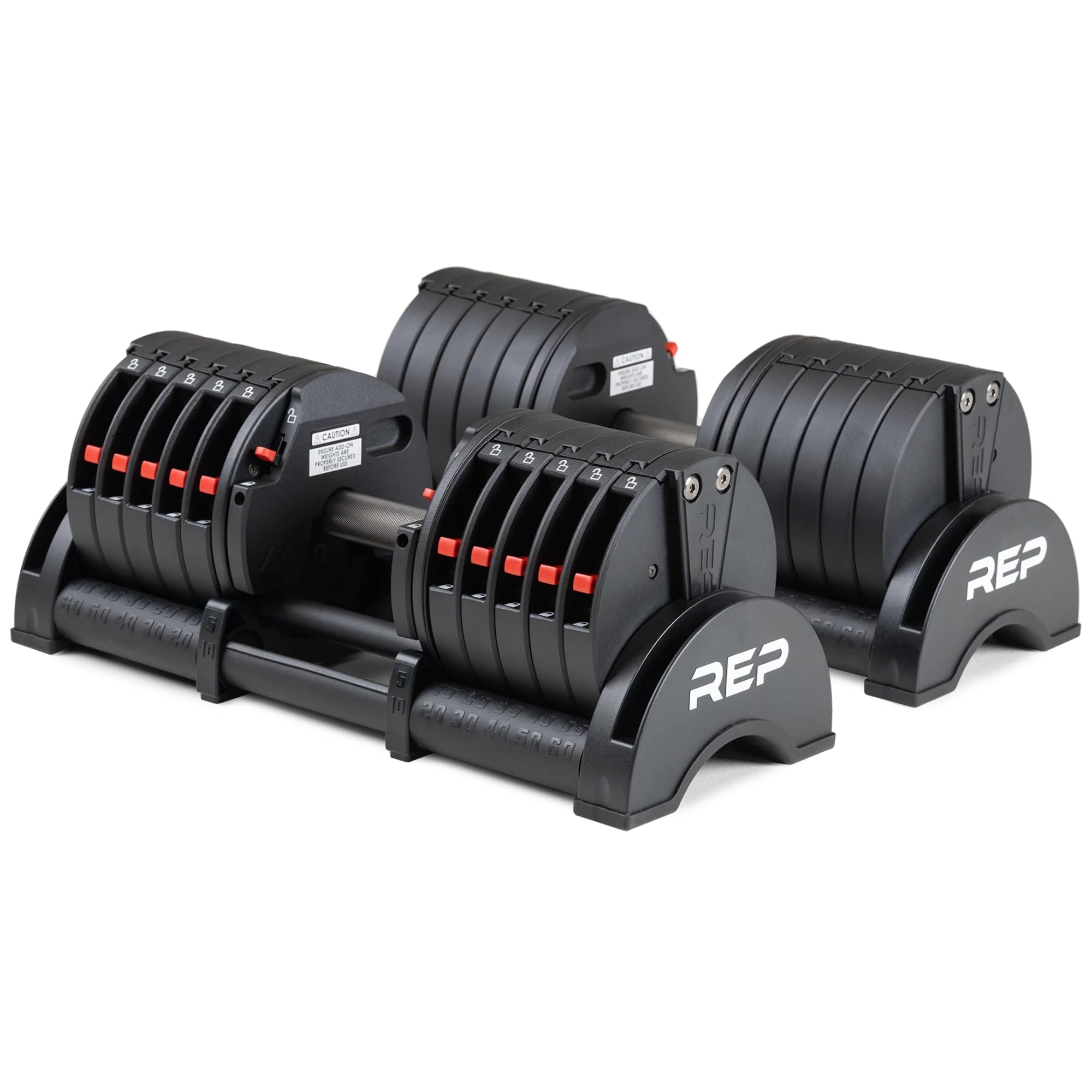
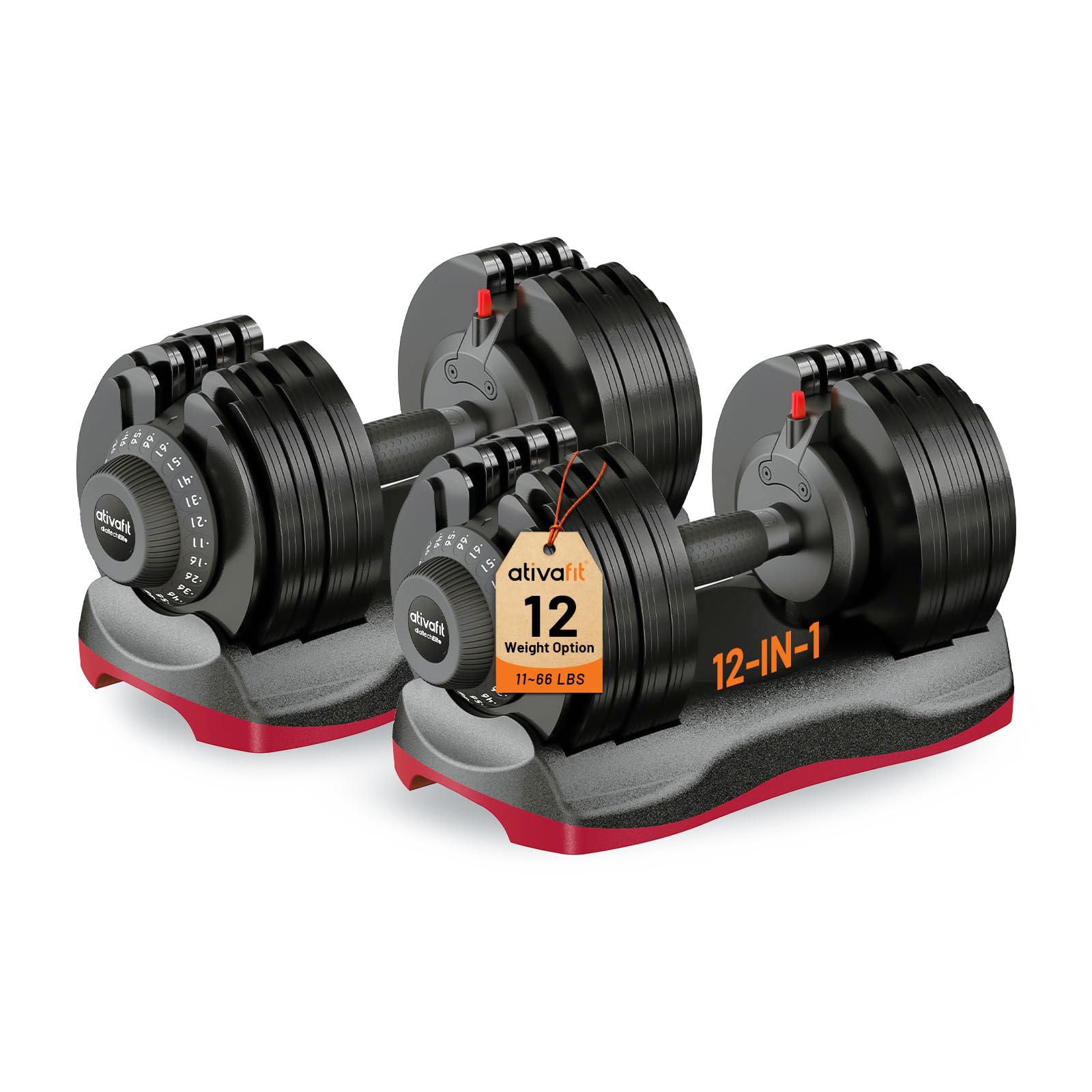
Dial systems let you twist a handle to select weight, which is fast and suits circuits and drop sets. Pin systems use a selector pin, which is simple and robust but slower between sets. Plate loading systems let you add plates by hand, which is cheap and expandable but slowest of all. Each system trades speed against durability and cost.
Check how the mechanism locks: weights should click or pin firmly with no rattle, and the handle should feel secure at every setting. Test the change with both hands if possible, and time a switch: if it takes more than a few seconds, it will frustrate circuit work. Also check the smallest increment, since 2.5 pound steps help steady progress more than large jumps.
Weight Range, Feel, and Footprint
Weight range decides how long a set lasts you. Beginners may start happily with a set topping out around 25 pounds per hand, while stronger lifters need 50 pounds or more. Expandable sets let you buy more plates later, which spreads cost but adds complexity. Buy for the weight you will need in a year, not just the weight you lift today.
Feel matters as much as numbers. Some adjustable dumbbells are long and bulky at light settings, which changes balance for curls and presses. Handles should suit your grip: knurled steel grips well, while smooth or thick handles tire smaller hands faster. Measure the footprint too, including the storage cradle, and check it fits your workout space with room to step around it.
Common Mistakes to Avoid
A common mistake is buying the cheapest set with a weak locking mechanism, then finding plates slip during lifts. Another is choosing a set that is too light, then outgrowing it within months and buying again. A third is ignoring the floor: heavy dumbbells need a stable surface and, ideally, a mat to protect flooring and reduce noise.
Do not skip the safety check before each session. Confirm the selector is fully engaged, check for cracks or loose parts, and set weights down rather than dropping them. Keep children and pets clear of the storage cradle, and store the set where it cannot tip. A few seconds of checking prevents most adjustable dumbbell accidents.
Everyday Use and Care
Wipe handles and plates after sweaty sessions to prevent rust and grip loss, and keep the mechanism free of dust and chalk buildup. Store the set in its cradle on a level floor, and avoid stacking other gear on top. If a dial sticks or a pin bends, stop using the set and contact the maker rather than forcing it.
Build a simple routine: warm up, work through compound moves first, and finish with isolation work. Track your weights so progress is visible, and increase load gradually rather than jumping to the heaviest setting. If you feel sharp pain, dizziness, or chest discomfort during training, stop and seek advice promptly; a home gym is no place to push through warning signs.
Related guides help you compare nearby options. See fixed style options in best dumbbells sets, rack style storage in best dumbbell sets with rack, flexible weight choices in best adjustable weight sets, and budget picks in best affordable dumbbell sets.
Programming Progress With Adjustable Weights
Adjustable dumbbells shine in a simple progressive programme. Pick five or six compound movements that cover legs, push, pull, and core, and train them two or three times a week. Start with weights that feel challenging for the last two repetitions of each set, and add the smallest increment only when you can complete all sets with good form.
Use the quick adjustment to your advantage. Supersets pair two exercises back to back with a fast weight change between them, which saves time and keeps your heart rate up. Drop sets, where you reduce weight and continue, work well too, since dial or pin changes take seconds. Keep rest periods honest with a timer rather than drifting between sets.
Track every session in a notebook or app: exercise, weight, sets, and repetitions. Progress hides in small numbers, and a log shows it clearly. When progress stalls for several weeks, change one variable at a time, like repetitions, tempo, or exercise order, rather than overhauling everything. Steady, logged progress beats heroic single sessions every time.
Training Safely at Home
Home strength training needs a safe space. Clear the floor around your lifting area, use a mat to protect flooring and dampen noise, and keep children and pets out of the area during sets. Check that your dumbbell locks engage fully before each lift, and set weights down with control rather than dropping them, which damages mechanisms and floors.
Form matters more than weight, especially without a coach watching. Film yourself occasionally from the side during rows, presses, and squats, and compare your form with reputable instructional videos. Stop a set when form breaks down rather than grinding through ugly repetitions, since poor form under load causes injuries that a home gym cannot treat. Progress steadily, and respect pain signals.
Storing Adjustable Dumbbells Safely
Storage protects both the dumbbells and everyone in the house. Keep the set in its cradle on a level floor, against a wall where it cannot be tripped over, and away from damp areas that encourage rust on plates and mechanisms. Never stack heavy objects on top of the cradle, since pressure can bend selector pins or dials. If children visit, explain that the dumbbells are not toys and keep the area supervised, since a dropped plate or a pinched finger happens quickly. A tidy, dedicated corner for your set keeps workouts inviting and accidents rare, which is exactly what a home gym should be.
Frequently Asked Questions
Are adjustable dumbbells as good as fixed dumbbells?
Adjustable dumbbells match fixed dumbbells for most home exercises, with the advantage of saving space and cost. Fixed dumbbells feel more compact and survive being dropped, while adjustable sets can feel longer and need gentler handling. For general strength training at home, a good adjustable set is an excellent choice; for heavy Olympic style lifting, fixed weights suit better.
How heavy should my adjustable set go?
Choose a maximum weight above your current heaviest lift, since strength grows with training. A set topping out at 50 pounds per hand suits most intermediate lifters, while beginners may start lower and expand later. Consider your biggest compound moves, like rows and presses, rather than curls, since those need the most weight.
Are dial or pin systems better?
Dial systems are faster, which suits circuits and supersets where weights change often. Pin systems are simpler and often more robust, but slower between sets. Plate loading systems are cheapest and most expandable, but slowest. Choose dial for speed, pin for simplicity and toughness, and plate loading if budget and expansion matter most.
Can I drop adjustable dumbbells?
Most makers advise against dropping adjustable dumbbells, since impact can damage the locking mechanism and plates. Set weights down with control, use a mat to protect the floor, and choose fixed rubber dumbbells if your training involves dropping weights. If a mechanism ever feels loose or damaged, stop using the set until it is checked.
How much space do adjustable dumbbells need?
A pair of adjustable dumbbells with cradles typically needs about the footprint of a small bench, plus room to step around them safely. Measure the cradle size, not just the dumbbell, and leave clear floor on both sides for lifting. A mat underneath protects flooring and keeps the set stable during use.
Final Thoughts
The product table above narrows the field, but your training decides. The right set of best adjustable dumbbell sets adjusts quickly, locks firmly, and covers the weights you will need as you grow stronger. Test the mechanism, check the footprint, and buy for next year's strength, not just today's.
Start light, progress steadily, and check the lock before every session. A well chosen adjustable set turns a corner of a room into a complete strength gym.