Best Adirondack Cushions in 2026: Every Type Explained Side by Side
Disclosure: We may earn a commission when you buy through links on this page, at no extra cost to you. As an Amazon Associate I earn from qualifying purchases. Learn more

Compare Adirondack cushion types, sizes, fills and outdoor fabrics so you can choose the best adirondack cushions for your chair, porch and budget.
An Adirondack chair invites you to sit back, but its wide slats and deep recline were built for lounging, not softness. The best adirondack cushions fix that gap without fighting the shape of the chair. This guide compares each type side by side, so you can use the comparison table below with confidence.
Start with your chair and your yard. Measure the seat and back before you shop, note how much sun and rain the spot gets, and decide how long you usually sit. Those facts point you to the right size, fill and fabric far faster than color alone.


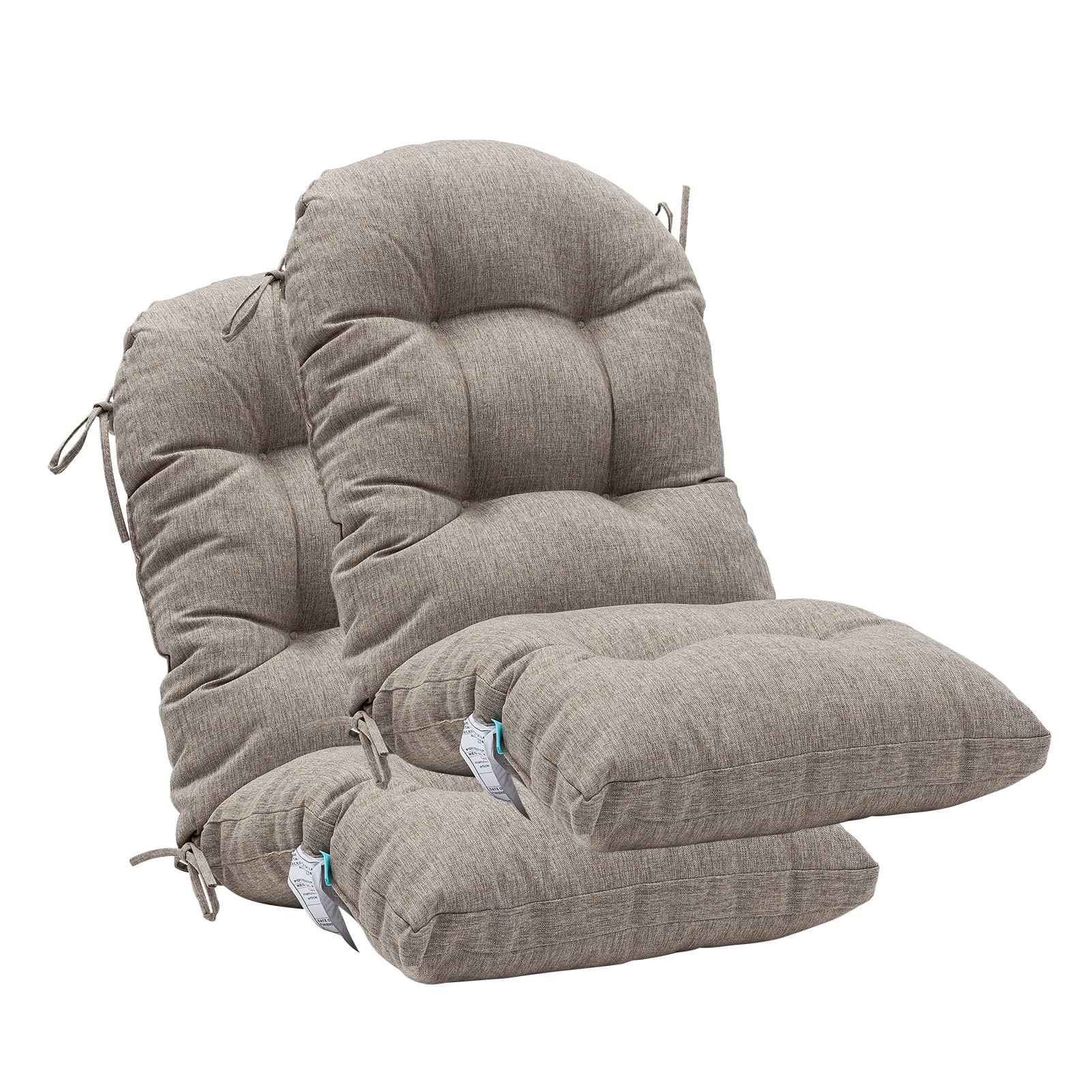

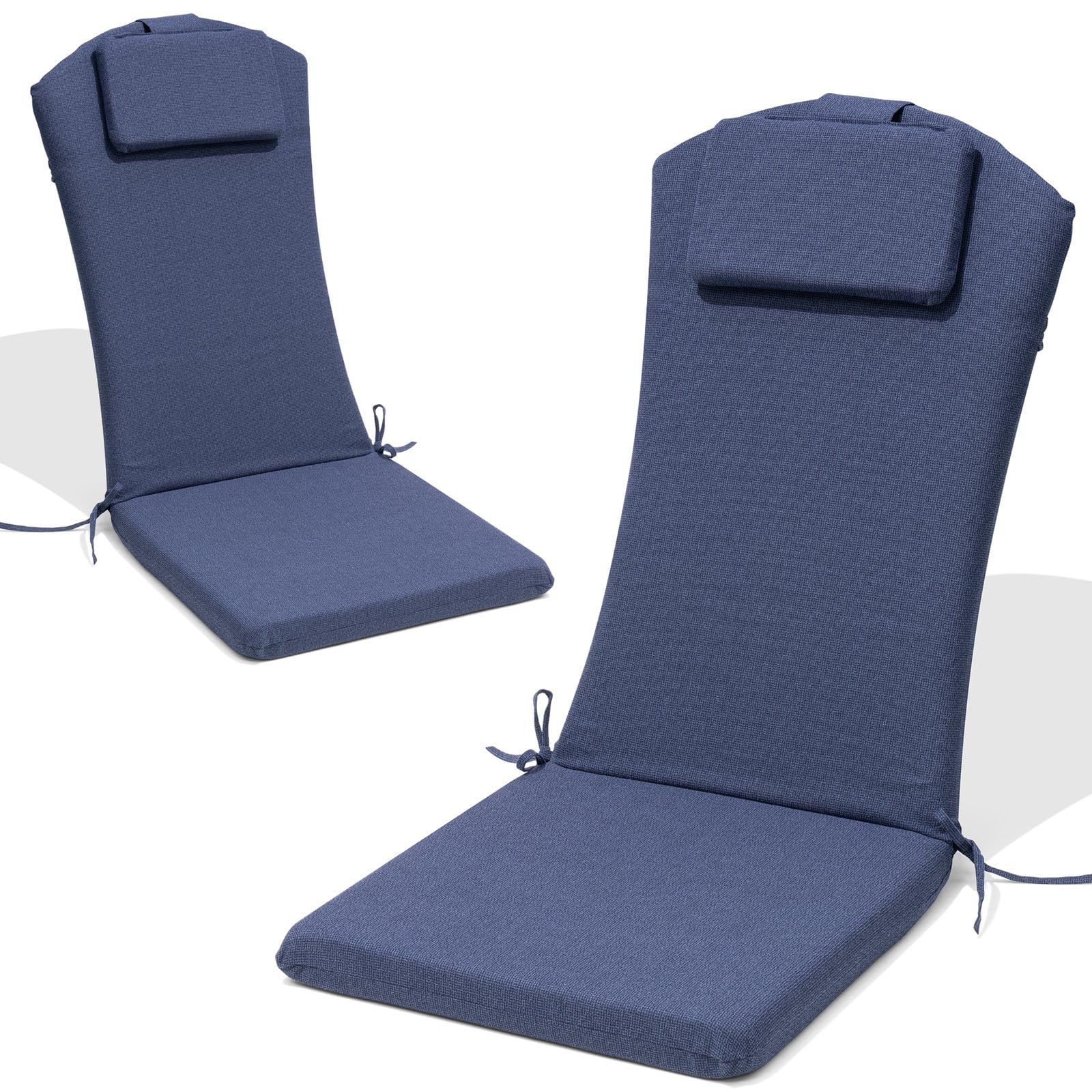


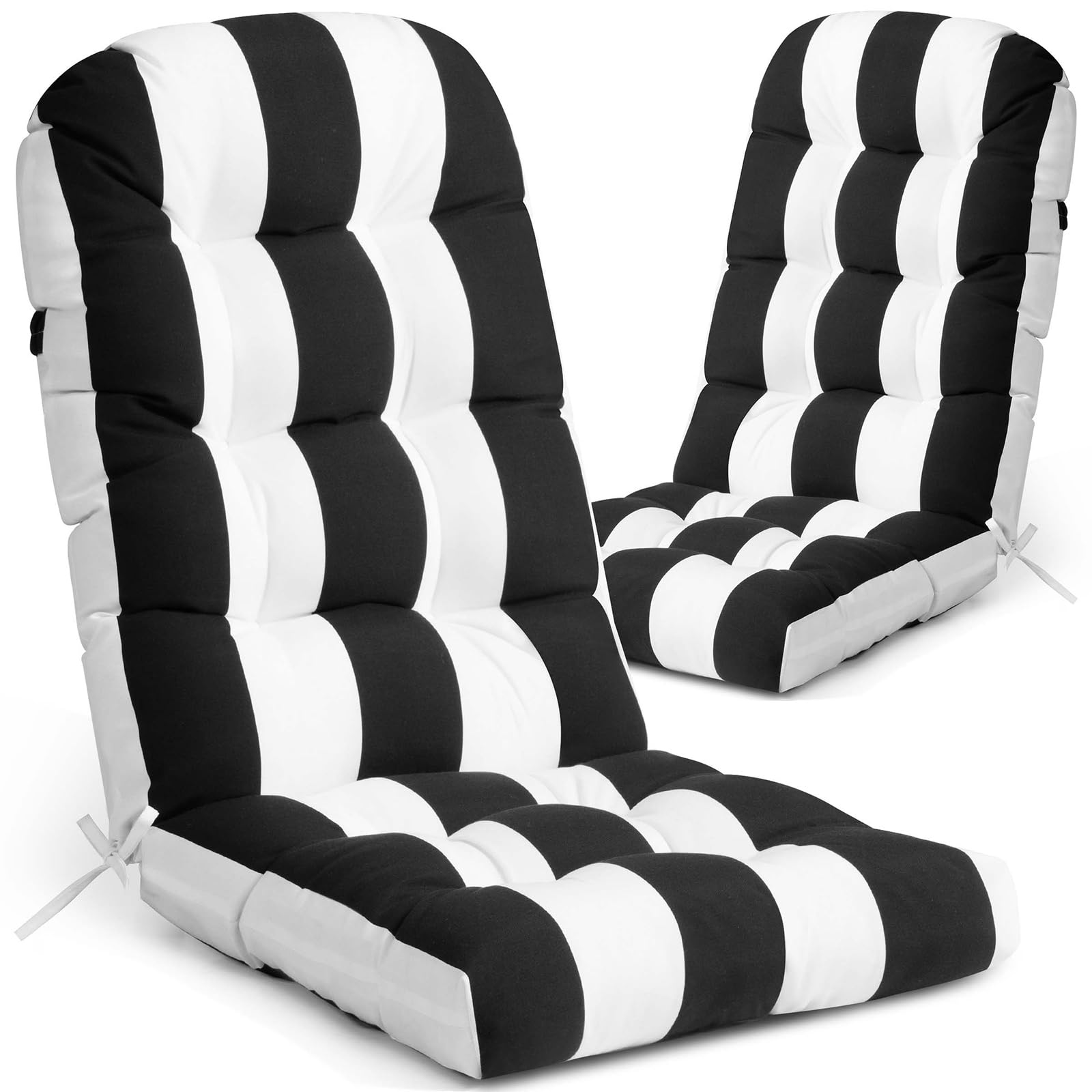
Who Should Buy Which Adirondack Cushions?
Match the cushion to the chair you own and the way you use it. A pad that suits a quick coffee may feel thin during a long evening outside.
Owners of Classic Wood Chairs With Wide Slats
You feel the gaps between slats through a thin pad, and the hard seat edge presses behind your knees. Choose a thicker seat cushion or a full chair cushion that covers the seat and back. Look for ties at the back corners, because wide slats give a cushion fewer solid points to grip.
Porch and Patio Readers Who Sit for Hours
You stay in one chair through a book or a long talk, so support matters more than a quick soft feel. Choose a full chair cushion with firm fill that holds its shape under your hips. For a styled porch, see our guide to the best throw cushions for accents you can move indoors at night.
Poolside and Sunny Yard Owners
Your cushions face strong sun, splashes and sudden showers, so fabric and drainage matter as much as comfort. Choose solution dyed outdoor fabric and fill that sheds water, in a design you can tip upright to drain. Lighter colors show less fading, while darker colors can feel hot at midday.
Types of Adirondack Cushions Compared
The three main types differ in coverage, bulk and price. Seat only styles cost about $25 to $50, full chair styles cost about $60 to $120, and separate sets fall between those ranges.
Seat Only Cushions
A seat only cushion pads the part of the chair that carries most of your weight and leaves the slatted back bare. It is the lightest and cheapest type, stores in a small space, and dries quickly because there is less fill to hold water. For other outdoor seating, see our guide to the best seat cushions to compare pad shapes.
Full Chair Cushions With an Attached Back
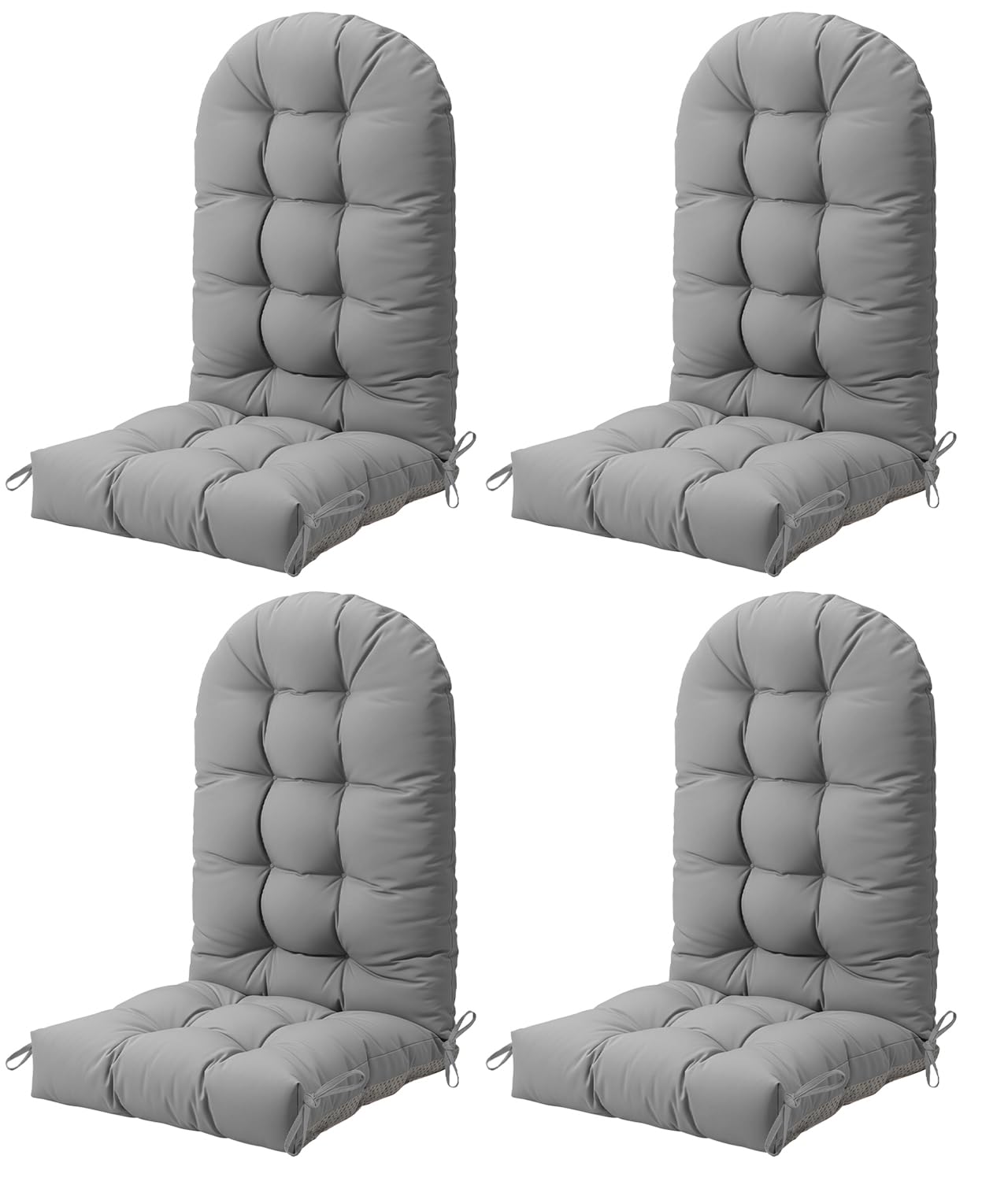
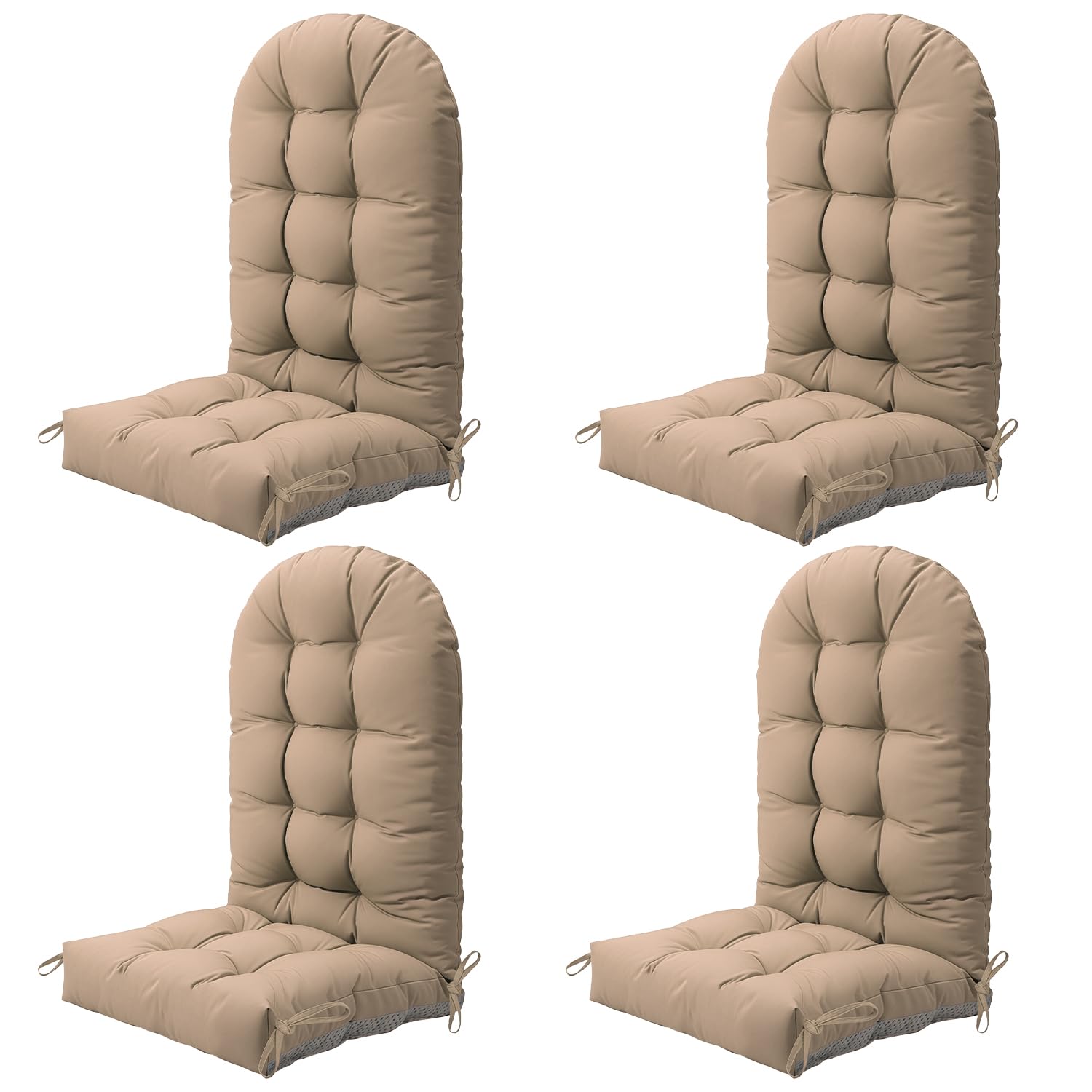
A full chair cushion joins seat and back in one piece, often with a hinge fold where the chair bends. It pads your shoulders and lower back and stays in place better, because its weight and ties work together. The trade offs are bulk, a higher price and slower drying.
Separate Seat and Back Sets
A two piece set splits the seat pad and the back pad, so you can replace, wash or store each part on its own. You can also mix thicknesses, such as a firm seat with a softer back. The gap between pieces can let the back pad slide down unless it has its own straps. Each piece weighs less than one full cushion, which makes handling easier.
Key Features to Compare
Once you pick a type, compare these factors in order. Fit comes first, because even the best adirondack cushions cannot feel right in the wrong size.
Size and Fit on a Sloped Seat
Adirondack seats slope down toward the back and the backs recline, so flat measurements can mislead you. Common seat pads run about 20 to 22 inches wide and 18 to 20 inches deep, while full back sections often reach 28 to 32 inches tall. A cushion that is too wide buckles between the arms, and one that is too narrow shifts over the slats. Leave about half an inch of clearance on each side.
Fill and Thickness
Most outdoor cushions use polyester fiberfill, foam, or foam wrapped in fiber. Fiberfill feels soft at first and costs less, but it flattens over a season of daily use. Foam holds its shape longer and supports heavier sitters, while a wrapped blend balances firm support with a softer surface. Thickness usually runs about 3 to 5 inches before compression. Choose the thicker, firmer end if you sit for hours.
Outdoor Fabric and Fade Resistance
The cover faces sun, rain and dirt, so fabric choice decides how a cushion looks in its second summer. Solution dyed acrylic and olefin resist fading well, because the color runs through the fiber. Printed polyester costs less but can fade faster in direct sun. A tight weave sheds light rain and brushes clean more easily. If long service matters most, see our guide to the best quality cushions for cover wear notes.
Water Drainage and Quick Drying
Outdoor fill will get wet at some point, so how fast it dries matters as much as how it resists water. Open cell foam and loose fiber let water pass through and release it when you stand the cushion on edge. Dense foam can hold water longer and feel heavy after a storm. Look for vents or mesh panels on the underside of thick cushions. Fast drying also limits musty smells in humid climates.
Ties and Straps That Hold in Wind
A cushion on a reclined back slides under your weight and lifts in wind when nothing holds it. Fabric ties are common and easy to replace, but they can tear at the seam if knotted too tight. Straps with hook and loop closures adjust faster and grip frame rails more evenly. Check that attachment points line up with solid parts of your chair, not gaps between slats. Four points hold far better than two.
How to Measure Your Adirondack Chair for a Cushion
Measure the chair itself, not an old cushion that has stretched or flattened. For seat width, measure between the arms at the front and near the back, because many frames taper. For depth, follow the slope from the front edge to where the seat meets the back. For back height, measure from that joint to the top rail.
Compare those three numbers with each listed size, allowing for thickness above the slats. A thick cushion pushes you slightly forward, so tall sitters may prefer a thinner back. If your chair is a folding or resin model, check our guide to the best cushions for adirondack chairs for fit notes on those frames.
Common Mistakes to Avoid
- Buying by color alone and skipping measurements leaves you with a cushion that buckles between the arms.
- Choosing indoor cushions for outdoor use leads to fading, soaked fill and mildew in one wet season.
- Picking the thickest fill without checking fit raises you so high that your feet lose steady ground contact.
- Leaving cushions flat after rain traps water in the fill and creates a musty smell.
- Tying ties to gaps between slats instead of solid rails lets the cushion slip and tears the seams.
- Storing cushions in a sealed plastic bag while damp seals in moisture and stains the cover.
Care and Maintenance of Adirondack Cushions
Brush loose dirt off the cover weekly and spot clean spills with mild soap and water before they set. Check the care label before a deep clean, since some covers unzip for washing while tufted cushions must be cleaned whole. Rinse soap out fully, because residue attracts dirt, and dry the cushion on edge in shade.
Fluff fiberfill by hand every few weeks to lift flat spots. Before winter, clean and dry cushions fully, then store them in a dry shed, garage or storage box, off a damp floor.
Frequently Asked Questions
How thick should an Adirondack chair cushion be for long sits?
For long sits, choose about 4 to 5 inches of fill before compression, with foam or a wrapped blend inside. That depth keeps slats from pressing through once the fill softens under your weight. For sits under an hour, about 3 inches usually feels fine. Test the height first by sitting on a folded towel of similar depth.
Can Adirondack cushions stay outside all summer?
Yes, outdoor rated Adirondack cushions can stay outside all summer if the fabric and fill are made for weather. They last longer if you stand them on edge after heavy rain and bring them under cover in long wet spells. Tip each cushion forward when you leave the yard, so water runs off instead of pooling in the seat dip.
How do you keep an Adirondack cushion from sliding down the back?
Fasten the upper straps or ties to a solid back rail, not to a single slat that flexes. If your cushion has only seat ties, choose a back pad with its own straps. A thin grip mat cut to the seat shape also reduces sliding on smooth resin chairs. Retighten the fastenings once the fill settles after the first few sits.
How often should you replace an Adirondack cushion?
Replace an Adirondack cushion when the fill stays flat after fluffing or the cover tears beyond repair. With regular summer use, fiberfill often feels tired after about two to three seasons, while foam cores tend to last longer. Sit for ten minutes as a test: if you can clearly feel each slat, the fill no longer does its job.
Do Adirondack cushions fit folding and resin chairs the same way?
No, folding and resin Adirondack chairs often have narrower seats and smoother surfaces than classic wood chairs. Measure those frames with extra care and favor straps, since ties can slip on smooth plastic. Folding chairs need a cushion thin enough to fold, or one you remove before closing the frame. Store the removed cushion in one set spot.
Final Thoughts
Start with fit, then choose fill for how long you sit and fabric for your weather. A seat only pad suits short, casual use, a full chair cushion suits long reclined sits, and a split set suits easy handling. Check your measurements against the product table above before you order.
Chosen that way, best adirondack cushions turn a handsome but hard chair into the seat everyone reaches for first. Buy the simplest type that fits well, and spend the difference on better fabric.