Best Adidas Shoes for Standing All Day 2026: Guide
Disclosure: We may earn a commission when you buy through links on this page, at no extra cost to you. As an Amazon Associate I earn from qualifying purchases. Learn more

Find adidas shoes for standing all day with lasting cushioning, arch support, and slip resistant grip for long shifts and busy working days.
Standing all day tests shoes in a different way from running or training, because cushioning must last for hours without flattening and support must hold without creating pressure points. This guide to best adidas shoes for standing all day focuses on lasting comfort, arch support, and grip for long shifts. The comparison table below outlines what to prioritise.
Many standing workers choose soft shoes that feel wonderful for ten minutes and tiring after six hours. Lasting comfort comes from a balance of cushioning, midfoot support, a roomy toe box, and an outsole that grips the floors you actually stand on. That balance is worth testing carefully before a long shift.




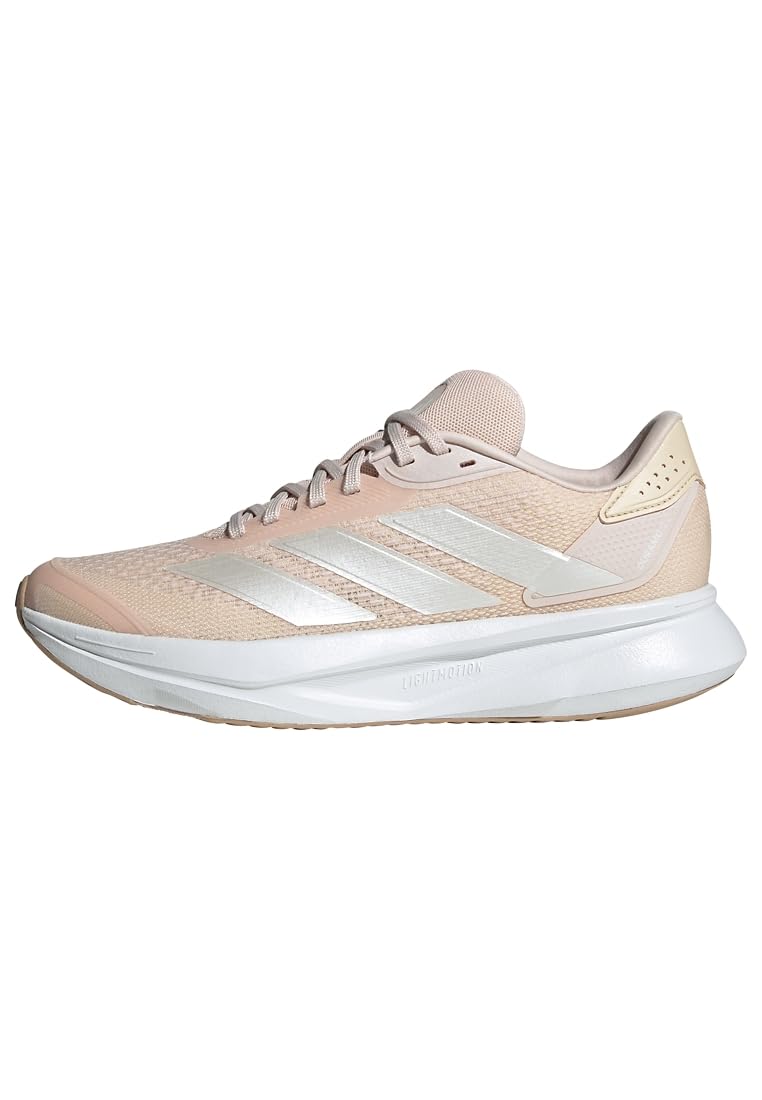
Who Needs Standing All Day Shoes
Teachers, retail staff, healthcare workers, warehouse staff, and hospitality workers all spend long periods on their feet, often on hard floors. Each setting adds its own demands, from slip resistance in kitchens to easy cleaning in clinical areas. A shoe that suits a classroom may not suit a wet kitchen floor, so match the outsole and upper to your workplace.
If you stand mostly in one spot, cushioning and arch support matter most. If you also walk long distances between tasks, weight and heel to toe comfort matter too. Think about your full shift, including stairs, outdoor trips, and breaks, rather than only the standing portions.
Cushioning That Lasts a Full Shift
Foam that feels plush at first can compress under sustained load, so look for cushioning that rebounds rather than bottoming out. A supportive midsole with a stable base often outlasts very soft foam for standing work. Removable insoles help, since you can replace them or add orthotics without changing shoe size dramatically.
Try shoes at the end of a long day if possible, when feet are slightly swollen, and wear your work socks. Walk, stand still for several minutes, and shift weight from foot to foot to test pressure points. A shoe that stays comfortable through that test is far more likely to survive a full shift. For related standing choices, best shoes to wear for standing all day covers other brands.
Arch Support, Fit, and Toe Room
Arch support should feel present but not intrusive. Too little support lets feet tire and roll inward, while too much creates arch pain. If you use custom orthotics, bring them to fittings and check that the shoe still closes comfortably with the insert inside. Some shoes need a half size larger to accommodate an orthotic.
Toe room matters because feet spread under load. A cramped toe box causes blisters, numbness, and nail problems over long shifts. Check width as well as length, and favour a rounded toe shape for all day wear. Lacing can relieve pressure across the forefoot, but it cannot fix a shoe that is fundamentally too narrow.
Grip, Workplace Rules, and Care
Outsole grip should match your floor type. Smooth indoor floors, wet areas, and outdoor paths each demand different tread patterns. Slip resistant outsoles help in kitchens and clinical areas, but no shoe guarantees grip on every surface, so walk with care on wet or greasy floors and follow workplace safety rules.
Workplace rules may require closed toes, specific colours, or easy clean materials. Check those rules before buying, since a comfortable shoe that breaches policy is unusable at work. Clean uppers regularly, air shoes between shifts, and rotate two pairs if possible so foam recovers. For walking plus standing roles, best shoes for standing walking all day is a useful comparison.
When Comfort Is Not Enough
Persistent foot, ankle, knee, or back pain despite well fitting shoes deserves professional attention. A podiatrist can check gait, arch type, and orthotic needs, while a clinician can rule out conditions that shoes alone cannot address. Do not ignore numbness, swelling that does not settle overnight, or skin breakdown.
Replace standing shoes when cushioning flattens, the heel counter leans, or the outsole wears smooth. Standing workers often wear shoes out faster than occasional users, so inspect monthly. For tennis style standing options, best tennis shoes for standing all day, for gym style options, best gym shoes for standing all day, and for general athletic options, best athletic shoes for standing all day round out the picture.
Shift Routines That Protect Your Feet
Foot care during long shifts goes beyond shoe choice, since movement breaks, stretching, and surface changes all reduce fatigue. Shift weight regularly, rise onto toes briefly, and take short walks during breaks to restore circulation. If your role allows, alternate between standing and seated tasks where possible, and use anti fatigue mats in fixed standing spots to reduce impact on hard floors.
Stretching calves, arches, and toes during breaks helps prevent stiffness that builds over a shift. Roll a small ball under the foot gently, stretch calves against a wall, and wiggle toes inside shoes to restore movement. These small habits take minutes yet make the last hours of a shift noticeably easier, especially when combined with well fitting shoes.
After shifts, air feet, wash and dry them thoroughly, and check for blisters, redness, or swelling that needs attention. Change socks mid shift on very long days if feet sweat heavily, since damp socks increase blister risk. Keep a spare pair of socks and basic blister care at work, so minor issues do not become shift ending problems.
Workplace Floors and Footwear Rules
Different workplace floors demand different outsole patterns, since polished concrete, tile, carpet, and outdoor paths each grip differently. Smooth soles that feel fine on carpet can slip on wet tile, while deep tread that grips outdoors can feel clumsy on smooth indoor floors. Match tread to the floors you spend most time on, and test new shoes on those surfaces before a full shift.
Workplace footwear rules may specify closed toes, colour, or slip resistance ratings, and those rules exist for safety as much as appearance. Check the policy before buying, and ask managers or safety officers if the rules are unclear. A shoe that breaches policy cannot be worn, no matter how comfortable it feels, so compliance should be confirmed early.
Safety footwear that includes toe protection follows different standards from ordinary trainers, and some roles require it by law or policy. If your role involves heavy objects, sharp tools, or vehicles, check whether safety shoes are required rather than assuming trainers suffice. Ordinary standing shoes, however comfortable, do not replace safety footwear where hazards demand it.
A Final Check Before You Order
Before ordering, confirm workplace footwear rules, including toe coverage, colour, and slip resistance requirements, since a comfortable shoe that breaches policy cannot be worn at work. Ask a manager or safety officer if rules are unclear, and check whether safety toe protection is required for your role. Compliance should be confirmed before spending, not discovered on the first shift.
Also try shoes at the end of a long day with work socks and any orthotics you use, since feet swell during shifts and inserts change internal volume. Stand still for several minutes, shift weight, and walk briskly to test pressure points. A shoe that passes that test is far more likely to survive a full shift comfortably.
Finally, plan for rotation and replacement, since standing shoes wear faster than occasional shoes and foam recovers between shifts. Budget for a second pair if you stand daily, and inspect shoes monthly for flattened cushioning and worn outsoles. Early replacement prevents pain that builds gradually and is easy to blame on the job rather than on worn shoes.
Frequently Asked Questions
What makes a shoe good for standing all day?
Lasting cushioning, stable arch support, a roomy toe box, and grip for your floor type. The shoe should stay comfortable after hours, not only on first wear. A removable insole helps for orthotics or replacement, and a stable base prevents the foot rolling inward during long shifts. Revisit the choice after a short trial period to confirm it still suits you.
Should standing shoes be soft or firm?
They should balance both: soft enough to cushion impact, firm enough to support the arch and resist flattening. Very soft shoes often tire feet over long shifts, while very firm shoes can feel harsh. Test shoes at the end of the day and stand still for several minutes before deciding.
Do I need slip resistant soles for standing work?
It depends on your floors. Kitchens, hospitals, and wet areas benefit greatly from slip resistant outsoles, while dry offices need less. Check workplace rules, since some roles require specific ratings. No outsole replaces careful walking on wet or greasy surfaces, and compare a few models before you decide, and compare options carefully before you decide.
How often should standing shoes be replaced?
It depends on hours, body weight, and floors, but frequent standing workers often need replacement sooner than occasional wearers. Inspect monthly for flattened foam, leaning heel counters, and smooth outsoles. Rotate two pairs where possible to extend the life of each pair. Note your room, usage, and budget before narrowing the shortlist.
Can insoles fix an uncomfortable standing shoe?
Good insoles can improve support and cushioning, but they cannot fix a shoe that is too short, too narrow, or unstable. Start with a well fitting shoe, then add insoles or orthotics as needed. Persistent pain, numbness, or swelling deserves a clinician or podiatrist check. Revisit the choice after a short trial period to confirm it still suits you.
Final Thoughts
For long shifts, judge shoes by how they feel at hour six, not minute six. Lasting cushioning, honest arch support, room for toes to spread, and grip for your floors together make standing work far more bearable. The product table above can help you compare priorities, and best adidas shoes for standing all day reward buyers who test fit late in the day with work socks. If pain persists despite good shoes, talk with your clinician or a podiatrist.