
Best Adidas Hiking Shoes 2026: A Practical Buying Guide
Disclosure: We may earn a commission when you buy through links on this page, at no extra cost to you. As an Amazon Associate I earn from qualifying purchases. Learn more

Choose Adidas hiking shoes by trail type, grip, support, and waterproofing. Fit, break in, and care guidance for day hikes and rough trails.
Hiking shoes need to grip, support, and protect over miles of uneven ground, and brand alone does not guarantee that fit. The best adidas hiking shoes for you depend on trail type, foot shape, load, and weather, not on a logo. The comparison table below will help you compare the main options side by side.
This guide covers trail categories, outsole grip, support, waterproofing, and fit, so you can choose for the hikes you actually do. It includes safety notes for foot pain and blisters, since a poor fit can end a hike early.


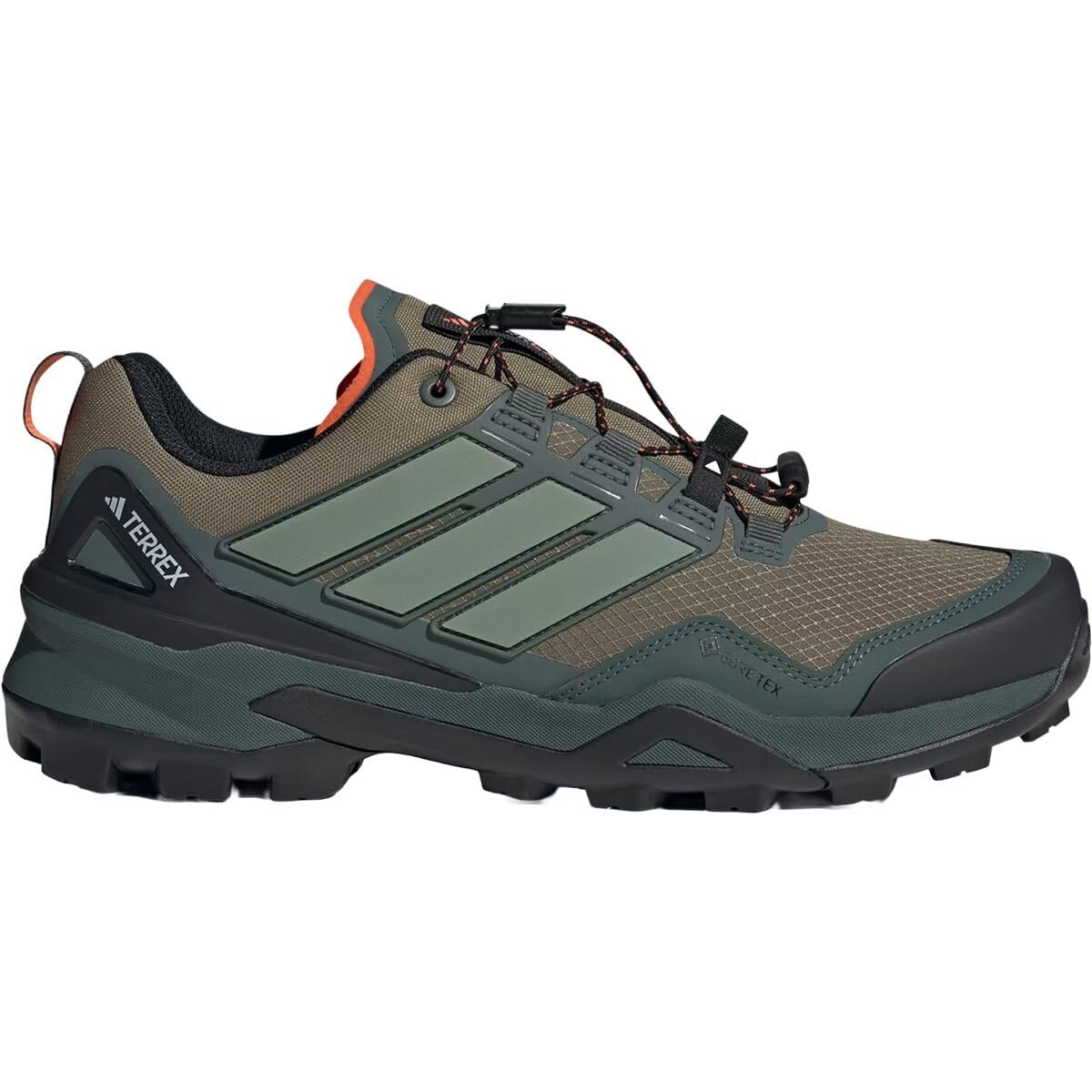


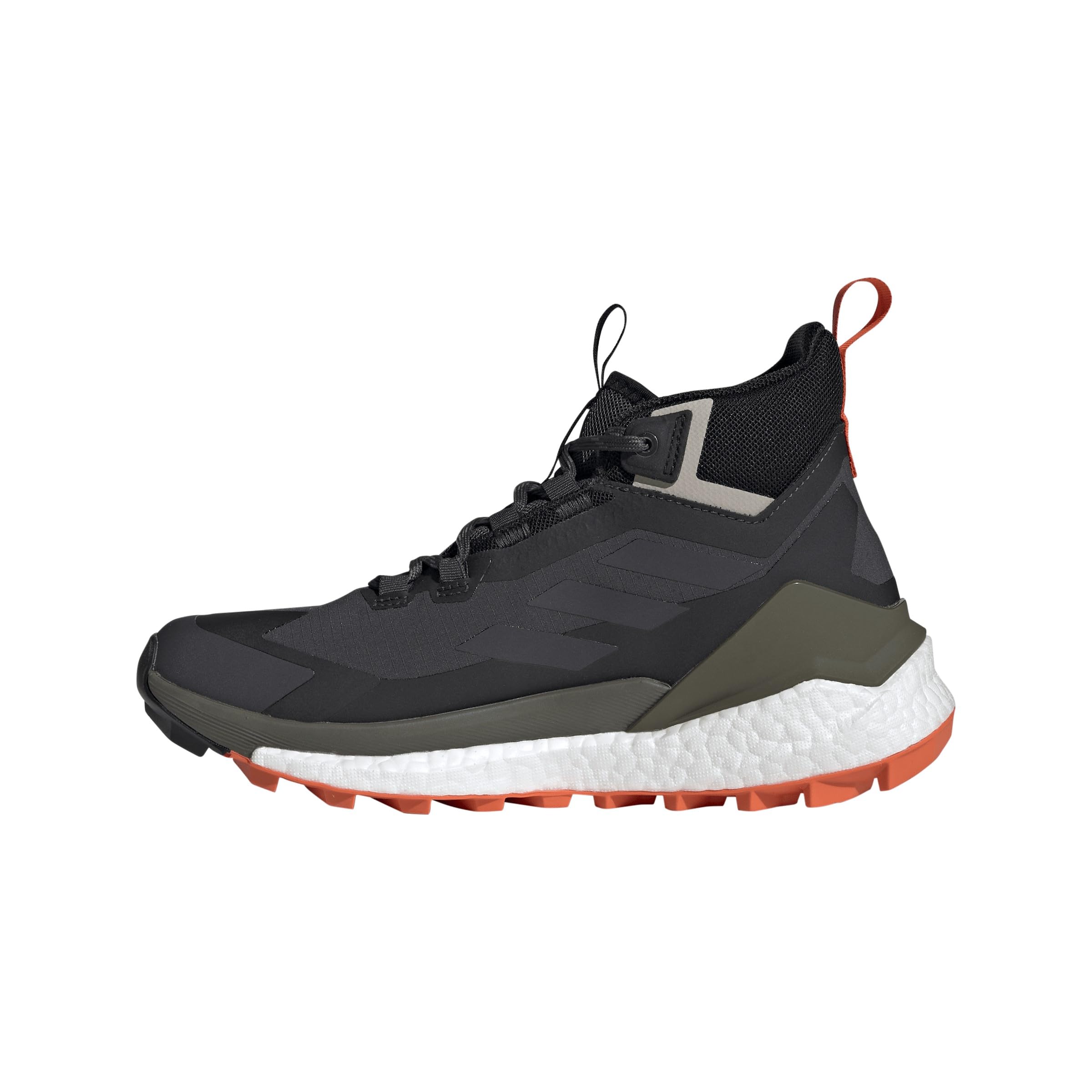


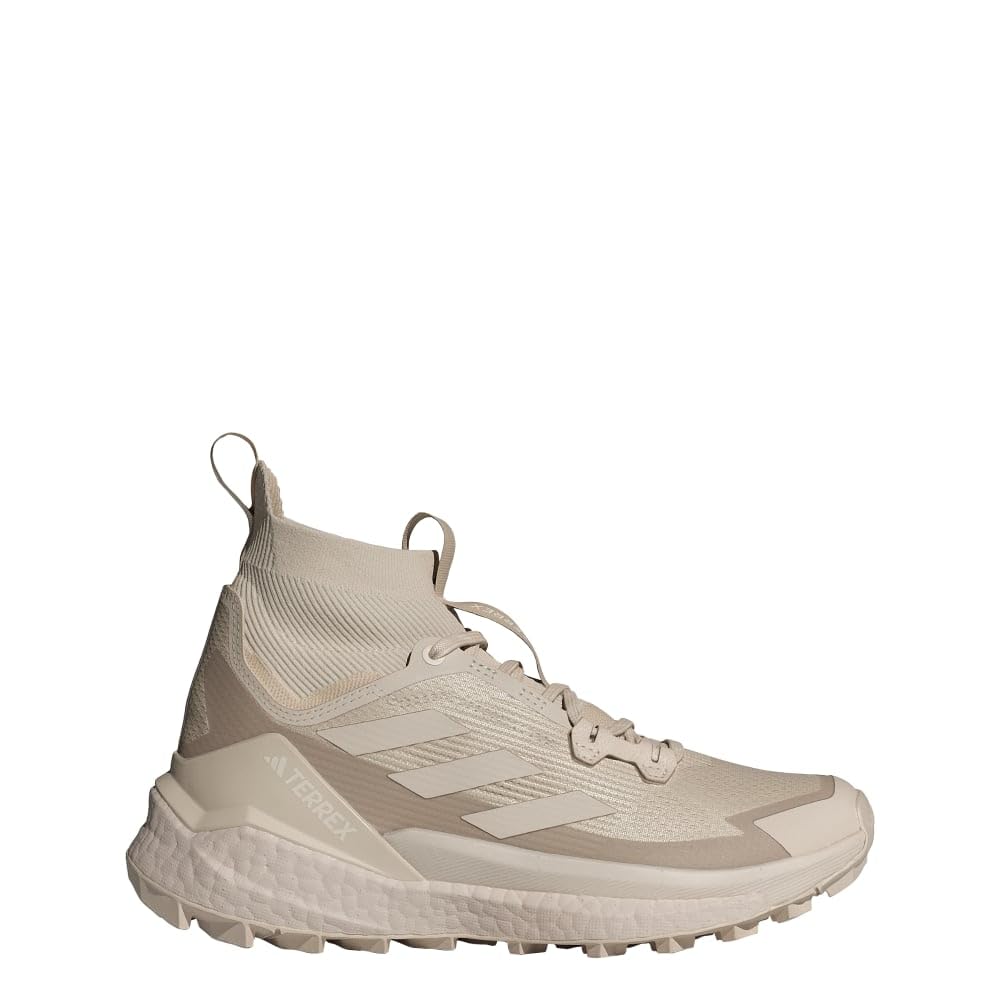

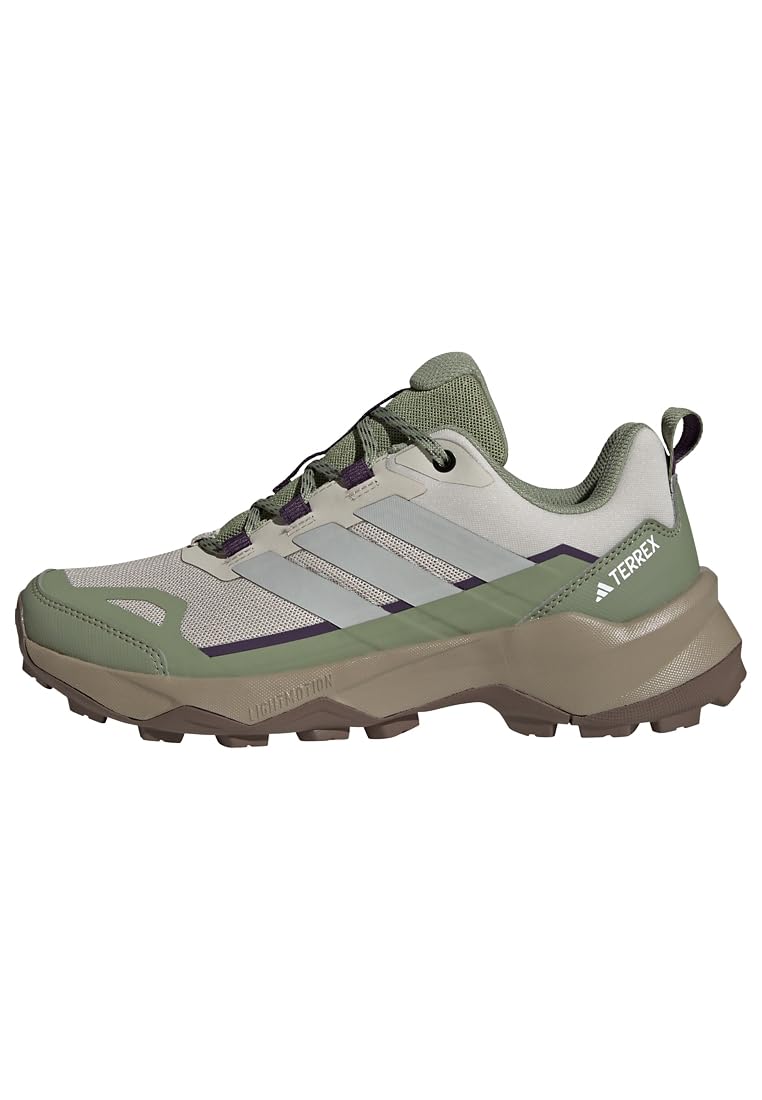
Who Should Buy Which Type
For Day Hikers
Day hikers need comfortable, breathable shoes with reliable grip on dirt, rock, and roots. Weight matters on longer days, since heavy shoes tire legs faster. A mid cut shoe adds ankle support without the bulk of a full boot.
For Rough and Rocky Trails
Rocky trails demand tougher outsoles, toe protection, and stable platforms that resist twisting. Look for a firm midsole and a protective toe cap. Ankle support helps on uneven ground, especially with a loaded pack.
For Wet and Muddy Conditions
Wet trails need grip that sheds mud and, in some cases, waterproofing that keeps feet drier. Waterproof shoes stay warmer in rain but dry slower once water gets in over the collar. Choose by your usual conditions, not by a single rainy memory.
Types Compared
Low Cut Trail Shoes
Low cut trail shoes feel light and agile, with freedom around the ankle. They suit well maintained trails and fast day hikes. They offer less ankle support and less debris protection than higher cuts.
Mid Cut Hiking Shoes
Mid cut shoes cover the ankle bone and add support and debris protection without full boot weight. They suit rough trails and moderate loads. Many hikers find them the best balance of support and comfort.
Waterproof Hiking Shoes
Waterproof models use a membrane to block rain and shallow water. They suit wet climates and stream crossings where water stays below the collar. They run warmer and dry slower if water enters from above.
Approach Shoes
Approach shoes blend hiking comfort with climbing style grip for rocky approaches. They have sticky rubber and precise footing on rock. They suit hikers who scramble or approach climbing areas on foot.
Key Features to Compare
Outsole Grip and Lug Pattern
Outsole rubber and lug shape decide grip on rock, mud, and wet roots. Deep, spaced lugs shed mud, while flatter, stickier rubber grips rock. Match the outsole to your most common surface, since no single pattern excels everywhere.
Midsole Cushioning and Stability
Midsole cushioning absorbs impact on descents, while stability features resist rolling on uneven ground. Too soft a midsole can feel unstable with a pack, while too firm a midsole can feel harsh on long days. Balance cushioning with a stable platform.
Ankle Support and Cut
Cut height affects ankle support, weight, and debris entry. Low cuts favor speed, mid cuts favor support, and high cuts favor rough, loaded hiking. Try the cut with your usual socks and gait, not just standing still.
Waterproofing and Breathability
Waterproof membranes block external water but also reduce breathability, so feet may sweat more. Non waterproof shoes breathe and dry faster, which suits hot, dry hiking. Decide by climate and by how often water truly reaches your feet.
Fit, Toe Box, and Sizing
Fit matters more than any feature, since hiking magnifies small pressure points over miles. Leave toe room for descents, and try shoes in the afternoon when feet are slightly swollen. Wear your hiking socks for fitting, and walk inclines if the shop allows it.
Fit and Break In
Fit hiking shoes with your hiking socks, laced snugly but not tight, and check heel hold by walking up and down a slope. Toes should not hit the front on descents, and heels should not lift much on climbs. Different lacing patterns can ease pressure on the instep or heel.
Break shoes in with short walks before a long hike, increasing distance gradually. New shoes can cause blisters even when they feel fine in the shop, so carry blister care on early outings. If pain persists beyond break in, or if you have foot conditions, talk with a podiatrist or clinician for guidance.
Care and Maintenance
Brush off mud after hikes and let shoes dry at room temperature, away from direct heat. Remove insoles to dry faster, and stuff shoes loosely with paper to hold shape. Heat from radiators or dryers can warp midsoles and damage adhesives.
Reproof waterproof models as the maker recommends, and check outsoles and laces for wear. Worn lugs lose grip gradually, so inspect tread before a big hike. Replace shoes when cushioning collapses or grip fades, not when they merely look scuffed.
Mistakes to Avoid
- Choosing by brand or looks, without testing fit on slopes.
- Buying too small, then suffering toe pain on long descents.
- Picking waterproof shoes for hot, dry hiking where breathability matters more.
- Skipping break in, then starting a long hike in brand new shoes.
A Final Check Before You Order
Before you order, confirm cut, outsole type, waterproofing, and sizing against your trails and climate. Try shoes with hiking socks and on slopes where possible. These checks matter more than any single feature claim.
The related guides linked below cover nearby hiking shoe choices, including general hiking shoes and waterproof models, so you can compare fit and grip. Read them with your trails in mind, and shortlist the shoes that fit your feet and hikes. Related guides: best hiking shoes, best ladies hiking shoes, best hiking shoes for men, best waterproof hiking shoes.
Frequently Asked Questions
Should hiking shoes be a half size larger than normal shoes?
Often yes, because feet swell on long hikes and toes need room on descents. Try shoes in the afternoon with hiking socks, and test on a slope if possible. The right size leaves toe room without letting the heel lift excessively. Try both shoes on, since feet differ, and walk the shop slope twice before deciding on size.
Are waterproof hiking shoes always better?
No. Waterproof shoes help in rain and wet trails, but they run warmer and dry slower once water enters over the collar. In hot, dry conditions, breathable non waterproof shoes often feel better and dry faster after stream crossings. Gaiters also help in mud and snow, keeping debris out even when shoes themselves are not waterproof.
How do I prevent blisters on long hikes?
Fit, socks, and break in matter most. Wear moisture wicking hiking socks, break shoes in gradually, and tape hot spots early before they blister. If blisters keep forming in the same spot, fit or lacing may need adjustment, or a clinician can advise. Change into dry socks at rest stops on wet hikes, since dry feet resist blisters far better.
How long do hiking shoes last?
It depends on miles, terrain, and weight carried. Outsoles wear, midsoles compress, and waterproofing fades over time. Replace shoes when grip fades, cushioning collapses, or support feels gone, rather than by calendar alone. Rotating two pairs on multi day hikes lets foam recover, reduces odor between days, and extends overall shoe life.
Can I use running shoes for hiking?
Light trails and short hikes can suit trail running shoes, especially for fast hikers. Rougher trails, heavy packs, and wet conditions usually call for hiking specific grip and protection. Match the shoe to trail difficulty, not just to comfort in the shop. Trail shoes with rock plates protect soles on sharp terrain, though they add weight on smooth paths.
Trail Skills That Protect Feet
Good footwear helps, but trail skills protect feet even more on long hikes. Learn to pace yourself, rest before blisters form, and adjust socks and laces when hot spots appear. Early attention to a hot spot takes seconds, while a blister can end a hike.
Pack blister care, spare socks, and tape on every hike, even short ones, since conditions change fast. Change socks at lunch on long days, and air feet during breaks. Dry feet blister less and feel better at mile ten than at mile two.
Learn to read terrain and choose footing deliberately, especially on descents where toes jam and ankles roll. Shorten steps on steep downhills, and use poles if your knees or balance need help. Careful footing saves more energy than speed ever gains.
Finally, train gradually for longer hikes, building distance and elevation over weeks rather than jumping to a big day. Feet, ankles, and legs adapt with steady training. A gradual plan lets you enjoy big hikes instead of enduring them.
Before a major hike, test your shoes on terrain similar to your route, including loose gravel, mud, and a steep descent, since shop floors hide problems that trails reveal quickly. Walk a local hill with a loaded pack, paying attention to toe pressure on descents, heel lift on climbs, and any rubbing that appears after an hour rather than in the first minutes. This realistic test gives you time to adjust lacing, change socks, or swap sizes before a remote trail makes those fixes difficult, and it builds confidence in both shoes and feet for the bigger day ahead.
Final Thoughts
Fit first, then grip, support, and waterproofing for your trails, and the best adidas hiking shoes for your hikes will be the ones that disappear on your feet mile after mile. The product table above gives a useful starting point, but your feet and your trails should make the final call.
Order only after you have confirmed sizing with hiking socks and slope testing where possible, and break new shoes in gradually. If foot pain persists, talk with a clinician or podiatrist rather than pushing through it.


