Best Adidas Boost Shoes: Types Compared and How to Choose for 2026
Disclosure: We may earn a commission when you buy through links on this page, at no extra cost to you. As an Amazon Associate I earn from qualifying purchases. Learn more

Compare the best adidas boost shoes by type, pros and cons, ideal user and price range to choose the right style.
Adidas builds Boost foam into a wide range of shoes, and that range is exactly what makes choosing confusing. A soft road trainer, a stable daily shoe, and a waterproof boot can all carry the same foam name while behaving very differently on your feet.
This guide compares the main types side by side so you can match the foam to your actual mileage, weather, and foot shape. By the end you will know which best adidas boost shoes category fits you, and the comparison table below gives you a quick way to scan the options before you read on.

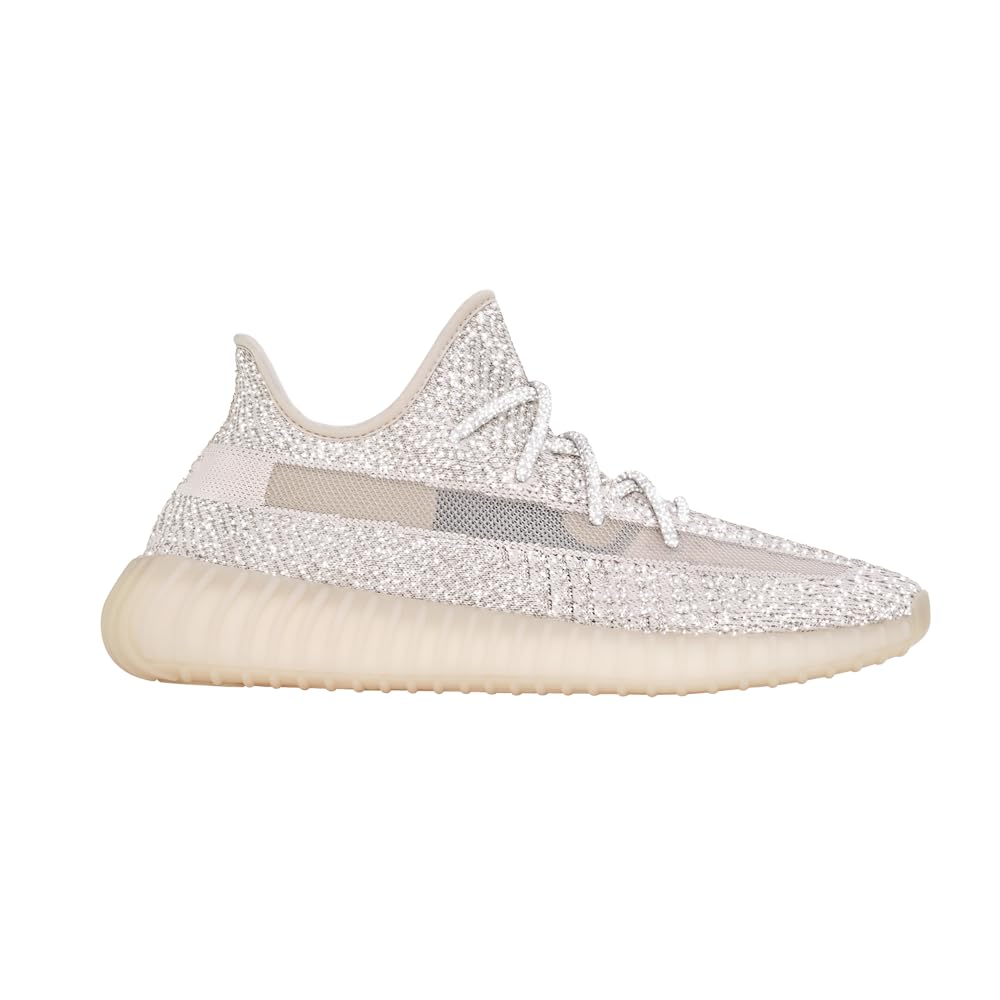


Types of Adidas Boost Shoes Compared
Boost is a midsole foam made of small energy returning pellets fused together, and it shows up in three broad families. Lightweight shoes use thinner foam stacks for speed and low weight, waterproof boots pair the foam with sealed uppers for wet trails and winter sidewalks, and neutral shoes sit in the middle with balanced cushioning for everyday training. Prices follow the build: simple lightweight styles often start under $100, neutral trainers usually land around $100 to $160, and waterproof boots with premium membranes can reach about $160 to $220.
Lightweight Shoes
Lightweight Boost shoes keep the foam layer modest and pair it with thin engineered mesh, so the whole shoe feels quick and barely there. They suit tempo runs, gym sessions, travel days, and anyone who dislikes bulky footwear. The trade off is protection: thin uppers scuff sooner, and the lower stack gives less cushioning on very long efforts.
If you mostly train on smooth roads or treadmills and value a nimble feel, this is your family. Racers and lighter runners usually get the most from it. Heavier runners or people who stand all day often find the cushioning runs out before the day does, so try them late in the day when your feet are at their fullest before you commit.
Waterproof Boots
Waterproof Boost boots wrap the foam in a taller, sealed upper, often with a membrane such as Gore Tex, plus a deeper lugged outsole for grip on wet ground. They are built for rainy commutes, muddy dog walks, and light winter hikes where dry feet matter more than speed. Expect more warmth and more weight than a trainer.
The downside is breathability. On warm days a sealed boot traps heat and sweat, and the stiffer build needs a longer break in period than mesh shoes. Choose this family if your routes are regularly wet or cold, and skip it if you mostly train indoors or in a dry climate, where the extra cost and warmth buy you nothing.
Neutral Shoes
Neutral Boost shoes are the all rounders: a fuller foam stack, a moderately structured heel, and no strong motion control features pushing your foot in either direction. They fit runners and walkers with average arches who land fairly evenly. If you are comparing general Boost options beyond the Adidas line, our guide to the best boost shoes explains how the foam behaves across brands.
Neutral models are usually the safest first purchase because they handle mixed training well, from easy miles to long walks. The compromise is that they are neither the lightest nor the most supportive option. If you overpronate heavily or race often, a dedicated stability or lightweight model will serve you better than this middle path.
Lightweight Shoes vs Waterproof Boots: Which Should You Choose?
Start with weather. If rain, slush, or mud shows up in your week more than twice, the waterproof boot wins by default, because wet mesh shoes stay cold and heavy for hours. If your training is mostly dry, the lightweight shoe wins on comfort almost every time.
Next compare breathability and weight. A lightweight shoe can weigh half what a boot does, and that difference grows more noticeable with every mile. Then look at grip: boot outsoles use deeper lugs that bite on trails but feel clunky and wear faster on concrete, while road outsoles are smoother, quieter, and longer lasting on pavement.
Finally, think about cost per use. A boot you wear four wet months a year can be great value, while the same boot bought for one rainy trip is money wasted. Most people are best served by a neutral or lightweight shoe first, then a boot later only if the weather truly demands it.
How to Choose the Right Adidas Boost Shoe
Fit, Sizing, and Toe Box
Measure your feet in the late afternoon, when they are slightly swollen from the day, and shop based on that measurement rather than your morning size. You want about a thumb width of space in front of your longest toe, because feet swell further during long runs and walks. Adidas lasts tend to run a touch long and narrow, so wide footed buyers should look for wide options or size up a half size and check that the heel still locks down without slipping.
Cushioning and Support
Decide whether you need neutral cushioning or added stability. If your shoes wear evenly and your ankles feel steady late in a run, neutral is fine. If your feet roll inward and your knees ache after easy miles, a stability design with a firmer medial side will help more than extra softness. For dedicated road training, see how the categories compare in our guide to the best adidas running shoes. Also check heel to toe drop: lower drops around 4 to 6 mm load the calves more, while higher drops around 10 mm shift work toward the knees and feel easier for beginners.
Waterproofing (Gore Tex and Membranes)
A waterproof membrane keeps rain and puddle water out, but it also slows down how fast sweat vapor escapes. That trade off is worth it for cold, wet conditions and short to moderate outings. It is a poor trade for warm weather training, where a breathable mesh shoe that dries quickly will feel better even if it gets wet. One practical tip: waterproof shoes that do get soaked inside take far longer to dry than mesh shoes, so pull the insoles out and stuff them with newspaper overnight.
Break In Period and Comfort Out of the Box
Boost foam itself feels soft from the first wear and needs almost no break in time. The upper is what needs patience: knit uppers settle within a day or two, while leather and boot constructions can need a week of short wears before pressure points ease. Wear new shoes around the house and on short walks first. If a spot still rubs after three or four outings, it rarely improves, so exchange the size while you still can.
Upper Materials and Breathability
Engineered mesh is the coolest and lightest choice and suits summer training and indoor workouts. Knit uppers hug the midfoot like a sock, which feels great for walking and casual wear, as covered in our guide to the best adidas walking shoes, but they offer less lateral support for cutting movements. Leather and synthetic leather shed water and scuffs better and look cleaner with casual outfits, though they run warmer and weigh more. Match the upper to your climate first and your wardrobe second.
Care and Maintenance Tips
Rotate two pairs if you train or walk daily, because Boost foam needs about a day to rebound fully between uses, and rotation noticeably extends the life of both pairs. Replace running shoes every 300 to 500 miles, or sooner if the midsole feels flat and your joints start complaining. Air dry wet shoes away from direct heat, since radiators and dryers can warp the foam and crack leather uppers. Brush dirt off outsoles weekly so the tread keeps its grip, and wash knit uppers in cold water only. For court sports, the traction needs differ, as explained in our guide to the best adidas basketball shoes.
Frequently Asked Questions
How long is the break in period?
Most Boost shoes need only two or three short wears before they feel fully comfortable. The foam is soft immediately, so any early discomfort usually comes from a snug knit upper or a stiff heel counter. Boots are the exception and can take a week. If pinching persists past a week of regular wear, the size or last shape is wrong for your foot.
How should adidas boost shoes fit?
They should fit snug through the midfoot and heel with clear space, roughly a thumb width, ahead of your longest toe. Your toes should spread naturally without pressing the sides of the toe box. Walk downhill or press your foot forward in the shoe: if your toes jam the front, go up a half size. A locked heel with a roomy front is the combination to look for.
Can I wear them all day?
Yes, neutral and walking focused Boost models are comfortable for full days on your feet thanks to the energy returning foam. Lightweight racing styles are less ideal for standing shifts because their thinner stacks offer less protection over many hours. If you stand on hard floors, add a supportive insole and rotate pairs. People with ongoing foot pain should ask a clinician which support level suits them.
How often should I replace my adidas boost shoes?
Replace training pairs every 300 to 500 miles, which for most people means every six to twelve months of regular use. Casual pairs worn for errands last longer, often eighteen months or more. A simple test: if the foam feels dead, the outsole is smooth in the heel, or new aches appear after familiar routes, the shoes are done regardless of how the uppers look.
Are expensive adidas boost shoes worth it?
Higher prices usually buy better membranes, more durable outsoles, and lighter engineered uppers rather than dramatically better foam. If you train daily or in harsh weather, those upgrades pay off in lifespan and comfort. If you walk a few times a week on dry pavement, a mid priced neutral model delivers most of the benefit. Spend on the features your routine actually uses, not the flagship label.
Do I need waterproof shoes?
You need waterproof shoes only if you regularly train or commute in rain, snow, or mud and your outings are short enough that sweat buildup stays minor. In warm rain, breathable mesh that drains and dries fast is often more comfortable. A useful middle path is keeping one waterproof pair for winter and one mesh pair for the rest of the year, rather than forcing one shoe to do everything.
The Bottom Line
Choose by category first: lightweight for speed and dry training, waterproof boots for wet and cold routes, and neutral shoes for everyday versatility. Then confirm fit with an afternoon try on, and check that the drop and support level match your legs. Compare your finalists in the product table above, and you will land on the best adidas boost shoes for your routine without overpaying for features you will never use.