
Best Adidas Walking Shoes 2026: Buying Guide
Disclosure: We may earn a commission when you buy through links on this page, at no extra cost to you. As an Amazon Associate I earn from qualifying purchases. Learn more

Find adidas walking shoes with the right cushioning, support, and fit for daily walks, commuting, and long days on foot. Read the full guide before you buy.
Adidas walking shoes cover a wide range, from soft everyday trainers to firmer models built for long daily mileage. The best adidas walking shoes share a focus on cushioning and style, but they differ in support, weight, and sole durability. This guide explains how to pick the pair that matches your walking routine rather than just the logo.
The comparison table below shows options side by side, but your walking distance and foot shape matter more. A short commuter walk needs different cushioning from a daily five mile walk, and a narrow last that suits one foot will pinch another. Start with how far and where you walk, then narrow by fit.

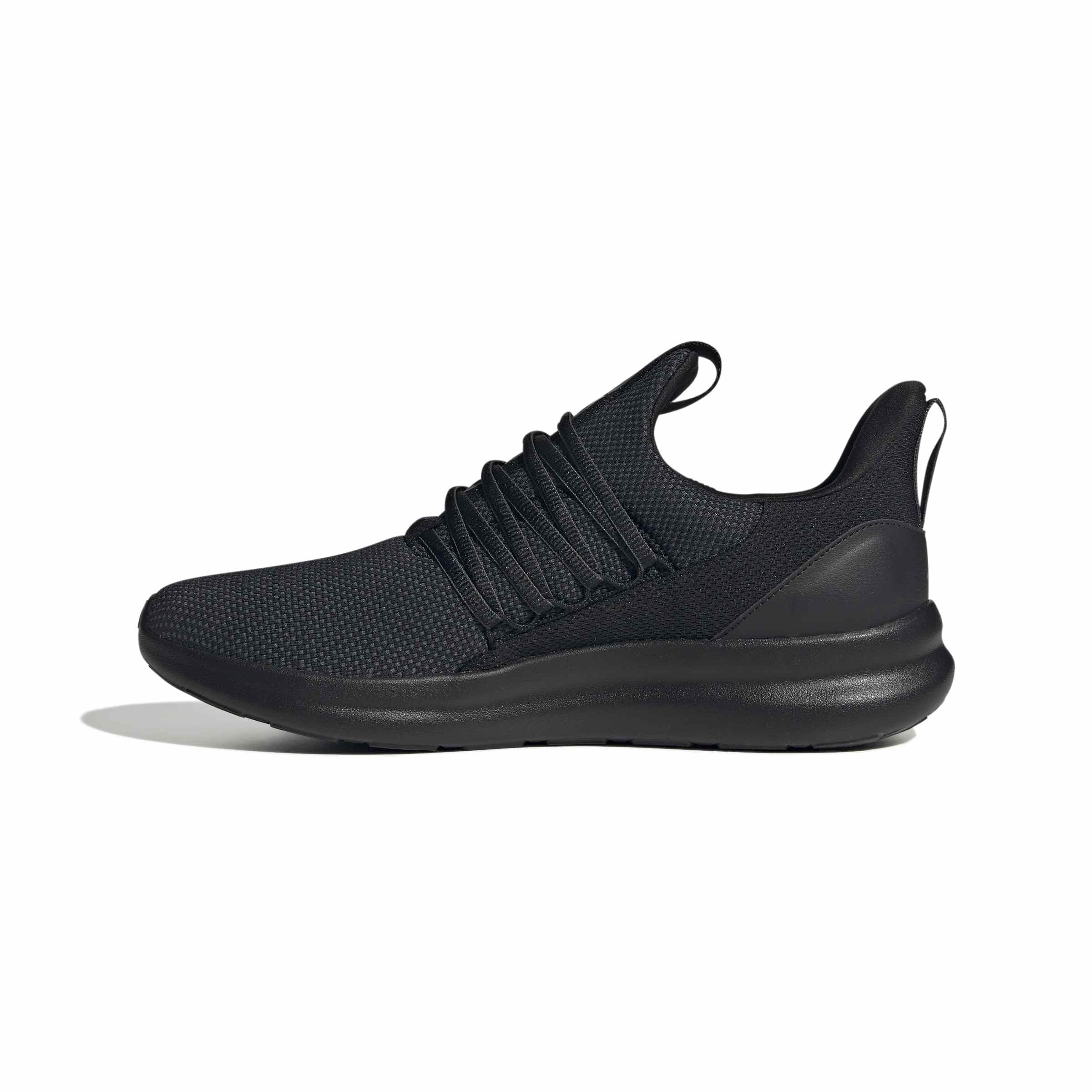
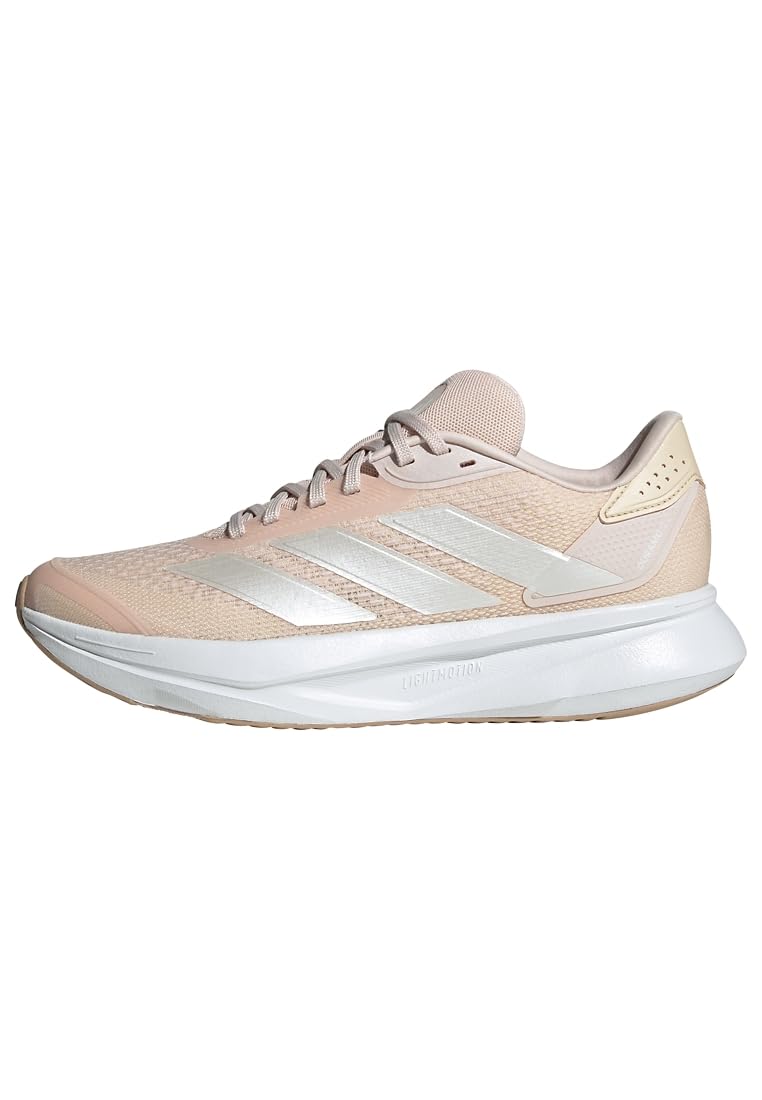


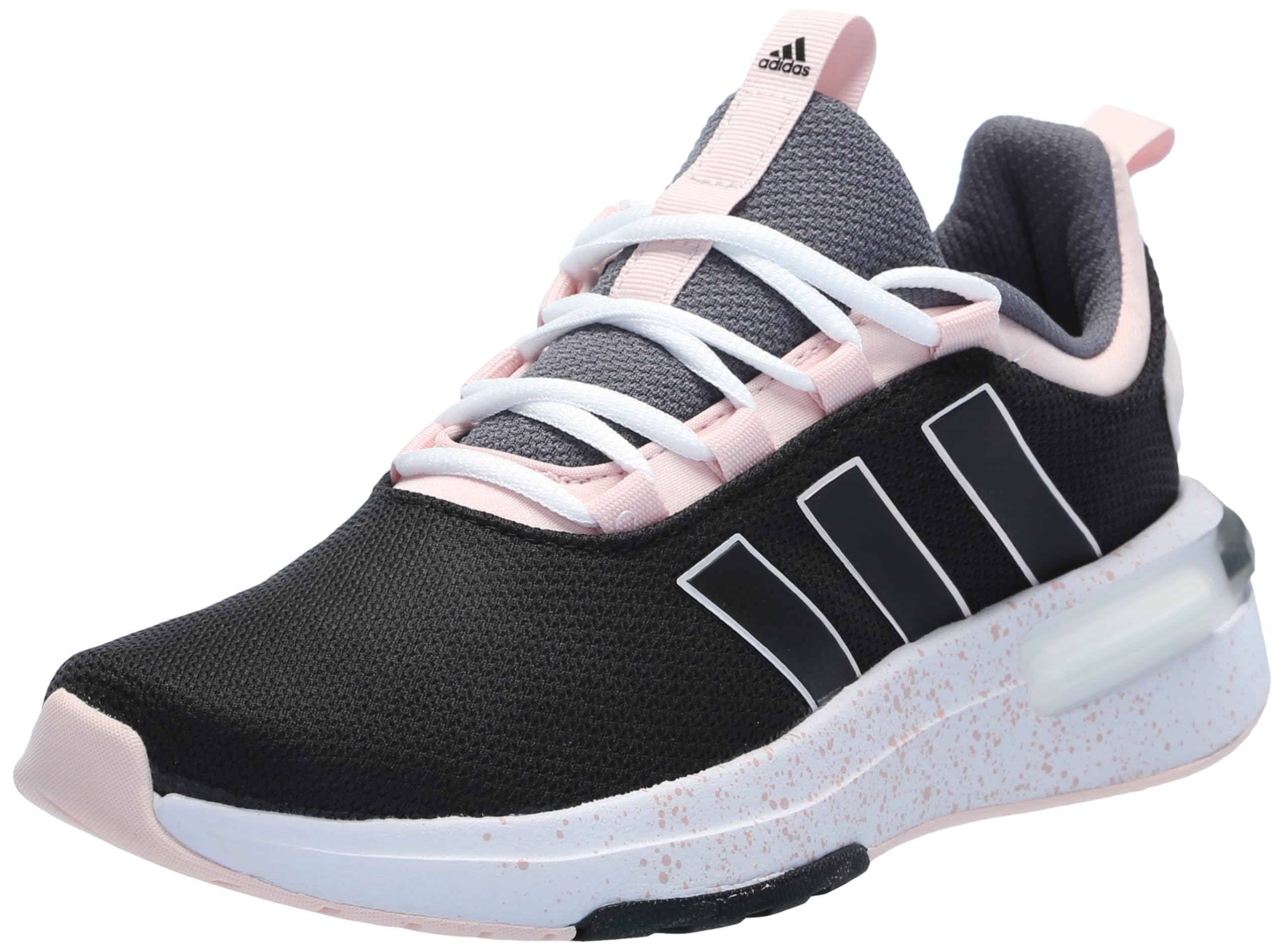

Who Should Buy Adidas Walking Shoes
Adidas walking shoes suit daily walkers, commuters, and anyone who spends long hours on foot and wants a blend of comfort and casual style. They work well for city walking, park paths, and indoor use, and many models double as everyday trainers. For rugged trails or specialist support needs, a dedicated trail or stability shoe may serve better.
- Daily walkers covering a few miles
- Commuters walking to work or transit
- Casual wearers wanting comfort and style
Cushioning, Support, and Sole Durability
Adidas cushioning ranges from soft, plush foam that feels gentle on short walks to firmer, more responsive foam that holds up over distance. Soft foam feels lovely at first but can compress under heavier walkers, while firmer foam lasts longer and feels more stable. Try both, and walk for several minutes to judge which suits your stride.
Support varies by model: some are neutral and flexible, others add a firmer heel or midfoot structure. Check the heel counter and the sole width, since a wide base adds stability on uneven pavements. Outsole rubber thickness matters for durability: city walking wears soles steadily, and a thin fashion sole may smooth out faster than a proper walking outsole.
Fit and Sizing Across Adidas Models
Adidas sizing varies between lines, so do not assume your usual size fits every model. Some lines run narrow, others roomy, and knit uppers stretch more than leather or synthetic ones. Try shoes later in the day, wear your walking socks, and check that your toes have room and your heel stays put.
If you wear orthotics, choose a model with a removable insole and enough depth to fit it without crowding your toes. Lacing matters too: a well placed eyelet row lets you tighten the midfoot while leaving the forefoot free. Walk on a hard floor, turn sharply, and climb a step if possible, since walking fit reveals itself in movement.
Common Mistakes to Avoid
A common mistake is choosing a fashion trainer with a thin sole for daily mileage, then wondering why feet ache after a few weeks. Another is buying a pair that looks right but pinches the toes, hoping it will stretch: knit stretches, but the sole shape does not. A third is ignoring rotation: one pair worn daily wears out far faster than two pairs alternated.
Do not judge walking shoes by standing comfort alone. Walk, turn, and stand on a slope, and check for heel slip and toe pressure. Replace shoes when cushioning feels flat, the outsole smooths, or new aches appear. A worn walking shoe quietly changes your stride long before it looks tired.
Everyday Use, Care, and Foot Health
Air shoes out after walks, and avoid machine washing unless the care label allows it, since heat can warp foam. Clean soles with a brush to keep grip on wet pavements, and keep laces tied evenly so support stays balanced. If you walk in rain, stuff shoes with paper to dry them and protect their shape.
Watch for warning signs that need a clinician: persistent pain, swelling, numbness, colour change, or sores that do not heal. Comfortable shoes support healthy walking, but they do not treat joint, nerve, or circulation problems. If symptoms persist, talk with your clinician and bring the shoes you wear most often.
Related guides cover walking needs more broadly. Start with the general range in best walking shoes, then see best walking shoes for women and best walking shoes for men for fit focused options. All day comfort is covered in best shoes for walking all day, and style focused picks in best looking adidas shoes.
Walking Further Without Soreness
Distance walking rewards a gradual build up. Increase your longest walk by no more than about ten percent per week, and add rest days between longer efforts so feet and legs adapt. Soreness that fades within a day is normal adaptation, while pain that sharpens or localises deserves rest and attention rather than another long walk.
Route choice changes the load on your feet. Alternate hard pavements with park paths and softer ground where possible, since varied surfaces spread stress across different muscles. Hills build strength, but descend carefully: shorten your stride, lean slightly forward from the ankles, and let your shoes grip rather than braking hard with each step.
Carry the basics for longer walks: water, a snack, and a small first aid kit with blister care. Stop early to treat a hot spot rather than walking through it into a blister, and change socks if they become soaked. Comfortable walking is mostly preparation: the right shoes, a sensible route, and the willingness to pause before a small problem grows.
Walking Shoes for Different Weather
Wet weather walking needs grip and quick drying. Choose shoes with a tread pattern that channels water rather than a flat fashion sole, and avoid leather that soaks through unless it is treated. After a wet walk, remove insoles, stuff shoes with newspaper, and let them dry away from direct heat, which warps foam and stiffens uppers.
Hot weather brings its own problems: feet swell, socks dampen, and blisters form faster. Wear breathable shoes and moisture wicking socks, and carry a spare pair of socks on long summer walks. Cold weather needs the opposite approach: slightly roomier shoes that accommodate thicker socks without pinching, since tight shoes in cold weather reduce circulation and make feet colder, not warmer.
Breaking In Walking Shoes Properly
New walking shoes deserve a gradual break in, even when they feel comfortable in the shop. Wear them for short walks around the house first, then for errands, then for your full daily distance over several days. Leather and structured uppers soften slightly, while knit uppers change less, but in both cases your feet adapt to the shoe's shape and cushioning over time. Note any hot spots early and adjust lacing or socks before they become blisters. A patient break in prevents the common disappointment of a promising pair that hurts on its first long outing, and it reveals fit problems while a return is still possible.
Frequently Asked Questions
Are adidas walking shoes good for long walks?
Many adidas walking shoes suit long walks, provided you choose a model with durable cushioning and a proper walking outsole rather than a fashion trainer. Firmer foam holds up better over distance, and a wider base adds stability. Test the pair on a long walk before relying on it for a full day, and rotate pairs to extend their life.
Do adidas walking shoes run true to size?
Sizing varies between adidas lines, so some models run narrow or small while others fit true. Knit models may feel roomier after a few wears, while structured models change less. Try shoes with your walking socks, check toe room and heel hold, and compare sizes if you are between sizes rather than assuming your usual size fits.
Can I use adidas walking shoes for running?
You can jog short distances in walking shoes, but they are not built for regular running. Running needs more impact protection and a different flex pattern, and walking shoes may wear unevenly under running loads. If you run regularly, choose a running shoe for runs and keep walking shoes for walks to protect both pairs.
How do I clean adidas walking shoes?
Brush off dry dirt, wipe with a damp cloth and mild soap, and air dry away from direct heat. Avoid machine washing unless the care label allows it, since heat and agitation can warp foam and loosen glue. Remove insoles to dry separately, and stuff shoes with paper to hold their shape while they dry.
When should I replace walking shoes?
Replace walking shoes when cushioning feels flat, the outsole tread smooths, the heel counter softens, or new foot or leg aches appear. Daily walkers may need a new pair every few months, while occasional walkers can go longer. Check the inner edge and heel area regularly, since wear there changes support before the outside looks worn.
Final Thoughts
The product table above is a shortlist, but your feet make the final choice. The right pair of best adidas walking shoes cushions your stride, holds your foot steady, and still feels good at the end of a long walk. Try models in person, compare cushioning honestly, and trust movement over looks.
If pain, swelling, or numbness persists, talk with your clinician rather than simply buying a softer shoe. Good walking shoes support healthy movement, and professional advice matters when symptoms do not settle.


