Best Acupressure Slippers for Women's by Budget: Smart Picks for 2026
Disclosure: We may earn a commission when you buy through links on this page, at no extra cost to you. As an Amazon Associate I earn from qualifying purchases. Learn more

Compare the best acupressure slippers for women's by budget, node depth, arch support, and fit, with a clear checklist for comfortable daily wear.
Prices for acupressure slippers vary a lot, and a higher price does not always mean a better fit for your feet. This guide explains where extra money actually helps, where it does not, and how to match node depth and support to your daily routine. If you are shopping for best acupressure slippers for women's styles for the first time, start with comfort and sizing rather than the longest feature list.
Acupressure slippers use raised nodes on the footbed to press into the sole as you walk or stand. Some people enjoy that firm massage like feel for short periods after a long day. Others find deep nodes too intense, especially at first. The comparison table below sums up the main options so you can narrow your budget before reading the details.

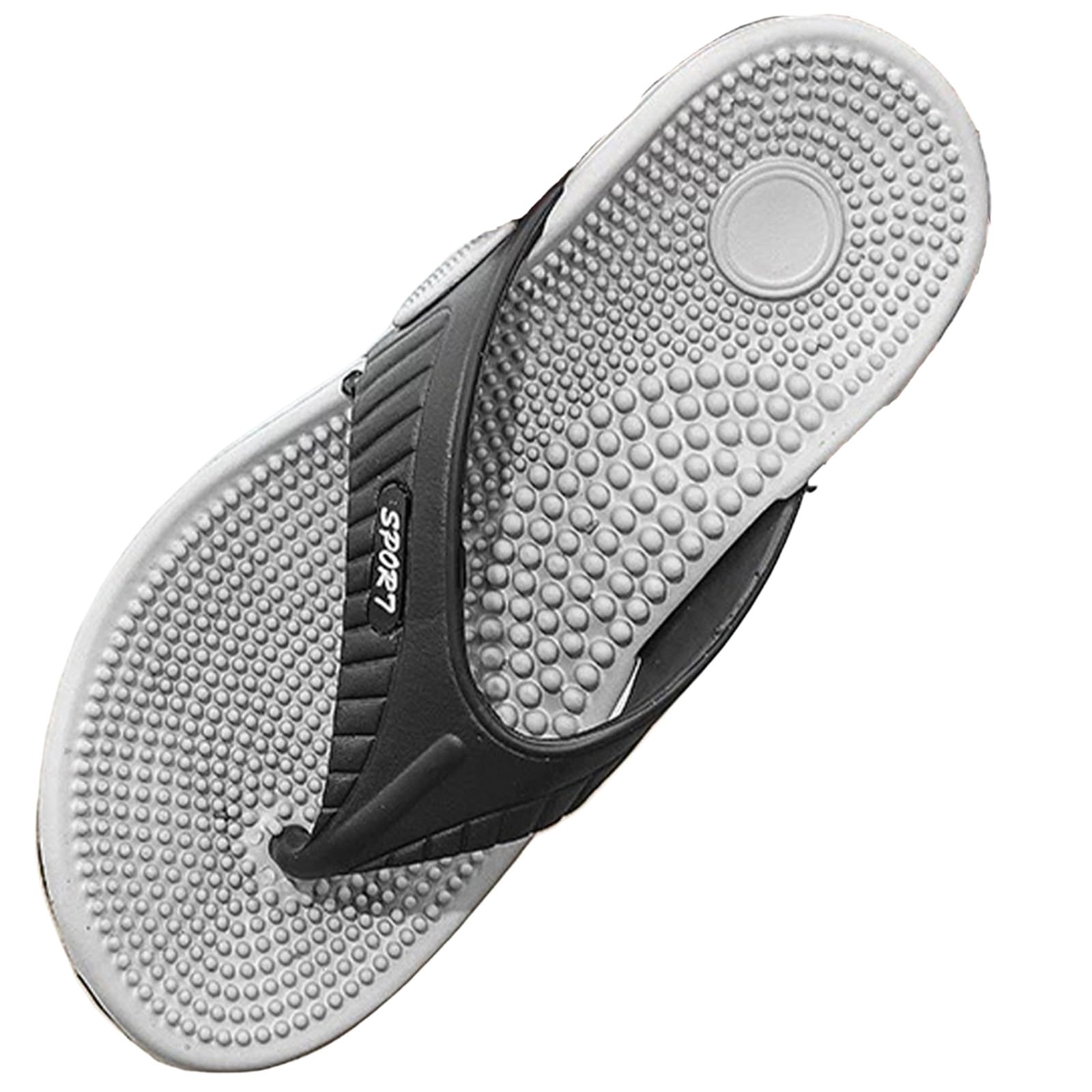


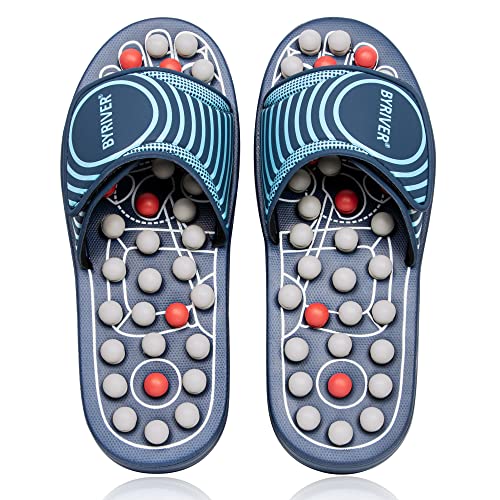

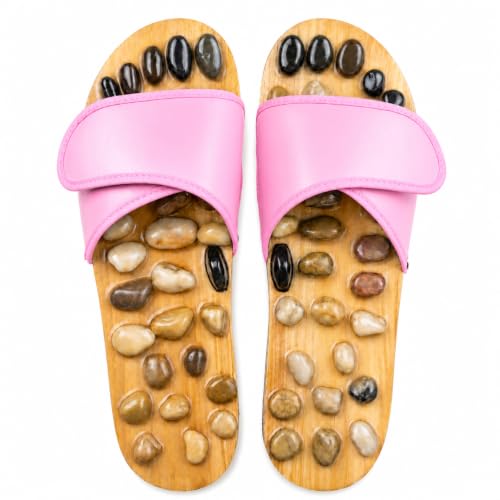
Choosing by Budget: Three Tiers to Compare
Instead of chasing a single winner, compare what each tier usually offers and what it leaves out. The product table above gives you a quick view of price and basic features. Use the checklists below to decide which tier fits your feet, your floors, and how long you plan to wear the slippers each day.
Best Budget Tier Checklist
Budget pairs, often under $30, suit short trial periods and light home use. Look for a secure strap or closed upper, nodes that feel firm but not sharp, and a sole with basic grip for tile and wood floors. Materials are usually simple molded plastic or foam, so expect faster wear and less arch support. This tier works well if you want to test whether you like acupressure at all before spending more. Size carefully, because returns matter more when the footbed shape is basic.
Best Midrange Tier Checklist
Midrange pairs, often about $30 to $60, are the sweet spot for most women. You usually get softer strap materials, better shaped arch support, and nodes placed with more variation across the heel, arch, and ball of the foot. Outsoles tend to grip better and feel quieter on hard floors. If you plan to wear them daily for cooking, chores, or standing at a desk, this tier often gives the best balance of comfort, durability, and price without paying for extras you may never notice.
Best Premium Tier Checklist
Premium pairs, often above $60, should earn their price with clear upgrades. Expect plusher uppers, replaceable or more durable footbeds, stronger arch support, and smoother edges around each node so pressure feels even rather than poky. Some add adjustable straps that help with swelling or a high instep. This tier makes sense for women who already know they enjoy acupressure and wear the slippers every day. If the only upgrade is color or packaging, the extra cost is hard to justify.
What Your Money Gets You at Each Price Tier
Price tiers differ less in the basic idea and more in materials, shaping, and how long the slippers stay comfortable. A cheap pair and a premium pair both press on the sole, but they spread that pressure very differently. Thinking in tiers helps you avoid paying premium prices for budget construction, or expecting budget pairs to last through daily heavy use.
Budget Tier: What to Expect
At the budget level, expect a single molded footbed, fixed node height, and a simple strap or slide shape. Cushioning is usually thin, stability comes mostly from a wide base, and the toe box may feel narrow on wider feet. These pairs are fine for five to fifteen minutes at a time on carpet or a mat. Plan to replace them sooner, because nodes can flatten and straps can stretch with regular use.
Midrange Tier: The Sweet Spot for Most Buyers
Midrange slippers usually add shaped arch support, a slightly softer top layer over the nodes, and a more flexible outsole. That mix makes longer wear more realistic and helps the slipper stay put as you move around the house. Many women find this tier best for plantar discomfort after work, because pressure feels clear without becoming painful. For broader everyday comfort, you can also compare general styles in our guide to the best women's slippers and note how their softer footbeds differ.
Premium Tier: When Spending More Pays Off
Premium spending pays off when it buys fit and durability you can feel. Adjustable uppers, deeper heel cups, and firmer support under the arch help if your feet tire quickly or swell by evening. Better outsoles also matter if you step onto a porch or patio, though true outdoor use needs a sturdier shoe. If you mostly wear slippers outdoors on errands, look instead at our guide to the best women's outdoor slippers for soles built for pavement.
Features Worth Paying For (and Ones to Skip)
Not every feature deserves your money. Node count alone means little, because placement and shape matter more than sheer numbers. Focus on how the footbed supports your arch, how the upper holds your foot without squeezing, and whether the sole grips your floors. Skip decorative extras, scented materials, and claims that a slipper can treat a medical condition.
Arch Support and Foot Type
Match support to your foot type. Flat feet often do better with gentle, broad arch contact and nodes that are not too tall under the arch. High arches may need more cushioning at the heel and ball, because those areas take most of the pressure. If your feet roll inward a lot, choose a stable base and a heel cup that keeps the foot centered. Start with short sessions and stop if you feel sharp pain, numbness, or tingling.
What Women Should Look For
Women should check sizing in detail, because many acupressure slippers use unisex or whole sizes only. Measure your foot in the evening, when feet are slightly larger, and compare the length in inches or centimeters to the size chart for that pair. A wide toe box helps if your toes spread or you have bunions. Light weight matters for all day home wear, and an adjustable strap helps if your feet swell. For relaxed evening wear, our guide to the best women's bedroom slippers shows softer options for sensitive feet.
Outsole Traction and Terrain
Most acupressure slippers are indoor shoes, so judge the outsole on home floors first. Look for textured rubber or rubber like material that grips tile, laminate, and wood without leaving marks. Deep lugs are unnecessary indoors and can feel unstable on smooth floors. A slight heel to toe drop is fine for short wear, but a very flat, stable base feels safer on stairs. Wipe the soles clean often, because dust and hair reduce grip more than most people expect.
Fit, Sizing, and Toe Box
Your heel should sit inside the heel cup, not on its back edge, and your toes should not hang over the front. Leave a small amount of space in front of your longest toe, and check that nodes under the arch line up with your arch rather than your heel. If you fall between sizes, the larger size usually works better with an adjustable strap. Walk on carpet first during the return window, so you can exchange sizes if the pressure points feel wrong.
Long Term Costs to Factor In
The purchase price is only part of the cost. Budget footbeds can flatten within a few months of daily use, so a low price may mean buying twice in a year. Check whether straps can be cleaned, whether the footbed holds odors, and what the warranty covers if a strap tears. Older adults who need extra stability should also see our guide to the best women's slippers for elderly readers, where easy entry and firm support matter more than strong nodes. A midrange pair that lasts a full year often costs less over time than two budget pairs.
Health note: acupressure slippers are a comfort product, not a medical treatment. Do not use them on broken skin, open sores, or areas with poor circulation. If you have diabetes, nerve damage in your feet, ongoing foot pain, or balance problems, talk with your doctor or a podiatrist before using firm node footbeds. Stop use and seek care if you notice bruising, numbness, swelling, or pain that lasts after you take the slippers off.
FAQs
What makes acupressure slippers for women different?
They differ mainly in sizing, width, and strap shape rather than in the basic node idea. Women specific pairs tend to run narrower, offer smaller sizes, and use uppers shaped for a lower instep. That said, foot shape varies a lot, so the size chart and toe box width matter more than the label. If you usually wear wide shoes, look for wide options first.
How often should I replace my acupressure slippers?
Replace them when the nodes feel flat, the strap no longer holds your foot, or the sole starts to slip on floors you know well. For daily wear, that is often after about six to twelve months, and sooner for soft budget foam. A simple test helps: if the massage feel is mostly gone and your feet slide forward, the pair has done its job.
Can women wear acupressure slippers all day?
Most women should not wear them all day, especially at first. Firm nodes are meant for short sessions, often starting at five to ten minutes and building up slowly as comfort allows. For long standing, alternate with supportive everyday shoes that have real cushioning. If your job keeps you on your feet, use acupressure pairs at home as a change of feel, not as your main work shoe.
How long is the break in period for acupressure slippers?
The break in period is usually one to two weeks of short, regular use. Wear socks at first if the nodes feel too strong, and keep early sessions brief. Mild tenderness that fades quickly can be normal for new users, but sharp pain is a sign to stop and reassess size or node height. Never push through pain to finish a set time.
Are expensive acupressure slippers worth it?
They are worth it only when the upgrades match your needs, such as adjustable straps, better arch shaping, or a more durable sole. If you wear them daily and already enjoy the feel, premium materials can pay off over a year. If you are unsure you like acupressure, start in the budget or midrange tier. You can learn more about the general category in our guide to the best acupressure slippers before you spend more.
How should acupressure slippers fit?
They should fit snugly enough that your foot does not slide, with your heel centered and toes free to spread. The arch nodes should meet the middle of your foot, not dig into the heel or ball. Walk a few steps indoors: if you have to grip with your toes to keep them on, try a different size or strap style. A secure fit also improves safety on stairs.
The Bottom Line
Choose by node intensity, arch fit, and strap security before you worry about price tier labels. Most women do best starting in the midrange tier, wearing the pair for short sessions, and sizing carefully in the evening. Compare your short list with the comparison table above, and pick the best acupressure slippers for women's option that your feet can enjoy comfortably and safely. If foot pain continues, talk with your clinician about your personal needs.