
Best Alfalfa Tablets: What Actually Matters Before You Buy for 2026
Disclosure: We may earn a commission when you buy through links on this page, at no extra cost to you. As an Amazon Associate I earn from qualifying purchases. Learn more

Use this checklist to choose the best alfalfa tablets with confidence, covering sourcing, organic certification, dose per serving, testing, and value.
Alfalfa tablets look simple on the shelf, yet labels hide big differences in sourcing, purity testing, and how much leaf you actually get per tablet. This guide gives you a checklist to judge the best alfalfa tablets for everyday nutrition support, without health hype or cure claims. You will learn how to read a Supplement Facts panel, spot weak products fast, and work out the true cost per day before you spend anything.
Alfalfa is a leafy plant valued as a source of chlorophyll, vitamin K, and trace minerals, and tablets make it easy to take without brewing teas or juicing greens. Use the product table alongside this checklist, and talk with your own clinician about whether a supplement like this fits your health picture at all.

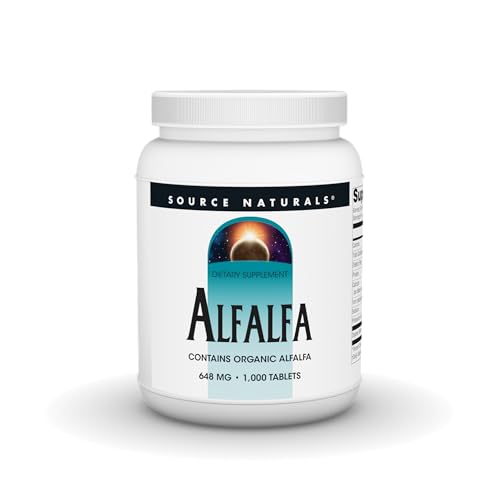
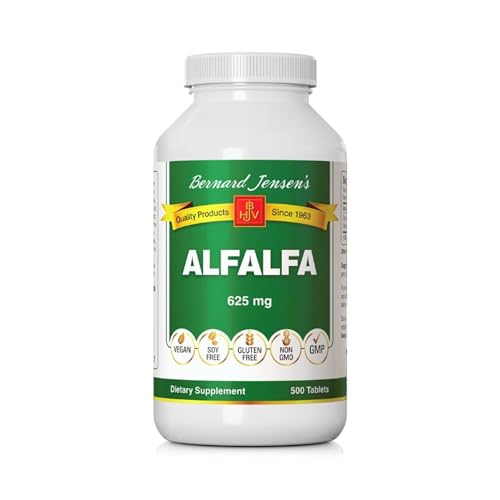


How to Evaluate Alfalfa Tablets
Judge alfalfa tablets on seven criteria: sourcing, organic status, tablet design, nutrient honesty, purity testing, safety information, and cost per serving. A strong product does the basics well and says so plainly on the label. A weak one hides behind vague plant language and miracle claims, and those are the products this checklist is built to catch.
Sourcing and Leaf Quality
Good tablets start with the aerial parts of the alfalfa plant, mainly the leaves, harvested at a stage when nutrient content is high. Look for labels that name the plant part and the country of origin, because growing region affects soil quality and farming standards. Makers who grow or contract their own fields usually describe that fact with pride. If a label only says alfalfa powder with no origin and no plant part, you have no way to judge quality, and that silence is itself useful information when you compare brands side by side.
Organic Certification and Growing Practices
Alfalfa is a crop that can carry pesticide residue if it is farmed carelessly, so growing practice matters more here than in many supplement categories. Certified organic tablets must follow rules that limit synthetic pesticides and fertilizers, and the seal of a recognized certifier should appear on the bottle. Some brands also test each lot for residue even without certification, and they will say so. Decide which standard you require before you shop, because the word natural on a label has no strict legal meaning and guarantees nothing about how the crop was grown.
Tablet Size, Dose, and Ease of Use
A supplement only helps if you will actually take it, so tablet design is a real buying criterion. Check the tablet size and coating if you find large pills hard to swallow, and note how many tablets make up one daily serving, because some brands need three or more tablets to reach the listed dose. Follow the serving printed on the label, and ask your clinician if you are unsure. Count the tablets per bottle against the daily dose to see how many weeks one bottle truly lasts.
Nutrient Profile and Label Honesty
Alfalfa leaf naturally provides vitamin K, small amounts of calcium, magnesium, and iron, plus chlorophyll and plant compounds. Honest labels list alfalfa as a whole food style ingredient and avoid promising drug like effects. Be skeptical of any label that claims precise vitamin amounts the plant cannot guarantee, since growing conditions change nutrient levels from lot to lot. The most trustworthy panels show the milligrams of leaf per serving clearly and keep every other claim modest. Exaggerated nutrient math is a sign the maker values marketing over accuracy.
Third Party Testing and Purity
Leafy crops grown in soil can pick up heavy metals such as lead and cadmium, so purity testing is not a luxury in this category. Strong brands test raw material and finished tablets for heavy metals, microbes, and identity, and many publish results or test through independent labs with seals from groups such as USP or NSF. A lot number and expiry date on every bottle let the maker trace any problem. If a cheap tablet shows no testing language at all, the low price may simply reflect skipped safety steps.
Safety, Interactions, and Who Should Be Careful
Alfalfa is not right for everyone, and this is the most important section in this guide. Alfalfa contains vitamin K, which can interfere with blood thinning medication such as warfarin, and it contains a compound called L canavanine that concerns doctors for people with lupus or other autoimmune conditions. Pregnant or breastfeeding women, people planning surgery, and anyone taking immune suppressing or diabetes medication should skip alfalfa unless their doctor approves it. Stop taking it and seek medical care promptly for warning signs such as unusual bruising, a spreading rash, joint pain, or severe stomach upset.
Cost Per Serving and Bottle Size
Never compare bottles by sticker price alone, because a cheap bottle with a three tablet serving and a thirty day supply can cost more per month than a premium bottle with a one tablet serving. Divide the price by the number of servings in the bottle to get the only number that matters. Most decent options land around $8 to $20 per month of daily use. Also weigh bottle size against freshness, since a huge bottle you cannot finish before the expiry date is not a bargain at any price.
How Price Tiers Compare
Price tiers in this category describe testing and sourcing standards more than strength. Use the tiers below to judge any product in the product table instead of hunting for a single named winner.
The Balanced Tier for Most Buyers
Mid priced tablets, often about $12 to $22 per bottle, usually offer the best balance for everyday buyers. You generally get certified organic or residue tested leaf, clear milligrams per serving, heavy metal testing, and a reasonable tablet count per day. Labels in this tier tend to be complete and calm, without cure claims. For shoppers comparing plant based daily supplements more broadly, our guide to the best fiber tablets shows how a similar checklist applies to a different daily tablet habit.
The Value Tier
Budget tablets, often under $10 per bottle, can be acceptable if the basics survive your checklist: named plant part, a lot number, an expiry date, and at least basic purity testing. Where corners usually get cut is testing documentation, tablet size, and servings per bottle, so do the cost per serving math before you celebrate the low price. Value tablets also tend to need more tablets per day, which some people find annoying within a week. Buy this tier only when the label answers every checklist question without evasion.
The Premium Tier
Premium tablets, often about $22 to $35 per bottle, pay for certified organic sourcing, published third party test results, and careful extras such as glass packaging or single origin leaf. The alfalfa itself is not stronger, so buy this tier for verification and peace of mind rather than extra effect. People who take several supplements often prefer this tier for its documentation, the same reason many choose verified products in our guide to the best collagen tablets. If the budget is tight, the balanced tier covers the same nutritional ground.
Quick Buyer Checklist
- Does the label name the plant part and the milligrams of leaf per serving?
- Is the alfalfa certified organic, or at least tested for pesticide residue?
- Does the maker test for heavy metals and microbes, ideally through a third party?
- Can I swallow the tablet size, and is the daily tablet count realistic for me?
- Have I checked alfalfa against my medications and health conditions?
- Does the cost per serving fit my monthly budget?
- Are a lot number and expiry date printed on the bottle?
Red Flags to Watch For
Walk away from any alfalfa tablet that claims to cure, treat, or prevent a disease, because supplements are not allowed to promise that and honest makers never do. Other red flags include a proprietary blend that hides how much alfalfa is inside, no Supplement Facts panel, no lot number, and a seller with no physical address or contact route. Prices far below every rival, paired with perfect reviews and no testing language, usually mean corners were cut where you cannot see them. When in doubt, choose the boring label with complete information over the exciting label with promises.
Picking the Right Alfalfa Tablets for Different Uses
Most buyers want simple daily green nutrition support, and any checklist passing tablet serves that goal. The one variation worth its own discussion is the organic question, because it changes price, sourcing, and who should consider paying more.
Best Organic Alfalfa Tablets
The best organic alfalfa tablets carry a recognized organic seal, name their growing region, and back the seal with residue and heavy metal testing on the finished product. Organic matters most for a leafy crop you take daily, since small exposures add up over months. Expect to pay roughly a third more than conventional tablets. If a product says organic in large print but shows no certifier seal anywhere on the label, treat the claim as unproven and keep shopping.
Tips to Get the Most From Your Alfalfa Tablet
Take your tablets with a meal and a full glass of water, which is gentler on the stomach and helps you build a steady routine at the same time each day. Store the bottle in a cool dry cupboard away from bathroom steam, and keep the desiccant pack inside so the tablets stay dry. Give any new supplement a few consistent weeks before you judge how you feel, and change only one product at a time so you can tell what is doing what. Note the start date on the bottle with a pen.
Alfalfa Tablets: Your Questions Answered
Who should avoid alfalfa tablets?
People taking blood thinners, people with lupus or other autoimmune conditions, and pregnant or breastfeeding women should avoid alfalfa tablets unless their doctor says otherwise. The vitamin K in alfalfa can change how warfarin works, and its L canavanine content raises concerns for immune conditions. Anyone scheduled for surgery should mention alfalfa to the surgical team in advance. When your health situation is complex, a short conversation with your clinician is worth more than any label.
How many alfalfa tablets should I take each day?
Follow the serving printed on your product label and your clinician's advice, since tablet strength varies widely between brands. More is not better with plant supplements, and doubling a serving also doubles your exposure to anything in the leaf. If you take other supplements with vitamin K, ask your pharmacist or doctor to check the total across products.
How long do alfalfa tablets take to show any effect?
Alfalfa tablets are a food style supplement, so judge them over weeks of steady use rather than days, and expect subtle nutritional support rather than a dramatic change you can feel on a schedule. Anyone who promises fast or guaranteed results from a leaf tablet is selling you a story. Keep notes on simple markers you care about, such as energy through the afternoon, and review them after a month. If nothing has changed, your money may serve you better in fresh vegetables.
Are organic alfalfa tablets worth the extra cost?
Organic tablets are worth the extra cost if you take alfalfa daily and want strict limits on pesticide use, since leafy crops are eaten whole and residue standards matter more than for a peeled fruit. The nutritional content is broadly similar to conventional leaf, so you are paying for farming practice and verification, not extra strength. If your budget forces a choice, a conventional tablet with published heavy metal testing beats an organic tablet with no testing at all.
Can I take alfalfa tablets with my regular medication?
Do not assume you can, because alfalfa interacts with several common medication types, including blood thinners, immune suppressants, and some diabetes drugs. Bring the actual bottle to your pharmacist or doctor and ask directly, since they can check your full medication list in minutes. Never stop or adjust a prescribed medication to make room for a supplement. If you develop unusual bruising, bleeding that is slow to stop, or a new rash after starting alfalfa, stop taking it and contact your clinician the same day.
Wrapping Up
Judge alfalfa tablets by sourcing, testing, and honest labels, then confirm the cost per serving fits your budget. The best alfalfa tablets for you are the ones that pass every checklist item and fit safely into your health situation. Compare your shortlist in the product table, reread the safety section once more, and please talk with your clinician about your personal needs before you start any new supplement.


