Best Activity Smart Watches for Every Need: How to Pick the Right One for 2026
Disclosure: We may earn a commission when you buy through links on this page, at no extra cost to you. As an Amazon Associate I earn from qualifying purchases. Learn more

Discover the best activity smart watches for your needs. Match features to real use cases so you avoid overpaying and get the right fit the first time.
There is no single watch that suits a runner, a swimmer, a hiker, and a busy parent in the same way. The best activity smart watches are the ones whose GPS, battery, case size, and sensors match your main activities, because paying for maps you never open or missing heart rate data you need both lead to regret.
This guide works by use case first. Find the buyer type closest to you, note the features that type truly needs, then use the comparison table below to narrow your short list by size, battery life, and water resistance.


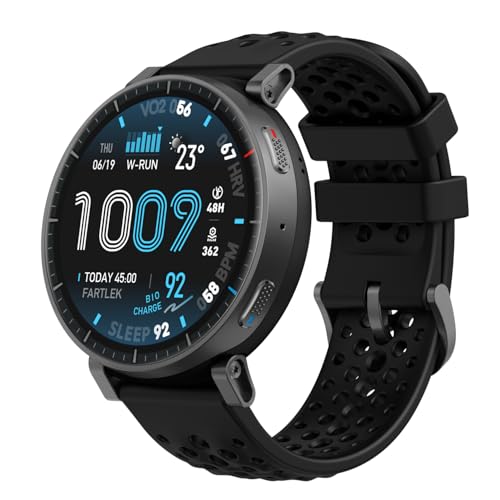
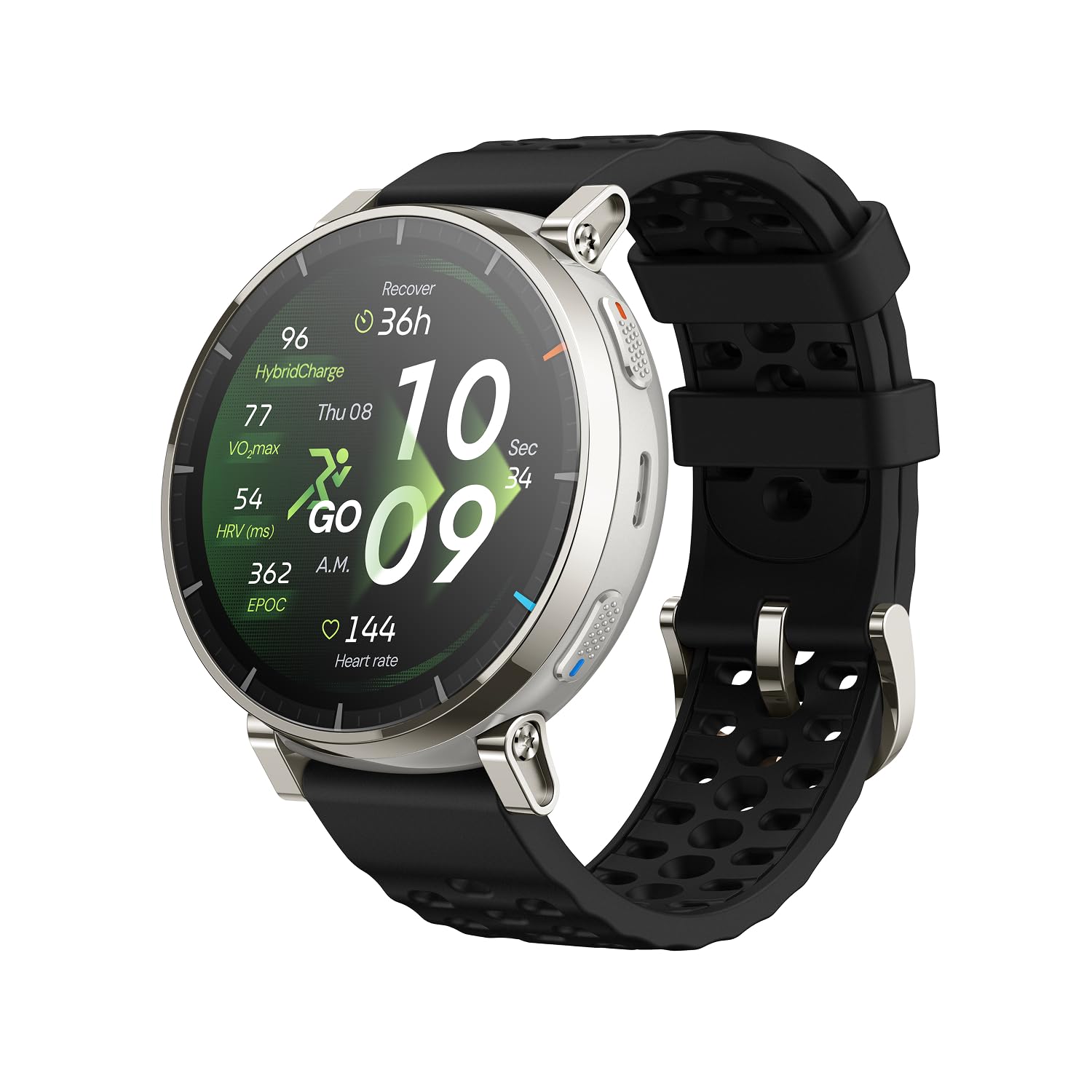

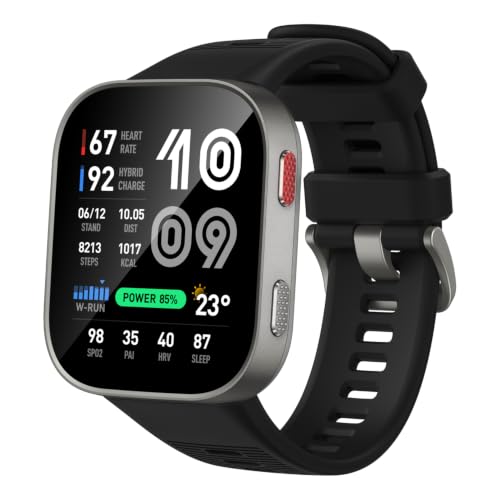
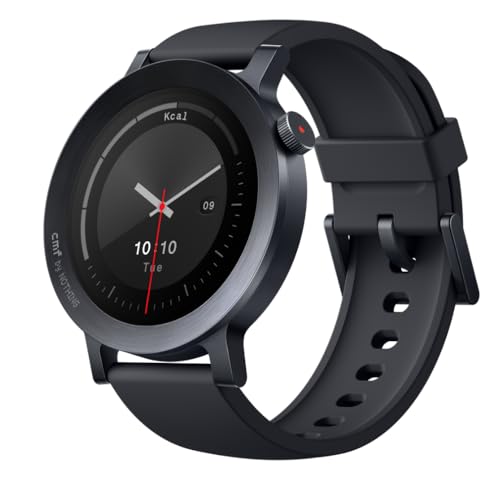


Who Should Buy Which Activity Smart Watches?
For Value Seekers
Value seekers need balance: reliable GPS, a bright screen, solid battery life of several days, and a case that survives daily knocks without a premium price. At lower prices, often around $100 to $200, you can get accurate step and heart rate tracking, sleep logs, and phone notifications that cover most training needs.
What you give up is usually onboard maps, premium materials such as sapphire crystal, and advanced training analysis. If you train three to five times a week and want honest data without fuss, that trade is smart. Spend the savings on a comfortable strap and shoes, which affect training more than a metal bezel will.
For People Who Want the Best Performance
Performance buyers train with intent and use data to plan the next session. For you, dual band GPS accuracy on city streets and trails, long battery life in GPS mode, training load and recovery guidance, and a screen you can read at a glance in bright sun are worth paying for, often around $300 to $600.
Premium money also buys lighter cases, stronger glass, and better buttons that work with gloves or wet hands. The key test is use: if you will check the extra metrics weekly and adjust training, the cost earns its return. If you will glance only at distance and pace, a simpler model serves you just as well.
For Gift Shoppers
Gift shoppers need a watch the receiver will actually wear, so ease of setup, phone compatibility, and a familiar strap size matter more than deep sport features. Check whether the receiver uses an Android phone or an iPhone first, because some watches pair best within one system and a mismatch creates daily friction.
Choose a neutral color, a midsize case that suits most wrists, and a retailer with an easy return window in case the fit is wrong. A gift receipt and a spare fabric strap make the present feel complete. Avoid very large adventure cases as gifts unless you know the receiver wants that bold, rugged look.
For First Time Buyers
First time buyers do best with simple menus, clear buttons or a responsive touch screen, and automatic activity detection that records a walk or ride even when you forget to press start. Look for a watch that charges with a common cable style and gives at least several days of battery, so a new habit is not broken by constant charging.
Start with core features: GPS, heart rate, sleep tracking, and water resistance for showers and swims. Skip complex training plans until you know you enjoy wearing a watch daily. After a month of regular use, your own data will show you exactly which upgrade, if any, you actually need next.
If style matters as much as sport for your first watch, our guide to the best looking smart watches helps you weigh dial design and case finish alongside tracking features.
Key Features to Compare
Case Size and Wrist Fit
Activity watches commonly range from about 38 mm to 47 mm in case diameter, with sport models at the larger end. A case that overhangs your wrist will catch on sleeves and feel unstable during runs, while a case that is too small can make maps and data fields hard to read at speed.
Check lug to lug length and thickness as well as diameter, and try the watch with your wrist bent as if holding handlebars or a racket. Practical know how: wear the strap one notch tighter for workouts than for desk wear, because a snug fit keeps the heart rate sensor in contact without cutting circulation during long sessions.
Movement Type
In smart watches the movement is digital, powered by a rechargeable battery and guided by software rather than by quartz or automatic gears. That brings GPS and sensors, but also charging routines and a useful life tied to battery health and software updates, unlike a solar watch that can run for years on light alone.
Judge a smart model by real battery life in the modes you use. A watch that lasts two weeks for steps may last only one long day with GPS and music running. If you dislike frequent charging, a simpler tracker style smart watch or a solar assisted model may suit your habits better than a feature rich flagship.
Legibility and Style
You read an activity watch in motion, in sun, rain, and pool light, so legibility is a safety and usability feature, not just a style choice. Large numerals, strong contrast, and lume or a bright backlight help at dawn and dusk, while a matte screen finish cuts glare on trails and roads.
Style decides whether you keep wearing it after training. A sport case with a fabric or silicone strap suits the gym and weekends, and a leather or steel strap can shift the same watch toward office wear if the case is not too large. Quick release straps make that switch fast and tool free.
Smart and Fitness Features
Core fitness features include GPS for pace and route, heart rate for effort, and tracking for sleep, steps, and calories. Useful extras include route guidance, workout suggestions, contactless payment, music storage, and phone call support. Each extra draws power, so the best feature list is the shortest one that covers your actual week.
Remember that wrist sensors estimate rather than measure like medical gear. Readings can lag during interval training or cold weather, and no smart watch replaces a doctor or a medical device. If you notice unusual symptoms during exercise, stop and seek medical advice, and talk with your clinician about personal training limits and any readings that concern you.
For phone pairing details by system, our guide to the best smart watches android explains which features depend on your handset.
Water Resistance Rating
For swimmers, look for a rating of 5 ATM or 100 m and a swim mode that locks the screen against water touches. A rating of 30 m or splash proof wording covers hand washing only and should keep you out of the pool. Saltwater and soap speed up seal wear, so ratings assume cared for gaskets.
Rinse the watch in fresh water after sea swims, dry it fully before charging, and avoid pressing buttons under water. If you dive or surf often, choose a model built for that pressure and impact, and have seals checked if the watch is several years old or has taken a hard knock on the case.
Common Mistakes to Avoid When Buying Activity Smart Watches
- Choosing by price alone and missing the one sensor or battery figure your main sport needs.
- Ignoring case size and wrist fit, then fighting strap slip and poor heart rate contact on every run.
- Buying a watch tied to the wrong phone system, which limits replies, apps, and setup ease.
- Paying for maps, music, and calls you will never use while giving up battery life you need weekly.
- Skipping warranty and return terms, which matter when a battery or screen fault appears early.
Each mistake is easy to avoid with ten minutes of checking before you order. Write down your main sport, your phone type, and your wrist size, and test every candidate against those three lines. That simple filter removes most poor matches faster than reading long spec lists.
If you want a non smart comparison point, our guide to the best activity watches covers simpler activity watches that trade apps for longer battery life and tougher basic cases.
Setup and Care Tips
Set up the watch in daylight, pair it with your phone, and walk a known route to check GPS pace against a distance you trust. Turn on only the notifications you need, because constant alerts drain battery and attention. Fit the strap as described above, and record one easy workout before you judge accuracy on a hard session.
For care, rinse after saltwater or heavy sweat, dry the charging contacts, and store the watch away from strong magnets in speakers and clasps. Charge before the battery runs fully flat when you can, and update software while the watch sits on its charger. A soft cloth removes sunscreen and grit that would otherwise scratch the crystal over time.
Readers who mainly want tracking without a full smart screen may also compare our guide to the best watches for activity tracking, which focuses on the tracking function itself.
FAQs
How water resistant should a watch be?
For activity use, choose at least 5 ATM if you swim, and splash resistance only if the watch will never enter a pool. An extra point is button design: watches with large, firm buttons are easier to use with wet hands than touch only models, and a screen lock mode prevents water droplets from pausing your workout by accident.
How long does a watch battery last?
Battery life ranges from about one day on feature rich models to two weeks or more on simpler sport watches. GPS use is the biggest drain, so check the GPS mode figure rather than the standby claim. A useful habit is a weekly charge routine on a rest day, which keeps the watch ready for long weekend sessions without daily cable stress.
What case size fits my wrist?
Your case size fits when the lugs stay within your wrist width and the strap curves smoothly without gaps. Most smaller wrists suit about 38 mm to 42 mm, while larger wrists suit 43 mm and above. As an added test, shake your wrist gently: the watch should stay in place without sliding over the wrist bone, which signals a fit that will read heart rate well.
Quartz or automatic: which is better?
For activity tracking, neither quartz nor automatic is better, because both lack GPS and sensors. That question matters only if you are choosing between a classic watch and a smart one. A classic quartz or automatic watch wins on battery free or low upkeep daily timekeeping, while a smart watch wins whenever you need routes, pace, and health trend data from the same wrist.
Is a smartwatch worth it over a classic watch?
A smartwatch is worth it if you will use its training and phone features at least a few times each week. It is not worth it if you prefer a watch you can ignore for months and still trust. One factor buyers miss is screen replacement cost: a cracked smart screen can end the watch, while a classic watch crystal is often a routine and cheaper repair.
Our Verdict
Let your main sport, phone system, and wrist fit lead the decision, then compare battery life in GPS mode and water resistance for your real routine. Use the product table above to short list the best activity smart watches that fit those lines, and for a broader phone watch view, see our guide to the best smart phone watches before you buy.