Best Activity Monitors: Every Type Explained Side by Side for 2026
Disclosure: We may earn a commission when you buy through links on this page, at no extra cost to you. As an Amazon Associate I earn from qualifying purchases. Learn more

Compare the best activity monitors by type, pros and cons, ideal user and price range to choose the right style.
Activity trackers all promise to count your steps and watch your sleep, yet the devices themselves could hardly look more different. Slim bands, full smartwatches, tiny clips, and even rings all compete for the same job, which makes best activity monitors a harder phrase to shop by than it first appears. This guide compares the types honestly so you can match a form to your habits before you spend anything.
The comparison table below sets the four main types side by side with their strengths, weaknesses, and typical prices. After that, the closer comparisons and the choosing section explain the sensors, battery figures, and wearing styles behind those short table entries.




Types of Activity Monitors Compared
Every activity monitor is a small sensor package with a battery, and the type is really just a decision about where that package lives on your body. That one decision drives screen size, battery life, and how the device feels by the end of a long day. Read the table first, then the notes under each type.
| Type | Best For | Pros | Cons | Typical Price |
|---|---|---|---|---|
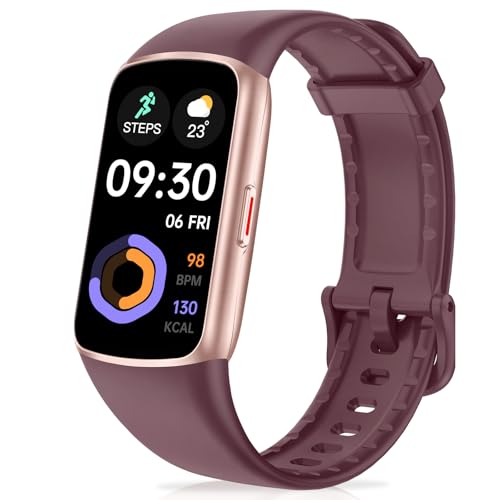
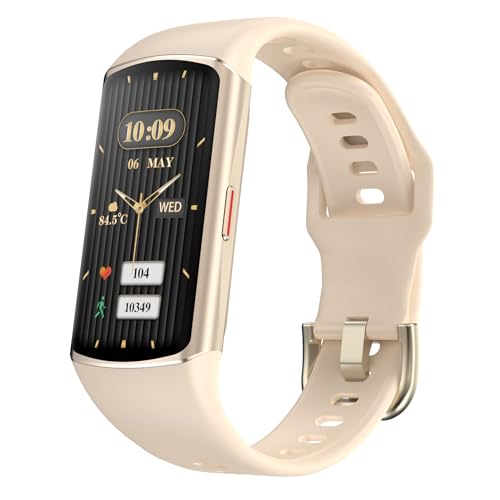
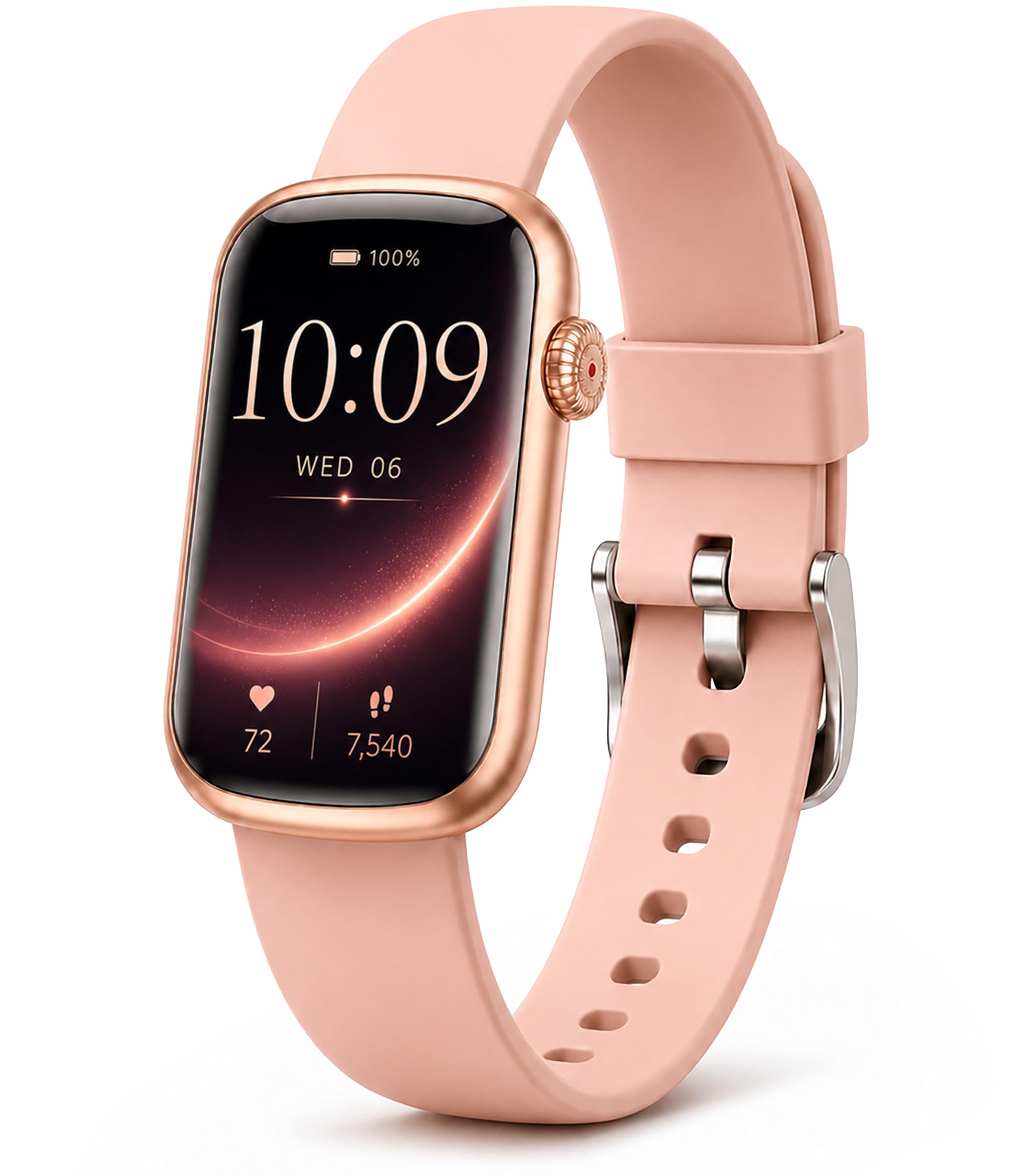
| Wrist Band Trackers | Step, sleep, and habit tracking | Light, cheap, long battery | Tiny screen, few smart features | about $30 to $100 |
| Smartwatch Trackers | Training plus phone features | Large screen, built in GPS, apps | Short battery, higher price | about $150 to $400 |
| Clip On Trackers | Workers who cannot wear wrist items | Discreet, hard to forget on clothing | Easy to lose, no heart rate | about $25 to $80 |
| Ring Trackers | Sleep and recovery tracking | Comfortable at night, no screen distractions | No display at all, costly for the size | about $200 to $400 |
Wrist Band Trackers
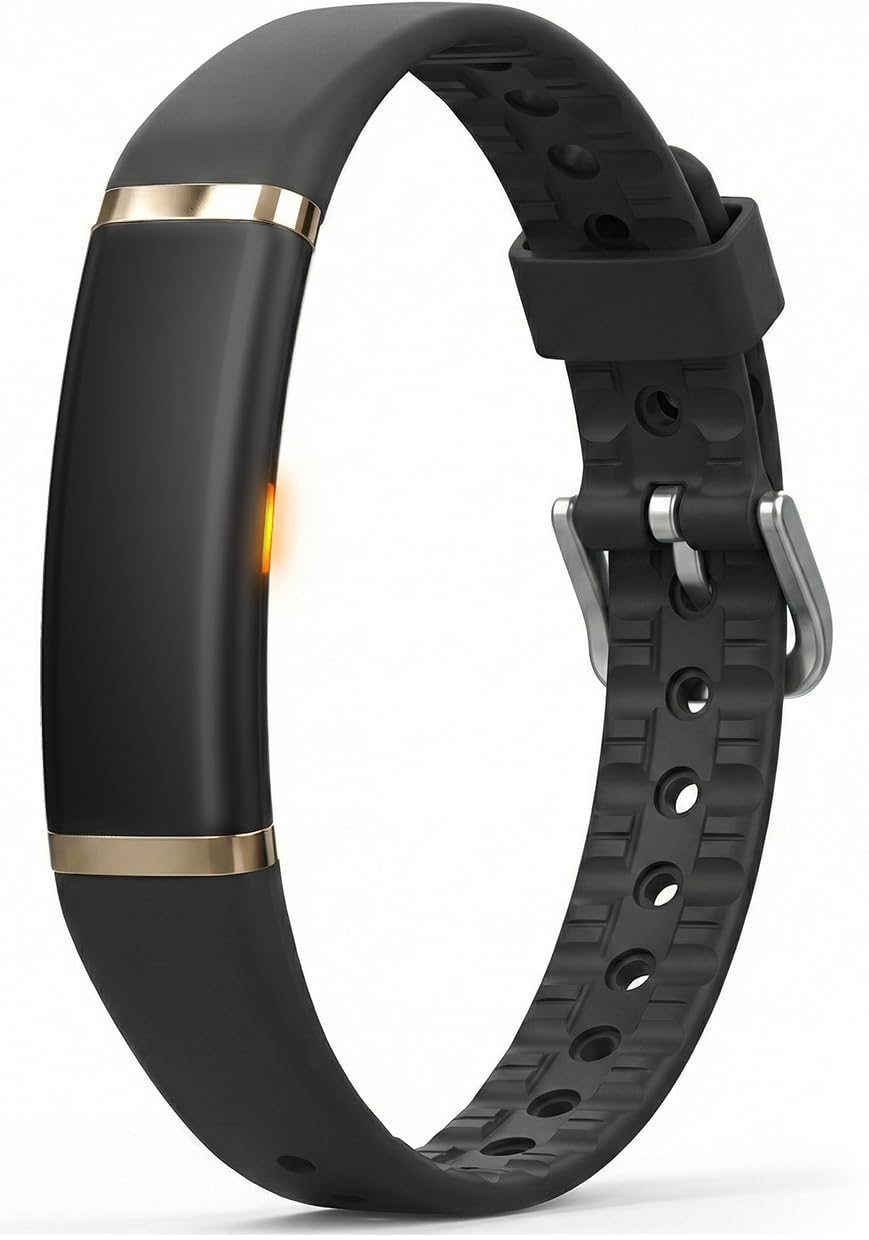
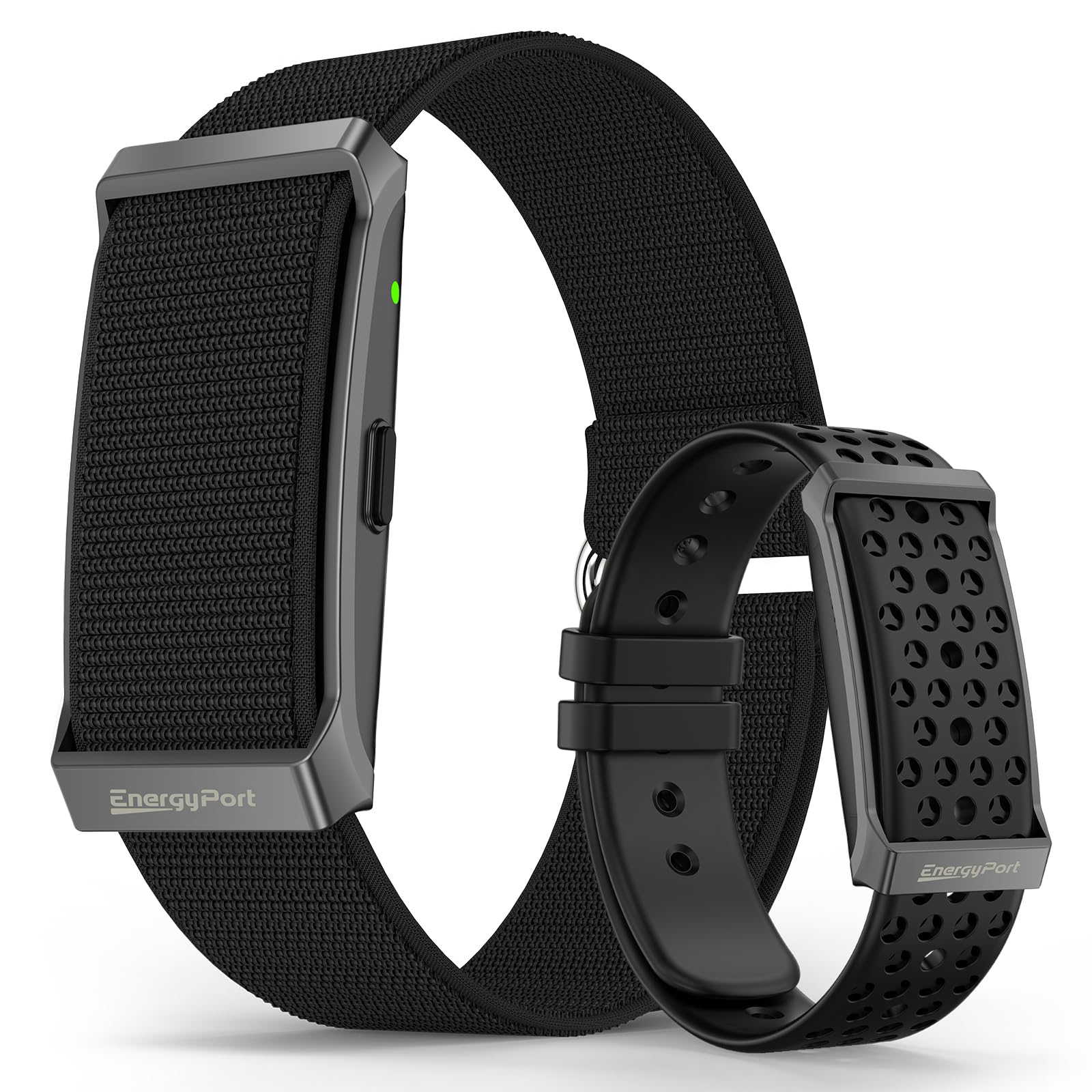
The plain band is the original activity monitor shape: a narrow strap, a small screen or none, and a sensor set aimed at steps, distance, sleep, and resting heart rate. Bands are light enough to forget, cheap enough to replace without pain, and usually run a week or more per charge. Their weakness is ambition, since tiny screens show little and most borrow GPS from your phone. For steady everyday tracking on a budget, this type remains the sensible default.
Smartwatch Trackers
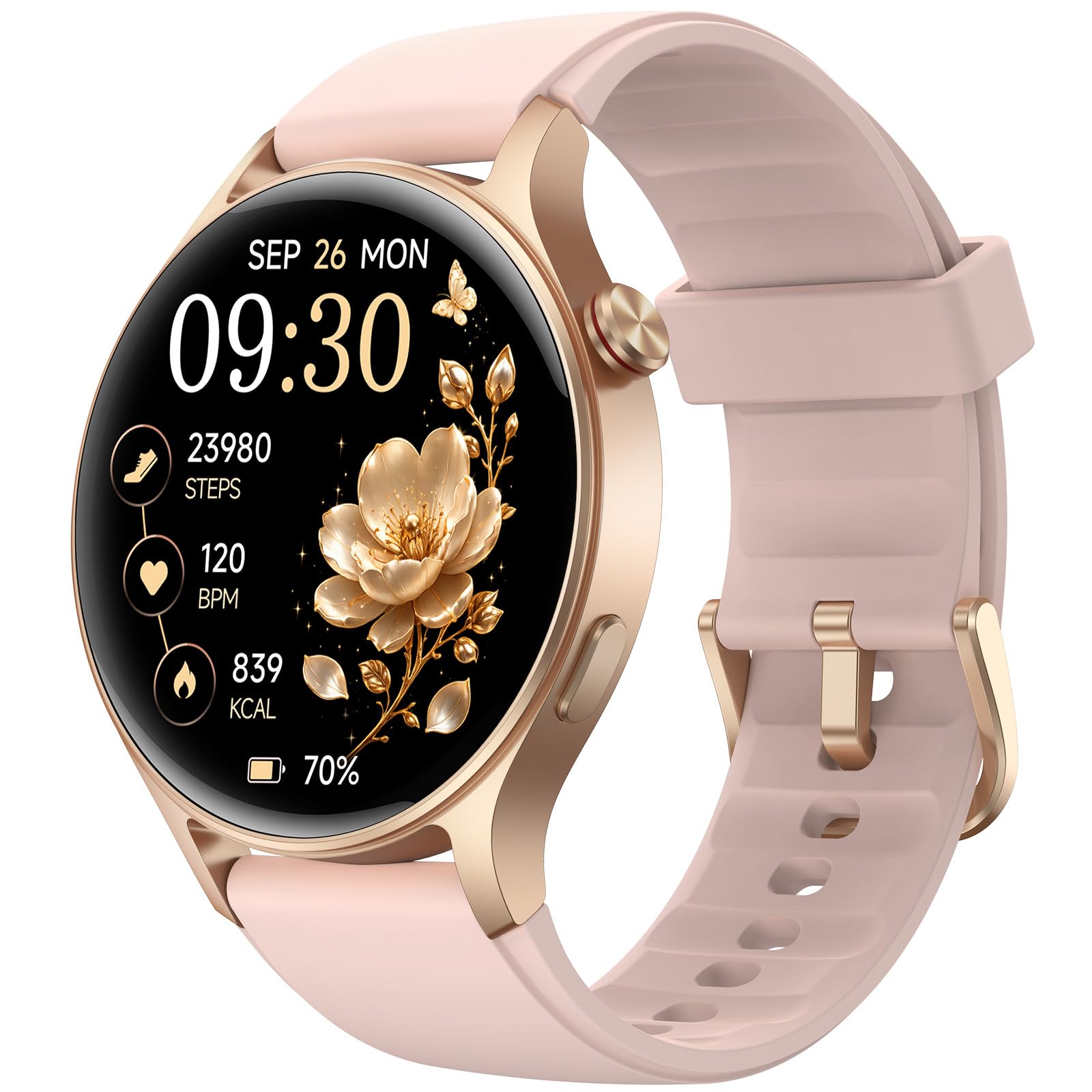
A smartwatch is an activity monitor wearing a computer's clothes, with a bright touch screen, onboard apps, music and payment features, and often its own GPS. Training data is richer and notifications land on your wrist, which many runners and gym users genuinely value. The costs are literal and practical: prices climb fast, and the battery may need a charge every day or two. Choose this type when the watch features matter as much as the tracking itself.
Clip On and Ring Trackers
Clip on trackers pin to a waistband, pocket, or bra strap and simply count movement, which suits nurses, chefs, and others whose jobs ban wristwear. Rings take the opposite route, packing sleep and recovery sensors into jewellery you wear all night without noticing. Both types skip the wrist screen entirely, so every number lives in the phone app. They serve narrow needs very well and general needs poorly, which is exactly why they sit in their own class.
Wrist Bands vs Smartwatch Trackers: Which Should You Choose?
These two types cover most buyers, so the choice between them deserves a direct look. On battery, bands win easily, often lasting about 7 to 14 days against about 1 to 3 days for a smartwatch. On training detail the watch wins, because built in GPS and larger screens make pace, laps, and maps easy to read mid workout.
On price the band wins again, commonly costing a third as much for the same core step and sleep tracking. Pick the watch when workouts and phone features drive you, and the band when quiet, durable habit tracking is the real goal.
How to Choose the Right Activity Monitor
Sensors and What They Actually Measure
The sensor set governs what any activity monitor can know. An accelerometer counts steps and detects sleep movement, an optical sensor on the skin estimates heart rate from blood flow, and GPS, when fitted, maps outdoor routes directly. Treat every heart rate, calorie, and oxygen figure as an estimate from a consumer wellness tool, because a tracker is never a medical device and its numbers guide habits rather than diagnoses. If a reading ever worries you, a clinician with proper equipment is the right next step, not a different tracker.
Battery Life in Days
Battery life is best read as a days class, since it decides whether charging becomes a habit or a chore. Plain bands commonly run about 7 to 14 days, rings about 4 to 7 days, and full smartwatches about 1 to 3 days because their screens and GPS draw real power. A tracker that dies midweek quietly stops collecting the sleep and step streaks you bought it for. Match the charge rhythm to your tolerance honestly, because the best battery is the one you never have to think about.
Wrist vs Clip vs Ring: Wearing Style
Wearing style splits into a simple wrist versus clip choice for most shoppers, with rings as the night focused third option. Wrist wear keeps heart rate sensors against the skin and suits almost everyone, but some workplaces ban it for hygiene or safety. Clip wear hides the device on clothing and keeps hands free, at the cost of losing heart rate data and risking the laundry. Ring wear shines for sleep tracking, since a ring bothers most people less at night than a strap does.
Screens, Apps, and a Note on Names
One naming trap deserves clearing before you compare screens. Pages about best gaming monitors describe desk displays built for play, a screen class that has nothing to do with wearable trackers. The same is true of best computer monitors for gaming, which are screens for a desk setup rather than anything you wear. And best monitors for ps5 are console displays for a living room, again a screen class and not a tracker class.
On a tracker itself, the screen question is simpler: a basic band display for glances, a full watch display for maps and messages, or no display at all with everything in the app. The app matters more than the glass, because clear trends, easy history, and painless syncing decide whether you still check your numbers in month six. Prefer the tracker whose app shows your main goal on its first screen.
Water Resistance and Build Quality
Shoppers who begin by asking about the best quality monitors are usually asking how well a device is built, and for a tracker that means strap material, case sealing, and screen glass. A rating of 5 ATM or a clear swim proof label means the device can handle laps and showers, while a splash rating covers rain and hand washing only. Straps take the daily abuse, so check that replacements are cheap and easy to fit before the original cracks.
Choosing Activity Monitors for Your Situation
Activity Monitors for Kids: Which Type Works Best
Parents shopping for the best activity monitors for kids should start with durability, because a child's tracker gets dropped, soaked, and lost far more often than an adult one. Look for a rugged band with a week of battery, simple step goals and games instead of leaderboards against strangers, and an app that parents control. Bright colours help, small wrist sizing matters, and a low price softens the day it vanishes at school.
One nearby category needs a firm line drawn around it: best infant monitors are nursery viewing aids only and never sleep safety devices, and any camera used near a crib must keep its cord at least 3 feet away from the crib. A baby camera watches a room, while a child tracker counts movement, and the two jobs should never be confused.
Best Fitness Activity Monitors
For training rather than general habits, the fitness end of the tracker family adds built in GPS, workout modes for running and cycling, and heart rate zone readouts during sessions. Those zone and recovery figures are estimates that help you pace effort, not measurements a coach or clinician would certify. Expect to pay about $100 to $300 for this class, in either band or watch form, and expect the GPS models to sit at the shorter end of battery life.
Setup and Care Tips
Pair the tracker with its app on day one, wear it snugly enough that the heart rate sensor stays against the skin, and log a normal week before judging any baseline. Wash straps with mild soap after sweaty sessions and dry them fully, because trapped moisture irritates skin over time. Keep the app and firmware updated, since makers often improve sleep staging and battery behaviour in updates. Charge on a fixed day each week so a flat battery never eats a day of data.
Activity Monitor FAQs
How accurate are activity monitors at counting steps?
Most wrist trackers land within a reasonable margin of your true step count across a full day, which is plenty for habit goals. The common error is generosity: arm movements while driving, cooking, or folding laundry can register as steps. Clip on models worn at the waist usually dodge that error. Judge a tracker by whether its weekly trend matches your effort, not by a single afternoon's exact figure.
Can an activity monitor measure blood pressure or diagnose a condition?
No, an activity monitor is a consumer wellness tool and cannot diagnose anything or replace medical testing. A few models estimate blood oxygen or flag irregular heart rhythms, but those features screen for patterns and always point you toward a clinician for answers. Chest pain, fainting, or a racing heart that will not settle needs medical care right away, whatever the watch on your wrist says.
How long does an activity monitor battery usually last?
It depends on the type: plain bands often run about 7 to 14 days, rings about 4 to 7 days, and smartwatches about 1 to 3 days. The single biggest drain is GPS, and a long tracked run can take a visible bite out of any model's day. Screen brightness and always on displays come second. If you hate charging, pick the band class and accept its smaller screen.
Do activity monitors track sleep accurately?
Trackers estimate sleep stages from movement and heart rate patterns, so they show your schedule and rough stage mix rather than laboratory grade truth. That estimate is genuinely useful for spotting late nights, irregular hours, and the effect of caffeine or travel. It is not a tool for judging apnea or other sleep disorders. If you snore heavily, stop breathing in your sleep, or wake unrefreshed for weeks, a sleep clinician is the right call.
Can I swim with an activity monitor?
Only if its rating says so, so check for a 5 ATM rating or an explicit swim proof label before your first lap. Hot water is harder on seals than cold, which is why makers warn against wearing any tracker in a hot shower or sauna even when swimming is fine. Pressing buttons underwater can also force water past the seals. Rinse the device in fresh water after pool or sea sessions to protect the strap and case.
Final Thoughts
Choosing well comes down to three matches: the type to your body and job, the sensor set to the numbers you actually care about, and the battery rhythm to your patience. Compare the four types in the product table above once more, keep the medical limits of these consumer tools in mind, and the best activity monitors for your routine should stand out clearly. Start with the simplest type that covers your goal, and upgrade only when a missing feature truly bothers you.