
Best Active Wireless Speakers: Budget, Midrange, and Premium Picks for 2026
Disclosure: We may earn a commission when you buy through links on this page, at no extra cost to you. As an Amazon Associate I earn from qualifying purchases. Learn more

Compare the best active wireless speakers at every price point. Learn what you get at budget, midrange, and premium levels and where spending more pays off.
Prices for powered wireless speakers stretch from pocket money to serious home audio money, and the gap is not always obvious from a spec sheet. This guide to the best active wireless speakers shows what each price tier actually gives you, so you can spend on sound, battery, and build rather than on features you will never use.
Active means the amplifier lives inside the speaker, so you connect your phone or laptop and play, with no separate receiver. That simple setup suits desks, kitchens, patios, and small living rooms where you want clear sound without a rack of gear.

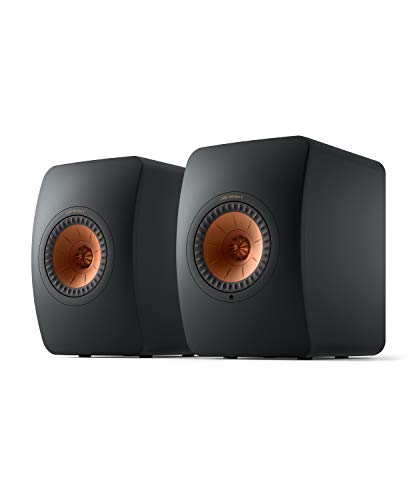


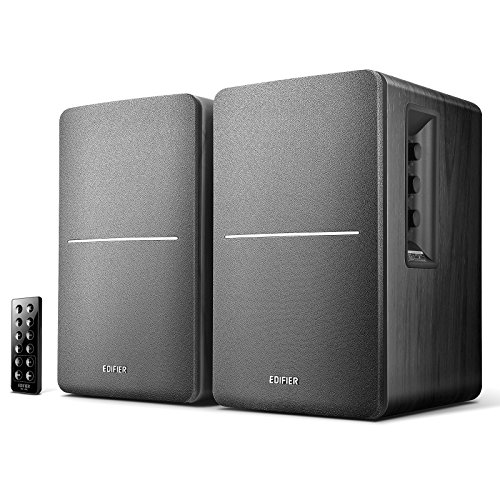


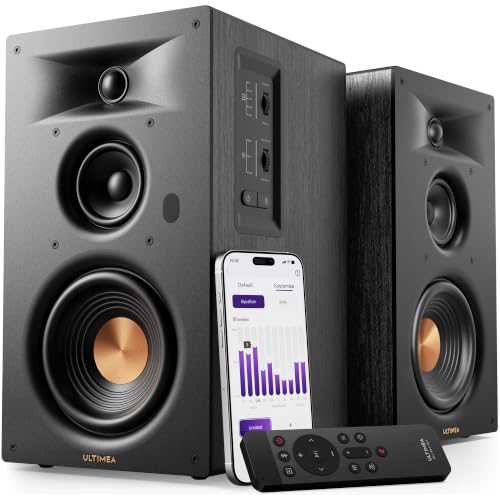
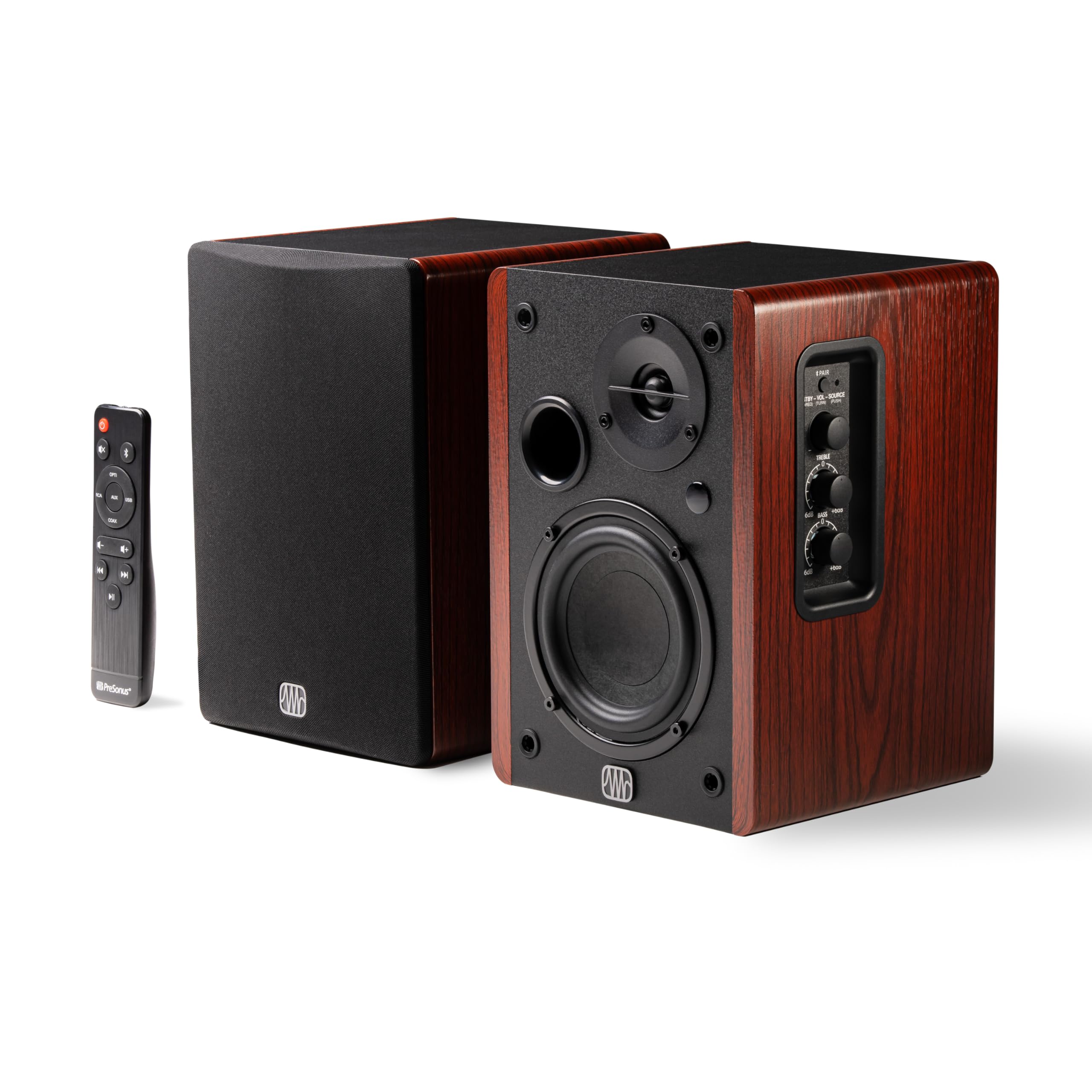
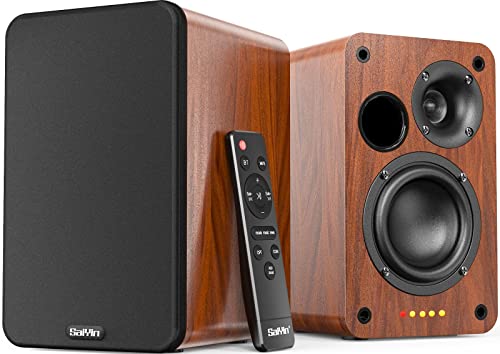
How to Judge Each Budget Tier
Use the comparison table below as your starting short list, then judge each tier by the job you need done. A small portable unit for a bathroom shelf and a larger bookshelf pair for a living room are both active and wireless, yet they solve very different problems and should not be compared on watt claims alone.
Budget Tier Guide
The budget tier, often around $30 to $80 for a single portable speaker, suits personal listening at a desk, in a kitchen, or beside a bed. Expect clear voices, modest bass, Bluetooth pairing, and a battery that lasts a work day at moderate volume. Plastic cabinets and simple controls keep cost down.
The limit is volume and depth. A budget unit will sound thin in a large room and strained at a party. Buy at this level for one person listening nearby, for travel, or for a child room, and you will likely be pleased. Expecting it to fill a yard is where disappointment starts.
Midrange Tier Guide
The midrange, often around $80 to $250, is where most buyers get the best value. You gain larger drivers, stronger bass without muddy voices, longer battery life, better water protection, and features such as multipoint pairing and stereo pairing with a second unit. Cabinets feel denser and buttons feel firmer.
This tier covers small gatherings, regular outdoor use, and a desk or bookshelf setup that stays in place. If you listen daily and keep gear for years, the jump from budget to midrange is usually the one you hear most, because distortion drops and detail rises at normal volumes.
Premium Tier Guide
Premium models, often around $250 to $600 and above for pairs, add larger cabinets, room filling power, refined tuning, WiFi streaming in some designs, and inputs for a TV or turntable in many home focused models. Battery portables at this level add rugged build, very long play time, and sound that holds together outdoors.
Pay this much only if you will use the extra power, inputs, or build. A premium bookshelf pair in a tiny dorm room is wasted, while a premium portable earns its cost for hosts who play music outside every weekend. Match the tier to the space and the habit, not to status.
What Your Money Gets You at Each Price Tier
Budget Tier: What to Expect
At budget prices you get the essentials done well: Bluetooth 5.0 or newer in most recent designs, a simple portable shape, and enough volume for near listening. Frequency response claims matter less than driver size and cabinet volume, because a tiny cabinet cannot move much air no matter what the box promises.
Plan on charging more often and on fewer extras. You may give up app equalizers, voice assistants, and strong water ratings. For a broader view of the category before you narrow by price, see our guide to the best wireless speakers, which covers the wider wireless landscape.
Midrange Tier: The Sweet Spot for Most Buyers
Midrange money buys balance. Expect Bluetooth 5.3 in many current models, multipoint links to a phone and a laptop, around 12 to 24 hours of play time at moderate volume, and IP67 protection on portables built for the outdoors. Sound gains a real low end, and voices stay clear when you turn it up.
This is also where stereo pairing and app tuning appear, both of which extend useful life. A pair of midrange bookshelf units can serve as TV speakers and music speakers in a small flat, which spreads the cost across daily uses and makes the tier feel cheaper over time.
Premium Tier: When Spending More Pays Off
Spending more pays off when you hear it at distance, outdoors, or in a larger room. Premium drivers and stronger amplifiers keep bass tight and treble smooth at volumes where cheaper units harden. Premium home models also add optical or HDMI inputs, remote controls, and better stereo imaging for films and focused listening.
It pays off less for background music at low volume, where even a budget unit sounds pleasant. Be honest about your listening level. Most people listen quietly most of the time, and that honesty can save you hundreds while still leaving you with sound you enjoy daily.
Features Worth Paying For and Ones to Skip
Handling, Size, and Weight
The outline for many speaker guides talks about comfort, and for speakers that means how you carry, place, and live with the unit. A portable that is too heavy stays home, while a bookshelf pair that is too deep crowds a desk. Check weight, handle shape, and whether controls sit where you can reach them without lifting the speaker.
Rubber feet, a flat base, and a grille that resists dents all help daily life. If you move the speaker between rooms, a compact shape with a secure grip matters more than a small gain in bass, because a dropped speaker sounds worse than any spec difference.
Connectivity
Bluetooth version, codec support, and wired options decide how smooth daily use feels. AAC suits Apple devices well, aptX and LDAC can help some Android and high resolution sources, and plain SBC still sounds fine for casual listening. Multipoint pairing is worth paying for if you switch between a phone and a computer all day.
A wired input earns its keep for TVs, turntables, and zero delay video sound. Wireless links add a small delay that most music listeners never notice, but gamers and film fans may. If you need both home and portable use, compare this active category with our guide to the best active speakers for powered models built mainly for a fixed room.
Placement and Room Size
Room size should set driver size. A small portable suits a bathroom or a desk corner, a midsize unit suits a kitchen or bedroom, and a bookshelf pair suits a living room where you sit a few metres away. Placing a speaker near a wall boosts bass, while a corner boosts it even more, sometimes too much.
Practical know how: raise a bookshelf speaker so the tweeter sits near ear level when seated, and pull it a hand span away from the wall if voices boom. Outdoors, sound thins fast with distance, so a larger portable placed close to listeners beats a small one turned to maximum across a yard.
For garden and patio use in particular, our guide to the best outdoor wireless speakers goes deeper on weather ratings and placement in open air.
Battery Life and Charging
For portables, judge battery life at realistic volume, not at the quiet level used for lab claims. Around 10 to 20 hours covers most days out, while very large portables can run far longer. Fast charging helps when you forget to plug in, and USB C charging means one cable can serve your phone and your speaker.
Home bookshelf models plug into the wall, so battery is not a factor, but standby power and auto sleep matter for bills and convenience. If you travel often, a speaker that can also charge your phone from its battery adds real value, though it will shorten play time when you use that feature.
Sound Quality and Tuning
Sound quality comes from driver size, cabinet design, amplifier control, and tuning choices. A neutral tune suits voices, podcasts, and acoustic music, while a bass forward tune suits pop and outdoor use where low end gets lost. Frequency response ranges on a box tell you little without a tolerance figure, so treat them as rough guides.
An app equalizer is genuinely useful because rooms differ. A small cut to bass fixes most boomy corners, and a small lift to treble helps a speaker behind a plant or a curtain. If space is tight, our guide to the best small wireless speakers focuses on compact cabinets that still keep voices clear.
Long Term Costs to Factor In
The purchase price is only part of ownership. Portables may need a case, a spare cable, or a second unit for stereo pairing, and a battery will slowly lose capacity over years of charging. Home pairs may need stands or longer cables to place them well, and poor placement wastes more sound than a small price gap between models.
Warranty length and support matter more at premium prices, where a repair can cost real money. Keep receipts, charge portables before long storage, and avoid leaving a battery speaker in a hot car, because heat shortens battery life faster than normal use does. A midrange unit kept well for five years often costs less per year than a budget unit replaced twice.
Frequently Asked Questions
How long does the battery last?
Most portable models last about 10 to 24 hours at moderate volume. Louder playback, strong bass, and cold weather all shorten that figure, sometimes by a third or more. An extra point to plan around is charging habit: topping up after a day out is gentler on the battery than running it fully flat every time, and storing it partly charged helps during months when you will not use it.
Do I need a special codec?
No, you do not need a special codec for good everyday sound. The standard codec in every Bluetooth speaker handles music well, and speaker design affects sound far more than codec choice at this level. A codec upgrade helps most when your source files are high quality and you listen closely on a premium model, so spend first on drivers and cabinet size.
What IP rating do I need for outdoor use?
For outdoor use, look for IP67 if the speaker may face rain, splashes, or dust at the beach. That rating means dust protection and short immersion in shallow water, which covers most accidents. Remember that an IP rating does not protect a speaker left in a pool or in heavy rain for hours, and charging ports must be dry and closed before use near water.
Is ANC worth the extra cost?
ANC, or active noise cancelling, is a headphone feature, not a speaker feature, so it is not worth paying for in a speaker. What sellers sometimes mean for speakers is noise handling in voice calls through built in microphones. If clear calls matter, judge call quality and microphone placement instead of chasing an ANC label that does not apply to open air playback.
Wired or wireless: which sounds better?
A wired link can sound slightly better and removes delay, because it avoids Bluetooth compression and pairing steps. In daily use at home, many listeners hear no clear difference for music at normal quality settings. Choose wired for a fixed TV or desk setup where delay matters, and wireless for freedom to move the speaker and control it from your phone across the room.
Wrapping Up
Match tier to room, volume, and how often you move the speaker, and let battery, codec, and placement needs refine the choice from there. Use the product table above to compare the best active wireless speakers at your budget, and if portability is the main job, also see our guide to the best portable wireless speakers before you decide.


