Best Active Speakers under 300 at Every Price: What Your Money Really Gets You for 2026
Disclosure: We may earn a commission when you buy through links on this page, at no extra cost to you. As an Amazon Associate I earn from qualifying purchases. Learn more

Learn how to compare the best active speakers under 300 by price tier, driver quality, inputs, room fit, and the features that justify spending more money.
Prices for powered speakers under this cap spread widely, and the gap between around $120 and around $300 is not just louder sound. Each step buys specific gains in bass, inputs, and build quality. The best active speakers under 300 for you depends on which of those gains your room and sources can actually use.
This guide breaks the range into honest tiers, then shows which features deserve your money at each level. Use the product table to see where the best active speakers under 300 sit, then read the tier notes before you decide how far to stretch.
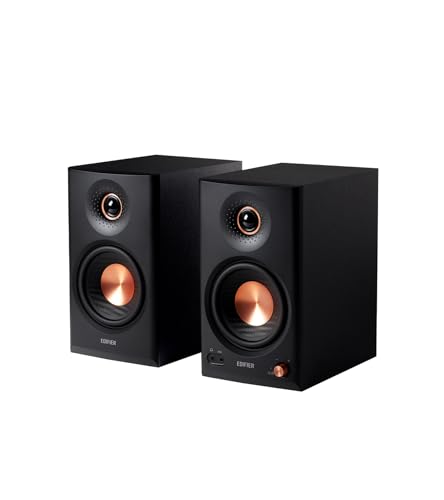


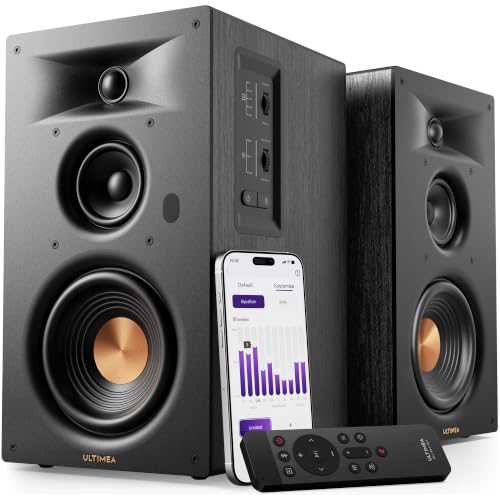
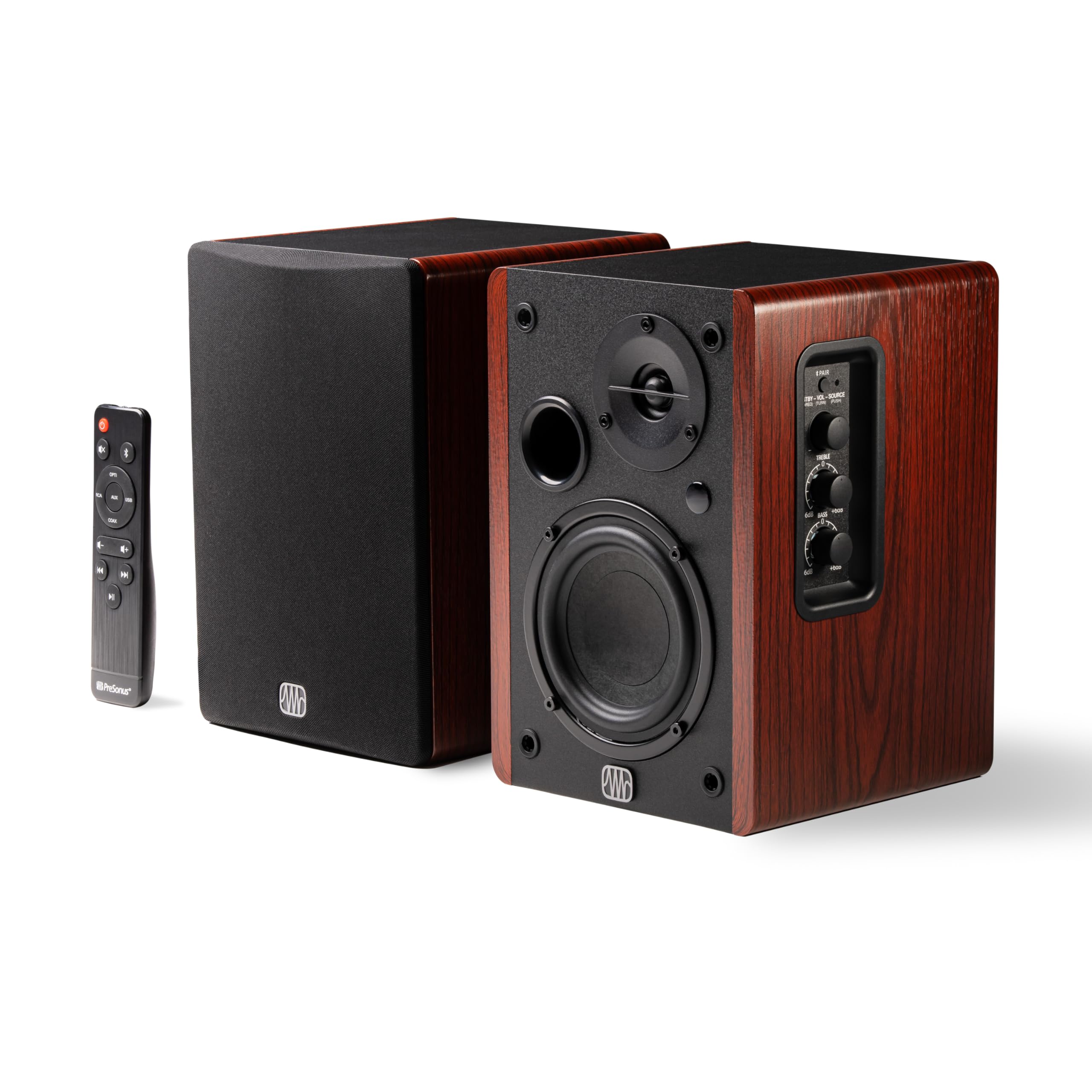
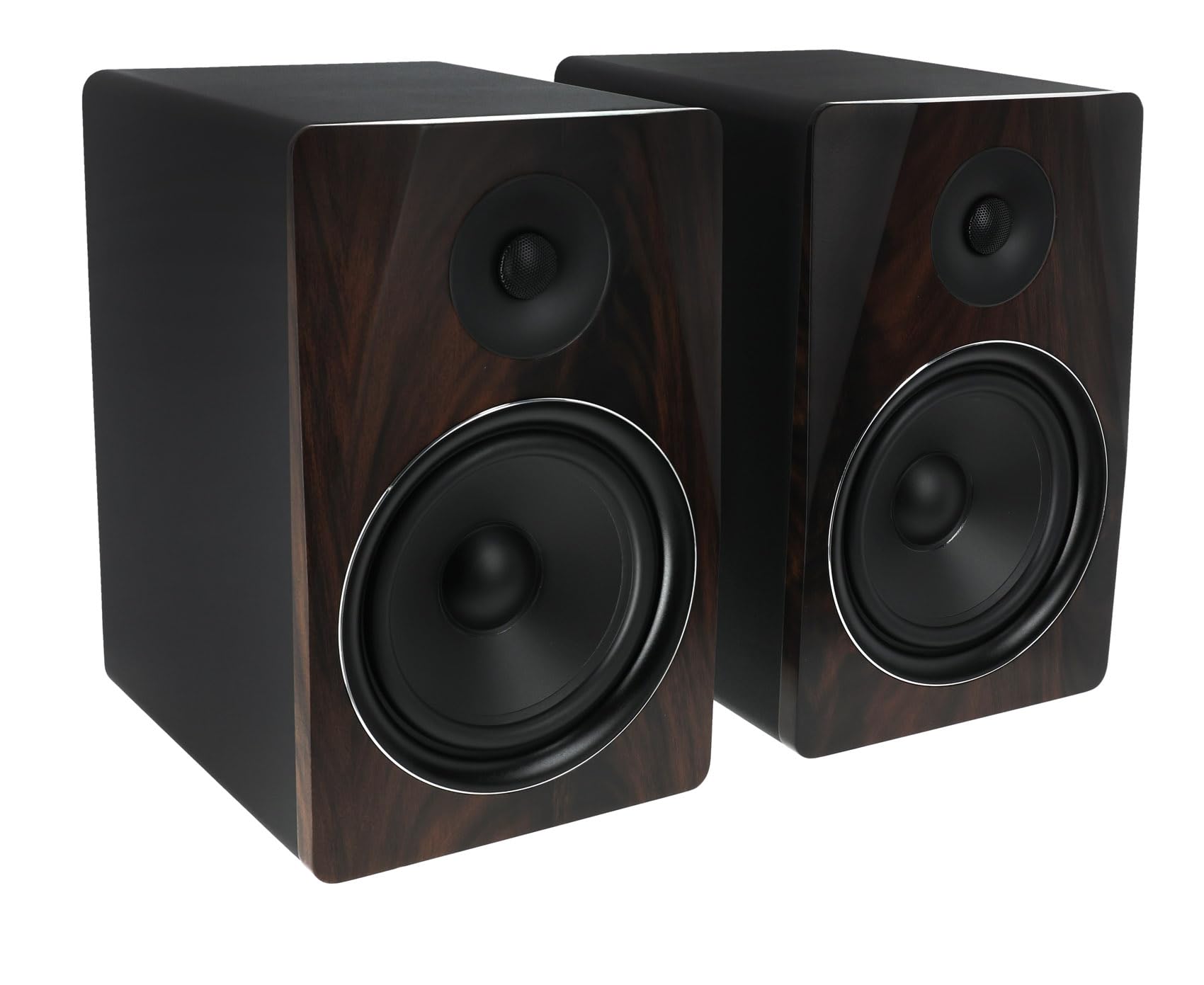

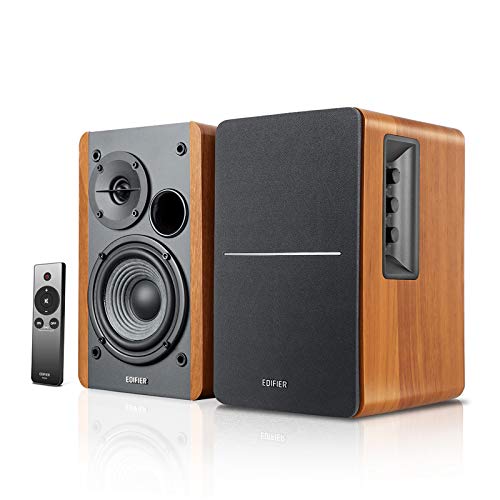
Three Profiles by Budget
Rather than naming winners, use these profiles to see what each spending level typically delivers. Your room size and source list will point to one of them quickly.
Budget Profile Near the Floor of the Range
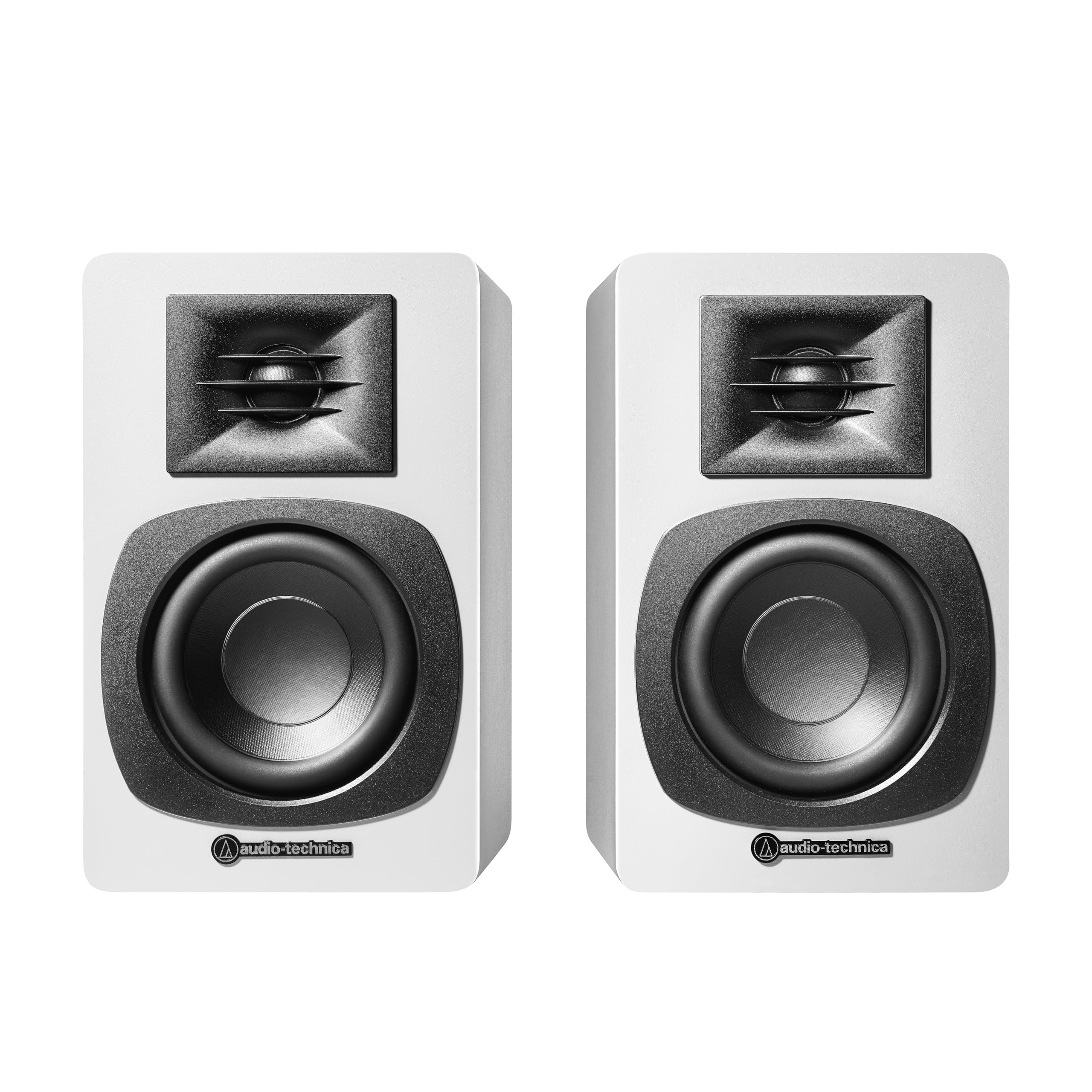
Around $120 to $180, expect a compact pair with a 4 inch woofer, Bluetooth, and one or two wired inputs. Sound suits desks and bedrooms, with clear voices and light bass. Remotes can feel basic and cabinets use simpler finishes. This profile fits a first real setup or a second room, where value matters more than the last degree of polish.
Midrange Profile for the Main Listening Spot
Around $180 to $250 is the sweet spot for most buyers. Woofers grow to about 5 inches, amplifiers run quieter, and optical input for a TV becomes common. Tone controls and a subwoofer output add flexibility that extends the life of the purchase. If you listen daily in one main room, this tier returns the most satisfaction per dollar spent.
Premium Profile Near the Cap
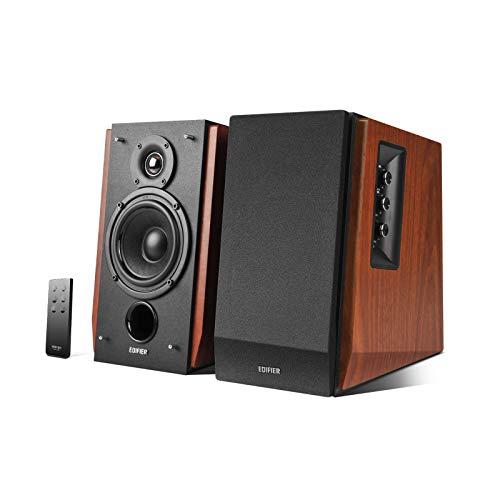
Around $250 to $300, gains turn subtle but real. Expect denser cabinets, smoother treble, better remotes, and sometimes HDMI ARC or balanced connections. These pairs suit listeners who notice detail and plan to keep the system for years. The bass limit remains, so movie fans should still reserve thought for a subwoofer rather than expecting miracles from a shelf sized cabinet.
What Your Money Gets You at Each Price Tier
Budget Tier: What to Expect
Budget pairs concentrate on the core job, playing music and video clearly at modest volume. You may give up optical input, tone controls, and a subwoofer output. Amplifier hiss varies most at this level, so buyer reports about quiet listening deserve attention. Spend your limited funds on driver size and low noise. A larger, quiet budget pair beats a smaller one loaded with lights and sound modes.
Midrange Tier: The Sweet Spot for Most Buyers
Midrange money removes the daily annoyances. Inputs cover a TV, a computer, and a phone at once, and remotes gain dedicated source buttons. Cabinets vibrate less, so bass sounds tighter and voices stay clean at higher volume. This is also where a subwoofer output usually appears, protecting your upgrade path. For a broader comparison at this cap, see our guide to the best speakers under 300 covering passive options too.
Premium Tier: When Spending More Pays Off
Premium spending pays when your sources demand it. HDMI ARC lets a TV remote control volume, balanced inputs help creators with audio interfaces, and refined crossovers smooth the blend between woofer and tweeter. Finish quality also improves, which matters for a living room focal point. If your setup is a laptop on a desk, much of this tier buys convenience you will rarely touch.
Features Worth Paying For in Active Speakers
Durability and Water Resistance
Home powered pairs at every tier here carry no meaningful water rating, so durability means cabinet and connector quality. Check that rear switches feel solid and that the speaker wire terminals grip firmly. IP67 and similar ratings belong to portable Bluetooth units, a different product class. If outdoor sound is the goal, our guide to the best bluetooth speakers under 300 covers sealed designs built for that life.
What You Can Realistically Get Under $300
Under $300 you can realistically own a pair that anchors a small home system for years. Around $300 buys refinement, while around $150 buys the same basic architecture with more compromises. What no tier here buys is full range bass or a true home theater center channel. Keep expectations there, and every tier in this range can satisfy the job it was priced for.
Sound Quality and Tuning
Each tier step usually buys a larger driver, a quieter amplifier, and a smoother frequency response. Tuning flexibility grows too, from no controls at the floor to separate bass and treble adjustments higher up. A codec badge adds little, since driver and cabinet quality dominate the result. Creators who need accuracy over warmth can compare the flatter approach in our guide to the best monitor speakers under 300.
Ecosystem and App Features
App control and streaming features cluster near the top of the range. They add EQ presets, firmware updates, and easier source switching from your phone. Value them only if you will use them weekly, because a good remote covers the basics without a login. Also confirm basic controls work on the cabinet itself. An app should be a convenience layer, never the only way to change volume.
Placement and Room Size
Room size should set your tier more than taste in finishes. A 4 inch pair strains in a large open room at any tuning, while a 5 inch pair can overwhelm a tiny desk with bass. Bookshelf placement near a wall adds low end fullness, sometimes too much. Our guide to the best bookshelf speakers under 300 explores shelf and stand placement in more detail for this exact format.
Long Term Costs to Factor In
The sticker price is not the full cost of a powered system. Stands or isolation pads can add about $30 to $80, and longer quality cables add a little more for wide rooms. A subwoofer, if you add one later, can cost as much as the speakers themselves. Electricity use is modest, though pairs without a true standby draw a small amount around the clock. Warranty length varies from one to several years, so factor support into close decisions, and keep your receipt and serial numbers photographed in a safe place.
Frequently Asked Questions
Can you get a good active speaker under $300?
Yes, and this cap includes pairs that many listeners would happily keep as a main system. The midrange tier already covers most needs for music and TV in small to medium rooms. Spending toward the cap buys refinement and inputs rather than a different class of sound. Match the tier to your sources, and the purchase should feel settled rather than temporary.
How long does the battery last on active speakers under $300?
Stereo powered pairs in this range have no battery and run from the wall, so there is no runtime limit. Single portable units competing at this price often claim about 12 to 30 hours at moderate volume. Those claims assume gentle listening, and loud outdoor playback cuts them sharply. If portability is not a weekly need, wall power gives you more amplifier for the money.
Is ANC worth the extra cost at this price?
No, ANC cannot work from speakers playing into open air, so it should not influence your budget at any tier. Some listings borrow the term from headphone marketing, which is a reason to read their other claims carefully. Put the money toward a subwoofer output or better tone controls instead. Both change your daily listening in ways you can actually hear.
Do I need a special codec for Bluetooth?
No, a special codec is not needed for satisfying sound, and standard Bluetooth already performs well on quality pairs. Matching codecs between phone and speaker can refine detail slightly. The larger gains at each tier come from drivers, cabinets, and amplifiers. Prioritize those in your budget, and treat codec support as a small bonus when everything else ties.
What IP rating do I need for outdoor use?
Powered stereo pairs in this guide have no IP rating and should stay indoors at every price tier. Portable speakers rated IPX4 resist splashes, while IP67 models resist dust and brief immersion. Paying more for a home pair does not buy weather sealing. If your listening moves outside often, buy a sealed portable for that job and keep the stereo pair inside.
Wired or wireless: which sounds better?
Wired connections deliver the most stable signal and no delay, which suits TVs, games, and instruments. Bluetooth at this level sounds close for music and adds real freedom for phones. Higher tiers often add optical or HDMI, which are wired digital paths with the cleanest TV integration. Most owners end up using a mix, and pairs that support both protect you either way.
Final Thoughts
Let room size pick your driver, let your sources pick your inputs, and let the tiers above show you where extra money stops helping. The product table gathers the specs that separate those tiers. For most homes, the best active speakers under 300 sit in the midrange, where quiet amplifiers, flexible inputs, and honest bass meet at a fair price.