Best Active Speakers Under 100: A Practical Buying Guide for 2026
Disclosure: We may earn a commission when you buy through links on this page, at no extra cost to you. As an Amazon Associate I earn from qualifying purchases. Learn more

Learn how to choose the best active speakers under 100 with clear guidance on drivers, inputs, placement, and controls for desks, small rooms, and TV use.
Active speakers solve a common problem. You want better sound than a laptop or TV can give you, but you do not want a separate amplifier taking up space and money. The best active speakers under 100 put the amplifier inside the cabinet, so you connect a source, plug in power, and listen.
This guide explains what that budget really buys, which specs matter, and which extras you can safely skip. Use the product table to check the best active speakers under 100 on sizes and inputs, then read on for the decision points that photos and spec sheets rarely explain.
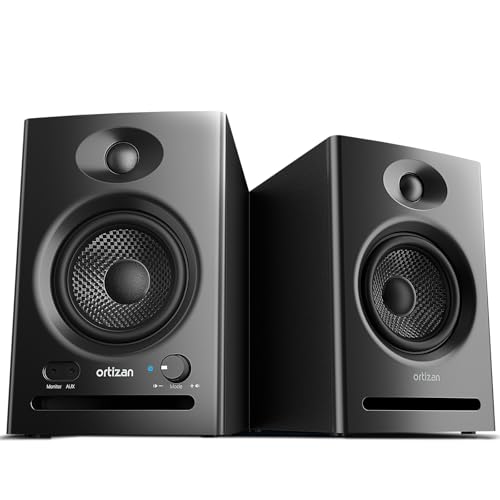

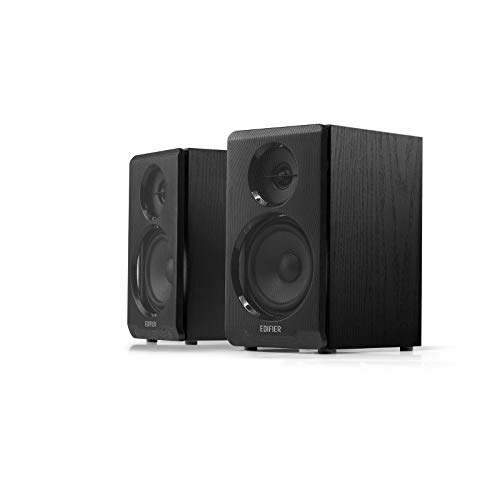

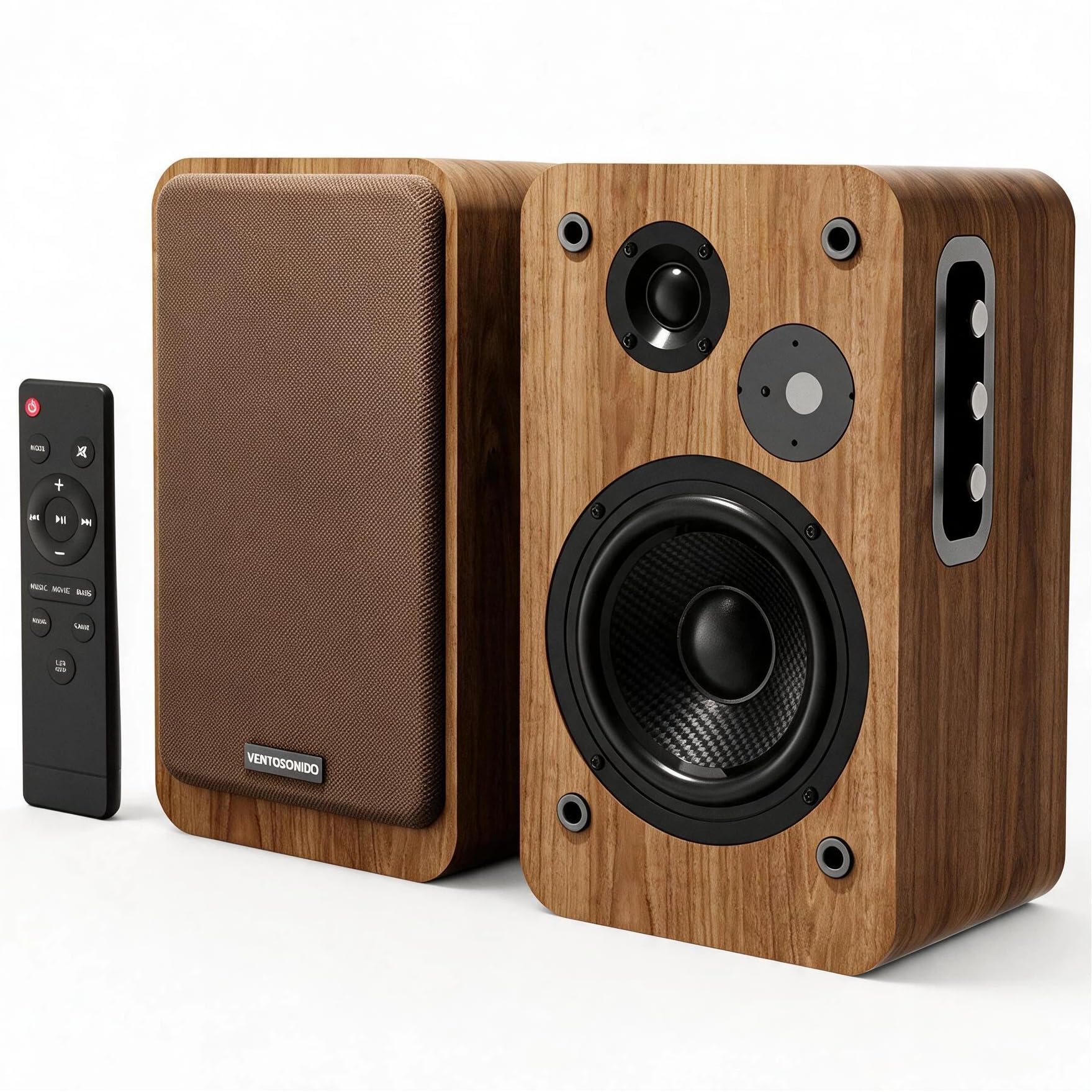
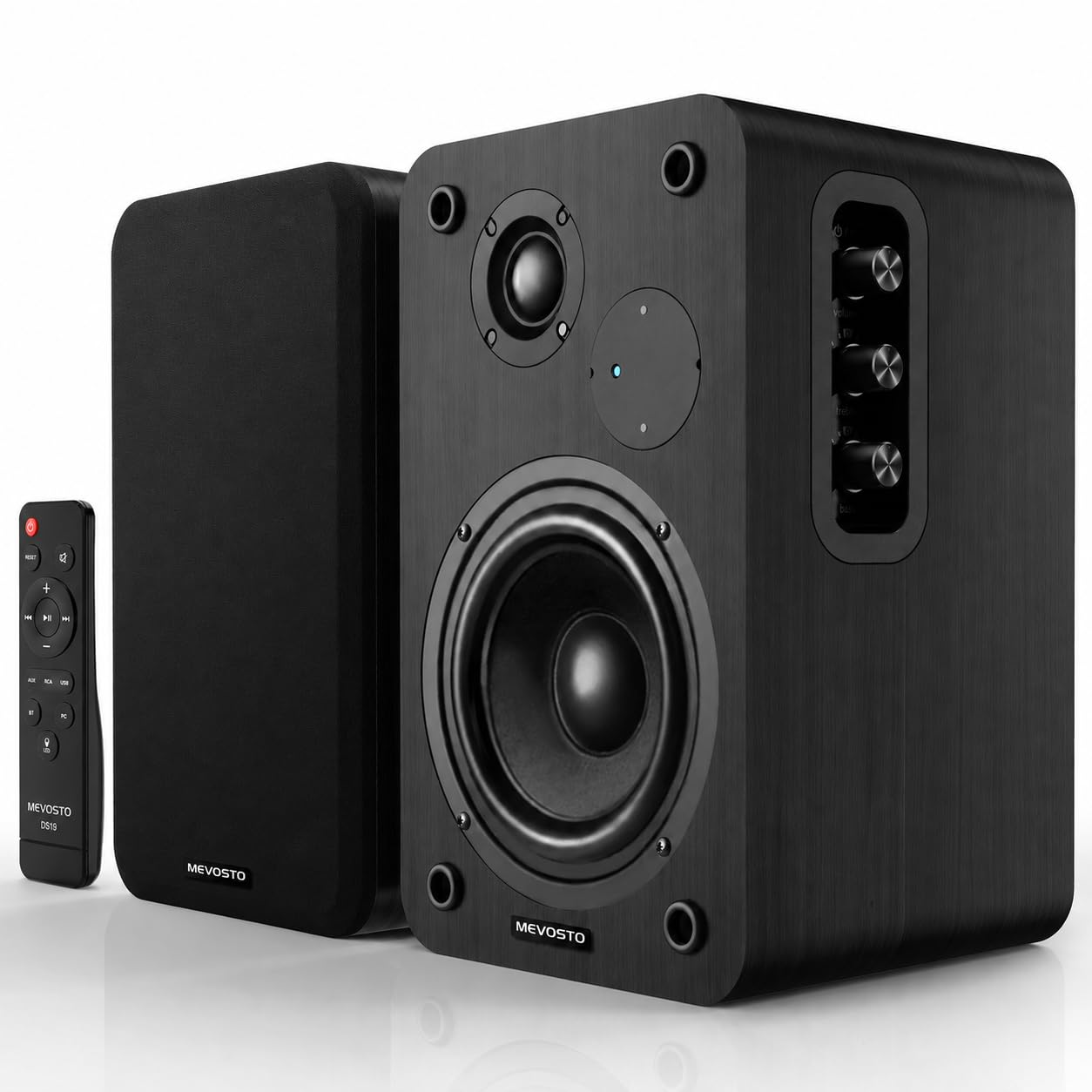

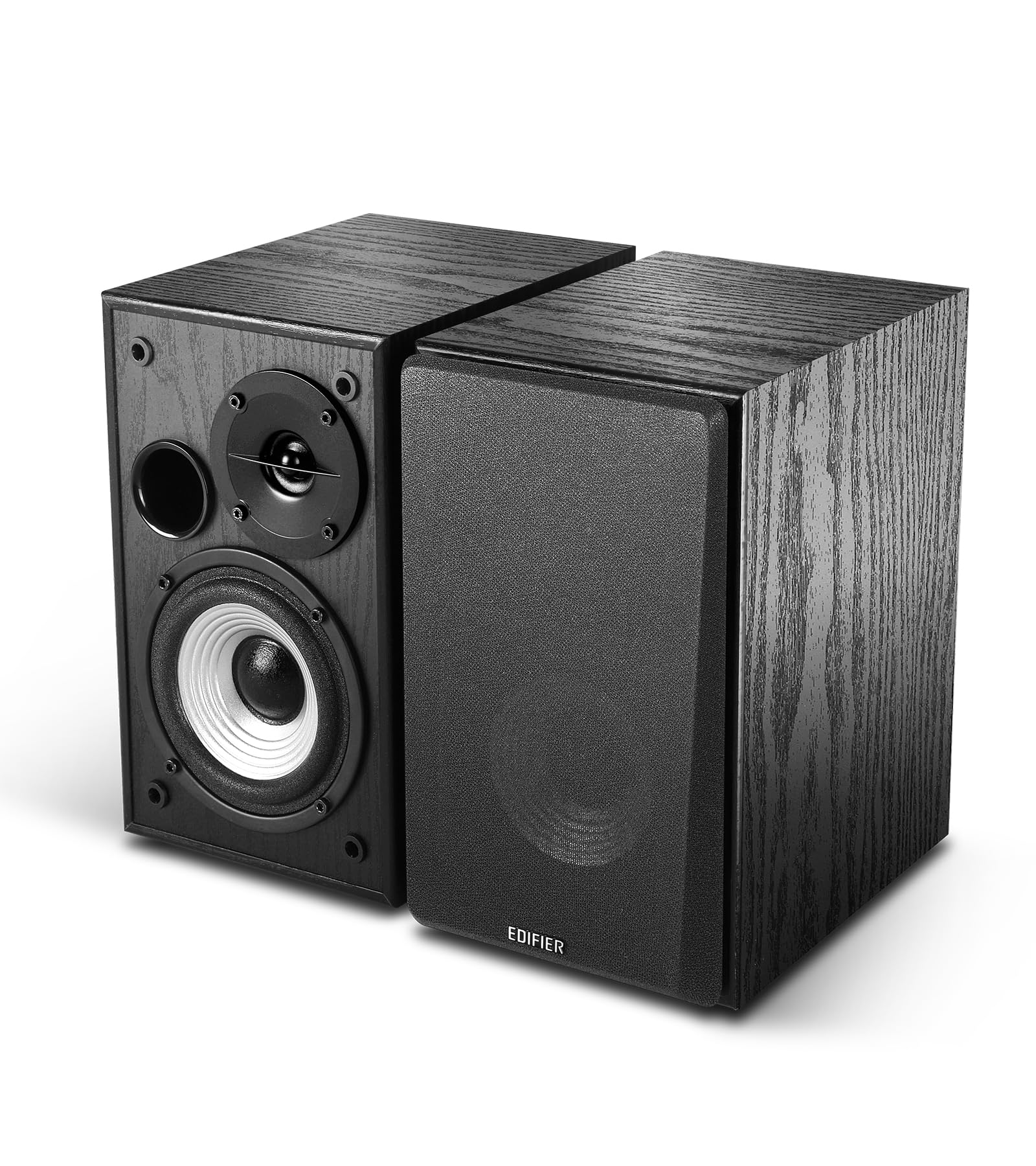
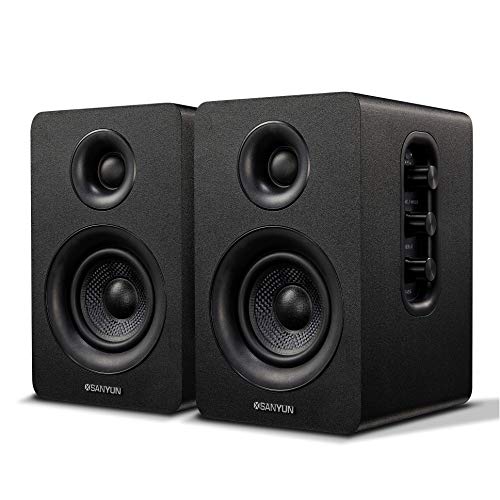
Three Buying Profiles at a Glance
Instead of chasing a single winner, match a profile to your room and source. The three profiles below cover most buyers at this price, and they show where the money usually goes.
Balanced Profile for Most Rooms
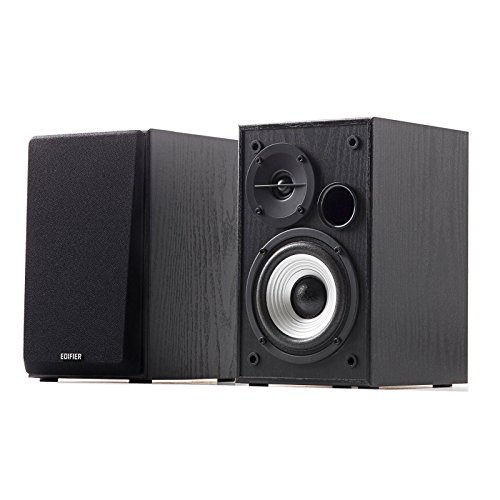
A balanced pair with a woofer around 3 to 4 inches suits desks, bedrooms, and small living rooms. Look for clear midrange, because voices in podcasts, classes, and TV dialogue live in that range. A front facing volume knob and a simple remote matter more than flashy lights. The trade off is modest bass, which is normal at this size and price.
Value Profile for Tight Budgets
Spending around $50 to $80 often means a smaller cabinet, fewer inputs, and basic Bluetooth or a single wired input. That can still be a smart buy for a dorm, a kitchen counter, or a first desk setup. Protect the basics first, meaning low hiss at low volume, stable Bluetooth, and a power supply that does not buzz. Skip decorative lighting before you give up sound clarity.
Simple Profile for First Time Buyers
If this is your first powered pair, favor easy controls over long feature lists. A clear power switch, a marked volume dial, and color coded speaker wire between the two cabinets prevent most setup frustration. Choose a model with both a wired input and Bluetooth so a phone and a computer can share the pair. Keep the manual, because input switching often works differently than you expect.
How to Choose the Best Active Speakers: Buying Guide
Start with your source and your room, not with watt claims. The sections below walk through the choices in the order that most affects daily use.
What You Can Realistically Get Under $100
Under $100 you can expect a compact pair or a single portable unit with honest nearfield sound. You will not get deep bass, premium cabinet materials, or a full set of digital inputs on most models. Do not save money by accepting constant hiss, weak Bluetooth range, or a missing volume control. Those flaws show up every day, while a smaller woofer is easy to live with.
Sound Quality and Tuning
Driver size shapes the sound more than peak watt numbers. A 4 inch woofer usually gives fuller voices and light bass for a desk, while a 3 inch driver sounds thinner but fits tight shelves. Frequency response figures help only when they include a tolerance, so treat a bare range with caution. A neutral tuning suits mixed listening, while a bass heavy tuning can mask dialogue. If a model offers simple bass and treble knobs, you gain useful control for corners and walls.
Durability and Water Resistance
Most desk and bookshelf pairs carry no water rating at all, and that is fine indoors. If you plan patio or workshop use, look for a sealed portable design rated IPX4 for splashes or IP67 for dust and short immersion. Those ratings belong mostly to single portable speakers, not stereo pairs. Keep indoor pairs away from sinks and drinks, and never assume a grille makes a cabinet weatherproof.
Size, Fit, and Weight
Measure your shelf or desk before you buy, including depth for cables behind the cabinet. Leave a few inches of air behind a rear port so bass does not boom against the wall. Heavier cabinets often feel sturdier, but weight alone does not prove sound quality. For a desk, aim the tweeters near ear level with books or small stands if needed. Good placement costs nothing and improves clarity more than many paid features.
Ecosystem and App Features
Some powered speakers pair with a phone app for EQ, input naming, and firmware updates. An app helps when the physical remote is tiny or easy to lose. Check that the app supports your phone system and that basic volume still works without it. You should never need an account just to play music over Bluetooth. When comparing broader options, our guide to the best speakers under 100 shows how powered models differ from passive pairs that need an amplifier.
Noise, Hiss, and Isolation From Interference
Active speakers cannot use ANC the way headphones do, so ignore that term if a listing applies it to a room speaker. What matters is self noise, the faint hiss you hear when nothing plays. Read buyer comments about hiss at low volume, especially for nearfield desk use. Keep signal cables away from power bricks to reduce hum. If hum appears, try a different outlet before you blame the speakers.
Types of Active Speakers
Wired Models
Wired pairs connect by RCA, an auxiliary cable, USB, or optical input on some models. They suit desks and TVs because the connection is stable and free of pairing delays. Shoppers comparing desk options may also like our guide to the best pc speakers under 100 for compact layouts. The main limits are cable clutter and less freedom to move the speakers around.
Wireless and Bluetooth Models
Bluetooth models make it easy to play music from a phone without swapping cables. Bluetooth 5.3 generally improves connection stability and power use compared with older versions. Latency can still affect gaming and video on some sources, so a wired backup input is valuable. If wireless freedom is your top priority, see our guide to the best wireless speakers under 100 for more choices in that style.
Portable and Gaming Friendly Models
Portable active speakers trade stereo width for a battery, a handle or strap, and a sealed cabinet. They fit kitchens, porches, and travel bags better than a stereo pair. For gaming, low latency wired input matters more than surround claims from a small cabinet. Readers who need sound that moves room to room can check our guide to the best portable speakers under 100 next.
Care and Maintenance Tips
- Keep firmware updated. For app based models, updates can fix Bluetooth dropouts and input bugs, so check every few months.
- Dust the cabinets gently. Use a dry microfiber cloth on cones and tweeters, and never press on a dust cap while cleaning.
- Protect the drivers. Keep grilles on in homes with kids or pets, and store a portable unit in a soft bag during travel.
- Avoid max volume for long sessions. Distortion at full volume strains small amplifiers and drivers, so lower the level if voices start to crackle.
- Manage cables with slack. A tight cable can pull a light cabinet off a shelf, so leave a loose loop behind each speaker.
One practical habit helps a lot. Once a month, play a familiar song at moderate volume and listen for new buzzing, rattling, or a channel that drops out, because small cable problems are easier to fix early.
FAQs
Can you get a good active speaker under $100?
Yes, you can get clear, enjoyable sound under $100 if you choose the right size for your room. A compact pair will not fill a large living room or deliver deep movie bass. Focus on low hiss, honest midrange, and the inputs you need. That combination feels far more premium in daily use than extra lights or inflated watt claims.
Wired or wireless: which sounds better?
A wired connection usually sounds more consistent because it avoids Bluetooth compression and pairing issues. Modern Bluetooth still sounds very good for music and casual video, especially with a stable codec match between phone and speaker. The bigger difference is convenience and delay. Choose wired for desks and gaming, and Bluetooth for flexible phone listening around the home.
Is ANC worth the extra cost on active speakers?
No, ANC is a headphone feature and not a meaningful reason to pay more for room speakers. A speaker plays into open air, so it cannot cancel noise at your ears the way sealed headphones can. Spend that money on a larger driver or better controls instead. If listings stress ANC for a speaker, treat the rest of the claims with extra care.
How long does the battery last on portable active speakers?
Battery life on portable models commonly runs about 8 to 20 hours at moderate volume, and much less at full volume. Stereo pairs that plug into a wall have no battery, so that figure does not apply to them. Cold weather and heavy bass tracks shorten runtime. Charge before the battery is fully empty when you can, since deep cycles add wear over time.
What IP rating do I need for outdoor use?
IPX4 handles splashes for a covered porch, while IP67 adds strong dust protection and short immersion resistance for poolside or beach use. Remember that the rating applies to the sealed portable unit, not to its charging cable or an open port cover. Dry the speaker before charging. Indoor stereo pairs should simply stay indoors, whatever the marketing photos suggest.
Do I need a special codec for Bluetooth speakers?
No, standard Bluetooth audio works fine for most listeners and every modern phone supports it. A codec such as AAC or aptX can help slightly when both devices support it, but speaker size and tuning matter far more. Do not pay extra for a codec badge alone. If you care about movies and games, a wired input solves delay concerns better than any codec.
Final Thoughts
Choose by room size, source, and noise level first, then compare driver size and inputs. The product table pulls those details together so you can shortlist quickly. For most desks and small rooms, the best active speakers under 100 will be a modest pair with clean midrange, low hiss, and controls you enjoy using every day.