Best Active Speakers for Music Production: Buying Guide and How to Choose for 2026
Disclosure: We may earn a commission when you buy through links on this page, at no extra cost to you. As an Amazon Associate I earn from qualifying purchases. Learn more

Compare the best active speakers for music production by driver size, flat tuning, inputs, room fit, and price tier with this clear and practical guide.
Production speakers have one job that entertainment speakers do not. They must tell you the truth about your mix, including the parts you would rather not hear. Choosing the best active speakers for music production means prioritizing flat tuning, honest detail, and a good match with your room over exciting bass or loudness. This guide explains the tiers, the specs that matter, and the setup habits that decide whether your mixes travel well to cars, phones, and other rooms. Start with the product table to compare the best active speakers for music production.
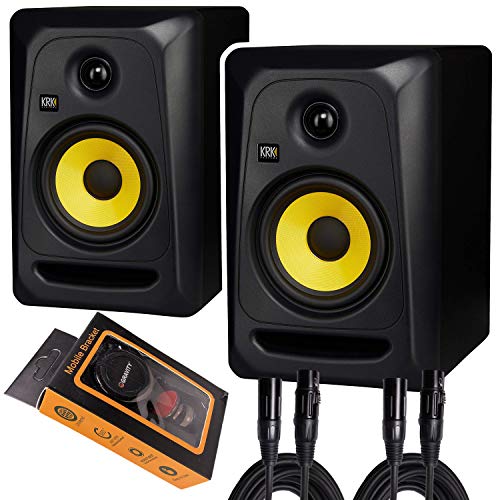

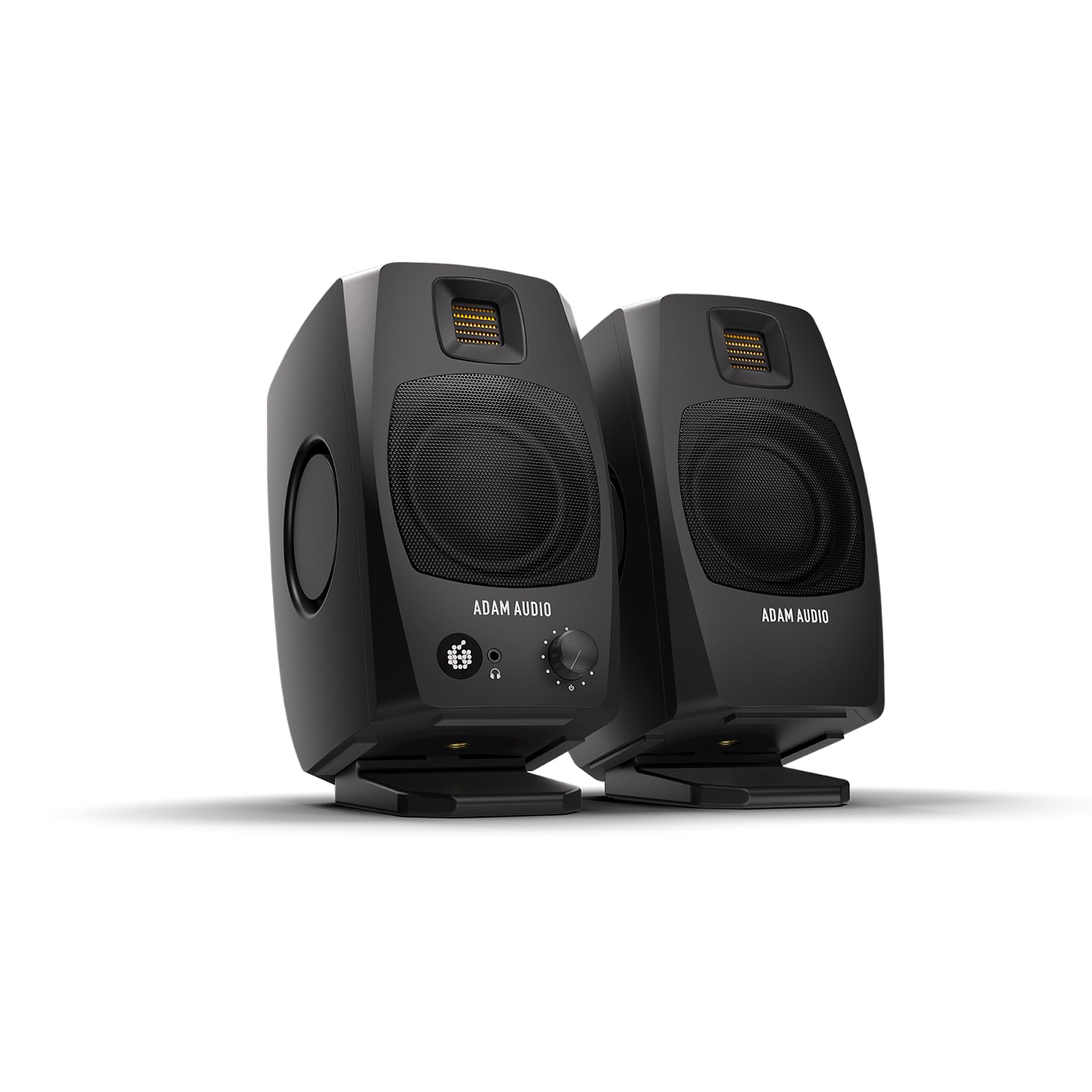

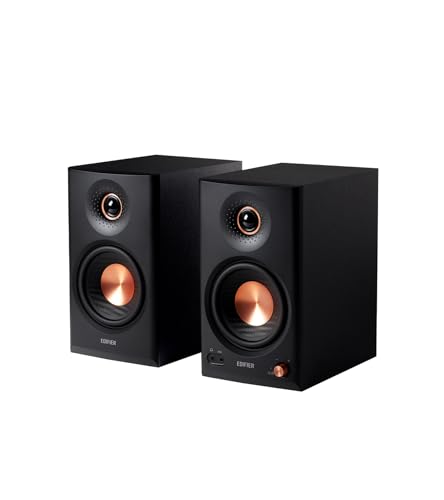


Price Tiers at a Glance
Active studio speakers, often called monitors, bundle the amplifier with the drivers, so a pair plus cables is a complete system. These tiers describe what each budget level should deliver, without naming specific models.
The Balanced Tier for Most Rooms
Pairs around $300 to $700 suit most home and small project studios. Expect 5 to 8 inch woofers, balanced inputs, basic room controls for taming bass near walls, and enough clean volume for nearfield listening at a desk. This tier reveals balance problems, vocal levels, and muddy low mids clearly enough for serious releases. Choose it if you produce regularly and your room is a bedroom, office, or small dedicated space. A balanced tier pair with no room controls is harder to live with than its spec sheet suggests.
The Value Tier for Small Studios
Pairs under about $300 ask you to accept smaller drivers, usually 3.5 to 5 inches, simpler cabinets, and fewer controls. Bass will be limited, so kick and bass decisions need headphone cross checks. What you should still get is a reasonably flat response, low noise at idle, and balanced or clean unbalanced inputs. This tier works for songwriting, editing, podcast production, and learning. Spend the savings on placement, stands or isolation pads, and basic room treatment, which improve accuracy more than a small speaker upgrade would.
The Starter Tier for Beginners
First time buyers sometimes start with whatever powered speakers they already own, and that is fine for learning an arrangement workflow. The upgrade case for dedicated monitors is honesty. Starter pairs around $150 to $300 already expose harshness and balance errors that laptop and entertainment speakers hide. Buy the largest driver your desk and room can handle, keep volume moderate, and learn one pair deeply before chasing upgrades. If your space doubles as a living area, our guide to the best desktop speakers for music production covers compact placement options.
How to Choose Active Speakers: Buying Guide
Features That Matter for Music Production
Production work demands accuracy over excitement, so look for a published frequency response with a tolerance figure, balanced inputs, and room compensation controls. Amplifier power matters less than clean output at your listening distance, which is usually about three to five feet in a nearfield setup. Low self noise matters during quiet editing, so hiss at idle is a real flaw. Front bass ports help if speakers must sit near a wall. These priorities explain why shoppers compare the best monitor speakers for music production separately from entertainment models.
Sound Quality and Tuning
A flat response means no range is boosted to flatter the music, so a dull mix sounds dull and a harsh mix sounds harsh. That honesty is the point. Woofers of 5 inches suit small rooms, 6.5 to 8 inch drivers suit larger spaces and give cleaner low end, and very large drivers overwhelm small rooms no matter how good they are. Tweeters shape detail and stereo imaging. Judge tuning by translation. If mixes made on a pair sound balanced in the car and on earbuds, that pair is doing its job.
Inputs and Monitor Controls
Balanced XLR or TRS inputs reject hum from your interface and computer, which matters in home studios full of cables and chargers. Useful controls include input sensitivity, a high frequency trim, and boundary settings that reduce bass buildup near walls. A volume knob on the front or a separate monitor controller saves you from reaching behind speakers daily. Bluetooth and consumer aux inputs are conveniences for casual listening, not production connections. Wire your main path with balanced cables, keep runs tidy, and set interface output levels so the speakers work in a healthy middle range.
Room Noise and Isolation
Headphone style noise cancellation has no role here, but room noise absolutely shapes what you hear. Computer fans, air conditioning, and street noise mask quiet detail and reverb tails. Isolation pads or stands decouple speakers from the desk, reducing buzz and smeared bass. Simple treatment, such as a rug, curtains, and panels at first reflection points, improves accuracy more than a pricier speaker in a bare room. Work at moderate volume, both to protect your hearing and because ears judge bass more evenly at sensible levels.
Durability and Build Quality
Studio speakers live indoors, so weather ratings are irrelevant, and no IP rating should influence a production purchase. Build quality shows up instead as solid cabinets that do not resonate, firm controls, and connectors that grip cables properly. Dust caps and tweeter guards matter in shared spaces. Heat management matters too, since amplifiers run for long sessions. Leave ventilation space behind rear panels, and avoid stacking gear on top of the cabinets. A well built pair should serve for many years with no service beyond dusting and cable checks.
Power and Placement Basics
Active speakers plug into wall power, so battery questions do not apply to studio monitors. What matters is clean power routing and placement. Keep audio cables away from power bricks to reduce hum, and use a single quality power strip for the whole rig so everything shares one ground point. Placement rules are simple and free. Tweeters at ear height, speakers and your head forming a triangle, and equal distance from side walls will improve any pair more than accessories will.
Types of Active Speakers
Nearfield Bookshelf Models
Nearfield bookshelf monitors are the standard choice for home production, designed for listening three to five feet away at a desk or console. They deliver focused imaging and detail at moderate volume. Their limit is deep bass, which small rooms cannot reproduce cleanly anyway. Most buyers should start and often stay in this category. Shoppers comparing naming styles will also see this group in our guide to the best studio speakers for music production setups.
Gaming and Multimedia Models
Gaming and multimedia speakers aim for excitement, with boosted bass, lifted treble, and lighting or wireless extras. They are fun for playback and fine for casual video editing. They mislead production decisions, because a mix that sounds powerful on them may be thin and quiet everywhere else. If budget forces a shared setup, choose the flattest multimedia pair you can find, turn off sound enhancements, and cross check every mix on headphones and a second system before release.
Portable and Bluetooth Models
Portable Bluetooth speakers serve as reality check devices, not monitors. Hearing your mix on a small portable speaker reveals whether vocals and lead parts survive on the hardware most listeners actually use. Latency, heavy processing, and tiny drivers disqualify them from tracking and mixing decisions. Keep one as a reference tool if you like. Buyers who travel with a small rig can explore the options in our guide to the best portable speakers for music production for that limited role.
Care and Maintenance Tips
- Keep firmware and interface drivers updated if your speakers or audio interface offer digital control, since updates fix level and standby bugs.
- Dust cones and tweeters gently with a soft brush, and never press on a tweeter dome.
- Store spare cables neatly rather than in a case pressed against drivers, and keep drinks away from the desk entirely.
- Avoid maximum volume for long sessions, which strains amplifiers and your hearing at the same time.
- Recheck placement and room control settings after any desk or room change, because small moves shift bass response.
- Power speakers down during cable changes to prevent pops that can damage tweeters.
Readers still deciding on category language can compare terminology in our guide to the best speakers music production shoppers use most.
Active Speakers: Your Questions Answered
What features matter most in active speakers for music production?
Flat tuning, balanced inputs, and room controls matter most. A published response with a tolerance figure signals honest intent, and boundary controls help real rooms behave. Driver size should match your space, with 5 inch woofers for small desks and larger drivers only where the room supports them. Low idle noise and solid cabinets round out the list. Extra inputs and wireless extras add convenience but do nothing for mix accuracy.
Wired or wireless: which sounds better for production?
Wired sounds better and is the only sensible choice for production. Balanced cables carry full quality audio with stable levels and no added delay, which matters when you record parts while monitoring. Wireless links compress audio, add latency, and can shift level or tone with processing you cannot disable. Use wireless speakers only as extra reference checks that mimic casual listening, never as the system you balance a mix on.
What speaker size do I need for my room?
Small rooms under about 12 feet in length suit 5 inch woofers, midsize rooms handle 6.5 inch drivers, and 8 inch models need space and distance from walls to stay clean. Bigger is not automatically better, because excess bass energy excites room problems you then misread as mix problems. If you sit close to a wall or desk corner, a smaller pair placed well will give you more truthful low end than a large pair placed badly.
Is room treatment worth the extra cost?
Yes, basic treatment usually improves accuracy more than stepping up a speaker tier. Start with placement, a rug, and absorption at the side reflection points and behind you if possible. Bass buildup in corners is harder to fix, so speaker boundary controls and sensible volume help there. You do not need a fully treated studio to benefit. Even two or three panels in the right spots make stereo imaging and reverb judgments noticeably more reliable.
How loud should I monitor while mixing?
Mix mostly at a moderate level where conversation is still easy, and check loud only in short passes. Constant loud monitoring fatigues your ears within an hour and skews bass judgment, while very quiet listening hides low level detail like reverb and edits. Many engineers mark one reference volume and return to it for balance decisions. Protect your hearing as a working tool. If your ears ring after a session, the session was too loud or too long.
Do I need a subwoofer with active speakers?
Not at first, and not in a small untreated room. Learn your monitors, check bass on headphones, and use reference tracks to calibrate your judgment. Add a subwoofer only when your work demands decisions below what your mains reproduce, such as dance music or film work, and only with careful placement and level matching. A badly integrated subwoofer creates more wrong decisions than it prevents, so treat it as an advanced step rather than a starter purchase.
Our Verdict
Match driver size to your room, demand balanced inputs and room controls, and spend what remains on placement and simple treatment. That order of priorities produces mixes that travel, which is the real test of any monitor pair. Check your shortlist once more in the product table, and remember that the best active speakers for music production are the pair whose honest sound you learn deeply and trust, not the pair with the longest feature list.