Best Active Smartwatches: Buying Guide and How to Choose for 2026
Disclosure: We may earn a commission when you buy through links on this page, at no extra cost to you. As an Amazon Associate I earn from qualifying purchases. Learn more

Use this buying guide to compare the best active smartwatches by fit, battery life, GPS accuracy, durability, health tracking, and price before you buy.
A smartwatch for an active life has a harder job than a step counter on a desk worker wrist. It must track runs and swims accurately, survive knocks, stay readable in bright sun, and still have battery left at bedtime. This guide to the best active smartwatches walks through fit, sensors, durability, and battery trade offs in plain terms. Start with the product table, note which tier fits your budget, and then use the buying guide sections to check the details that matter for your sports.


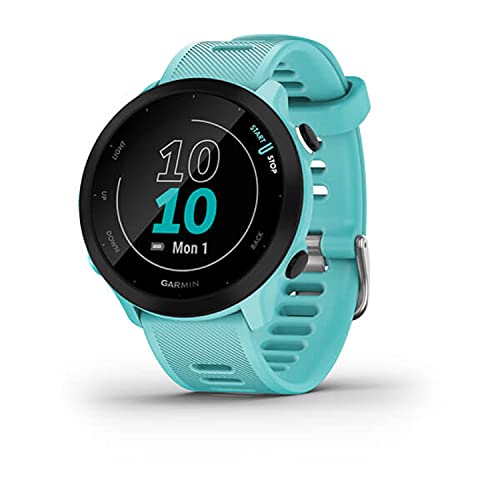


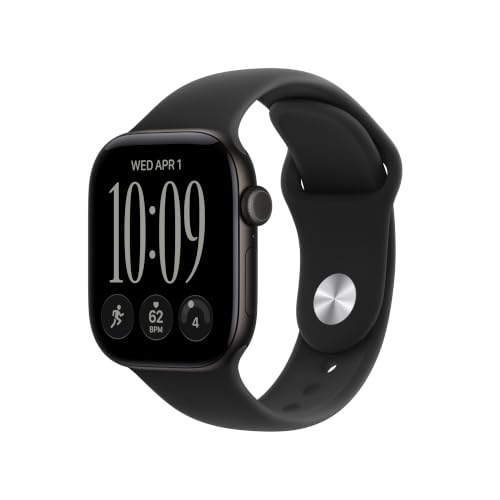
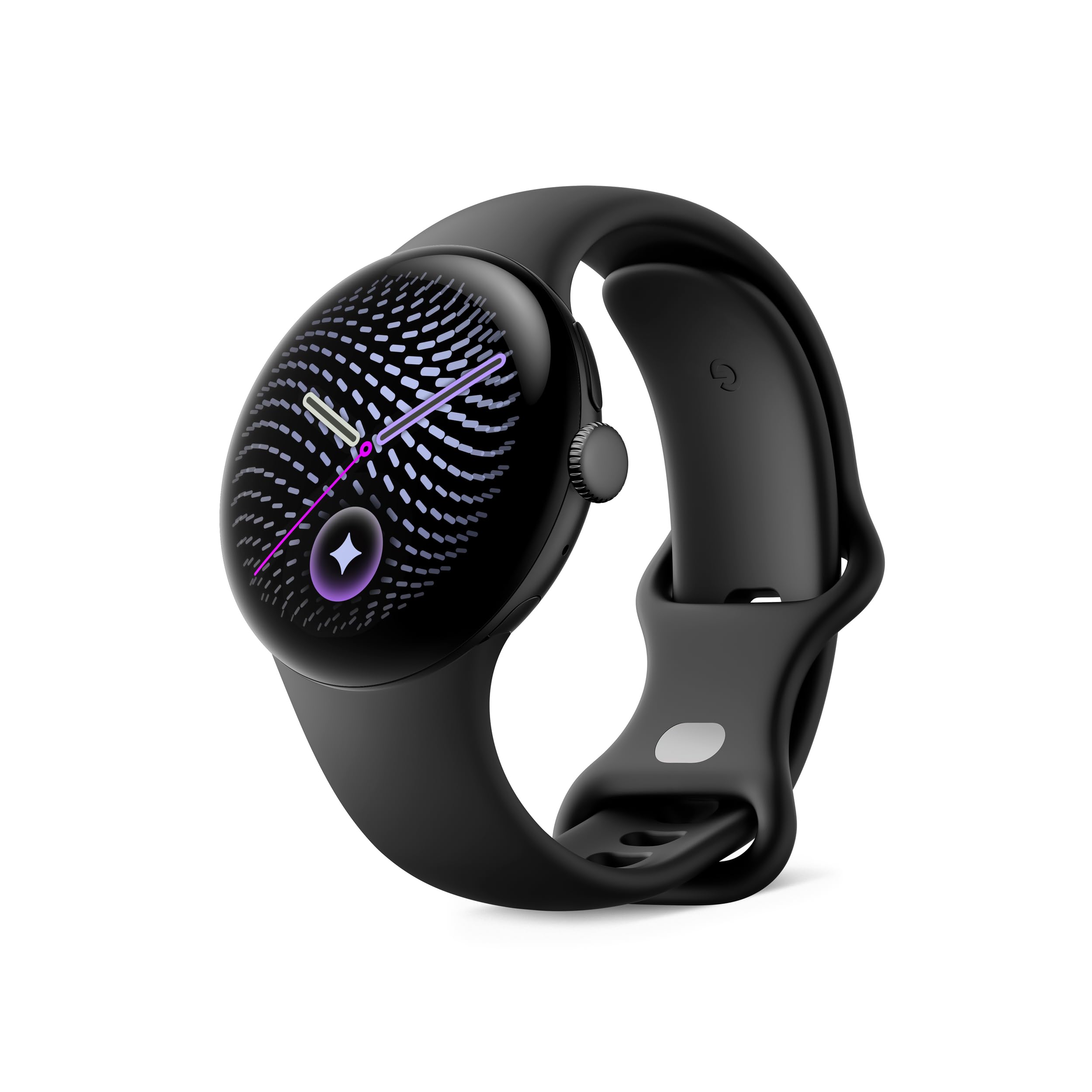
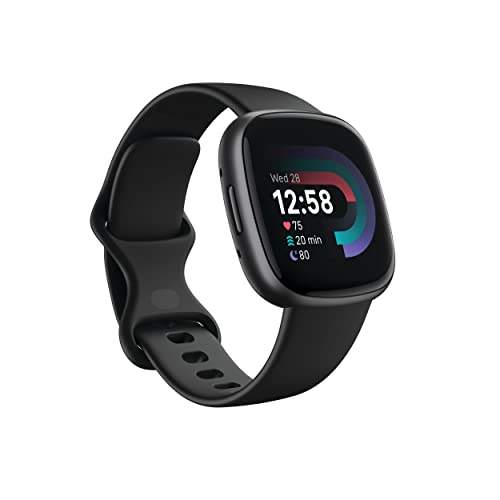
Price Tiers at a Glance
Price tiers predict the experience of the best active smartwatches better than any single feature. Use these three bands to set expectations, then judge individual models against what their tier should deliver.
The Balanced Tier
Watches around $250 to $400 suit most active buyers. Expect accurate GPS, a bright display, solid water resistance for swimming, heart rate and sleep tracking, and battery life of several days in normal smartwatch mode. Straps usually use quick release pins, so swapping between sport and office bands takes seconds. This tier is the right starting point if you train three to five days a week and want notifications plus training data without daily charging. A balanced model that skips swim proofing or GPS accuracy is missing the point of the category.
The Value Tier
Watches under about $250 focus on the essentials and often win on battery life, sometimes lasting one to two weeks between charges. You give up some app choices, call features, and premium materials like sapphire crystal or titanium. GPS and heart rate tracking can still be very good, because those sensors have become affordable. Choose this tier for your first training watch, for kids and teens in sports, or as a backup for rough work. Just confirm the watch pairs fully with your phone system, since budget models sometimes limit features by phone brand.
The Premium Tier
Watches above about $400 add brighter displays, tougher materials, advanced training metrics, onboard maps, and fuller phone features such as calls and voice assistants. Battery life varies widely here, from about a day on full featured models to two weeks on outdoor focused ones. Pay the premium when you train for long events, navigate trails, or want one watch for sport and work. If you only count steps and check messages, this tier buys decoration rather than function. For a wider scan of the category, see our overview of the best of smartwatches across styles.
How to Choose an Active Smartwatch: Buying Guide
Tracking Platform and Sensors
The sensor set decides what the watch can measure. GPS tracks pace and distance outdoors, heart rate sensors drive training zones and sleep data, and accelerometers count steps and detect workouts. Better models add a barometer for elevation and skin temperature sensing for recovery trends. Accuracy depends on fit as much as hardware, so a snug strap during workouts matters. Treat health metrics as trend tools, not medical readings. If you track symptoms or a heart condition, discuss any device data with your doctor rather than acting on watch numbers alone.
Crystal and Case Materials
Sapphire crystal resists scratches best and suits premium outdoor watches, while hardened mineral glass and modern protective glass cost less and still handle daily wear. Cases range from light polymer, which is ideal for running, to stainless steel and titanium for buyers who want a watch that also suits formal settings. Weight matters during sport. A heavy steel case that feels premium at a desk can bounce and irritate on a long run. Match material to your main use, and let sport win if you train daily.
Strap and Bracelet Options
Silicone straps are the sport default because they shrug off sweat and water and clean easily with soap. Nylon loop straps adjust finely and feel comfortable on swollen wrists during long efforts. Metal bracelets and leather bands belong to office and evening wear, and both suffer in pools and heavy sweat. Quick release spring bars let you swap straps without tools, which turns one watch into a sport and dress rotation. Buy a spare sport strap early. Rotating straps reduces odor, skin irritation, and wear on the strap you like most.
Water Resistance Rating
Learn the ratings before you swim with any watch. A 30m rating means splash protection only, despite the number sounding deep. Ratings of 50m handle showering and shallow swimming for many models, and 100m or dedicated swim and dive ratings suit regular pool and open water training. Buttons should not be pressed underwater unless the maker allows it. Salt water and hot tubs stress seals, so rinse the watch in fresh water after ocean swims and keep it out of saunas.
Case Size and Wrist Fit
Case diameter for smartwatches usually runs from about 38 to 49 mm, and the right size depends on wrist circumference and how the lugs shape the fit. The case should sit flat without the lugs hanging past your wrist edges. Thickness matters too, because tall cases catch on sleeves and feel clumsy during push ups and yoga. Measure your wrist with a soft tape before ordering. Men comparing larger cases can also browse our guide to the best men's smartwatches for size examples by wrist.
Legibility and Style
Outdoor legibility comes from brightness, contrast, and a display that stays visible without a wrist flick. Always on displays help during intervals, though they cost battery life. Traditional watches use lume for night reading, and the smartwatch equivalent is a clear, simple night face with large digits. Style still counts, because a watch you dislike wearing tracks nothing. Smaller wrists and dressier needs point some buyers toward the models in our best women smartwatches guide, where case sizes run smaller on average.
Brand Support, Warranty, and Value
A training watch lives on software, so update history and app support matter as much as hardware. Favor brands that publish clear support windows and keep their phone apps updated. A two year warranty is a good sign at higher prices, and easy battery or strap replacement extends value. Check how the watch pairs with your phone before anything else. Some watches deliver their full feature set on only one phone system, which leads directly to the Galaxy question below.
Active Smartwatches vs Other Options
Solar Watches
Solar watches charge from light and can run for months without a cable, and some sport models add basic GPS. They beat smartwatches on endurance and simplicity. They lose on apps, messages, music, and detailed health data. Choose solar when you spend long stretches off grid and want time, timers, and rugged build quality without battery anxiety.
Dive and Field Watches
Classic dive and field watches offer superb durability, clear dials, and zero charging, and they keep working for decades with basic servicing. They cannot record a workout, show a message, or guide you back on a trail. Many active owners keep one for travel and rough work, then train with a smartwatch. Choose the classic route when reliability and simplicity matter more than data.
Automatic Watches
Automatic watches run on wrist motion and appeal to buyers who value craft and a screen free wrist. They need servicing every five to seven years and drift by seconds per day, which is fine for style but poor for interval training. They offer no tracking at all. Pick an automatic for occasions, and let a smartwatch handle your training log.
Quartz Watches
Quartz watches are accurate, affordable, and nearly maintenance free apart from a battery change every one to three years. Sport quartz models with stopwatches cover basic timing needs cheaply. They still cannot track heart rate, sleep, or routes. For buyers who only need time and a timer, quartz saves real money. Everyone else will outgrow it once training goals get specific.
Smartwatches for Specific Needs
Active Smartwatches for Galaxy Phones
Samsung Galaxy owners face one key issue, which is full compatibility with their phone. Watches built for that ecosystem unlock features like detailed sleep coaching, body composition estimates on some models, and smooth call and message handling that other watches cannot fully match on a Galaxy phone. Check three things: the watch must list Galaxy phone support for every feature you want, the companion app must be current, and the case size must suit your wrist. Owners of other Android phones should confirm which features remain available to them before paying for Galaxy focused extras.
Setup and Care Tips
- Pair the watch and update its software before your first workout, since updates often improve GPS and battery behavior.
- Wear the strap one notch tighter for training than for desk wear, so the heart rate sensor keeps steady skin contact.
- Rinse the watch in fresh water after salt water exposure or heavy sweat, then dry it fully before charging.
- Store and charge away from strong magnets, which can disturb compass readings and some sensors.
- Rotate straps to reduce wear and skin irritation, and replace worn straps before a clasp or pin fails mid workout.
- Review app permissions every few months and remove location or health access you no longer use.
Apple phone owners should also confirm feature limits in our guide to the best iphone smartwatches, since some Android leaning watches restrict replies and calls on iPhone.
Frequently Asked Questions
What smartwatch case size fits my wrist?
Measure your wrist, then match it to case size. Wrists under about 16 cm usually suit 38 to 42 mm cases, midsize wrists suit 42 to 46 mm, and larger wrists can carry 47 to 49 mm. The lug span matters as much as diameter, so a compact 45 mm case can fit better than a long 43 mm one. If you sleep with the watch for tracking, lean smaller for comfort.
How water resistant should an active smartwatch be?
Choose at least a 50m rating if you shower or swim occasionally, and 100m or a dedicated swim rating for regular pool or open water training. Ratings assume gentle movement in fresh water, so hot tubs, saunas, and high speed water sports need extra caution. After ocean use, rinse and dry the watch before charging. Seals age, so an older watch deserves more caution around water.
Quartz or automatic: which is better than a smartwatch?
Neither is better overall, because they solve different problems. Quartz and automatic watches win on simplicity, longevity, and freedom from charging. A smartwatch wins on training data, navigation, messages, and health trends. Many owners rotate both, training with the smartwatch and dressing up with a classic watch. Decide by the job you need done on your wrist most days, not by which technology sounds more impressive.
How long does an active smartwatch battery last?
Expect anywhere from about one day to two weeks, depending on the model and how hard you use GPS, music, and the always on display. Full featured watches tied closely to your phone usually need charging every one to two days. Outdoor and fitness focused models stretch far longer by limiting apps. A practical habit is a short top up while you shower, which keeps most models away from empty without a long charging session.
Is a smartwatch worth it over a classic watch?
Yes, if you will actually use the training, sleep, and navigation data to change habits or plan workouts. Data you never look at adds cost and charging chores without benefit. Classic watches remain better for formal style, decades long service, and zero maintenance weeks. Buyers deep into training metrics should also compare the training focused options in our best smartwatches fitness guide before deciding.
Wrapping Up
Decide in this order: phone compatibility first, then fit on your wrist, then battery life that matches your training week. Sensors, maps, and premium materials only help once those basics are right. Compare your finalists in the product table, and favor the watch you will happily wear and charge without thinking about it. Chosen that way, the best active smartwatches become simple tools that support your routine instead of adding another device to manage.