Best Active Smartphones: What Actually Matters Before You Buy for 2026
Disclosure: We may earn a commission when you buy through links on this page, at no extra cost to you. As an Amazon Associate I earn from qualifying purchases. Learn more

Learn how to choose the best active smartphones with a clear checklist covering displays, battery life, durability, cameras, updates, and fair price tiers.
Spec sheets make every phone sound fast, bright, and durable, which is exactly why buyers end up comparing numbers that barely affect daily use. This guide takes a different route and compares the best active smartphones against a short checklist of things you will feel every day. Battery endurance, screen brightness outdoors, update support, and honest durability come first. Start with the product table, then use the checklist to check any phone against your own habits before you pay.
Active in this guide means a phone that keeps up with busy days, travel, workouts, and outdoor time without fragile glass worries dominating your thinking.
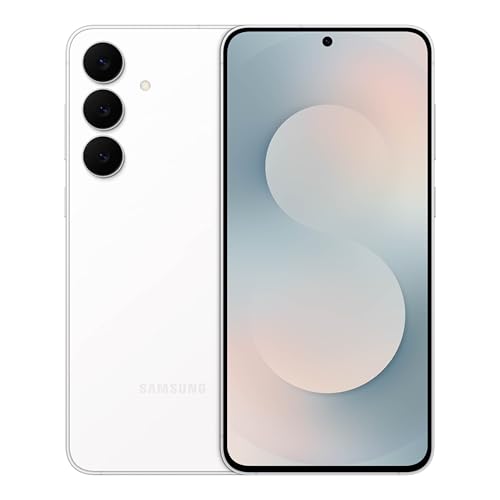

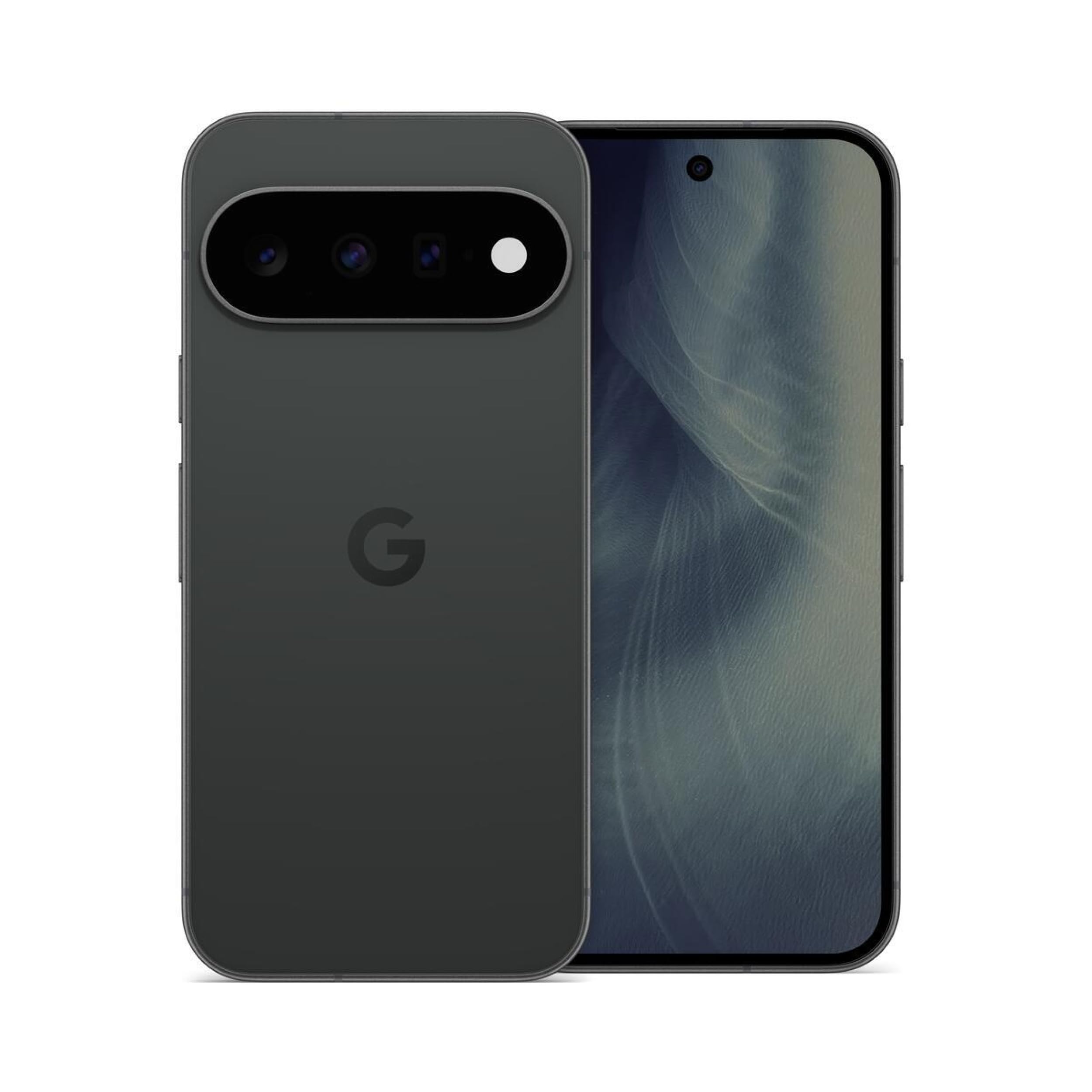


How to Evaluate Active Smartphones
Each criterion below includes a simple good and poor threshold, so you can score a phone in minutes. A model does not need top marks everywhere. It needs strong marks in the areas your routine stresses most, and no failing mark in durability or support.
Display Size and Quality
Look for an OLED panel, because deep blacks and strong contrast help maps and photos stay readable in sunlight. A refresh rate of 120Hz makes scrolling and maps feel smooth, while 60Hz panels now feel dated on anything above the lowest prices. Outdoor brightness matters most for active use, so favor phones that advertise high peak brightness and actually dim well at night. Size is a fit question. Screens around 6.1 to 6.5 inches balance one hand use and readable maps better than very large panels for most people.
Software Updates and Support Window
Updates decide how long a phone stays safe and compatible with your apps. Treat five years of security updates as a healthy minimum for a phone you plan to keep, and prefer longer promises when prices are close. Banking, health, and work apps drop old systems first, so a short support window quietly shortens the useful life of the hardware. Check the promise in writing on the maker page before buying, because update pledges vary by model even within one brand.
Build, Durability, and Water Resistance
An IP68 rating means the phone can handle dust and a short dunk in fresh water, which covers rain, splashes, and most accidents. IP67 is a step down but still fine for daily life. Modern hardened glass helps with drops, yet no glass is unbreakable, so a case remains cheap insurance. For active days, also check grip and weight. A slightly thicker phone with flat sides is easier to hold with sweaty or gloved hands than a thin, curved, slippery design. If you want a broad overview of the market first, our best smartphones ranked guide shows how the main categories differ.
Carrier Compatibility and 5G
An unlocked phone works across carriers and keeps its resale and travel value, so confirm full support for the main United States bands before ordering. Some imported models miss key bands and deliver weak rural coverage even though they list 5G on the box. Check whether the phone supports both physical SIM and eSIM if you travel or keep a work line. A quick practical test is to search the exact model number plus your carrier name and read the carrier compatibility page, not just the store listing.
Camera System
A good main camera with optical stabilization matters far more than a long list of weak extra lenses. Ultrawide lenses help with group shots and tight indoor spaces, while a true telephoto lens earns its place only if you often shoot distant subjects. Night mode quality shows up in real life as clean indoor photos of people, not just bright city scenes. Video stabilization matters for active buyers who record walks, rides, and kids sports. Readers who shoot constantly can dig deeper in our guide to the best smartphones with good camera features.
Battery Life and Charging Speed
Battery capacity around 4,500 to 5,500 mAh is typical, but efficiency matters as much as size, so favor phones known for lasting a full heavy day. Fast wired charging that refills about half the battery in thirty minutes is genuinely useful before a trip or shift. Wireless charging adds desk and car convenience, though it runs slower and warmer. One know how tip is to check what charger comes in the box. Many phones now ship without one, which adds a real cost if your old charger is slow.
Price Tiers That Pass the Checklist
Instead of naming specific models, use these tiers to judge what your money should buy. Any phone that misses the basics of its tier, such as update length or water resistance, needs a clear reason to stay on your list.
The Balanced Tier
Phones around $400 to $700 form the sweet spot for most active buyers. Expect an OLED screen at 120Hz, IP67 or IP68 protection, a strong main camera, and at least five years of updates. Battery life should cover a long day with maps and photos. This tier suits commuters, travelers, and parents who want reliability without paying for pro video features. If a balanced tier phone skips water resistance, treat that as a serious mark against it rather than a minor gap.
The Value Tier
Phones under about $400 ask for smart compromises, and the right ones keep the essentials. Insist on an OLED or good quality LCD screen, a battery that lasts a full day, and at least four years of security updates. Accept a simpler camera and plastic frame, which can actually survive drops well. Wireless charging and telephoto lenses are fair cuts at this price. Shoppers focused on savings will find more screening tips in our guide to the best bargain smartphones worth considering.
The Premium Tier
Phones above about $800 should add things you can point to, such as a brighter screen, a real telephoto camera, faster charging, longer update support, or a tougher build. Pay this much only when one of those gains matches your routine, like filming often or working outdoors daily. Premium pricing for styling alone fails this checklist. Also note that smaller premium models exist, and readers with small hands or tight pockets should compare the options in our best compact smartphones guide before defaulting to the largest screen.
Quick Buyer Checklist
Answer these questions honestly before you order, and let a no answer send you back to the product table.
- Does it carry at least an IP67 rating for dust and water?
- Will it get five or more years of security updates?
- Does the battery realistically last your longest normal day?
- Is it unlocked and fully compatible with your carrier bands?
- Does the main camera have optical stabilization?
- Can you hold it comfortably in one hand with a case on?
- Does the storage fit your photos, videos, and offline maps?
- Is the total cost, including case and charger, inside your budget?
Red Flags to Watch For
When comparing the best active smartphones, vague durability claims without an IP rating usually mean the phone was never certified, so treat splash proof marketing language with suspicion. Very short update promises on a costly phone signal poor long term value. Watch for huge megapixel counts paired with no mention of stabilization, a classic sign of a weak camera wearing a big number. Unusually glowing reviews that repeat the same phrases are another warning. Finally, a warranty shorter than a year, or one that excludes your country, should end the discussion for an active use phone.
Setup and Care Tips
Fit a case and screen protector on day one, before the first drop rather than after it. Turn on automatic updates and cloud backup during setup, while the old phone is still nearby for codes and transfers. Learn where your battery saver settings live before a long day out, not during one. Avoid charging in extreme heat, such as on a sunny car dashboard, because heat ages batteries faster than almost anything else. Rinse dust and sand from ports gently after beach or trail days.
Frequently Asked Questions
Should I buy an unlocked smartphone?
Yes, for most people an unlocked phone is the safer buy. It works across carriers, holds better resale value, and accepts local SIM or eSIM plans when you travel. The catch is paying more up front instead of spreading cost through a carrier plan. Check band support anyway, because unlocked describes the SIM lock, not guaranteed compatibility with every network.
How much storage do I need on a smartphone?
Most users should start at 256 GB if they shoot video or keep offline maps and music. Light users who stream everything can manage 128 GB, but heavy 4K video fills that quickly. Check your current phone storage screen before buying, then buy one step above what you use now. That simple check prevents the most common regret, which is saving a little money and running out of space in year two.
Do I need 5G on a smartphone?
Yes, a new phone should include 5G, because carriers now build capacity on those networks first and coverage keeps improving. You may not feel a dramatic speed jump over good 4G for everyday apps. The real benefit is future coverage and network support over the years you keep the phone. Just confirm the model supports the bands your carrier actually uses in your area.
How many years of updates should a smartphone get?
Aim for at least five years of security updates, and more on premium models. Security patches protect banking and health data, while system updates keep new app versions working. A phone that stops receiving patches can still turn on, but using it for sensitive accounts becomes risky. Factor the update window into price. A cheaper phone supported for six years often beats a faster one supported for three.
Is a mid range smartphone good enough?
For most routines, yes. Mid range phones now handle messaging, maps, streaming, and everyday photography without strain, and many carry real water resistance and long update support. Heavy mobile gaming, pro level video, and strong zoom photography remain the clear reasons to pay more. If your current phone frustrates you mainly on battery or storage, a midrange model with a bigger battery and 256 GB often solves the problem for far less money. Folding designs are a separate path, covered in our guide to the best flip smartphones available now.
Final Thoughts
Score any candidate on durability, battery endurance, and update length first, because those three decide how long the phone serves you well. Camera and screen quality come next, matched to how you actually shoot and travel. When two phones tie, pick the one that fits your hand and your carrier without compromise. The best active smartphones for you are the ones that pass every line of your own checklist, so compare your finalists against the product table one last time.