
Best Active Cameras in 2026: What Your Money Really Gets You at Every Price
Disclosure: We may earn a commission when you buy through links on this page, at no extra cost to you. As an Amazon Associate I earn from qualifying purchases. Learn more

Compare the best active cameras by budget, sensor size, stabilization and sealing to see which upgrades are worth paying for.
Prices for cameras built for movement stretch from under $100 to well over $500, and the gap is not always obvious from a spec sheet. The best active cameras earn their price through steadier footage, stronger sealing and controls you can work while you move. This guide shows what each tier adds, so you can read the product table with a clear budget in mind.
The term covers small rugged action cameras you mount on a helmet or chest strap, plus compact vlogging cameras you hold while you walk and travel. Both face shaking, spray, dust and cold that a desk camera never meets. Your sport, your weather and how often you film should decide your spend.
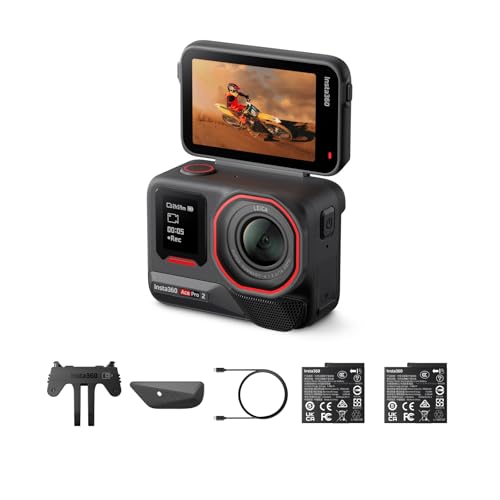


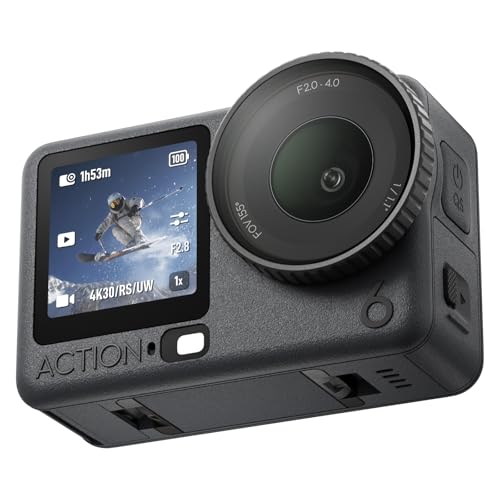


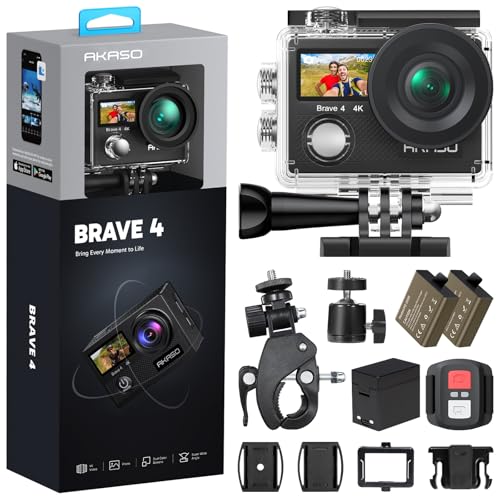
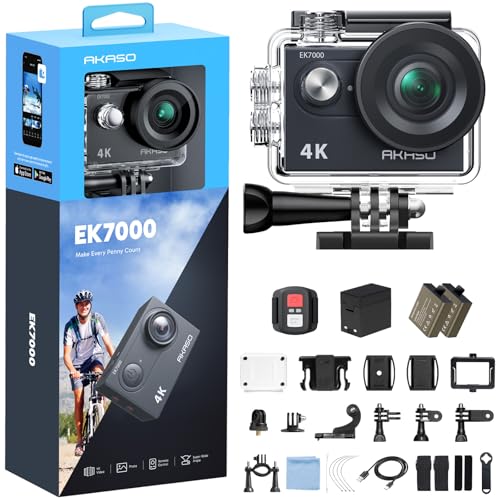
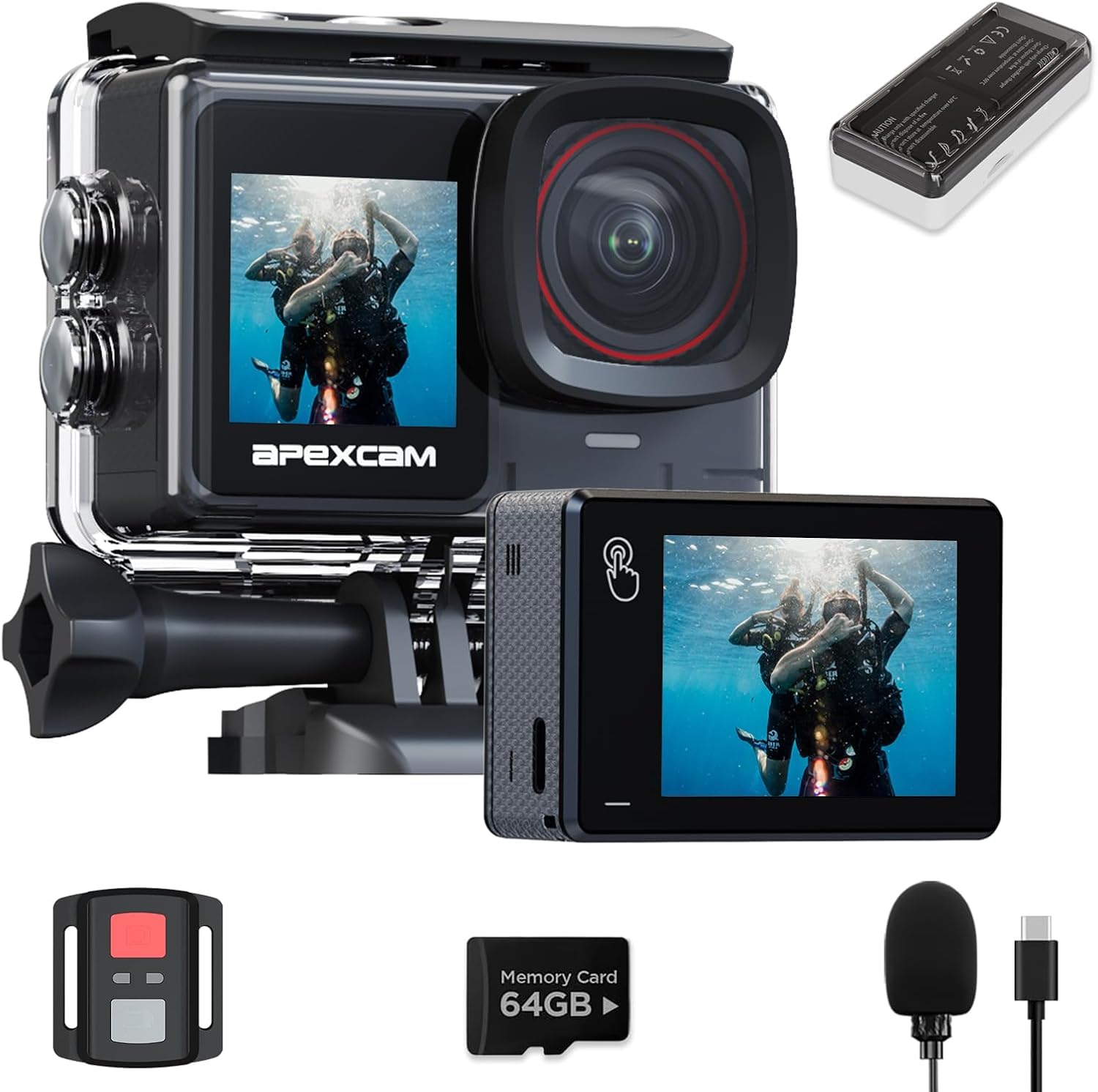
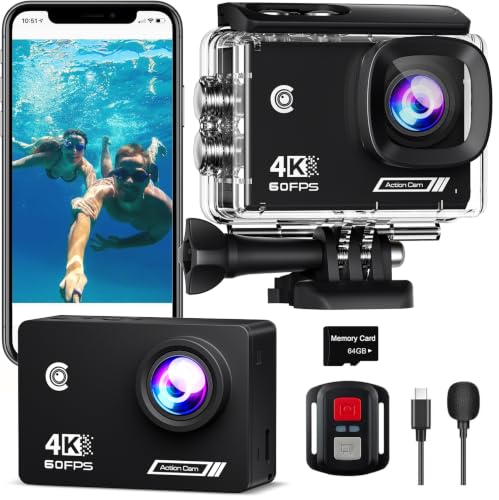
Who Should Buy Which Active Cameras?
Start with the way you move, because that decides which body shape, mount and sealing level you need.
Trail Riders and Runners Who Film on the Move
You need a small light body that stays put on a helmet, chest strap or handlebar mount and starts recording with one press. Strong stabilization matters more than zoom, since bouncing footage is your main problem. Choose simple controls you can reach with gloves.
Paddlers, Surfers and Snow Riders Who Need Full Sealing
Your camera will take spray, full dips and hard knocks, so a waterproof body and a scratch guard over the lens come first. Look for sealed doors that lock and large buttons you can press with wet hands. Battery changes on a wet shore should be rare, so capacity matters.
Active Travelers and Creators Who Walk and Film All Day
You film walking tours, markets and hikes, often talking to the lens as you go. A flip screen, clear speech pickup and autofocus that holds your face matter more than deep waterproofing. If your trips are mostly stills, see our guide to the best digital cameras for bodies built around photos first.
Key Features to Compare
Compare these factors in order, so a low price cannot hide weak stabilization or a tiny battery.
Sensor Size and What It Means for Action Footage
The sensor collects the light that becomes your image, and a larger sensor usually gives cleaner footage in shade, at dusk and indoors. Small sensors cope well in bright sun but show more grain as light falls. Megapixel counts alone tell you little, since a modest count on a larger sensor often beats a high count on a tiny one. If stills matter as much as video, see our guide to the best cameras for photography first.
Image Stabilization for Footage Shot While Moving
Image stabilization smooths the shake from steps, pedals, waves and rough ground. Electronic systems crop the frame slightly and work very well at walking and riding speeds, while stronger modes can soften fine detail at the edges. The harder your shaking, the more you should value stabilization over extra resolution, since smooth footage stays easier to watch and edit.
Autofocus and Subject Tracking
Autofocus decides how quickly the camera locks onto a face, a rider ahead or a pet crossing the frame. Simple fixed focus lenses keep everything beyond arm length fairly sharp, which suits mounted action views. True autofocus and subject tracking suit presenters and team sports, where the subject moves toward and away from you. For scenery from a chest mount, tracking adds cost you may never notice.
Lens View, Optical Zoom and Magnification
Most action models use a fixed wide lens that captures your hands, the trail and the scene in one frame, which forgives rough aim while you move. Some compact models add optical zoom, which uses real lens movement to bring distant subjects closer and gives true magnification without the soft look of digital zoom. Zoom also narrows your view and magnifies shake, so it suits calmer sideline filming more than mounted sports.
Battery Life and Charging
Expect about 60 to 120 minutes of recording from one battery, with cold weather, high frame rates and strong stabilization pulling the figure down. Removable batteries suit long days, since a swap takes seconds and spares are light. USB C charging helps travelers who top up from a power bank between outings.
Durability and Weather Sealing
Weatherproof sealing keeps out rain, dust and splashes, while fully waterproof bodies often handle dips to about 33 feet without a case. Check how the doors close, since a gritty or loose door seal is the usual weak point after a beach day. Replaceable lens covers matter too, because the front of a mounted camera takes stones, spray and drops first.
Price Tiers for Cameras Built to Move With You
When you sort the best active cameras by price, each tier buys smoother footage, better sound or stronger sealing, rarely all three at once.
Budget Tier: Solid Basics for Casual Days Out
Models at about $100 to $200 usually record sharp video in bright light, offer basic stabilization and survive rain and shallow dips. Screens are smaller, sound is thinner and low light footage looks grainy sooner. This tier suits school sports and family hikes. If this is your first camera of any kind, see our guide to the best starter cameras for wider basics.
Midrange Tier: Smoother Footage and Better Sound for Regular Creators
At about $200 to $400, stabilization gets visibly smoother, screens grow brighter and microphones pick up speech with less wind roar. You also gain faster frame rates for slow motion and more mount options. Most weekly creators land here, since the footage holds up on a large screen without pro level cost.
Premium Tier: Bigger Sensors and Stronger Controls for Serious Work
Models above about $400 add larger sensors, cleaner low light footage, richer manual control and tougher bodies. Sound inputs for an external microphone and finer color control appear at this level. If build and finish are your top concern, see our guide to the best quality cameras for a wider view. Pay this much when you publish often or film in poor light weekly.
Ownership Costs Beyond the Camera Itself
The body is only part of the bill. Fast memory cards for long 4K clips, spare batteries and the mounts for your sport can add about $50 to $150 in the first year. A hard case and a float grip for water use add a little more.
Plan for wear as well. Lens covers scratch, door seals age and batteries lose capacity over time, so check that spares for your model are easy to find before you buy.
Common Mistakes to Avoid
These errors cost footage and money, and most are easy to dodge.
- Buying on megapixels alone leaves you with grainy dusk footage that a larger sensor would have handled well.
- Skipping a mount test before a big trip leaves you with a camera that rattles loose on the first rough trail.
- Filming every outing at the highest frame rate drains batteries fast and fills memory cards before the day ends.
- Trusting a waterproof rating with a dirty door seal lets water in and can end the camera in one swim.
- Ignoring microphone placement gives you loud wind roar that buries your voice in every outdoor clip.
- Paying for deep zoom on a helmet camera narrows the view so much that your hands and trail vanish from the frame.
Care and Maintenance for Active Cameras
Rinse the closed body under plain tap water after salt water, sand or mud, then dry it with a soft cloth and open the doors only once the outside is dry. Check the seals for sand or hair before every water outing.
Store the camera dry, out of direct sun, with the battery partly charged rather than full or empty. Inspect lens covers and mounts for cracks after any drop, and replace a scratched cover at once, since a marked cover blurs every clip you shoot.
Active Cameras: Your Questions Answered
Is a smartphone enough instead of an active camera for sports and travel?
For calm walking clips and bright travel scenes, a good phone is often enough. An active camera pulls ahead when mounting, sealing and one press recording matter, since a phone is hard to strap to a chest or helmet and costly to drop in surf. Phones also overheat sooner on long sunny recordings.
How much should I spend on my first active camera?
Spend about $150 to $300 for a first active camera that you will use every week. Below that range, stabilization and sound tend to frustrate new filmers within a season. Above it, you pay for controls you have not yet learned to miss. Rent for one outing if you can, since one real day of filming shows your true needs fast.
Which active camera specs matter most in low light?
A larger sensor and a bright lens matter most for active cameras in low light. Higher ISO settings can lift a dark scene, but they add grain, so a sensor that stays clean at moderate settings beats a long ISO list on paper. Stadium lights can also flicker on some frame rates when you film evening games.
Does image stabilization remove the need for a gimbal with an active camera?
No, stabilization in an active camera does not remove every need for a gimbal. Built in smoothing handles steps, vibration and small tilts very well, which covers most sports and walking footage. A gimbal still helps for slow pans and long walking talks where you want level horizons for minutes at a time.
Do active cameras need a separate mount for each sport?
No, active cameras do not need a separate mount for each sport, since most share a common mounting point. One flat adhesive base, one curved base and a chest strap cover bikes, helmets and most boards. Check that third party mounts use the same fitting as your body before a trip, because a near fit can slip under vibration.
Wrapping Up
Match the camera to your movement first, then to your light, then to your budget. Stabilization, sensor size and sealing decide most of your results. Use the product table to compare tiers against the days you actually film.
Chosen that way, the best active cameras become a simple fit for your sport, your weather and your screen. Buy the tier that serves your most common outing, and save the rest for mounts and batteries.


