
Best Acoustic Blankets by Budget: A Smart Guide for 2026
Disclosure: We may earn a commission when you buy through links on this page, at no extra cost to you. As an Amazon Associate I earn from qualifying purchases. Learn more

Learn how the best acoustic blankets differ by price tier, which weight and materials actually improve sound control, and how to choose the right size.
Acoustic blankets sell at prices ranging from about $25 for a thin moving style pad to well over $150 for a dense studio grade panel. That spread confuses buyers, because two blankets can look identical in photos while performing very differently on a wall. This guide to the best acoustic blankets shows what each price tier actually delivers, which upgrades change results, and where extra money stops helping.
One expectation first: a blanket absorbs sound and reduces echo, and it only dampens noise passing through it. It will not turn a loud room into a silent one. With that in mind, use the comparison table below to shortlist by size and weight, then read on for the budget logic behind the listings.


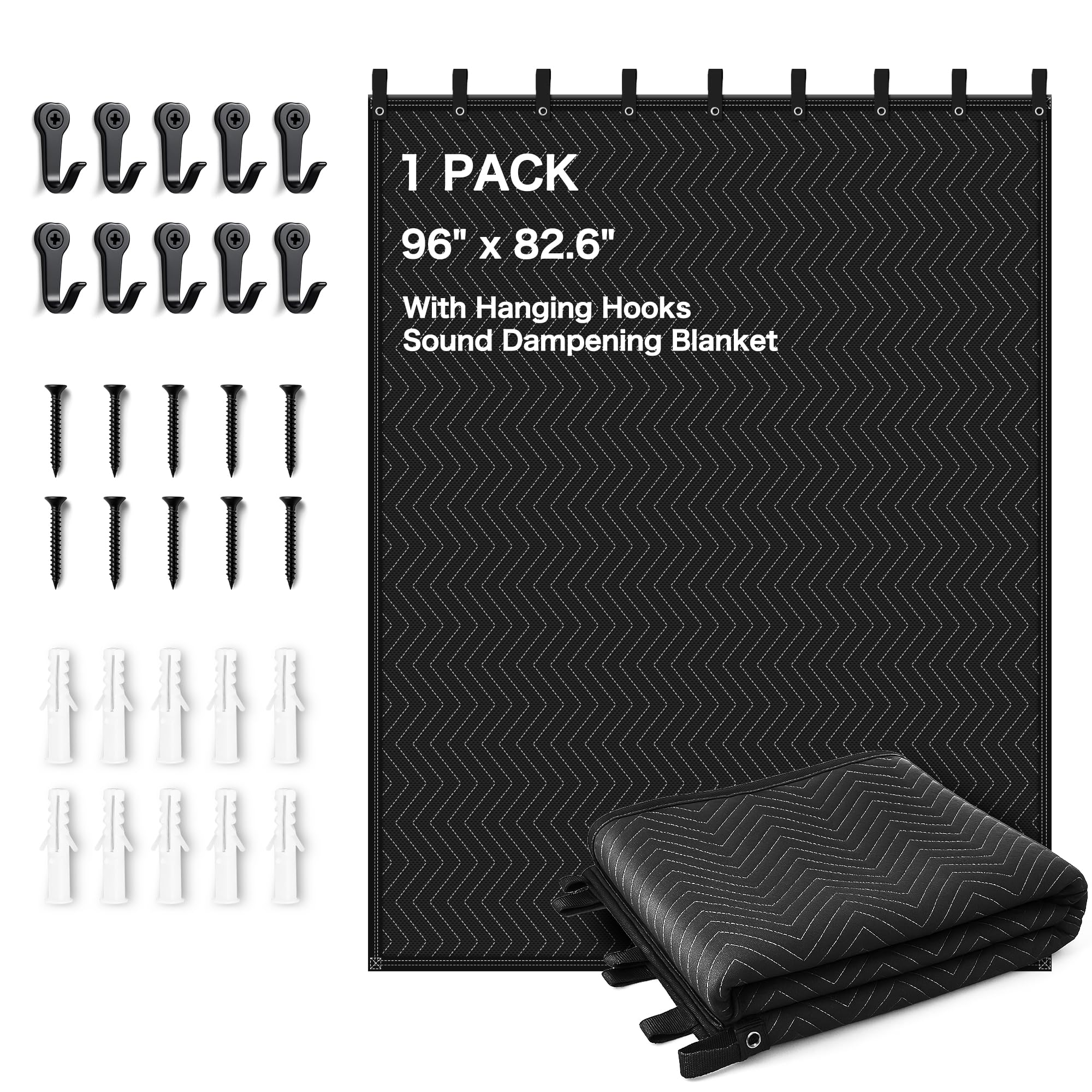
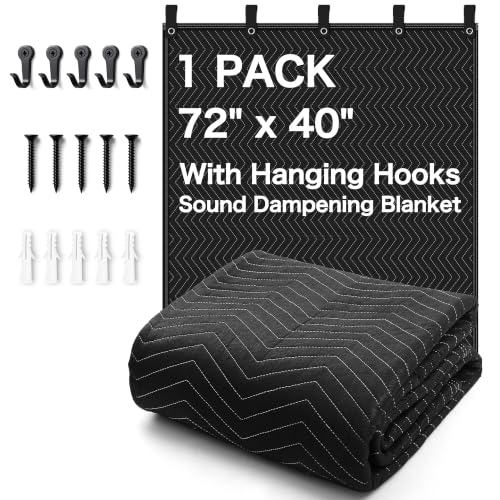

Choosing by Budget: Three Tiers Compared
Instead of chasing a single winner, match the tier to your room and your goal. A podcaster treating one wall needs different density than a drummer calming a garage. The three tiers below describe what your money buys at each level.
The Budget Tier Buyer
Budget blankets, usually around $25 to $45, are thin pads similar to moving blankets with basic stitching and grommets on some models. They take the edge off echo in a small room and work fine for voice recording in a closet or a makeshift booth. The limits are real: low density means weak absorption of low frequencies, and thin fabric wears faster at hanging points. Choose this tier to test whether blankets solve your problem before spending more, or for temporary setups you will take down within months.
The Midrange Tier Buyer
Midrange blankets, around $50 to $90, add the features that matter most: denser fill, quilted construction, and reinforced grommets spaced for even hanging. This is the tier where echo control becomes clearly audible in home studios, streaming rooms, and rehearsal spaces. You also get larger sizes that cover a full wall section without gaps. Most buyers should start here, because the jump in density from budget pads is the single biggest performance step in the whole market, and the durability suits years of regular use.
The Premium Tier Buyer
Premium blankets, around $100 to $160 and up, use the heaviest fills, sometimes layered materials, and studio oriented details such as fire retardant fabric or fiberglass free cores. They suit vocal booths, drum rooms, and workshops where blankets stay mounted permanently and low frequency control matters. The trade off is weight: a large premium blanket can be awkward to hang alone and may need a proper rail or multiple hooks. Pay this much only when you have measured a real problem that midrange density did not solve.
What Your Money Gets You at Each Price Tier
Price in this category buys three things: density, size, and hardware quality. Understanding which of those your room needs keeps you from paying premium money for a budget problem.
Budget Tier: What to Expect
Expect a lightweight pad that reduces flutter echo and harsh reflections for speech. Covers are usually simple woven fabric, fill is thin, and sizes cluster around standard door and moving blanket dimensions. Absorption ratings, when listed at all, are modest.
This tier works for renters testing a setup, kids practicing an instrument for short sessions, or covering a window during recording hours only. Treat the blanket as a trial tool, and keep your receipt until you have recorded a before and after test on your phone.
Midrange Tier: The Sweet Spot for Most Buyers
Midrange blankets bring noticeably heavier fill that absorbs mid and upper frequencies well, which covers voices, guitars, keyboards, and most home studio work. Quilting keeps the fill from shifting into lumps, and metal grommets let you hang the blanket flat so sound cannot leak around curled edges. You also start seeing published absorption data and clearer size options. For a single room treated on two walls, this tier usually delivers about eighty percent of the benefit at half the premium price.
Premium Tier: When Spending More Pays Off
Spending more pays off when low frequencies are the problem, because bass energy needs mass, and mass is what premium blankets sell. Thicker layered construction also helps on shared walls, where every bit of added damping matters to neighbors. Premium models tend to use denser stitching and stronger edging, so they survive permanent mounting and frequent moving in rental studios. If your recordings are mostly voice in a small room, this tier is more blanket than you need, and the money serves you better spent on a second midrange blanket for the opposite wall.
Features Worth Paying For (and Ones to Skip)
Some upgrades change what you hear, and others only change the listing photo. The four checks below sort one from the other before you compare prices in the product table above.
Size and Coverage
Coverage decides results more than any single material claim. Measure the wall or window first, then buy a blanket that overlaps the edges by several inches, because sound leaks through gaps the way light does. Common sizes run from about 72 by 80 inches up to extra large studio panels.
Two mid sized blankets often beat one huge one, since you can place them on facing walls where reflections bounce. If you hang a blanket over a door, confirm the door can still close and latch with the fabric in place.
Durability and Care
Look for tight quilting, bound edges, and grommets set into reinforced webbing rather than punched through single fabric. Those details decide whether a blanket survives weekly hanging and removal. Most acoustic blankets are spot clean or gentle machine wash items, and heavy fills take a long time to dry, so check care labels before buying for a dusty workshop.
A clear warranty of at least a year signals the maker expects the stitching to hold. Rotating two blankets between washing and use keeps a studio running without bare wall days.
Weight and Thickness
Weight per blanket is the quickest honesty check in this category: heavier usually means denser fill and better absorption, especially for lower sounds. A useful rule is to compare weight at equal size, since a large thin pad can outweigh a small dense one. Thickness alone misleads, because fluffy fill traps less sound than compact dense fill of the same depth.
Very heavy blankets need strong mounting, so factor hooks or a curtain rail into the plan. Skip ultralight novelty blankets for any room where results matter.
Material and Fill
Fills include recycled cotton, polyester batting, and dense woven layers, each with trade offs. Recycled cotton absorbs well and stays affordable, while polyester resists moisture in basements and garages. Some older style acoustic products used fiberglass cores; if you choose one, make sure the core is fully sealed inside the cover, and avoid cutting or tearing it, because loose fibers irritate skin and lungs.
Shoppers sensitive to materials can look for OEKO TEX certified fabrics on the outer cover. If warmth rather than sound is your goal, a different product entirely, covered in our guide to the best heated blanket, makes more sense.
Long Term Costs to Factor In
The blanket price is only the start. Add mounting hardware such as hooks, rails, or a freestanding frame, which can add about $15 to $60 per wall. Heavier blankets may need wall anchors rated for the load.
Budget for a second blanket later, because treating one wall often reveals how much echo comes from the wall behind you. Replacement is rare with decent stitching, but sun exposure through a window fades and weakens fabric over years, so rotate window blankets or choose a fade resistant cover. Finally, compare against general bedding options in our guide to the best quality blankets only if comfort enters the decision, since ordinary blankets absorb far less sound per dollar.
FAQs
How often should I replace my acoustic blanket?
Replace an acoustic blanket when the fill shifts into lumps, the cover tears, or grommets pull out, because damage creates thin spots that leak sound. With normal indoor use, a midrange or premium blanket lasts many years. Dust buildup also dulls performance slowly, so a yearly shake outdoors or gentle wash extends useful life more than most owners expect.
Is a higher density always better?
Higher density is better up to the point where your problem frequencies are covered. Voices and most instruments live in the mid and upper ranges, where midrange density already performs well. Extra density mainly helps bass and adds hanging weight, so match density to your sound source rather than buying the heaviest blanket by default. Two well placed blankets beat one ultra dense blanket on a single wall.
Do acoustic blankets block noise from neighbors?
Acoustic blankets reduce echo inside your room and only modestly dampen sound passing through a wall or door. They help most when hung over a door or window with edges sealed, where they can cut obvious leakage. For serious neighbor noise, blankets are one layer in a bigger fix that includes sealing gaps and adding mass to the wall itself, and expectations should stay realistic.
How do I wash acoustic blankets safely?
Wash most acoustic blankets on a gentle cold cycle only if the care label allows it, and air dry them flat or on a line, because dryer heat can damage fill and shrink covers. Heavy blankets may exceed home washer capacity, so a laundromat machine or spot cleaning is safer. Never wash a blanket with a torn cover and loose fiberglass fill; repair or replace it instead.
Are acoustic blankets safe to hang in a bedroom?
Acoustic blankets are safe in a bedroom when the fill is fully enclosed, the fabric is intact, and the mounting can hold the weight securely above the bed or along a wall. Keep them out of reach of infants and toddlers, and never use any blanket as bedding for a baby; our guides to the best throws and blankets cover casual home use, while sleep products for children follow different safety rules entirely. Choose certified low emission fabrics if the room is small and ventilation is limited.
Wrapping Up
Decide by density, coverage, and mounting quality, in that order, and let your budget tier follow from your room size and sound source. Most home studios land happily in the midrange, while bass heavy rooms justify premium weight. Judged that way, the best acoustic blankets for your space become easy to identify, so compare weights and sizes in the product table above before you order.


