Best Accent Rugs: A Buyer Checklist for 2026
Disclosure: We may earn a commission when you buy through links on this page, at no extra cost to you. As an Amazon Associate I earn from qualifying purchases. Learn more

Use a clear checklist to choose the best accent rugs for your room, with guidance on size, material, pile, care, and the red flags that signal poor quality.
An accent rug is a small purchase that changes a whole room, which is why choosing by a photo alone so often disappoints. The best accent rugs pass a simple checklist covering size, material, pile, backing, and care, and this guide walks you through each point in the order a careful buyer should check them.
Work through the criteria below before you fall for a pattern, and your shortlist will shrink to rugs that truly fit your floor, your furniture, and your cleaning routine. The comparison table below gives a quick overview of the main styles to start from.



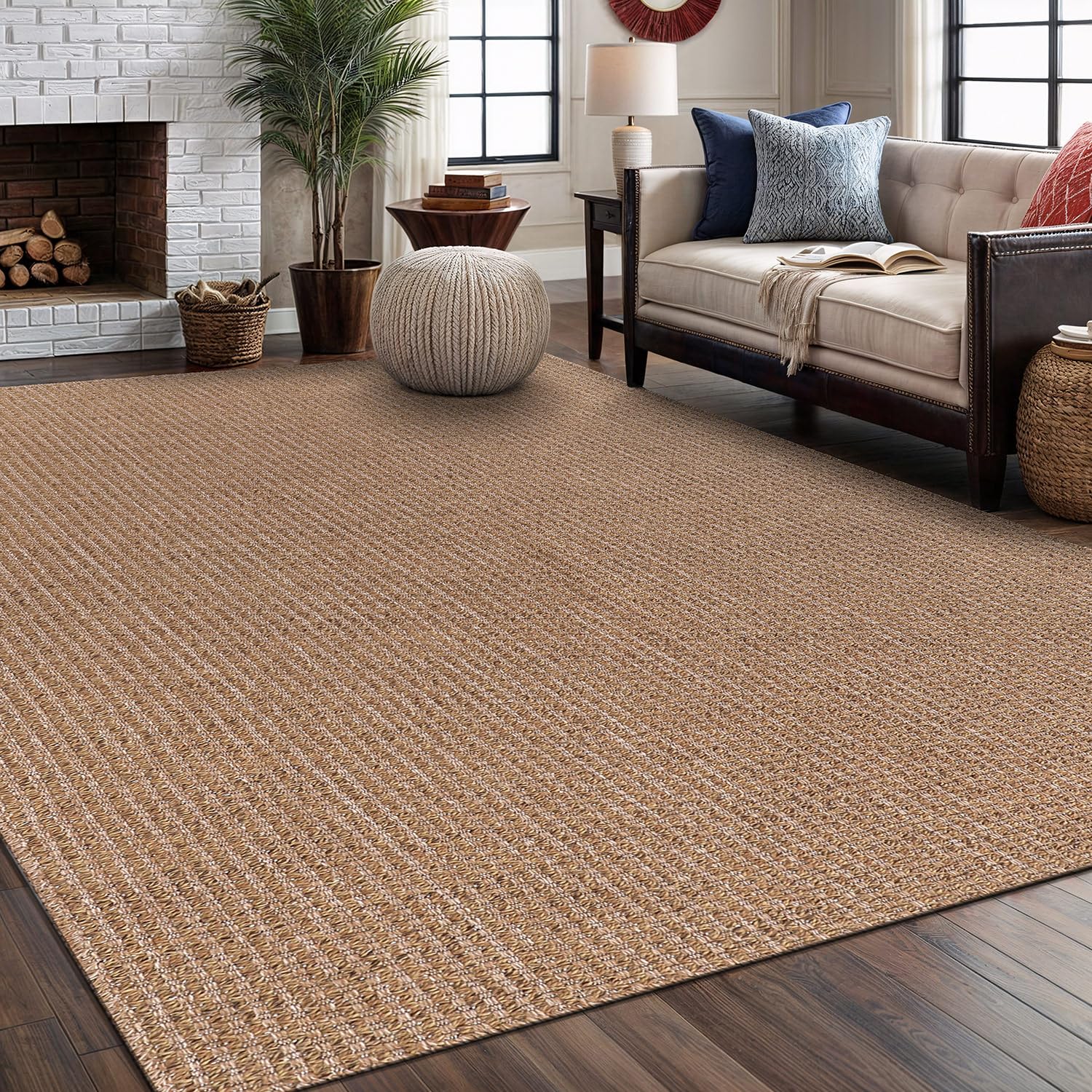
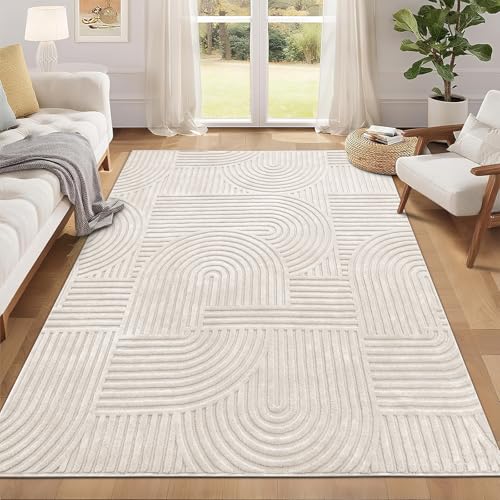
How We Evaluate Accent Rugs
Material and Construction
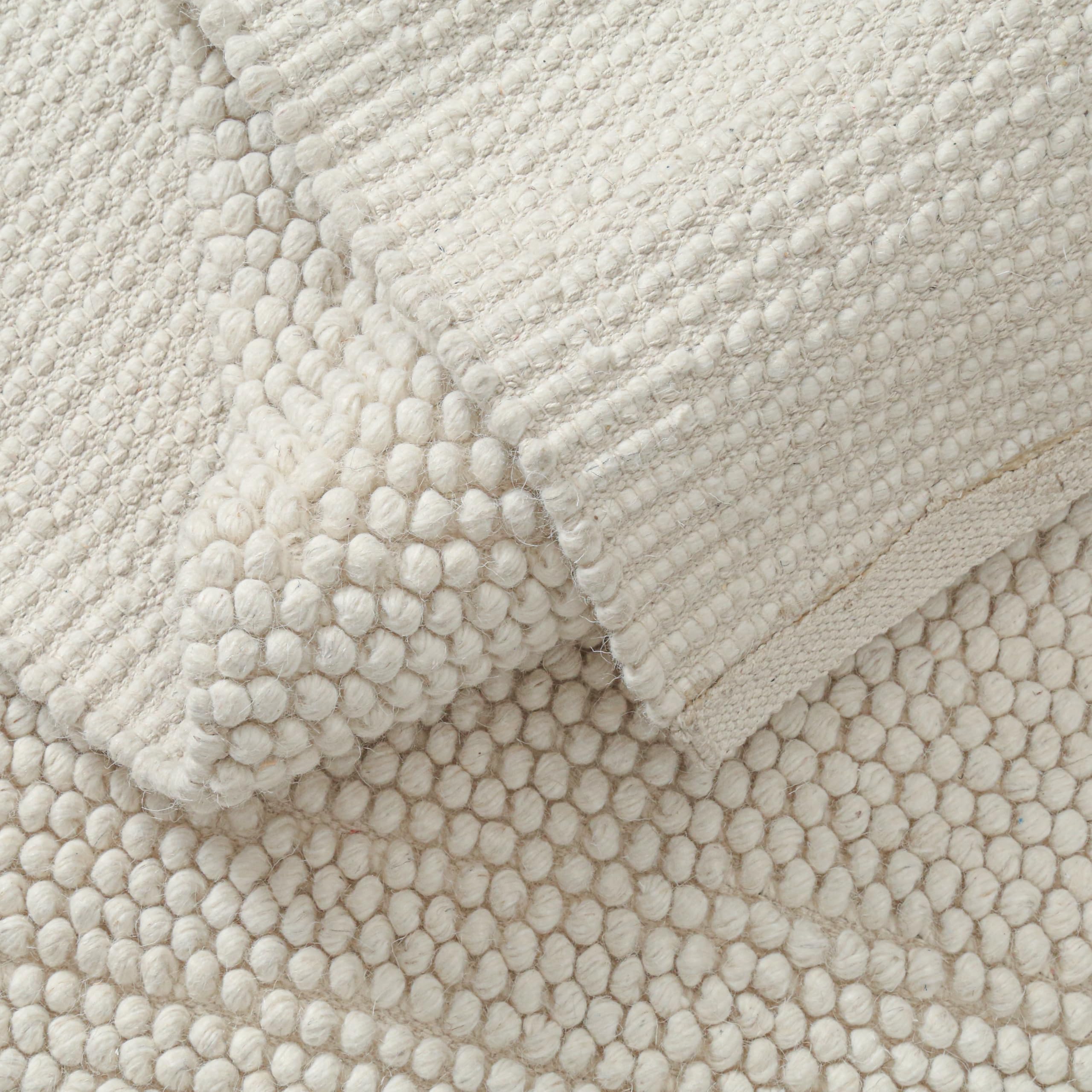
Wool offers natural resilience, a rich feel, and fibers that hide soil well, at the highest prices in this category. Cotton rugs cost less, feel softer and flatter, and often wash more easily, but they show wear sooner in busy spots. Synthetics such as polyester and polypropylene resist stains and moisture at low cost, while jute and other plant fibers add texture but dislike soaking.
Construction matters alongside fiber: hand knotted and woven rugs generally outlast glued or tufted designs whose backing can crumble with age. Check the back of any rug you consider, because the backing tells the truth that the front photo hides.
Size and Fit
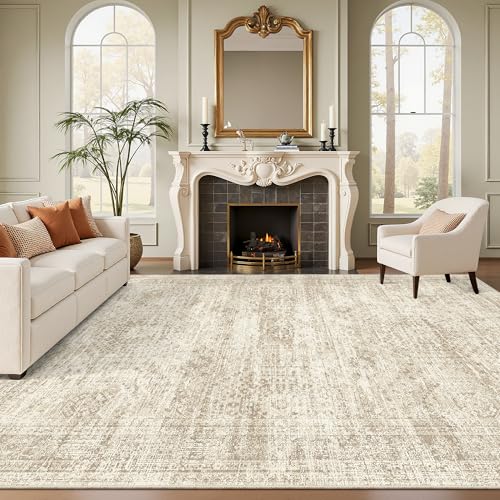
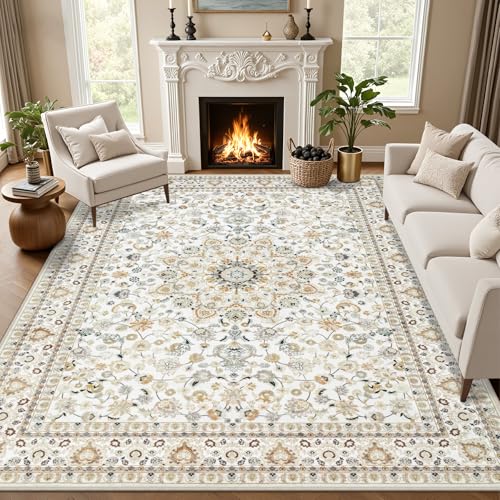
Measure your space before shopping, and use tape on the floor to outline the rug size you are considering. In a living room, an accent rug should at least reach under the front legs of sofas and chairs so the seating group feels connected. Common sizes run from small 2 by 3 foot mats to 5 by 7 foot pieces that anchor a full seating area.
Leave a border of bare floor around the rug, often about 8 to 18 inches in larger rooms, so the rug reads as an accent rather than a wall to wall carpet. Doors must clear the pile, so measure door swing height for entryway placements.
Sound Softening and Slip Resistance
A rug absorbs footstep noise and echo on hard floors, which is one reason a room feels calmer the day one arrives. Thicker pile and a dense pad underneath deepen that effect in upstairs rooms and apartments. The same pad also stops the rug creeping across the floor, which is both a tidiness and a safety point.
Never skip a pad on smooth floors, because a sliding rug edge is a genuine trip and fall hazard, especially for older adults and small children. Choose a pad slightly smaller than the rug so it stays hidden, and replace it when it loses grip.
Comfort Underfoot and Edge Finish
Pile height sets the feel: low pile reads crisp and suits dining chairs that must slide, while medium and high pile feel plush in bedrooms and reading corners. Comfort also comes from the pad, which adds cushion without changing how the rug looks from above. Judge comfort by walking on a sample in socks, the way you will actually use the room.
Edges reveal quality quickly. Bound or woven edges lie flat and resist curling, while thin or poorly finished edges lift, catch feet, and fray. A rug that will not lie flat after a week of books pressing its corners is a rug to return.
Labels and Safety Standards
A trustworthy rug lists its full fiber content, country of origin, and care instructions on a permanent label. Some rugs carry independent labels for low chemical emissions or tested textile safety, which matter most in nurseries and bedrooms where the rug sits close to skin for long periods. Treat missing or vague labels as a warning, not a minor omission.
Keep rugs away from open flames and heaters, and check any fire related claims against the label rather than the listing headline. Readers furnishing a whole room may also enjoy our guide to the best accent pillows, since rug and pillow colors are easiest to coordinate when chosen together.
Warmth and Air Flow
An accent rug adds real warmth over tile, stone, and cold wood floors, making seating areas comfortable in socks through winter. In hot or humid rooms, choose low pile natural fibers that feel cooler and dry faster after cleaning. Dark rugs in strong sun can fade unevenly, so rotate them a few times a year where sunlight falls.
Basements and ground floors need extra thought about moisture rising from below, since a damp backing breeds odor. Our guide to the best rugs for basement covers moisture resistant choices for those harder rooms in detail.
Durability and Care
Durability in an accent rug shows in dense construction, fibers that spring back after furniture weight, and colors that hide the soil your room actually produces. Ask how the rug cleans before you buy: some tolerate machine washing, many need gentle vacuuming without a rotating brush, and wool prefers prompt blotting over soaking. Care that exceeds your patience will not happen, so be honest.
Check the return window and any warranty against defects, since a rug reveals curling edges and shedding habits only after days at home. Our guide to the best quality rugs explains the construction signs that predict a long life.
Three Price Tiers and What Each One Delivers
The Budget Tier
Budget accent rugs, often under $50 for small sizes and around $50 to $100 for larger ones, usually use synthetic fibers and printed patterns. They suit renters, kids rooms, seasonal refreshes, and anyone testing a bold color before committing. Expect thinner pile, lighter backing, and a working life of a few years in busy spots rather than a decade.
The smart budget buy still passes the checklist basics: clear fiber labeling, finished edges, and a pad in the budget. Skipping the pad to save money is false economy, because the rug will slide, bunch, and wear unevenly from the first month.
The Balanced Middle Tier
Middle tier rugs, roughly around $100 to $250 in common room sizes, bring better fibers such as wool blends, denser construction, and patterns woven in rather than printed on. This tier suits living rooms and bedrooms where the rug will stay for years and carry daily traffic. Colors hold longer, edges lie flatter, and the feel underfoot improves in a way guests notice.
For most homes this tier offers the best value over time, because the cost per year falls below the budget tier once replacement cycles are counted. Spend here when the room is settled and your furniture is unlikely to change soon.
The Premium Tier for Busy Rooms
Premium accent rugs, often above $250 and rising with size, use high wool content, hand finished construction, and dense pile that tolerates heavy use gracefully. They suit busy family rooms, homes with large dogs, and anyone who wants one rug to anchor a room for a decade. Repairs and professional cleaning also make economic sense at this level.
The limits are honest ones: higher cleaning costs, more care with spills, and a price that hurts if tastes change quickly. Buy premium when your layout is final and your color choice is calm enough to live with for years.
Quick Buyer Checklist
- Did you measure the space and tape the outline on the floor first?
- Does the fiber suit your traffic, pets, and spill habits?
- Will doors clear the pile height you chose?
- Do the edges look bound or woven well enough to lie flat?
- Is the full fiber content and care method stated on a label?
- Have you budgeted for a rug pad in the right size?
- Does the return window cover at least a week of home trial?
- Can you clean this rug the way its label requires?
Red Flags to Watch For
Walk away from listings with vague fiber descriptions such as premium material with no actual content named, since honest makers state percentages. Be wary of prices far below every comparable rug, which usually signal thin construction and glued backing. A strong chemical smell reported by many buyers is another warning, as is a seller who cannot state the rug weight or pile height.
Short return windows and missing care labels complete the pattern of a risky buy. Shedding photos, curled corners in customer pictures, and reviews that mention color wildly unlike the listing all tell you to keep looking.
Tips to Get the Most From Your Accent Rug
Vacuum gently on a schedule that matches your traffic, using suction without a stiff rotating brush on delicate fibers, and see our guide to the best vacuums for rugs for settings by rug type. Blot spills at once with a clean cloth, working from the edge inward, and rotate the rug every few months so wear and sunlight spread evenly across its surface.
Accent Rugs: Your Questions Answered
Does a higher pile always mean a better accent rug?
No, higher pile means a plusher feel, not a better rug. Low pile wins under dining tables, in hallways, and anywhere chairs or doors must move freely. High pile suits quiet corners where bare feet land most. Match pile to the job, and remember that very high pile traps more grit and needs slower, more careful vacuuming.
How often should I replace my accent rug?
Replace an accent rug when its backing cracks, its edges will not lie flat, or its pile stays matted after a thorough clean. In busy rooms that may be three to five years for synthetic rugs and much longer for dense wool. A rug that still looks sound but smells stale after cleaning has usually absorbed moisture into its backing.
How do I wash accent rugs safely?
Start with the label, because washable rugs and wool rugs need opposite handling. Small washable cotton or synthetic rugs can go in a large machine on a gentle cold cycle, then air dry flat. Larger or wool rugs do better with spot cleaning and an occasional professional wash, since home soaking can shrink fibers and loosen backing.
What size accent rug should I choose for a living room?
Choose a size that reaches at least under the front legs of your sofa and chairs, which for most rooms means a 5 by 7 foot rug or larger. Tape the outline first and live with it for a day before ordering. A rug that floats in the middle of the room with no furniture touching it almost always looks too small.
Are washable accent rugs worth it for busy homes?
Yes, for homes with toddlers, pets, or frequent spills, washable rugs remove the stress from every accident. The compromise is feel, since most washable designs use low pile synthetic fibers that read flatter than wool. Many families pair a washable rug in the play zone with a richer rug in the adult seating area.
The Bottom Line
Measure first, match fiber and pile to your traffic, and insist on honest labels and finished edges. With those checks done, the best accent rugs for your room will be easy to spot and easy to live with. Return to the product table above, compare your finalists against the checklist once more, and order the one your routine supports.