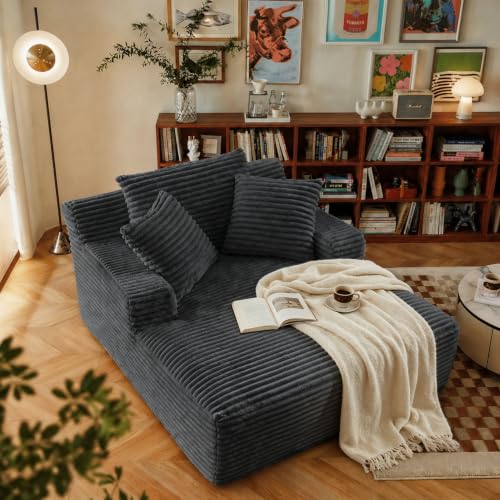
Best Accent Chairs for Small Living Room in 2026: A Clear Buying Guide
Disclosure: We may earn a commission when you buy through links on this page, at no extra cost to you. As an Amazon Associate I earn from qualifying purchases. Learn more

Learn how to choose accent chairs for a small living room, with simple guidance on size, seat depth, arms, fabric, style and price for first time buyers.
Adding a chair to a small room sounds simple until the chair arrives and eats the walkway. The best accent chairs for small living room layouts add a real seat without blocking doors or crowding the sofa. This guide starts with plain terms and simple measuring, then covers comfort, fabric, and style, so you can read the comparison table below with a clear plan.
You need the size of your empty corner, an honest idea of how you will sit, and a short list of features that matter in a tight space.

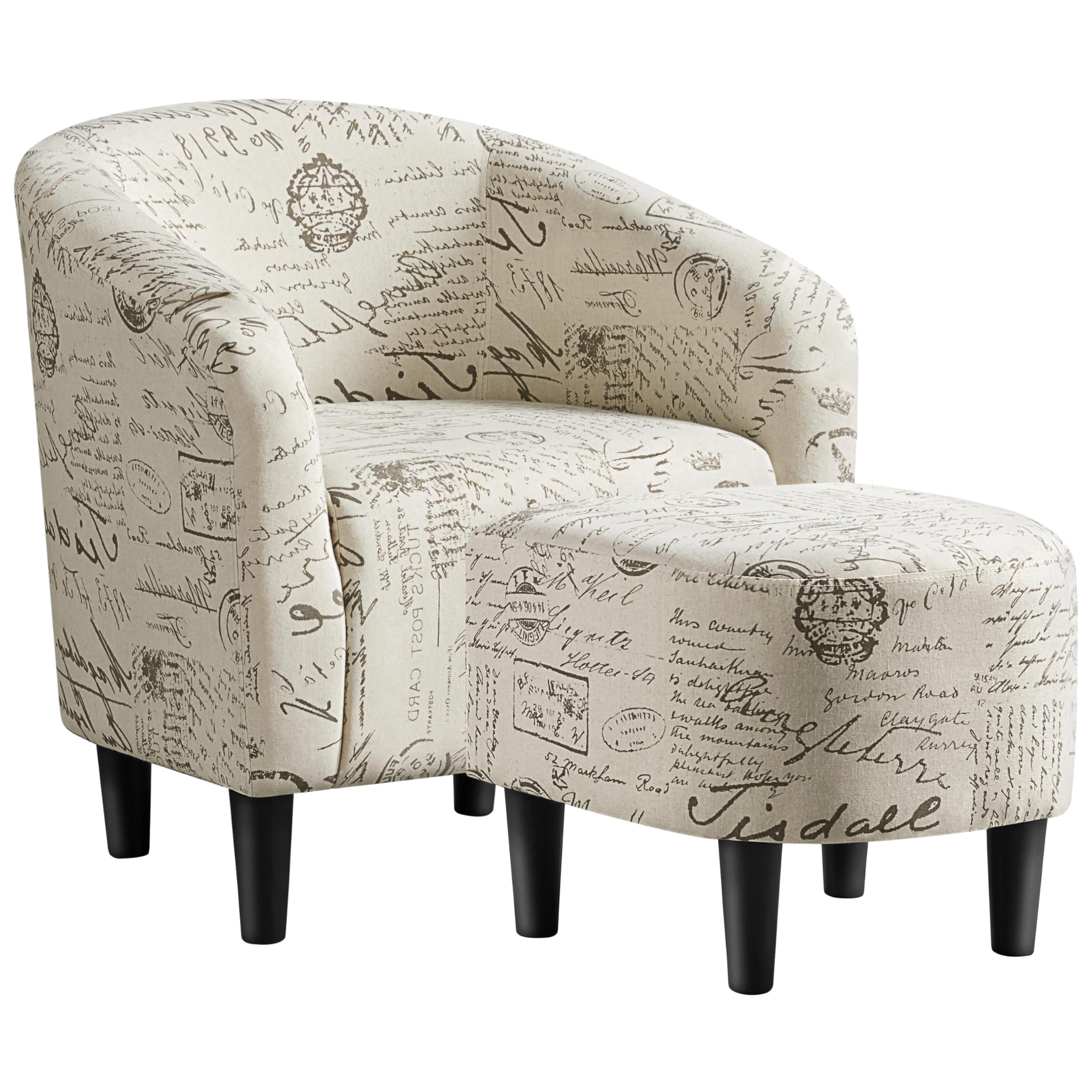
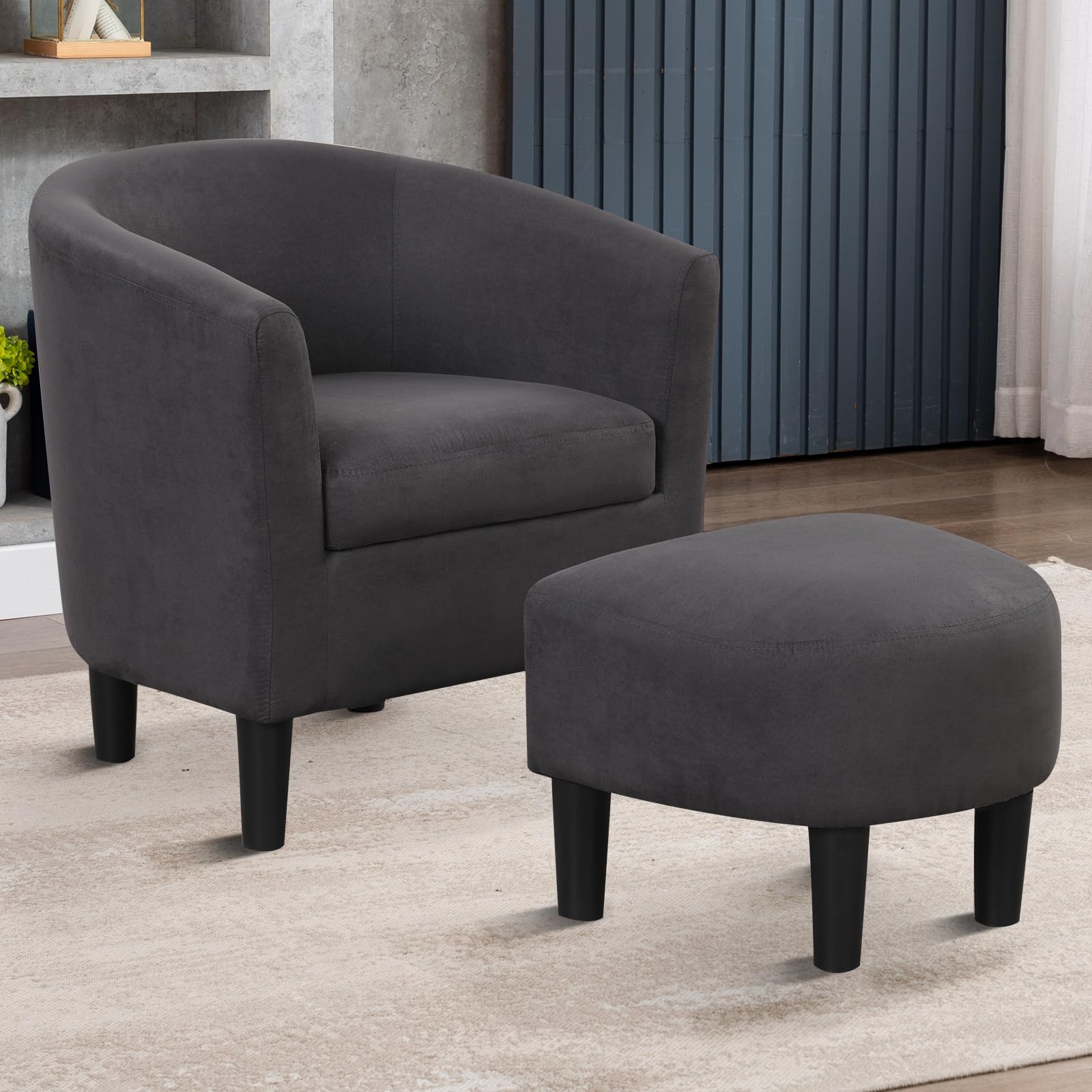


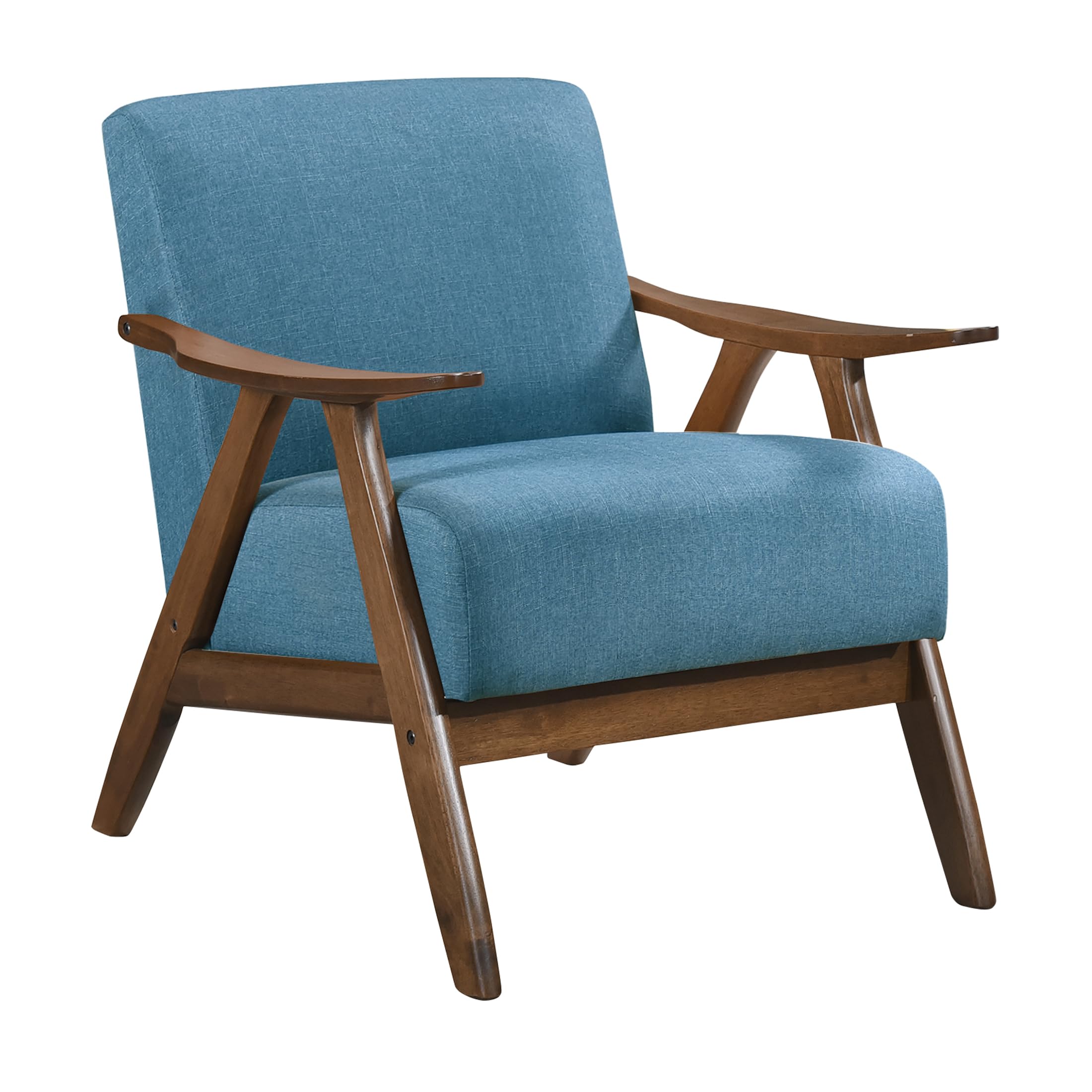
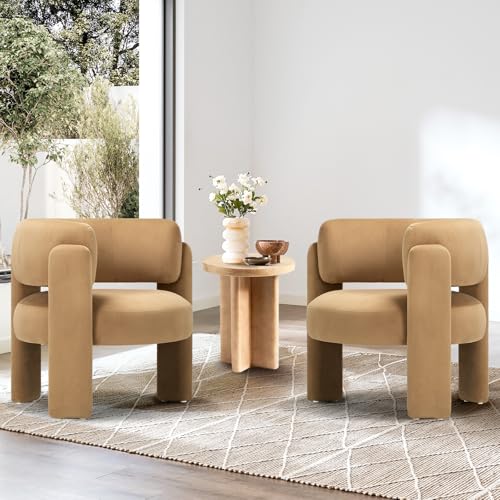
Accent Chair Basics for a Small Living Room
An accent chair is a single seat that does two jobs at once. It gives one person a place to sit, and it adds color, pattern, or shape that the sofa does not provide. It stands alone, so you can move it when guests arrive.
In a small room, scale matters more than decoration. Terms you will see often include footprint, the floor area the chair covers, plus seat depth and seat height. If you are still planning the main seating first, see our guide to the best small living room chairs before you shop for an accent piece.
Who Should Buy an Accent Chair for a Small Living Room?
In a compact room, the chair has to earn its floor space every day.
Apartment Renters Who Need Flexible Seating
You need a seat you can carry through a narrow hall and move without help when the layout changes. Choose a light chair with slim legs and a modest width. A calm color that works in more than one room also helps.
Hosts Who Need One Extra Seat for Guests
You have a sofa for daily use, but one guest always ends up on a dining chair or the floor. An accent chair fills that gap without forcing a larger sofa into the room. Pick a seat that faces the conversation area and feels stable for older guests.
Readers Who Want a Corner That Fits One Person
You want a quiet seat near a lamp or window, not a second lounge zone that takes over the room. Choose a supportive back and enough seat depth for a small pillow behind your lower back. Keep a small side table in your plan for a book and a drink.
Key Features to Compare
The best accent chairs for small living room layouts share one trait: every inch of their size does useful work. Compare the factors below in order, and let your measurements rule out chairs before color or price tempts you.
Footprint, Width and Depth
Footprint is the first filter, since a chair that covers too much floor cannot be fixed by good looks. Many compact accent chairs are about 26 to 30 inches wide and about 28 to 33 inches deep, while larger lounge styles run several inches wider. Note the widest point at the arms and the deepest point with the back cushion in place.
Seat Height and Seat Depth
Seat height runs from the floor to the top of the seat cushion, and many accent chairs sit at about 17 to 19 inches. Seat depth runs from the front edge to the backrest, and about 19 to 22 inches suits most adults. Your feet should rest flat, and your back should touch the backrest without a large gap behind your knees.
Arms, Back Height and Visual Weight
Arms add comfort and help you stand, but wide arms are the fastest way to grow a chair footprint. Armless slipper styles and slim track arms save several inches and slide closer to a side table. A low back keeps sight lines open across a small space, while raised legs let you see floor under the chair, so the room feels less full.
Cushion Firmness, Foam and Upholstery
A seat cushion should feel firm enough that you do not sink and struggle to stand, yet soft enough for an hour of reading. High density foam holds its shape longer than very soft fill, and a removable cushion is easier to fluff and clean. Tight woven and stain resistant fabrics suit homes with kids or pets, while smooth faux leather wipes clean fast.
Frame Strength, Legs and Weight Capacity
Most accent chairs list a weight capacity of about 250 to 300 pounds, counting the user plus anything held on the lap. A solid wood or sturdy engineered frame with corner support feels more stable than a light frame that twists when you shift. Legs should sit flat with no rocking, and each leg should attach with solid hardware.
Style, Color and Room Fit
Style works best when the chair adds contrast without fighting the sofa for attention. Repeat one color from your rug or curtains, or choose a pattern only if the larger pieces in the room are plain. Light and mid tone fabrics usually suit tight rooms best. For even tighter corners, see our guide to the best accent chairs for small spaces.
How to Measure a Small Living Room for an Accent Chair
Tape the outline of the chair on the floor with painter tape, using the width and depth from the listing. Leave about 18 to 24 inches of clear walkway in front of and beside the taped shape. Check door swing too, since a chair that fits the corner but blocks a door will annoy you daily. For slimmer profiles, see our guide to the best small accent chairs and compare their widths with your outline.
Next, measure the route into the room, including door width, hall turns, and stair landings, and compare those numbers with the boxed size. A swivel base can help in a tight room, since you can turn toward the sofa or the TV without dragging the chair. Tape a circle for its full turning width first, and if rotating styles appeal to you, see our guide to the best swivel chairs for living room.
Common Mistakes to Avoid
- Buying by the photo alone leaves you with a chair several inches wider than your corner allows.
- Choosing a deep lounge seat in a tight room pushes your knees into the walkway and makes standing harder.
- Ignoring door and hall measurements means the chair may never reach the room it was bought for.
- Picking a bold pattern for the largest piece in a small room makes the space feel busy and crowded.
- Forgetting space for a lamp or side table leaves your new seat with no light and nowhere for a drink.
- Skipping the weight capacity check risks a frame that flexes, creaks, and wears out sooner than it should.
Getting Started: Assembly and First Placement
Unpack the chair in the room where it will live if you can, since carrying parts is easier. Attach legs or the base on a soft rug so the floor stays safe. Tighten each bolt part way first, then finish them in turn, which helps the chair sit level.
Set the chair on a flat spot and sit down slowly while you check for rocking or creaking. Put felt pads under the legs on hard floors to limit sliding and noise. Live with the position for a few days before you buy a matching table.
Keeping a Compact Chair Clean in a Small Room
Vacuum the seat and back with a soft brush each week, working into the crease where crumbs and pet hair collect. Blot spills at once with a clean cloth, and check the fabric care label before you use any cleaner. Rotating a loose seat cushion every few weeks helps the fill wear at an even rate.
Check leg bolts and base hardware every few months and tighten anything that feels loose. Keep the chair out of strong direct sun, since steady sun can fade fabric and dry out faux leather. If a leg still wobbles after tightening, stop using the chair until the joint is fixed.
Frequently Asked Questions
What features matter most in accent chairs for a small living room?
Size matters most, followed by seat depth and arm width. Start with a footprint that leaves a clear walkway, then check that the seat supports your back without deep sinking. One point new buyers miss is delivery size: a chair with modest room measurements can still arrive in a box that will not fit a narrow stair turn.
What features matter most for sitting for long hours in a small living room accent chair?
A supportive back and a firm seat matter most for long sitting in a compact accent chair. Look for a back angle that lets your shoulders rest without slumping, and add a small lumbar pillow if the seat depth leaves a gap behind you. Stand and move at regular intervals during very long sessions.
Is an expensive accent chair worth it for a small living room?
An expensive accent chair is worth it only when the extra cost buys a stronger frame, denser cushion foam, or better fabric. Simple chairs cost about $100 to $250, while sturdier options often cost about $250 to $500.
How long should a good accent chair for a small living room last?
A good accent chair should last about five to ten years with normal home use. Daily use, sunlight, and frequent moves between rooms shorten that span, while a sturdy frame extends it. One early warning sign is a seat that stays dipped after you stand, which tells you the fill has lost support.
How do I choose the right size accent chair for a small living room?
Choose the right size by matching the chair to both your body and your taped floor outline. Sit in a similar chair if you can, and note whether your feet rest flat and your back feels supported. If two sizes fit your body, take the smaller one for a tight room.
The Bottom Line
Measure first, then judge footprint, seat depth, and arm width before you fall for a color or a pattern. Match the chair to your main use, whether that is guest seating, reading, or turning toward the TV, and keep a clear walkway around it. Use the product table above to confirm size and price for the best accent chairs for small living room on your short list.