
Best AC1750 Routers for 2026: Which One Fits the Way You Use It?
Disclosure: We may earn a commission when you buy through links on this page, at no extra cost to you. As an Amazon Associate I earn from qualifying purchases. Learn more

Not all ac1750 routers fit every routine. See which best ac1750 routers match how you actually use them, what features to prioritize, and what to skip.
There is no single router that suits every home, because a small apartment with six devices asks far less of a network than a busy house full of calls, streams, and games. The best ac1750 routers are simply the ones whose coverage, ports, and traffic controls match your own routine.
This guide sorts buyers by how they actually live and work, then explains the few specifications that change daily performance. Use the comparison table below to see how the main options differ at a glance before you read the detail.


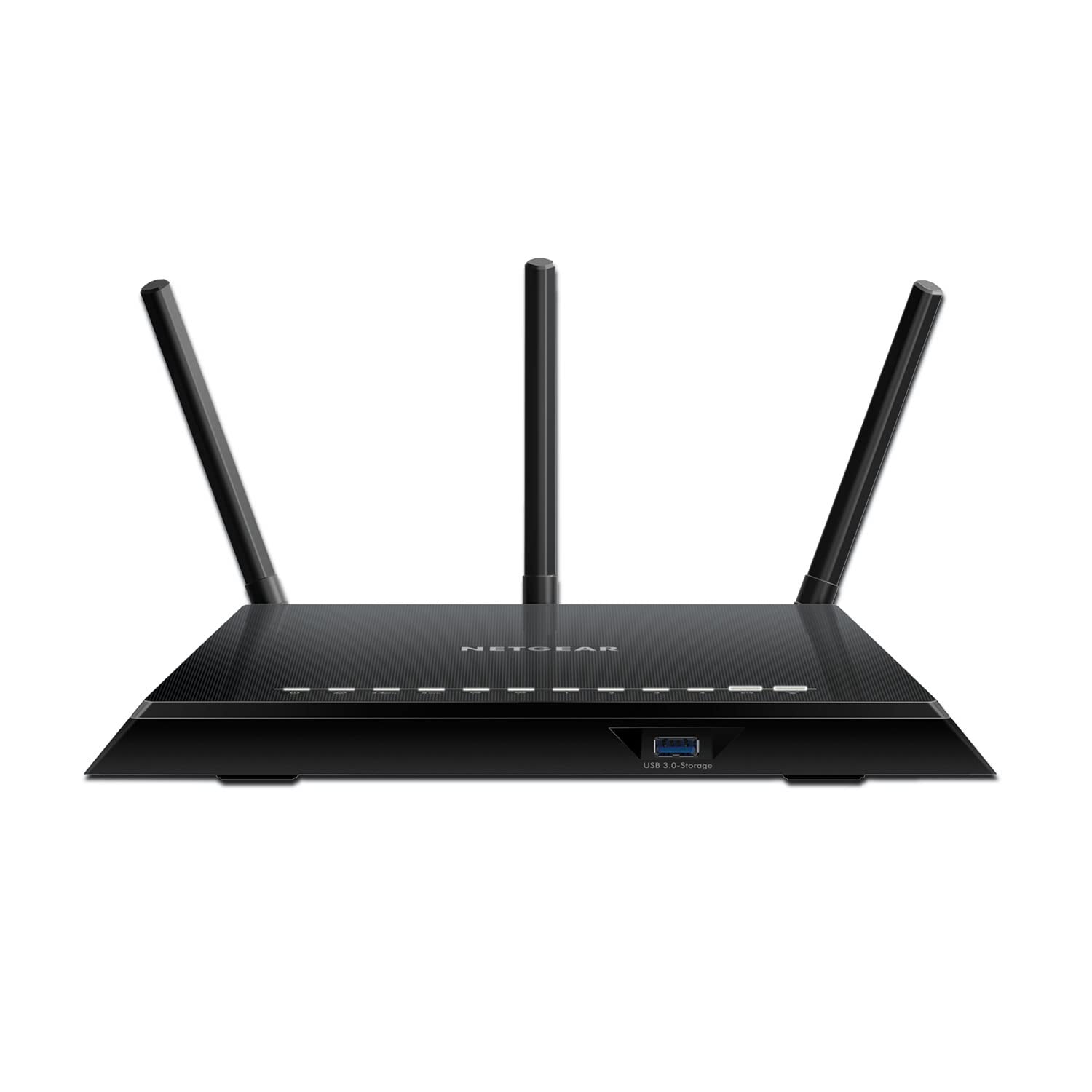


Who Should Buy Which Ac1750 Routers?
For Students and Everyday Users
You need steady browsing, video lectures, music, and casual streaming at a fair price, not extra bands you will never use. Prioritize solid 5 GHz coverage in your room, simple setup through an app, and automatic security updates. A basic AC1750 model covers this workload comfortably when your internet plan sits under about 300 Mbps.
Skip paying extra for gaming menus or many wired ports if everything you own connects wirelessly. Spend the savings on placing the router well, since a clear central spot improves real speed more than a larger headline rating in a small flat.
For Remote Workers and Creators
Your income may depend on video calls staying clear and uploads finishing on time, so reliability matters more than raw peak speed. Look for stable firmware, quality of service controls that can favor your work laptop, and at least two wired ports for a desk connection. A wired link to your main computer removes most call glitches that WiFi alone can cause.
Creators who move large files should also check that the router handles sustained uploads without slowing the rest of the home. If your whole street works online at once, our guide to the best reviewed routers gives wider context on how different classes cope with that load.
For Travelers and Commuters
If you move between rentals, shared houses, or short stays, you need a router that sets up fast and packs away without fuss. Choose a compact model with a clear reset process, a simple app, and settings you can save or rebuild in minutes. Light weight matters less than a power supply that is easy to replace if you leave one behind.
People who split time between two homes often value consistent model choices, because the same menus in both places save troubleshooting time. Keep your network name and password notes somewhere safe so each move starts with a working connection.
Key Features to Compare
Number of Devices and MU MIMO
Count everything that connects, including phones, TVs, speakers, cameras, and smart bulbs, because a busy home can pass forty devices quickly. MU MIMO lets the router talk to several devices at once on the 5 GHz band instead of serving them strictly in turn, which keeps busy evenings smoother. It does not raise your plan speed, but it reduces waiting when many devices ask for data together.
Older AC1750 models may offer a basic form of this feature, so check the specification sheet rather than assuming. In a home with only a handful of devices, placement and plan speed will matter far more than this feature.
Speed Ratings vs Your Internet Plan
AC1750 is a combined rating, usually about 450 Mbps on the 2.4 GHz band plus about 1300 Mbps on the 5 GHz band under ideal lab conditions. Real speeds at your sofa will be lower, often much lower through walls. Match the router to your plan: it suits plans up to a few hundred megabits well, while a gigabit plan deserves a newer and faster class.
Buying far above your plan brings little benefit unless you move large files inside your own home network. If your provider is a cable company, our notes on the best routers for comcast explain modem compatibility points that are worth checking before you order.
Gaming Features (QoS, Low Latency)
For gaming, steady latency matters more than headline speed, because a stable 50 Mbps link plays better than a fast link with spikes. Quality of service settings let you give a console or gaming PC priority when others start large downloads. Some models add a dedicated gaming mode, though a well tuned standard priority rule often does the same job.
The most reliable step is wiring the gaming machine directly to the router, which cuts wireless delay and interference in one move. Place wireless players in the same room as the router when a cable truly cannot reach.
WiFi Standard (WiFi 6, 6E, 7)
AC1750 belongs to the WiFi 5 generation, which still covers everyday browsing, streaming, and calls well in small to medium homes. WiFi 6 adds better handling of many devices, WiFi 6E adds the 6 GHz band for less crowded airspace, and WiFi 7 pushes speeds further for very fast plans. Each step up costs more and only helps if your phones and laptops support it.
Choose AC1750 when your budget is tight and your plan is modest, and step up when you plan to keep the router through several device upgrades. The best wlan routers guide puts these generations side by side in plain terms if you want the broader picture.
Wired Ports (Multi Gig, WAN and LAN)
Most AC1750 models offer one WAN port for the modem and four gigabit LAN ports for wired gear. That layout suits a TV, a desktop, and a console with one spare, but keen users should count carefully before buying. Multi gig ports are rare in this class, so if you need a 2.5 Gbps link for a storage drive, you should shop a newer category.
Wired ports also matter for backhaul if you later add a mesh node, and for a printer or drive shared across the home. A small network switch can add ports later for modest cost, which softens this limit.
Common Mistakes to Avoid When Buying Ac1750 Routers
- Choosing by the biggest number on the box without checking your actual plan speed first.
- Ignoring how many devices your home connects, then blaming the router for busy hour slowdowns.
- Buying a single router for a long or three floor home where one unit cannot cover every room.
- Forgetting to check modem and provider compatibility, especially with cable services.
- Skipping the warranty terms and update policy, which decide how long the router stays secure.
One more quiet mistake is hiding the router inside a cabinet or behind a TV, which weakens the signal before it reaches any room. If your service comes from a cable provider with its own gateway rules, the guide to the best routers for spectrum can help you confirm what you can replace and what must stay.
Care and Maintenance Tips
Place the router centrally and elevated, away from thick walls, metal shelves, and the microwave, and give its vents room to breathe. Update firmware regularly, since updates patch security flaws and often improve stability, and turn on automatic updates when the model offers them.
Change the default admin password to a long unique one, and set a strong WiFi password that you do not reuse elsewhere. Restart the router every few months or when speeds feel odd, and note your settings before any reset so you can rebuild your network quickly.
Frequently Asked Questions
Do I need WiFi 7 yet?
No, most homes do not need WiFi 7 yet. It helps mainly with very fast plans, new devices that support it, and heavy local file transfers. If your plan sits under a few hundred megabits and your devices are a few years old, a good AC1750 or WiFi 6 model will feel just as quick for daily tasks.
Mesh or a single router: which is better?
A single router is better for compact homes where one central unit reaches every room with a strong signal. Mesh suits larger, long, or multi floor homes because extra nodes fill dead zones. Start with one unit, test the far rooms honestly, and add mesh only when you find real gaps rather than buying coverage you may not need.
How often should I replace my router?
Plan on replacing a router about every four to five years, or sooner when security updates stop. New WiFi standards, faster plans, and growing device counts also push the timing. If calls and streams still run well and the maker still issues updates, there is no rush to replace a working unit just because a newer model exists.
Will a new router speed up my internet?
A new router can improve speed only up to the limit of your internet plan. It helps when your old unit is failing, badly placed, or too old for your current plan. Run a wired speed test at the modem first, because if that result is slow, the fault sits with the line or plan rather than the router.
Our Verdict
Focus on three things: coverage that fits your floor plan, a class that matches your plan speed, and traffic controls that suit your busiest hour. For modest plans and smaller homes, the best ac1750 routers still offer honest value, while larger homes and gigabit plans justify a newer standard. Compare your shortlist against the product table above, check port counts once more, and choose the model you will place well and keep updated.


