Best AC Powered Bluetooth Speakers 2026: A Practical Guide
Disclosure: We may earn a commission when you buy through links on this page, at no extra cost to you. As an Amazon Associate I earn from qualifying purchases. Learn more

Compare AC powered Bluetooth speakers for room filling sound without battery worries, covering power, placement, inputs, and simple setup before you decide.
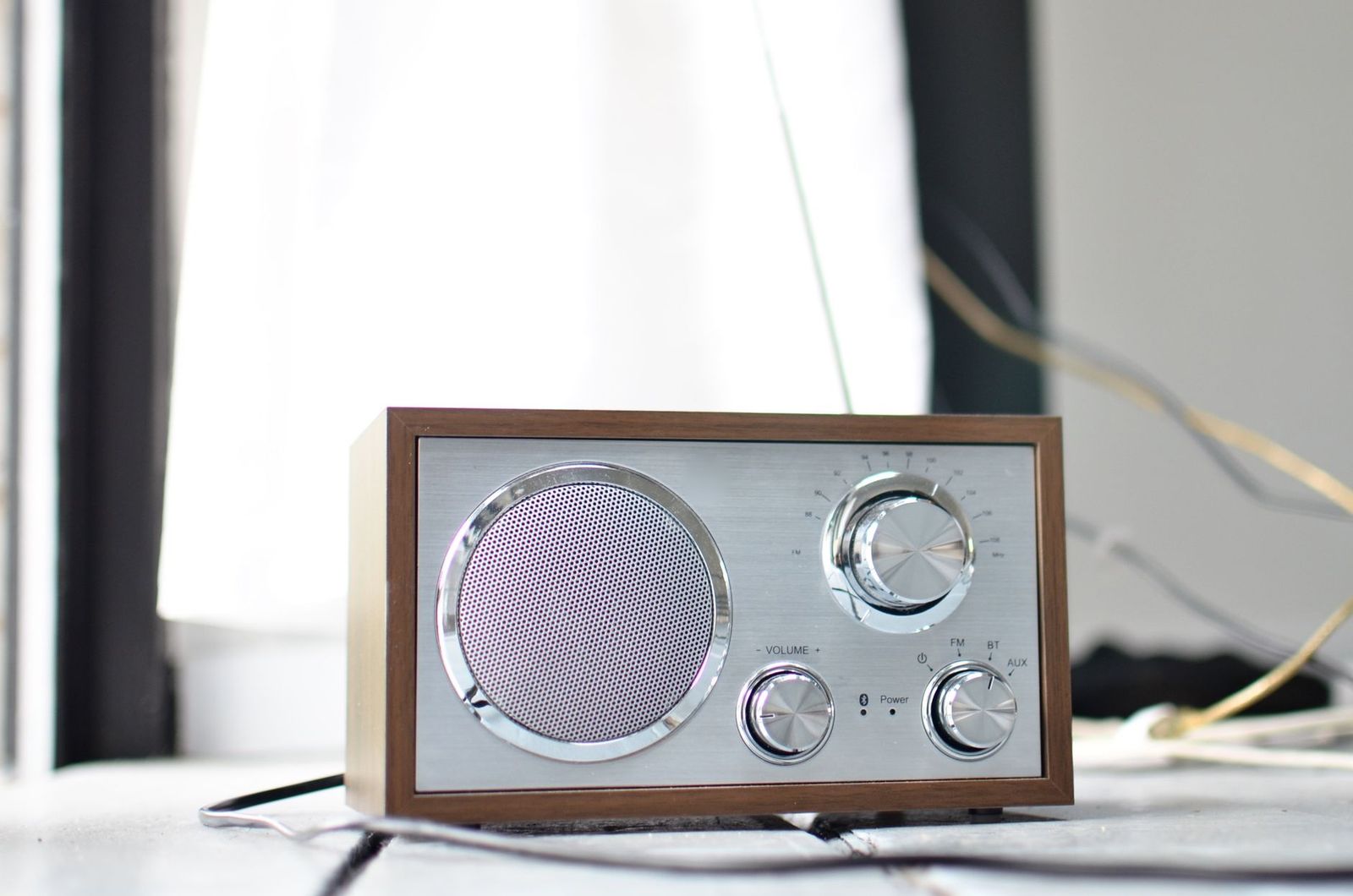
Choosing best ac powered bluetooth speakers suits listeners who want room filling sound without thinking about battery life, because mains power lets the amplifier and drivers work at full strength for as long as you listen. Place the speaker near an outlet, pair your phone or computer once, and enjoy steady sound for films, music, and calls without a charging routine.
The comparison table below gathers the main options, and this guide explains power, driver design, placement, and inputs in plain terms. You will learn when mains power beats battery portability, how to judge sound for your room size, and which extra features actually improve daily listening.


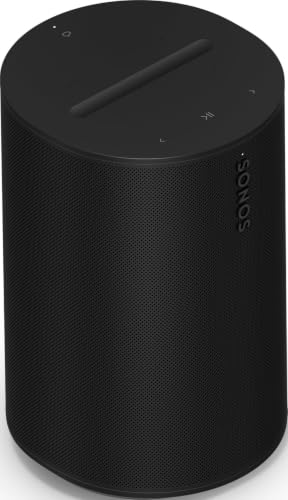
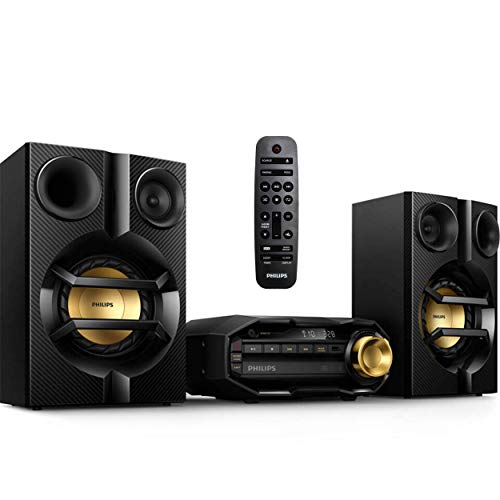


Who Should Buy AC Powered Speakers
AC powered speakers suit home listeners who keep a speaker in one room, such as a living room, bedroom, office, or kitchen, and want it ready whenever they press play. They suit music lovers, film watchers, and remote workers who take calls through a speaker, because mains power removes battery anxiety and supports larger drivers and stronger bass. If you rarely move the speaker, mains power is the simpler and usually better sounding choice.
They do not suit picnics, beach trips, or garden parties far from an outlet, where a battery speaker earns its keep. Some listeners own both: a mains speaker at home for serious listening and a battery speaker for outings. If your listening happens almost entirely indoors near outlets, start with a mains powered model.
Power, Drivers, And Sound Quality
Mains power allows larger amplifiers and drivers, which usually means fuller bass, cleaner loud passages, and less distortion at higher volume than a similarly sized battery speaker. Driver size and cabinet volume shape bass more than wattage numbers alone, so a well designed speaker with a larger cabinet often sounds richer than a small speaker with a big wattage claim. Listen for balanced sound rather than chasing the highest number.
Tonal balance matters most. A good speaker keeps voices natural, instruments separate, and bass firm without booming, even at moderate volume. If you listen mostly to speech, podcasts, and acoustic music, clarity matters more than deep bass. For films and dance music, a speaker with a dedicated woofer or a subwoofer output adds satisfying weight.
Placement And Room Size
Placement shapes sound more than many buyers expect, because a speaker pushed into a corner gains boomy bass, while one pulled into open space sounds thinner. Start with the speaker near a wall but not jammed into a corner, at roughly ear height when seated, and away from objects that block the drivers. Small adjustments of a few centimetres can change bass noticeably, so experiment before you settle.
Match the speaker to the room size. A compact mains speaker fills a bedroom or office well, while a large living room needs a bigger speaker or a pair for even coverage. A stereo pair, where supported, widens the soundstage for music and films, but a single well placed speaker often suits casual listening and calls better. Consider neighbours too, since mains speakers play louder than portable models.
Bluetooth, Inputs, And Controls
Bluetooth version and codec support affect range and sound quality, though the differences matter less than a stable connection and a speaker you enjoy using. Check the range in your home, since walls and interference shorten it, and confirm the speaker reconnects quickly to your usual devices. A speaker that pairs reliably every time beats one with a longer feature list and flaky connections.
Extra inputs add flexibility: a wired auxiliary input suits older devices, a USB input can charge a phone, and some models add optical or HDMI inputs for TV use. Simple controls matter for daily use, especially volume and play controls you can find without looking. An app can add equaliser settings and multiroom features, but only if you actually use it.
Setup, Safety, And Everyday Use
Setup is simple: place the speaker, plug it in, pair your device, and adjust volume and tone to the room. Keep the power cable away from walkways and water, leave ventilation space around the speaker, and avoid placing it where it can fall from a high shelf. If the speaker will live in a kitchen or bathroom, keep it away from splashes unless it carries a suitable water resistance rating.
For everyday use, set a comfortable default volume, learn the mute and pairing controls, and update firmware when the maker offers it. A mains speaker needs no charging routine, but it does draw a small standby current, so switch it off at the outlet during long absences. With those habits, it becomes a reliable part of daily listening.
Related Guides Worth Reading
Read our guide to best powered bluetooth speakers for more detail on that related choice. Read our guide to best battery powered bluetooth speakers for more detail on that related choice. Read our guide to best powered bluetooth bookshelf speakers for more detail on that related choice.
Read our guide to best solar powered bluetooth speakers for more detail on that related choice. Read our guide to best powered speakers for more detail on that related choice.
A Final Check Before You Order
Before you buy, check where the speaker will sit relative to an outlet, and confirm the power cable reaches without crossing a walkway. Test the Bluetooth range from your usual listening spot, since walls and interference shorten it, and confirm the speaker reconnects quickly to your devices. A speaker that pairs reliably every time beats a longer feature list with flaky connections.
After setup, experiment with placement a few centimetres at a time, since a corner boosts bass while open space thins it, and find the spot where voices sound natural. Set a comfortable default volume, learn the mute control, and switch the speaker off at the outlet during long absences to save standby power. With good placement, a mains speaker becomes the easy heart of home listening.
I
f
y
o
u
s
h
a
r
e
a
h
o
m
e
,
a
g
r
e
e
o
n
a
c
o
m
f
o
r
t
a
b
l
e
d
e
f
a
u
l
t
v
o
l
u
m
e
a
n
d
a
s
i
m
p
l
e
r
u
l
e
f
o
r
l
a
t
e
n
i
g
h
t
l
i
s
t
e
n
i
n
g
,
s
i
n
c
e
a
m
a
i
n
s
s
p
e
a
k
e
r
p
l
a
y
s
l
o
u
d
e
r
t
h
a
n
a
p
o
r
t
a
b
l
e
m
o
d
e
l
a
n
d
s
o
u
n
d
t
r
a
v
e
l
s
t
h
r
o
u
g
h
w
a
l
l
s
.
A
r
u
g
,
c
u
r
t
a
i
n
s
,
a
n
d
s
o
f
t
f
u
r
n
i
t
u
r
e
t
a
m
e
r
e
f
l
e
c
t
i
o
n
s
a
n
d
k
e
e
p
t
h
e
s
o
u
n
d
p
l
e
a
s
a
n
t
f
o
r
e
v
e
r
y
o
n
e
,
n
o
t
j
u
s
t
t
h
e
l
i
s
t
e
n
e
r
.
G
o
o
d
n
e
i
g
h
b
o
u
r
s
a
n
d
g
o
o
d
s
o
u
n
d
b
o
t
h
c
o
m
e
f
r
o
m
t
h
e
s
a
m
e
t
h
o
u
g
h
t
f
u
l
n
e
s
s
a
b
o
u
t
v
o
l
u
m
e
a
n
d
p
l
a
c
e
m
e
n
t
.
Frequently Asked Questions
Are AC powered Bluetooth speakers louder than battery ones?
Usually yes, because mains power supports larger amplifiers and drivers that play louder with less distortion. Battery speakers limit power to preserve charge, so they often sound thinner at high volume. For a fixed room, a mains powered speaker generally gives fuller bass and cleaner loud passages, while a battery speaker wins only when you need to carry sound away from an outlet.
Do AC powered speakers work during a power cut?
No, they need mains power, so they stop when the power goes out unless they include a backup battery, which most mains models do not. If power cuts matter to you, keep a small battery speaker or a phone as a backup for calls and news. For normal daily listening, the trade off is worth it, since mains power gives better sound and no charging routine.
Can I use an AC powered speaker with my TV?
Yes, when the speaker offers a suitable input, such as auxiliary, optical, or HDMI, and the TV can send audio to it. Bluetooth from a TV can work too, though it may add a small delay between lips and sound. A wired connection usually gives the most reliable TV sound, so check the inputs on both devices before you buy, and test dialogue clarity at your normal viewing volume.
Where should I place an AC powered speaker?
Start near a wall but not jammed into a corner, at roughly ear height when seated, with drivers facing the listening area and nothing blocking them. Small moves change bass noticeably, so try a few positions and listen for boomy or thin sound. Keep the power cable tidy and away from walkways, and leave ventilation space around the speaker for safe operation.
Do I need a stereo pair or is one speaker enough?
One good speaker suits casual listening, podcasts, calls, and smaller rooms, where simplicity matters more than a wide soundstage. A stereo pair widens music and films noticeably and suits larger rooms and dedicated listening, provided the pair links reliably. If you mainly listen while working or cooking, start with one speaker and add a second later only if the sound feels narrow.
Final Thoughts
Choose a mains powered speaker sized for your room, with drivers and placement that give balanced sound at your normal volume. The product table above compares the main options on power, inputs, and intended use.
With a good position and a stable Bluetooth connection, an AC powered speaker becomes the easy, always ready heart of home listening. Plug it in, pair once, and enjoy full sound without watching a battery gauge. That is how you choose the best ac powered bluetooth speakers for your needs.