Best Abstract Rugs: A First Time Buyer Guide for 2026
Disclosure: We may earn a commission when you buy through links on this page, at no extra cost to you. As an Amazon Associate I earn from qualifying purchases. Learn more

Learn how to choose the best abstract rugs with plain English guidance on materials, pile, size, care, and pattern for your very first purchase.
Buying your first area rug can feel oddly risky. The pattern looks calm on a screen, bold on your floor, and completely different once your sofa and curtains join the picture. This guide walks you through best abstract rugs step by step, starting with plain language basics and ending with a simple decision you can feel good about.
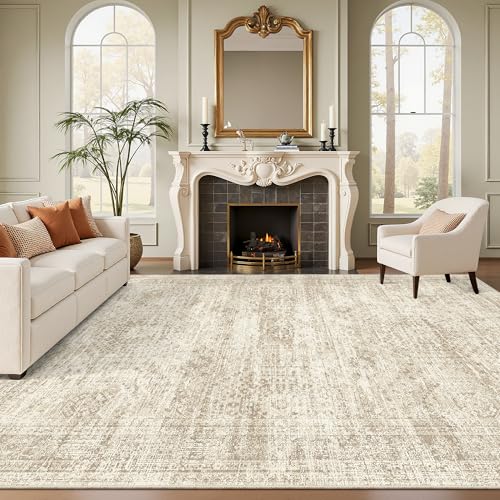
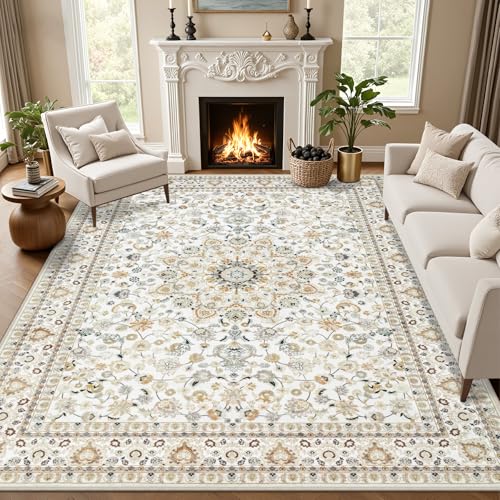
An abstract design gives you freedom that a strict floral or medallion pattern does not. It can pull several room colors together, hide everyday dust between cleanings, and work in living rooms, bedrooms, and home offices alike. Use the comparison table below to scan sizes and materials, then read on to learn what those specs actually mean for your space.



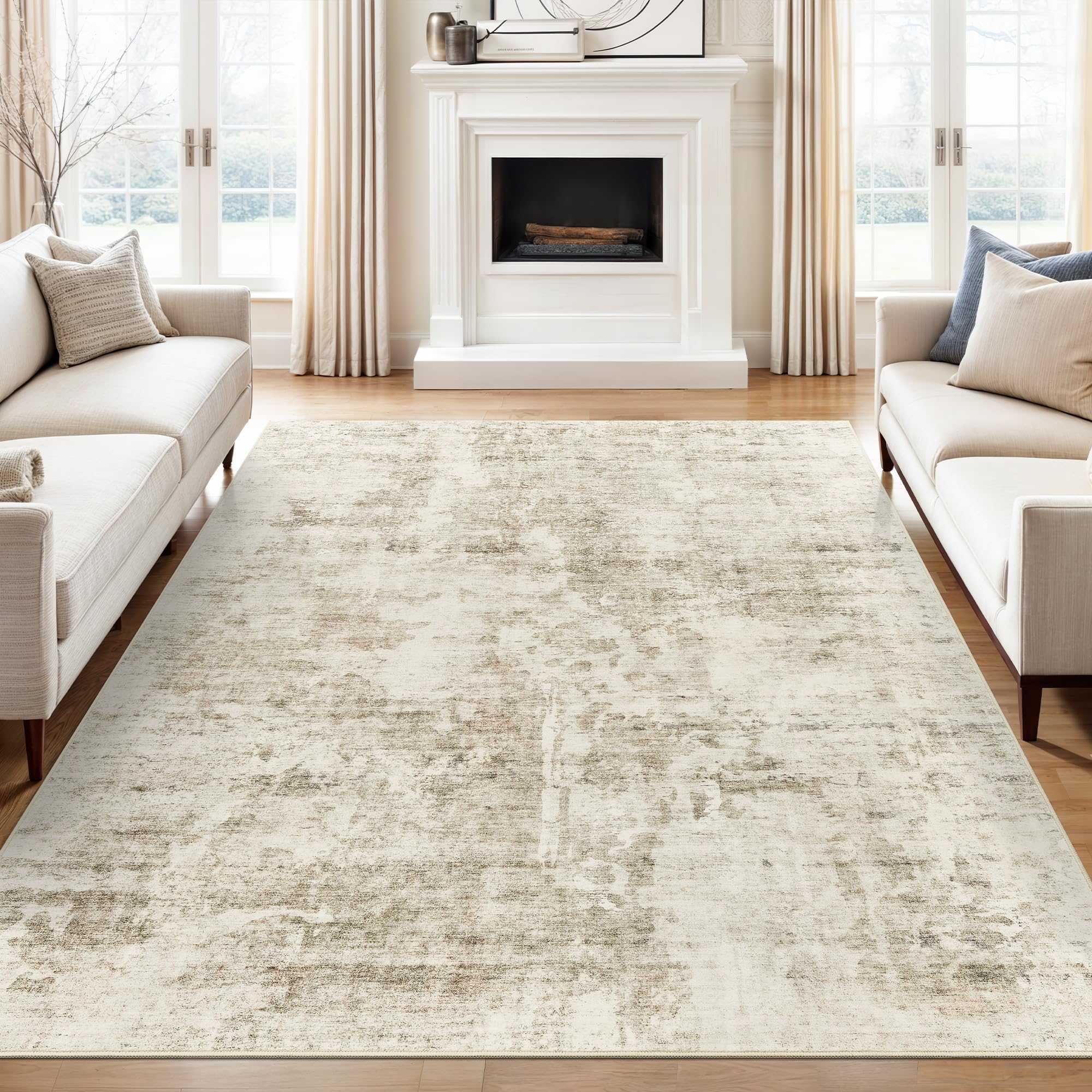


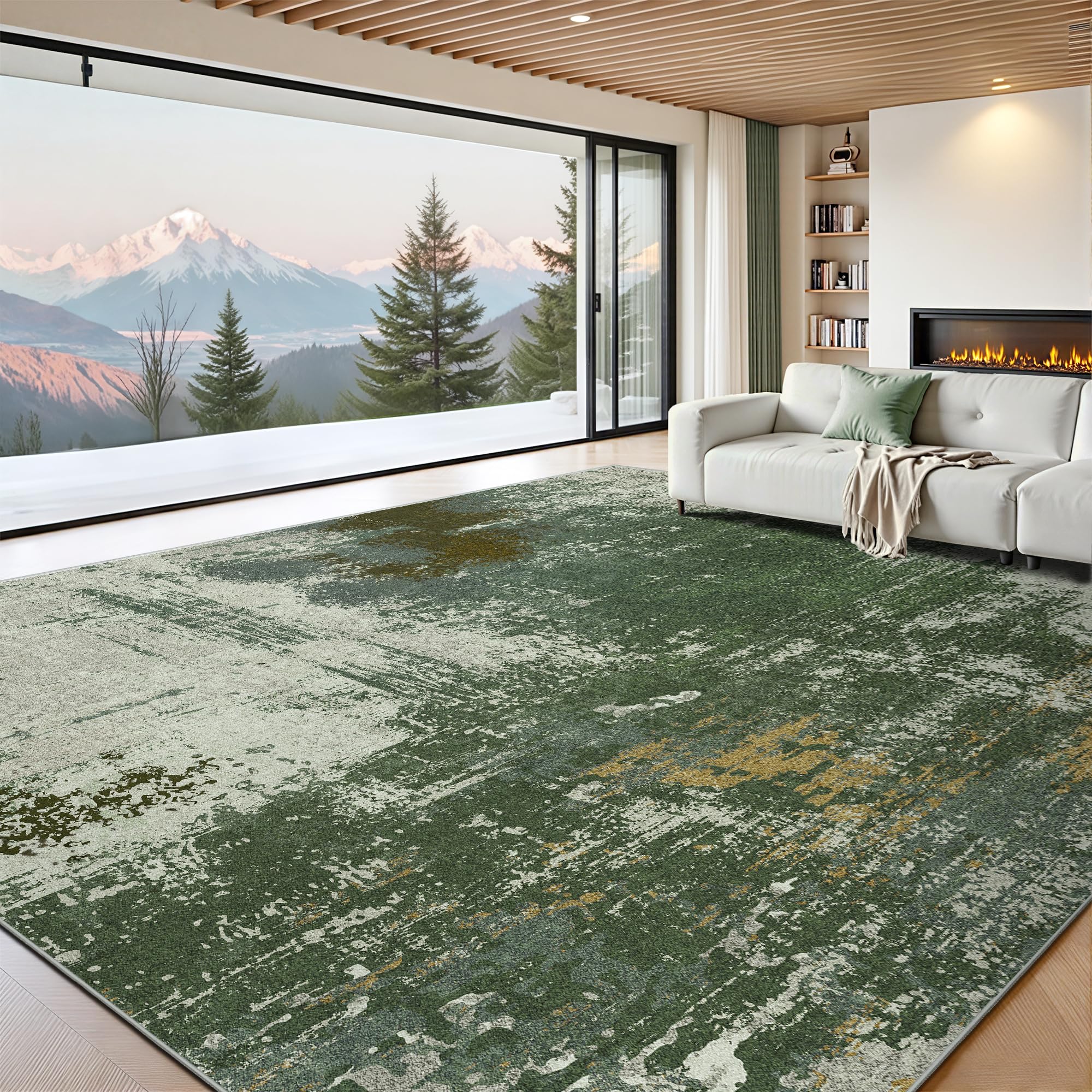

Abstract Rugs 101: The Basics
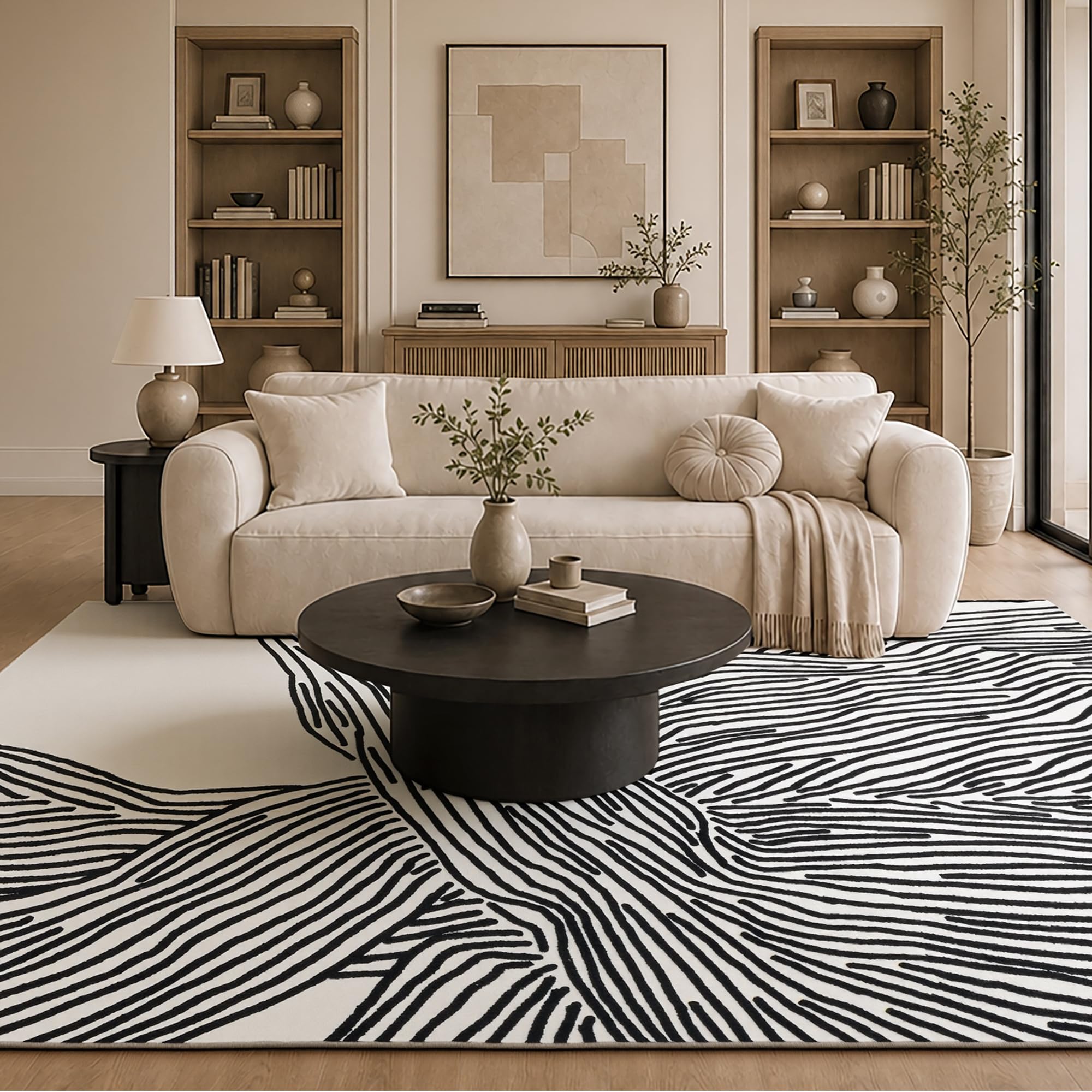
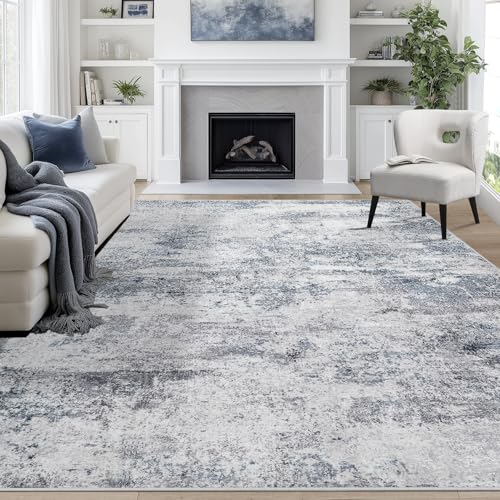
An abstract rug uses shapes, lines, brush strokes, and color fields instead of a literal picture. There is no single scene to match, so the design reads more like art than like a theme. That flexibility is the whole point. One rug might echo the blue of your chairs and the warm gray of your floor without copying either one exactly.
You will see three construction words again and again. Machine made rugs are woven or tufted by equipment, which keeps prices lower and patterns consistent. Hand tufted rugs are made with a handheld tool and usually feel plusher, while hand knotted rugs take the longest to make and often cost the most.
None of these is automatically best. What matters is how the rug will be used, how much foot traffic it gets, and how much care you are willing to give it.
A few terms will help you shop with confidence. Pile means the fibers that stand up from the backing, and pile height is simply how tall they are. Backing is the underside that holds everything together.
A rug pad is a separate layer that goes underneath to stop slipping and to add cushion. Keep those three ideas in mind and the rest of this guide will make sense.
Key Specs Explained in Plain English
Material and Fiber
Wool is the classic rug fiber because it feels soft, resists crushing, and hides soil well, but it usually costs more and needs gentle cleaning. Synthetic fibers such as polypropylene and polyester cost less, shrug off many stains, and suit busy family rooms, though they can feel less rich underfoot. Cotton rugs are light and often washable, yet they slide more easily and wear faster in busy paths.
Jute and other plant fibers add texture and a natural look, but they dislike standing water and can be rough on bare feet. For a first purchase, many buyers start with wool for a main room or a synthetic fiber for a room with kids, pets, or frequent snacks.
Pile Height and Density
Low pile rugs, roughly under a quarter inch tall, let doors swing freely and let chair legs glide, which makes them a smart default for dining rooms and entry areas. Medium pile adds softness for living rooms and bedrooms without trapping as much grit. High pile and shag styles feel luxurious, but they hold crumbs, make vacuuming slower, and can show footprints.
Density matters as much as height. A dense rug has fibers packed close together, so it resists matting and usually lasts longer than a tall but sparse rug. When photos are all you have, read the weight and construction notes, since a heavier rug of the same size often signals denser material.
Durability and Care
Durability starts with where the rug will live. A hallway rug can see hundreds of steps a day, while a bedroom rug may see only bare feet morning and night. Match the fiber and pile to that workload instead of paying for softness you will crush in a month.
Care habits count too. Vacuum slowly with the beater bar raised or turned off on delicate styles, blot spills at once with a clean cloth, and never scrub hard, since scrubbing pushes liquid deeper and frays fibers. If easy upkeep matters most, our guide to the best vacuums for rugs can help you pair the rug with cleaning tools that will not damage the pile.
Color, Pattern, and Room Light
Abstract patterns forgive a lot, but color still sets the mood of the room. A high contrast design with dark and light areas hides crumbs and pet hair better than a flat pale field. A soft blended design calms a busy room full of patterned pillows or artwork. Before you order, look at your room at three times of day.
Morning sun can wash colors out, while evening lamps warm them up. Order a small size or swatch when the seller offers one, lay it beside your sofa fabric, and live with it for a day. Screens shift color, so a real sample is the cheapest insurance a first time buyer can get.
Quality Marks and Safer Materials
Labels cannot tell you whether a rug looks right, but they can tell you something about how it was made. Some rugs carry labels stating they were tested for harmful substances, and some makers describe low odor backing or dyes with fewer harsh chemicals. If strong smells bother your household, plan to air a new rug in a ventilated room before placing furniture on it. Shoppers comparing construction quality across price levels may also find our guide to the best quality rugs useful, since it explains how stitching, edging, and backing separate a rug that lasts from one that curls and sheds within a year.
Size, Shape, and Fit
Size is the decision buyers regret most, usually because the rug is too small. In a living room, at least the front legs of your sofa and chairs should sit on the rug, which anchors the seating as one group. In a dining room, the rug should extend about 24 inches beyond the table on every side so chair legs stay on the rug when pulled out.
Measure your room, then mark the rug outline on the floor with painter tape and live with the outline for an evening. Special layouts need special shapes, so readers planning a staircase may want our guide to the best rugs for stairs, and anyone furnishing a doorway should see our guide to the best entry rugs for slimmer proportions.
Rookie Mistakes to Avoid
- Buying by photo alone. Screen colors vary, so check samples, room light, and the return policy before you commit to a large size.
- Skipping the rug pad. A pad prevents slipping, protects your floor, reduces wear, and makes even a thin rug feel far more comfortable.
- Choosing pile for looks only. Tall plush pile in a dining room traps food and frustrates chair movement, so match pile to the job of the room.
- Forgetting door clearance. Measure the gap under nearby doors, especially in older homes where floors are not perfectly level.
- Ignoring the moisture of the room. Damp spaces need fibers and backing that dry fast, a point covered in our guide to the best rugs for basement rooms and lower levels.
Getting Started: Setup and First Use
When your rug arrives, unroll it in the room where it will live and let it relax for a day. New rugs often curl at the corners, and time plus the weight of a few books usually settles them without any special tools. Vacuum it gently before use to lift loose surface fibers, since some shedding in the first weeks is normal for many materials.
Place the pad first, trimmed about an inch smaller than the rug on every side, then center the rug and walk the edges flat. Rotate the rug by half a turn every few months so sunlight and foot traffic wear it evenly. That one habit does more for the life of a rug than any spray or treatment, and it takes five minutes with a helper.
FAQs
Do abstract rugs hide stains and pet hair well?
Yes, a varied abstract pattern usually hides everyday marks better than a solid color rug. Mixed tones break up the outline of crumbs, hair, and faint spills, so the rug looks tidy between cleanings. Choose colors close to your pet hair shade for the best effect. Hiding soil is not the same as removing it, though, so keep a regular vacuuming routine to stop grit from grinding into the fibers.
How do I wash an abstract rug safely?
Start with the care label, because safe washing depends on fiber and backing. Most rugs do best with vacuuming, prompt blotting, and spot cleaning with a mild solution tested on a hidden corner first. Only machine wash a rug if the label clearly allows it, and use cold water on a gentle cycle. Air dry flat, since heat and hanging can distort the backing and fade the pattern.
What rug size works best in a small living room?
A rug that reaches under the front legs of your main seating usually works best in a small living room. Floating a tiny rug in the center makes the room feel chopped up, while wall to wall coverage can overwhelm it. Leave about 8 to 18 inches of bare floor around the edges as a border. Taping the outline on the floor first lets you test proportions before spending anything.
Is a rug pad really necessary for an abstract rug?
Yes, a rug pad is worth it for almost every abstract rug. It stops sliding on hard floors, which is a real safety issue in homes with kids or older adults who could trip on a moving edge. It also cushions each step, quiets noise, and reduces friction wear on the backing. Felt and rubber blends grip well on wood, while thin rubber pads suit low clearance doors.
How often should I replace my abstract rug?
Replace your rug when the pile stays flat and worn in the main paths, the backing cracks or crumbles, or odors remain after a thorough cleaning. In a quiet bedroom that may take a decade, while a busy entry rug may tire in a few years. Fading alone is not failure if the structure is sound. Rotating the rug and using a pad from day one can add years of useful life.
Our Verdict
For a first purchase, get the boring decisions right and let the pattern be the fun part. Measure carefully, pick a fiber and pile that match the traffic of the room, and budget for a pad. Then choose colors that tie your existing furniture together instead of fighting it. The product table above pulls those choices into one view, and shoppers who start there tend to find their best abstract rugs without the usual cycle of ordering, returning, and starting over.