Best Absorbent Paper Towels: Types Compared and How to Choose in 2026
Disclosure: We may earn a commission when you buy through links on this page, at no extra cost to you. As an Amazon Associate I earn from qualifying purchases. Learn more

Compare the best absorbent paper towels by ply, sheet size and cost per sheet, and match each type to kitchen spills, grease, glass and everyday wiping.
Paper towels look simple, yet a roll that drinks up a coffee spill can shred on a greasy stove top and leave lint all over a mirror. The difference comes down to how the sheet is built, and best absorbent paper towels earn that label through ply, fiber and sheet design rather than through claims printed on the wrap. This guide compares the main types so you can match a roll to the messes you clean most.
The comparison table below sets the types side by side, and the sections after it cover the factors that separate a strong sheet from a weak one. You will also see when a basic roll is enough and when a heavy duty or reusable option earns its place.
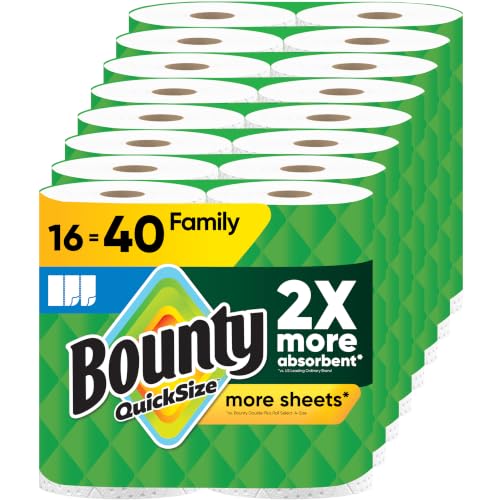
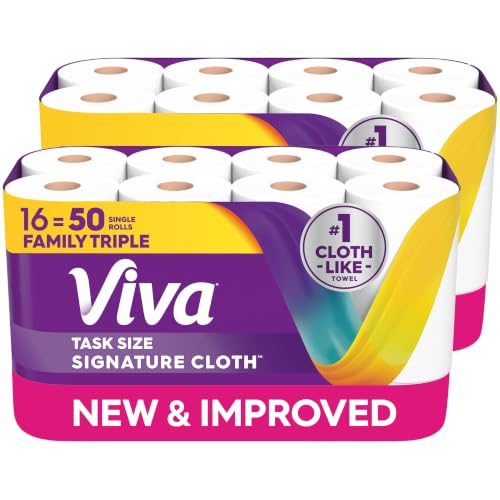
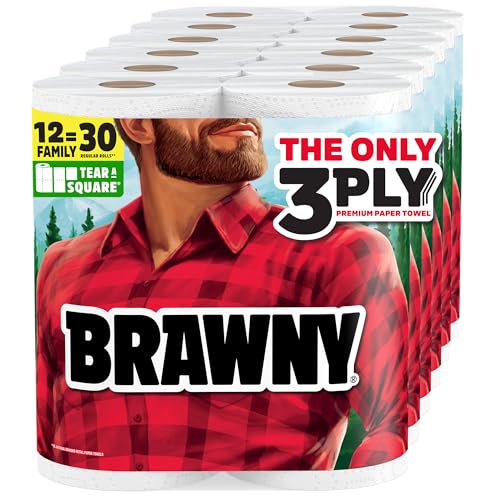
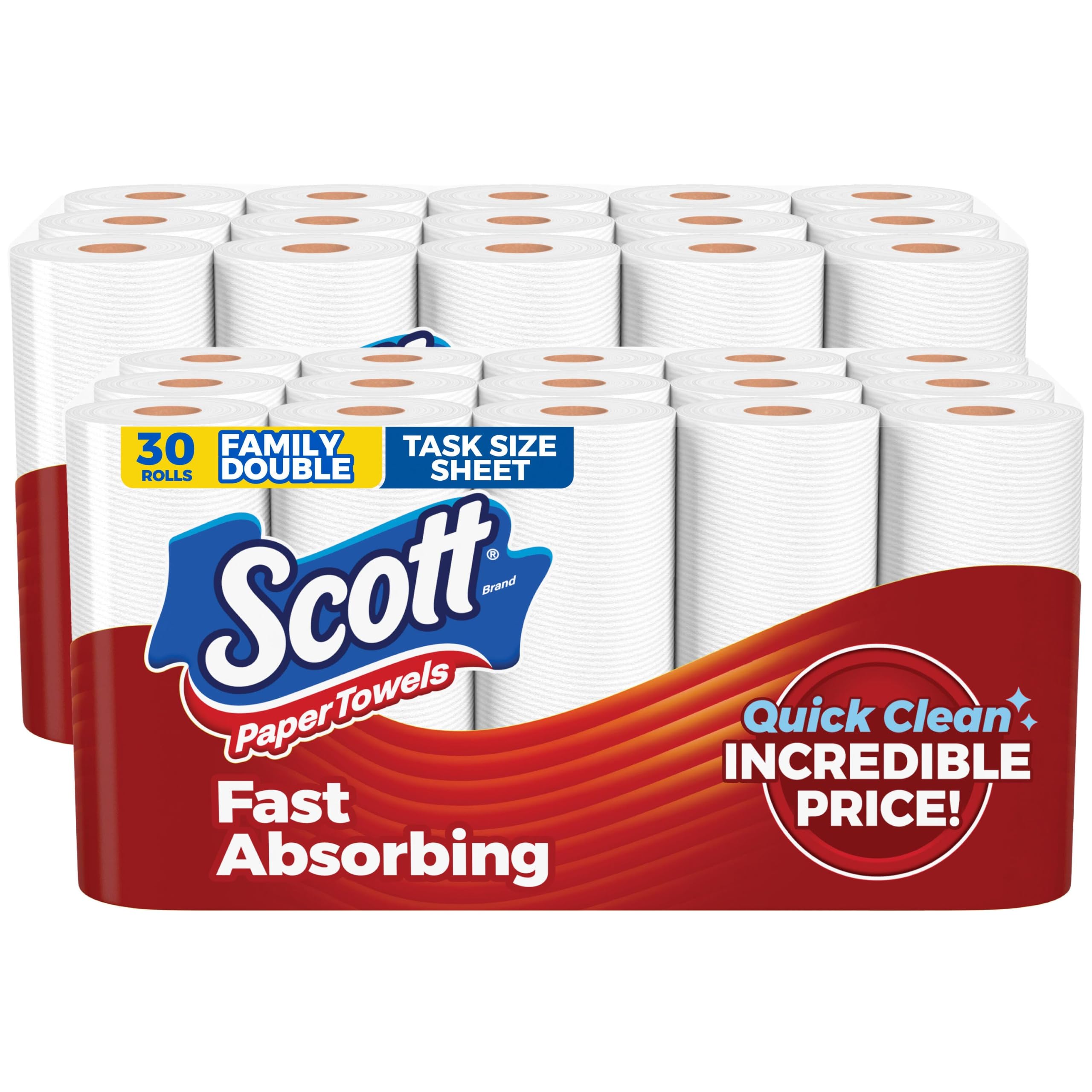


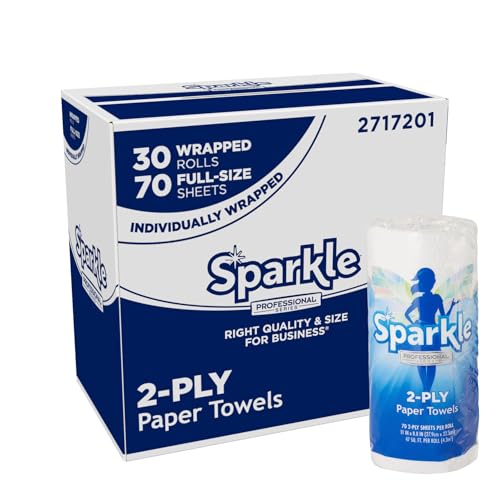
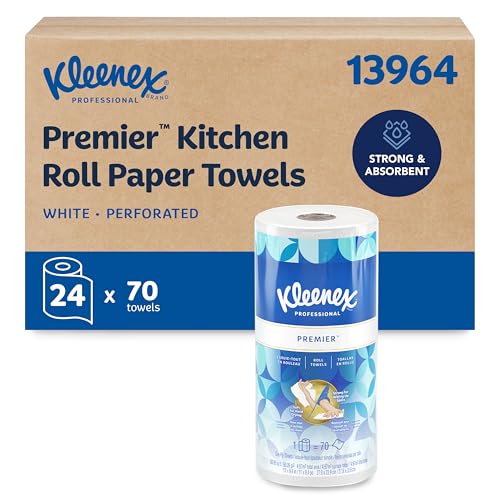
Types of Absorbent Paper Towels Compared
Five roll classes cover nearly every kitchen. Ply does most of the work, so read the table with sheet strength in mind.
| Type | Best For | Pros | Cons | Typical Price |
| Everyday one ply rolls | Light spills and quick wipes | Low cost; tears easily | Tears when soaked | About $1 to $2 per roll |
| Standard two ply rolls | Daily kitchen cleaning | Balanced strength and absorbency | Midrange cost per sheet | About $2 to $3 per roll |
| Heavy duty two ply rolls | Grease and workshop messes | Strong when wet; scrubs well | Bulky; highest paper cost | About $3 to $4 per roll |
| Recycled and unbleached rolls | Cutting virgin fiber use | No dyes or added fragrance | Often thinner and rougher | About $2 to $3 per roll |
| Select a size rolls | Mixed messes | Sheet length matches the mess | Pricier per roll | About $2 to $4 per roll |
Everyday Rolls for Light Spills
One ply and standard two ply rolls cover most daily wiping: water rings, crumbs, small splashes and quick counter passes. They tear easily, cost little and suit homes where messes are light and frequent. Their limit shows on volume, since a thin sheet saturates fast and can shred across a rough surface. If your spills are mostly drinks and crumbs, this class is the sensible default.
Heavy Duty Rolls for Grease and Big Messes
Heavy duty rolls use thicker two ply sheets, stronger fibers and deeper embossing so the sheet holds together while scrubbing. They shine on stove top grease, garage drips and pet accidents, where a standard sheet would need two or three passes. The trade off is price and bulk: rolls cost more per sheet and feel wasteful on a tiny spill. Choose this class when wet strength matters more than volume.
Recycled and Unbleached Eco Options
Eco rolls use recycled fiber, unbleached fiber or both, and skip dyes and added fragrance. Absorbency is usually close to standard rolls, though some recycled sheets feel thinner and tear sooner on sharp edges. They suit households that want to cut virgin fiber use without moving to cloth. Check the wrap for recycled content percentages, since blends vary widely.
Select a Size Rolls
Select a size rolls perforate sheets at shorter lengths, so you tear a half sheet for a small wipe and two sections for a flood. The paper matches the standard or heavy duty grade of the same line, so absorbency per inch is unchanged. The gain is control: fewer full sheets wasted on small jobs lowers cost per clean up. The loss is convenience when every mess is large.
Standard Rolls vs Heavy Duty Rolls: Which Should You Choose?
Capacity and wet strength favor heavy duty sheets, which hold more liquid per sheet and resist tearing on cast iron, stone and grill grates. Cost per sheet favors standard rolls for light work, because one basic sheet finishes a small wipe that never needed muscle.
Waste cuts both ways: a strong sheet used once beats three weak sheets, but a heavy duty sheet spent on a crumb is pure excess. Pick by your dominant mess.
How to Choose the Right Absorbent Paper Towel
Ply and Wet Strength
Ply governs how much a sheet can hold and how it survives scrubbing, so judge it plainly as a sheet strength class. Two ply sheets trap liquid between layers and stay intact on textured counters, while one ply sheets suit dry dusting and quick blots. Wet strength also depends on the resins blended into the fiber, which is why two rolls with the same ply count can behave differently. Shoppers comparing grade labels can read our guide to best quality paper towels for how makers separate premium and value lines.
Sheet Size and Format
Sheet size is the second lever, and it works as a size select class: match the tear length to the mess instead of defaulting to a full sheet. A full sheet runs about 11 inches long, while select a size perforations sit at about half that length, which suits hand drying and small drips. Roll width and sheet count matter too, since a tall mega roll can cost less per sheet than a small roll at a higher shelf price.
Absorbency, Lint and Surface Fit
Absorbency is capacity plus speed: embossed pockets pull liquid in, while a smooth sheet smears it around. Thick drinks and oils need capacity, while window and mirror work needs a low lint sheet that will not shed fibers across glass. Test a new roll on one pane before doing a whole room. Rough stone and cast iron reward tougher sheets, since delicate paper catches and leaves scraps behind.
Cost per Sheet, Not per Roll
Cost only makes sense per sheet, because roll prices hide sheet count, sheet size and ply. Divide the pack price by the total sheet count to compare two rolls honestly, then weigh how many sheets each mess takes. A heavy duty roll at about $3 to $4 per roll can beat a basic roll on grease, because one strong sheet replaces three weak ones. For light daily wiping, the math flips and the basic roll wins.
Eco Options and the Reusable Route
Recycled content and unbleached fiber lower the footprint of a paper habit, but the bigger step is using less paper overall. Keep a cloth towel by the sink for hand drying and save paper for grease and raw meat juices, where single use is the hygienic choice. Our roundup of best absorbent towels covers the cloth side of that split. For a washable paper style option, best bamboo paper towels are a reusable class that survives many washes, though they suit planned cleaning more than sudden spills.
Specialty and Cloth Classes Sit Apart
Two nearby classes deserve a clear boundary. Bath towels belong to a cloth class built for drying skin, so our guide to best absorbent bath towels covers fabric and wash care rather than paper. Studio work is separate again: best paper towels for tattooing serve a studio use class where single use barrier habits matter more than kitchen absorbency. Neither class replaces the rolls compared above.
Common Mistakes to Avoid
- Judging a roll by shelf price alone, which ignores sheet count and size, the numbers that set real cost.
- Reaching for three thin sheets on a grease spill instead of one heavy duty sheet, which triples waste and still smears.
- Wiping glass with a high lint roll, then blaming the cleaner for the fibers left behind.
- Flushing used towels, which do not break apart like bath tissue and can block household plumbing.
- Using scented or printed towels on cutting boards and produce, where fragrance and ink do not belong.
Care and Storage Tips
Paper towels need little care, but storage decides how well they work. Keep rolls in a dry cabinet, since a damp pack stored under the sink loses strength before it is ever torn. Stand the open roll on a holder so the outer sheet stays clean, and keep spare rolls away from stove heat. Tear sheets with dry hands to avoid wasting the first sheet.
Frequently Asked Questions
Are two ply paper towels always more absorbent than one ply paper towels?
Two ply towels are more absorbent in most cases, because the second layer adds capacity and wet strength. The exception is grade: a dense, well embossed one ply sheet can out drink a loose, airy two ply sheet. A quick home check is to weigh a dry sheet, soak it for ten seconds, let it drip briefly, and weigh it again. The gain in weight is a fair home measure of capacity.
How many paper towel sheets does a spilled drink take to clean up?
One full sheet of a standard two ply roll usually handles a single spilled drink on a hard counter. Technique matters as much as paper: drop the sheet flat on the puddle and let it drink for a few seconds instead of rubbing, which only spreads the liquid wider. Sugary drinks need a second pass with a damp sheet, because a dry sheet leaves a sticky film behind.
Can used paper towels be recycled or composted?
Used paper towels cannot go in curbside recycling, because the fibers are too short and too soiled for paper mills. Clean or food soiled unbleached towels can go in many compost programs, where they break down with other kitchen scraps. Towels soaked in chemical cleaners, paint or oil belong in the trash instead, since those loads can harm a compost pile.
Do select a size paper towels really save money?
Select a size rolls save money when most of your messes are small, because you stop tearing full sheets for hand drying and drip catching. Track one week honestly: count how many torn pieces were half size jobs, and compare that count with the price gap per sheet. Households that cook big, greasy meals daily may see no saving, since nearly every tear becomes two sections anyway.
Are paper towels a good choice for cleaning glass and mirrors?
Paper towels can clean glass well if the roll is low lint and the sheet stays dry. A damp sheet smears and sheds, so buff with a fresh dry sheet after the first wet pass, and wipe in a slow S pattern rather than circles to avoid chasing streaks. For frequent glass work, a smooth weave cloth leaves less fiber behind than any paper option.
Final Thoughts
The right roll is the one whose ply, sheet size and cost per sheet match your real messes. Light kitchens do well with a standard two ply roll, heavy cooking justifies heavy duty sheets, and eco or reusable classes trim waste where paper is not essential. Revisit the product table above, choose best absorbent paper towels by type rather than by shelf claims, and let cost per sheet settle close calls.