Best Above Ground Planters 2026: A Practical Buying Guide
Disclosure: We may earn a commission when you buy through links on this page, at no extra cost to you. As an Amazon Associate I earn from qualifying purchases. Learn more

Learn how to choose above ground planters for patios and gardens, from materials and drainage to size, soil depth, and easy care before you decide.
Choosing best above ground planters is a practical way to garden without digging, because raised containers bring planting to a comfortable height, warm up faster in spring, and suit patios, balconies, and small yards where ground beds are not possible. Pick the size, material, and drainage for the plants you want to grow, and the container does much of the work for you.
The comparison table below gathers the main planter styles, and this guide explains materials, drainage, soil depth, and placement. You will learn how to match a planter to herbs, vegetables, flowers, or shrubs, and how to avoid the soggy soil and cramped roots that cause most container failures.



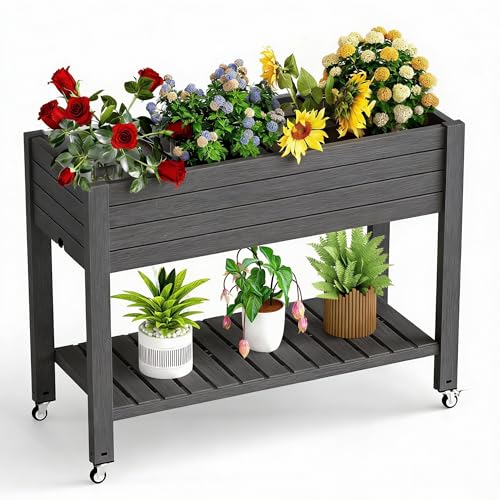

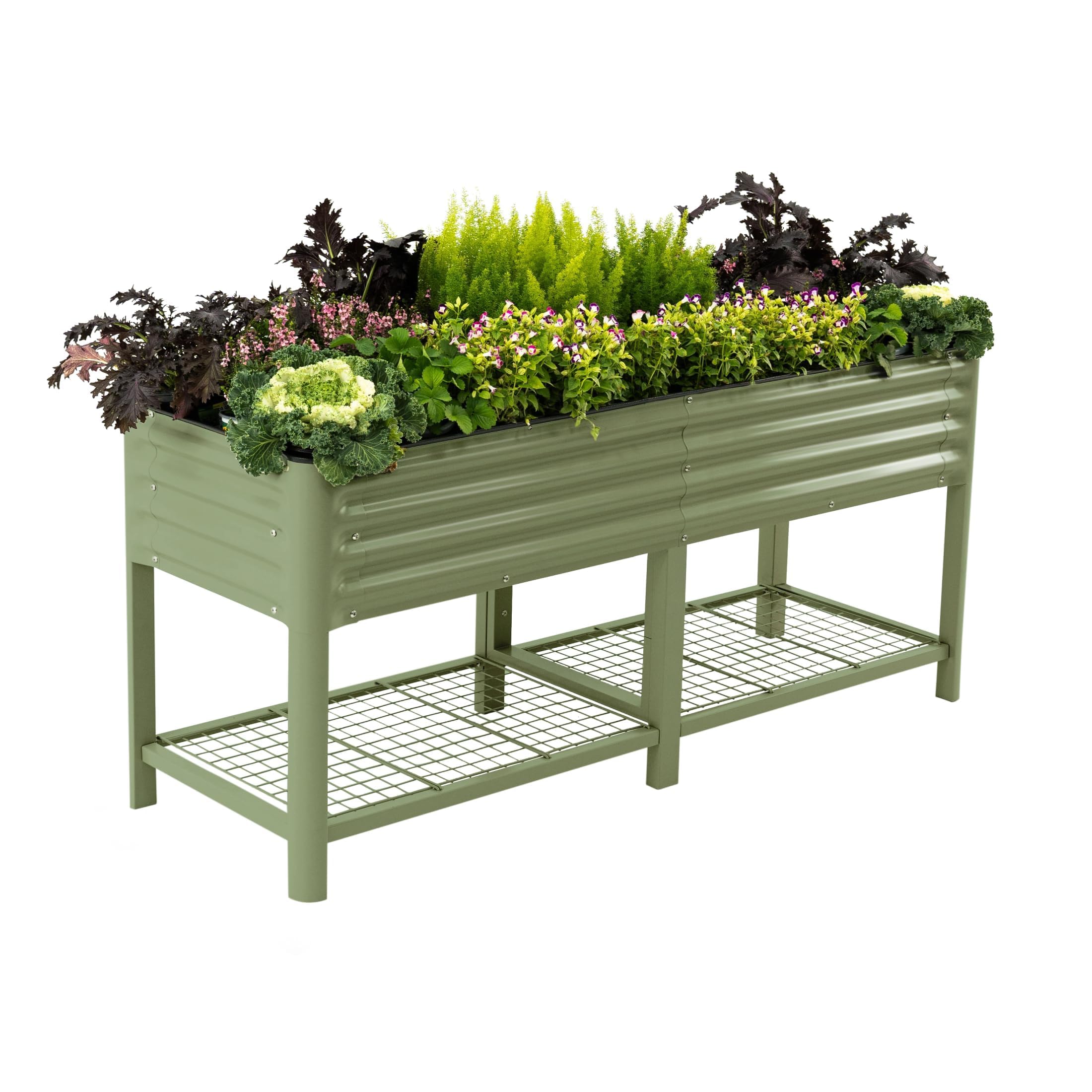
Who Should Buy Above Ground Planters
Above ground planters suit anyone with limited ground space, poor soil, or difficulty bending and kneeling, because they raise planting to waist or knee height. Balcony gardeners, patio owners, renters, and older gardeners all benefit, since containers move with you and need no digging. They also suit gardeners who want to control soil quality precisely, such as for herbs or acid loving plants.
They suit small scale growing best. A few planters can supply herbs, salads, and flowers generously, but feeding a family entirely from containers needs many large planters and regular watering. Start with two or three planters, learn how they behave in your sun and wind, and expand once you know what grows well.
Materials And Durability
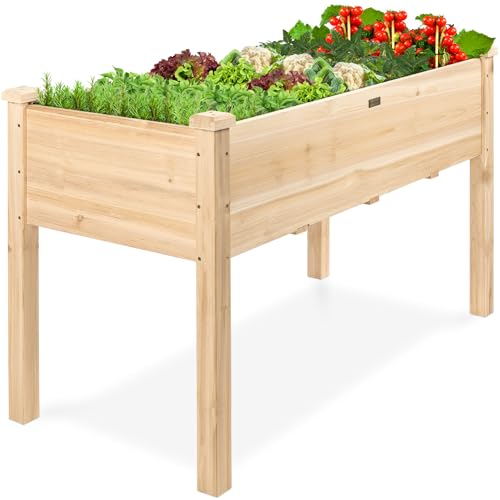
Wood planters look natural, insulate roots well, and suit patios and cottage gardens, but untreated wood rots within a few seasons unless lined and raised off the ground. Cedar and other naturally durable woods last longer, while lined softwood offers a cheaper start. Check that joints feel solid and the base drains freely, since a planter that holds water rots from the inside.
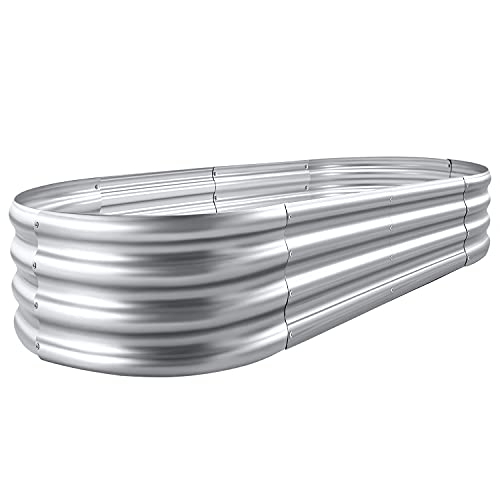
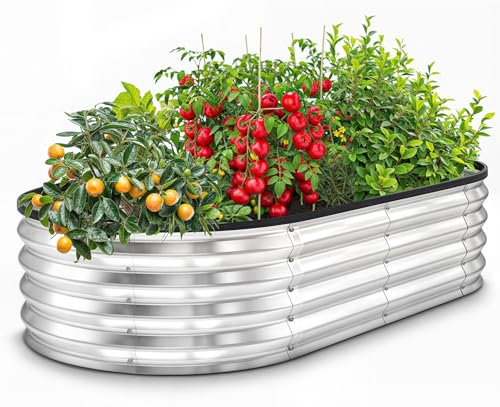
Metal planters look modern and last well, but they heat up in strong sun and can cook roots in hot climates, so they suit cooler spots or need insulation. Plastic and resin planters cost less, resist rot, and come in many styles, though cheap thin models crack in frost and fade in sun. Stone and concrete planters last decades but weigh a great deal, so place them once and be sure of the spot.
Drainage And Soil Depth
Drainage decides container success more than any other factor, because roots sitting in water rot quickly. Every planter needs drainage holes, and the base should sit slightly raised so water escapes freely rather than pooling underneath. A layer of coarse material at the base helps drainage, but it does not replace holes, and it reduces soil depth, so use it sparingly.
Soil depth must match the plants. Herbs and salads grow in 20 to 30 centimetres of soil, while tomatoes, shrubs, and deep rooted vegetables need 40 centimetres or more. Shallow planters dry out fast and limit roots, so choose depth for the largest plant you plan to grow, not the smallest. Fill with a good container mix rather than garden soil, which compacts and drains poorly in pots.
Placement, Sun, And Watering
Place planters where they receive the sun their plants need, and remember that containers dry out faster than ground beds, especially in wind and heat. A south facing patio may need daily watering in summer, while a shaded balcony needs far less. Group planters together to reduce wind drying and make watering easier, and keep them near a water source if possible.
Weight matters once planters fill with wet soil, so check balcony load limits and deck strength before placing very large containers. Put planters on feet or a tray to protect surfaces and allow drainage, and rotate them occasionally so plants grow evenly. A simple watering routine, checking soil moisture with a finger before watering, prevents both drought and overwatering.
Seasonal Care And Longevity
At season end, remove spent plants, refresh the top soil, and clean the planter to reduce disease carryover. Wood planters benefit from a liner check and a fresh coat of safe exterior finish, while metal planters need rust checks at joints. In frost prone areas, raise planters off the ground, wrap tender pots, or move smaller containers to shelter, since frozen wet soil can crack rigid planters.
Perennial shrubs in planters need feeding and occasional repotting, because container soil exhausts faster than garden soil. Top dress each spring with fresh compost, feed during growth, and watch for roots circling the base, which signals a larger planter is due. With basic care, a good planter lasts many seasons and rewards you with fresh herbs, flowers, and vegetables close to the kitchen door.
A Final Check Before You Order
Before you buy, check the sun and wind where the planter will sit, and confirm that a filled planter will not overload a balcony or deck. Soil gets very heavy when wet, so a large planter placed without thought can strain a structure or damage a surface. Put planters on feet or trays to protect surfaces and allow drainage, and keep them near a water source to make daily watering easy in summer.
Once planted, check soil moisture with a finger before watering, since containers dry faster than ground beds but also rot roots when kept soggy. Refresh the top soil each season, feed during growth, and watch for roots circling the base, which signals a larger planter is due. With those habits, even a small patio can supply herbs, salads, and flowers all season.
For winter, raise planters off cold ground, wrap tender pots in frost prone areas, or move smaller containers to shelter, since frozen wet soil can crack rigid planters. Clean the planter at season end to reduce disease carryover, check wood liners and metal joints for wear, and store spare soil dry. A little seasonal care keeps planters productive for many years.
M
u
l
c
h
t
h
e
s
u
r
f
a
c
e
o
f
e
a
c
h
p
l
a
n
t
e
r
w
i
t
h
a
t
h
i
n
l
a
y
e
r
o
f
c
o
m
p
o
s
t
o
r
b
a
r
k
,
s
i
n
c
e
m
u
l
c
h
s
l
o
w
s
e
v
a
p
o
r
a
t
i
o
n
,
k
e
e
p
s
s
o
i
l
t
e
m
p
e
r
a
t
u
r
e
s
t
e
a
d
i
e
r
,
a
n
d
r
e
d
u
c
e
s
w
e
e
d
s
t
h
a
t
c
o
m
p
e
t
e
w
i
t
h
y
o
u
r
p
l
a
n
t
s
.
W
a
t
e
r
i
n
t
h
e
m
o
r
n
i
n
g
w
h
e
r
e
p
o
s
s
i
b
l
e
,
s
o
l
e
a
v
e
s
d
r
y
b
e
f
o
r
e
e
v
e
n
i
n
g
a
n
d
f
u
n
g
a
l
p
r
o
b
l
e
m
s
s
t
a
y
l
o
w
,
a
n
d
c
h
e
c
k
d
r
a
i
n
a
g
e
h
o
l
e
s
e
a
c
h
s
p
r
i
n
g
f
o
r
b
l
o
c
k
a
g
e
s
f
r
o
m
r
o
o
t
s
o
r
s
o
i
l
.
T
h
o
s
e
s
m
a
l
l
r
o
u
t
i
n
e
s
m
a
k
e
t
h
e
d
i
f
f
e
r
e
n
c
e
b
e
t
w
e
e
n
p
l
a
n
t
e
r
s
t
h
a
t
t
h
r
i
v
e
a
n
d
o
n
e
s
t
h
a
t
s
t
r
u
g
g
l
e
.
Frequently Asked Questions
How deep should an above ground planter be?
Depth depends on the plants, with herbs and salads thriving in 20 to 30 centimetres of soil and tomatoes, shrubs, and deep rooted vegetables needing 40 centimetres or more. Shallow planters dry out faster and restrict roots, so choose depth for your largest planned plant. If you mix plants, give the deepest rooted one the deciding vote, and use a quality container mix that drains well.
Do above ground planters need drainage holes?
Yes, every planter needs drainage holes, because roots sitting in standing water rot quickly and most container failures trace back to poor drainage. Raise the planter slightly so water escapes freely, and avoid saucers that stay full for days. A thin layer of coarse material at the base can help, but it never replaces proper holes in the base itself.
What material lasts longest outdoors?
Stone and concrete last longest, often for decades, but they are heavy and hard to move. Naturally durable woods like cedar last well with a liner and feet, while quality resin resists rot and frost better than cheap thin plastic. Metal lasts well too, though it heats up in strong sun, so match the material to your climate, your ability to move the planter, and the look you want.
How often should I water container planters?
Check soil moisture with a finger before watering, and water when the top few centimetres feel dry, which may mean daily in hot wind and only weekly in cool shade. Containers dry faster than ground beds, so group planters to reduce wind drying and mulch the surface to slow evaporation. Water thoroughly until it drains from the base, rather than giving frequent shallow sips that leave deep roots dry.
Can I grow vegetables in above ground planters?
Yes, many vegetables grow well in planters, including salads, herbs, tomatoes, peppers, and beans, provided the planter is deep enough and receives enough sun. Choose compact varieties for smaller containers, feed regularly since container soil exhausts faster, and water consistently to avoid splitting fruit and bitter leaves. Start with a few reliable crops, learn your sun and watering rhythm, and expand from there.
Final Thoughts
Choose a planter deep enough for your plants, with real drainage holes, a durable material for your climate, and a sunny spot you can water easily. The product table above gathers the main styles so you can compare them side by side.
With good soil, sensible watering, and basic seasonal care, best above ground planters turn a patio or balcony into a productive garden. Start small, learn what thrives, and expand as your confidence grows.