Best Above Ground Hot Tubs 2026: Heating and Care
Disclosure: We may earn a commission when you buy through links on this page, at no extra cost to you. As an Amazon Associate I earn from qualifying purchases. Learn more
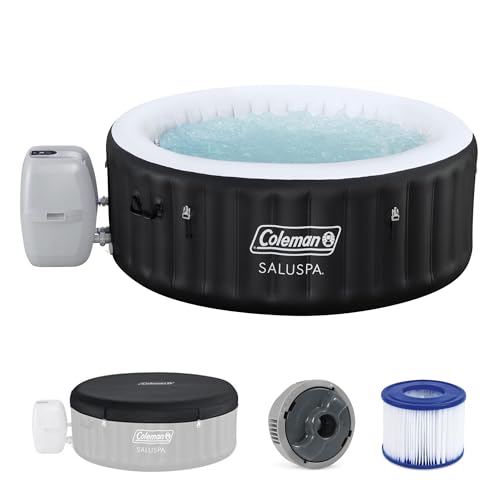
An above ground hot tub needs a solid base, efficient heating and simple water care. Learn what to check before you buy and install one. Read before you buy.
An above ground hot tub offers warm water relaxation without excavation, but the base, heating, and water care decide whether it stays enjoyable. The best above ground hot tubs are the ones that sit on a level, well drained base, heat efficiently, and keep water care simple enough to repeat weekly. A tub bought on jet count alone often disappoints when running costs and maintenance appear.
The comparison table below shows the main options side by side. This guide covers placement, structure, heating and energy, jets and seating, water care, and safety, so the tub fits the garden and the budget.
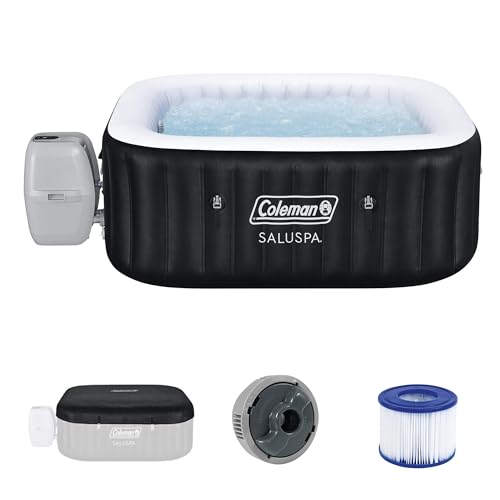


Placement, Base and Access
Choose a level spot with good drainage, easy access for delivery, and room around the tub for maintenance. A concrete pad, reinforced deck, or compacted gravel base spreads the considerable weight of water plus bathers. A soft or uneven base can shift, strain the shell, and void warranty terms, so base preparation is not a corner to cut.
Think about privacy, wind, and distance from the house. A sheltered spot stays warmer and uses less energy, while a spot too far from power and water makes filling and heating awkward. Leave access to the equipment panel, since pumps and heaters need occasional service.
Buyers comparing outdoor placement in more detail can see best outdoor hot tubs, which covers shelter, wind, and drainage for garden settings.
Budget focused shoppers should read best inexpensive hot tubs, since it separates genuine savings from false economy in insulation and covers.
Structure: Inflatable, Portable and Rigid Shells
Inflatable tubs cost less and install quickly, but they insulate less well and may feel less sturdy. Portable rigid tubs offer better insulation and seating shape at a higher price, while fully rigid shells last longest and hold heat best. The right structure depends on budget, expected use, and whether the tub will stay in place year round.
Check shell thickness, frame support, and cover quality rather than jet count alone. A well insulated tub with a tight fitting cover costs less to run and stays ready to use, while a poorly insulated tub can become expensive and lukewarm in cold weather.
Heating, Energy and Running Costs
Heating is the main running cost, and insulation plus a good cover matter more than heater size alone. A tub that holds heat between uses costs less than one that cools quickly and must reheat fully each time. In cold climates, full foam insulation and a lockable thermal cover pay back over time.
Estimate electricity use honestly, including pump circulation and filtration, not just heating. A timer or smart control that heats before planned use, rather than holding maximum temperature all week, can cut costs. Check the power supply requirements too, since some tubs need a dedicated circuit installed by a qualified electrician.
Jets, Seating and Comfort
Jet count is a poor quality measure on its own. Jet placement, adjustability, and pump power decide whether hydrotherapy feels pleasant or merely bubbly. Sit in the tub dry, if possible, and check seat depth, legroom, and whether the shape suits the people who will use it most.
Consider entry steps, handrails, and cover lifters, which make daily use easier and safer, especially for older users. A tub that is awkward to enter or cover will be used less, however good its jets are. Comfort is a whole tub quality, not a jet number.
Water Care and Safety Basics
Water care needs regular testing, sanitiser, pH balance, and filter cleaning. A simple routine done weekly beats a complex routine done rarely. Keep test strips or a test kit handy, follow the sanitiser instructions, and shower before use to reduce oils and lotions that cloud water.
Safety basics include a lockable cover, supervision of children, and sensible soak times, especially in hot water. People with heart conditions, high blood pressure, or who are pregnant should talk with their clinician before using a hot tub. Never use a hot tub alone when feeling unwell, and keep electrical devices away from the water.
Related Guides Worth Reading
Readers comparing options may also find best jacuzzi hot tubs useful, since it covers a closely related choice in the same category.
A Closer Look Before You Order
Before ordering, confirm the practical requirements that are easy to overlook: a suitable power supply installed by a qualified electrician, a water source for filling, drainage for emptying, and delivery access wide enough for the tub. Each item can delay installation or add cost if discovered late.
Also estimate the full first year cost, including electricity, chemicals, filters, and a cover lifter if needed. A tub that is cheap to buy but expensive to heat and maintain can become a burden, while a well insulated tub with a good cover stays affordable to run and inviting to use.
Finally, agree household rules early: who tests water, who cleans filters, and how children are supervised. A simple shared routine keeps water safe and the tub ready, while unclear responsibility leads to neglected water and a tub that sits unused. Clear rules protect both enjoyment and safety.
Mistakes That Spoil Hot Tub Ownership
One common mistake is skipping base preparation. A soft or uneven base shifts under the weight of water and bathers, strains the shell, and can void warranty terms. A level, well drained, load bearing base is not optional, and it should be ready before delivery day.
Another mistake is judging a tub by jet count alone. Jet placement, adjustability, and pump power decide comfort far more than the number printed on the box, while insulation and cover quality decide running costs. A tub with fewer well placed jets and good insulation is usually the better buy.
A third mistake is neglecting water care until problems appear. Cloudy water, imbalance, and neglected filters turn a relaxing tub into a chore and can damage equipment. A simple weekly routine, done consistently, keeps water safe and inviting with little effort.
Finally, many buyers underestimate running costs and power needs. Heating, pumps, and filtration add up, and some tubs need a dedicated circuit installed by a qualified electrician. Estimating first year costs honestly prevents a cheap tub from becoming an expensive burden.
Choosing With Confidence
A final practical test is to sit in the tub, dry, with the people who will use it most, and check seat depth, legroom, entry steps, and cover handling. A tub that looks generous in a brochure can feel cramped or awkward in person, especially for taller users or older guests. Comfort in the shell matters more than any jet count or colour option.
Also confirm the full installation plan in writing: base requirements, power supply, water source, drainage, and delivery access. A written plan prevents surprises on delivery day, when a missing power circuit or a blocked access route can delay enjoyment by weeks and add unexpected cost.
Frequently Asked Questions
What base does an above ground hot tub need?
A level, well drained, load bearing base such as a concrete pad, reinforced deck, or compacted gravel is needed. The filled weight of water plus bathers is considerable, so a soft or uneven base can shift and strain the shell. Check the maker base requirements and warranty terms before delivery.
How much does it cost to run a hot tub?
Running cost depends on insulation, cover quality, climate, temperature setting, and use frequency. A well insulated tub with a tight cover costs far less than a poorly insulated one. Estimate electricity use including pumps and filtration, and use a timer to heat before planned use rather than all week.
Inflatable or rigid: which is better?
Inflatable tubs are cheaper and quicker to set up, but insulate less well and feel less sturdy. Rigid tubs cost more, insulate better, and last longer. Choose inflatable for seasonal or trial use, and rigid for year round use where running costs and durability matter most.
How often should hot tub water be changed?
With regular testing, sanitiser, and filter cleaning, water typically lasts a few months, depending on use. Heavy use, cloudy water that will not clear, or persistent chemical imbalance are signs to change it sooner. Follow the maker guidance for the specific tub and sanitiser system.
Is a hot tub safe for everyone?
Most healthy adults can enjoy a hot tub with sensible soak times and a lockable cover, plus supervision for children. People with heart conditions, high blood pressure, or who are pregnant should talk with their clinician first. Keep soak times moderate, stay hydrated, and leave the water if feeling dizzy or unwell.
Final Thoughts
A good above ground tub starts with a solid base, holds heat well, and keeps water care simple. Insulation, cover quality, and seating comfort matter more than jet count or headline price. The product table above can help compare the main options side by side.
For most gardens, the best above ground hot tubs are the ones that stay warm affordably, are easy to enter and cover, and fit a weekly care routine that actually gets done. Plan the base and power supply first, and the tub will reward the effort for years.