Best 9 Speed Hand Mixers (2026): Buying Guide and Top Options
Disclosure: We may earn a commission when you buy through links on this page, at no extra cost to you. As an Amazon Associate I earn from qualifying purchases. Learn more

A practical guide to the best 9 speed hand mixer: sizes, features, budget ranges, and mistakes to avoid before you buy.
Sunday baking in a small kitchen rarely goes to plan. Flour needs folding without a cloud over the counter, cream needs a gentle start and then real lift, and a thick batter needs power without jerking the bowl. That range is exactly why the best 9 speed hand mixer appeals to home bakers who want control at both ends. This guide helps you choose by counter space, household size, and budget, and the comparison table below sums up the main types at a glance.
If you are still weighing nine speeds against fewer, our broader guide to the best hand mixer covers the wider field.


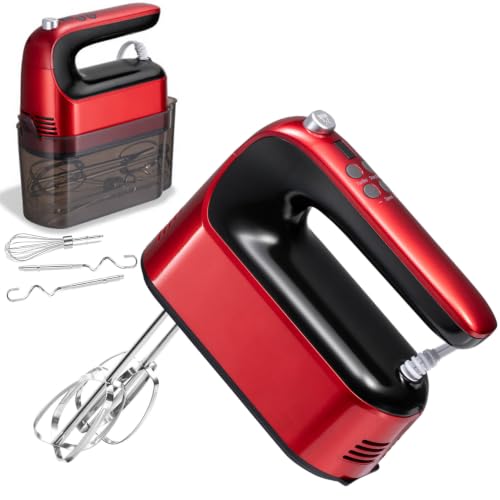

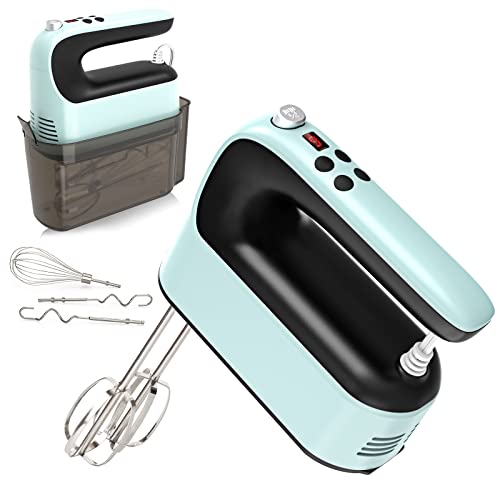
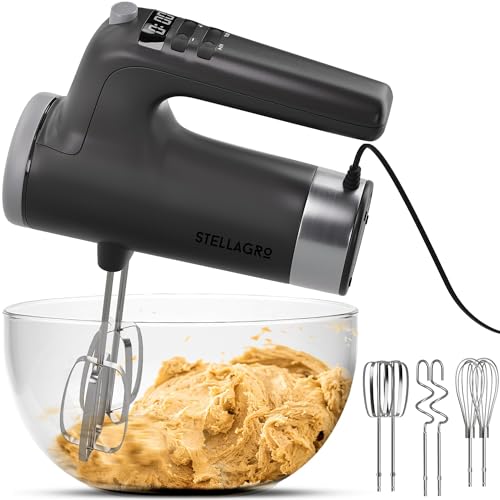
Quick Answer: Three Types Worth Considering
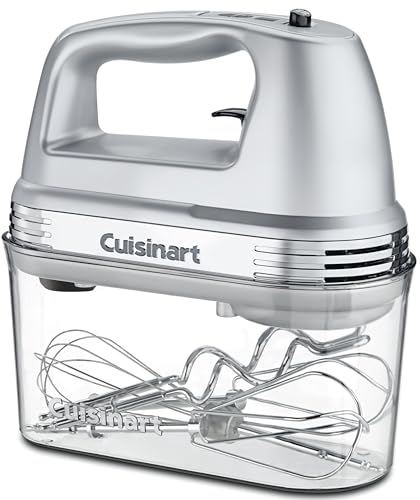
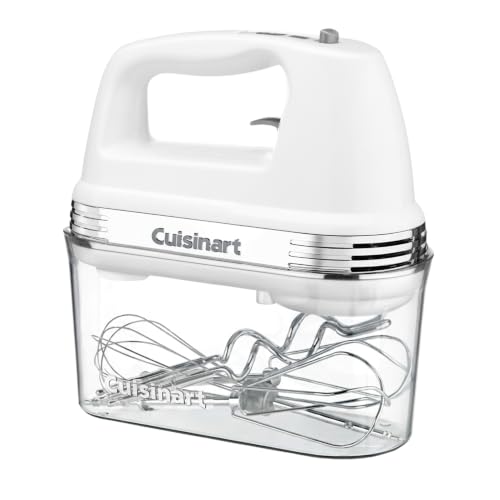
Most nine speed models fall into three groups. A basic corded model gives you the full speed range and standard beaters at the lowest cost. A model with a snap on storage case keeps beaters, a whisk, and dough hooks together in one place. A premium model adds a clear speed display, smoother low speed control, and beaters shaped to scrape the bowl as you mix.
For most homes, the middle group offers the best balance, since storage and a whisk solve everyday annoyances without paying for extras you may rarely use.
Before You Buy: A Quick Checklist for Choosing a Hand Mixer
Work through the points below before you compare prices. A mixer that fits your counter and your usual recipes will feel right far longer than one chosen on top speed alone.
Which Type Fits Your Routine
Corded models deliver steady power for as long as you need it, which suits long holiday baking sessions and thick doughs. Cordless models free you from the outlet, but most cordless designs offer fewer speeds, so true nine speed choice is almost always corded. If freedom from a cord matters more than fine control, see our guide to the best cordless hand mixer for that trade off. Lightweight models, often under three pounds, reduce arm fatigue during long whipping tasks. Digital models show the exact setting on a small screen, while simple lever or button controls cost less and are easy to adjust with floury fingers.
Five speed models cover basic cakes and frostings well. Nine speed models earn their place when you fold delicate batters, start dry ingredients without splatter, and whip cream in the same week.
Features Worth It and Ones to Skip
Dough hooks are worth having if you make small batches of bread or pizza dough, since they pull dough together with less strain on the motor than beaters. A whisk attachment is worth it for cream, egg whites, and light batters, and a storage case is worth it if your drawers are already crowded. If you bake often, our guide to the best hand mixer for baking explains how attachment choice shapes results.
You can skip extras that add cost without changing your food. Multiple sets of near identical beaters and very high top speeds add little. A slow start function matters more, because it brings ingredients together gently before you raise the speed.
Wattage, Power and Energy Use
Hand mixer motors are often listed by peak power, which describes a brief maximum rather than steady output, so treat wattage as a rough guide instead of a promise. What you feel in use is torque at low speed, and a good nine speed model holds its setting in thick batter instead of racing or stalling. Energy use is modest either way, since mixing tasks run for minutes at a time and draw far less than an oven or a stand mixer left running.
Speed control quality matters more than the headline number. Look for a model that starts truly slowly, climbs in small even steps, and does not surge mid mix. Our notes on how to use a hand mixer walk through when to raise or lower the setting.
Safety Features and Certifications
Look for a recognized safety listing such as UL or ETL on the box or product page, which means the electrical design has been checked by an independent lab. A secure attachment lock matters, because beaters that eject only when you press the release stay put during mixing. Rest the mixer on its heel between tasks so the beaters sit above the counter, and keep fingers, hair, and loose sleeves away from moving beaters. Unplug the mixer before you eject or wash attachments, every time.
Counter Space and Dimensions
Most nine speed models are about eight to nine inches long and fit in a standard drawer, but a storage case adds height and may need a shelf instead. Measure the space where the mixer will live, including room for the cord, before you buy. A swivel cord that moves to either side helps in tight kitchens, since it keeps the cord out of the bowl and off a hot burner. Homes with little storage often do better with a case that clips to the mixer body than with loose attachments in a drawer.
Realistic Budget Ranges
Basic models sell for about $25 to $50 and cover cakes, frostings, and whipped cream well. Models at about $50 to $100 usually add a storage case, a whisk, dough hooks, and smoother low speed control. Premium models above about $100 tend to add a digital display and bowl scraping beaters. Spending more mainly buys control and convenience, so match the tier to how often you bake.
Three Types Compared: Where the Money Goes
Instead of chasing a single winner, compare the three types against your own routine. The basic corded type suits occasional bakers who make boxed cakes, mashed potatoes, and frosting a few times a month. You get all nine speeds and standard beaters, but you store the parts yourself and low speed control can feel abrupt, so start dry ingredients with care.
The storage focused type suits busy family kitchens. A clip on case holds the beaters, whisk, and dough hooks, so nothing hides at the back of a drawer when a recipe is already underway. This type is a strong fit for cookie batches and weekly baking, and readers focused on thick doughs can compare notes in our guide to the best hand mixer for cookie dough. Expect the middle price range and a slightly larger footprint on the shelf.
The premium control type suits bakers who work with meringue, sponge cakes, and other foods that punish rough handling. Smoother ramping between speeds, a clear display, and beaters that sweep the bowl sides reduce both splatter and scraping stops. You pay the most for this type, and the gain is finesse rather than raw power, so it pays off only if you bake often enough to notice small differences.
Whichever type you choose, check that a whisk and dough hooks are included or available, and that the weight feels balanced in one hand.
How the Options Are Compared
This guide ranks types by criteria you can check on any product page. The criteria are low speed control, useful middle speeds, attachment range, storage, weight and balance, ease of cleaning, noise, and warranty length. Manufacturer specifications and verified buyer feedback point to the same conclusion, that control at low speed separates satisfying models from frustrating ones.
Pros and Cons of 9 Speed Mixers
The clear strength of nine speeds is choice at the low end. Folding flour into a sponge, starting cocoa without a puff of dust, and building cream slowly all reward small steps. Middle speeds give you a setting that suits each batter thickness, instead of forcing you to jump from too slow to too fast.
The honest drawback is that the top settings on many models feel similar in real food, so part of the count is marketing. If you only ever mix boxed cake batter and canned frosting, the extra settings will sit unused, and a simpler model serves you just as well for less.
Common Mistakes to Avoid
- Starting on a high speed with dry ingredients in the bowl, which throws flour across the counter and loses part of your recipe.
- Judging power by peak wattage alone, which says little about how the mixer handles thick batter at low speed.
- Using beaters for heavy bread dough, which strains the motor when dough hooks are the right tool for that job.
- Buying a model with a bulky storage case before measuring your shelf or drawer, which leaves the case unused in a closet.
- Forgetting to check which attachments are included, which leads to a second purchase when a recipe calls for a whisk.
Cost of Ownership and Care
Running costs are low. Electricity for a few minutes of mixing costs very little, and there are no filters or parts that wear out on a set schedule. The main long term costs are replacement beaters or a whisk if one bends, and those parts are usually modest in price when bought for a current model. Factor in that small chance when you compare a very cheap model with scarce parts against a common model with easy replacements.
Care is simple. Wash beaters, hooks, and the whisk in warm soapy water, and wipe the body with a damp cloth without immersing it. Our step by step notes on how to clean a hand mixer cover dried batter around the vents. Let parts dry fully before closing the case.
FAQ
Are 9 speed hand mixers worth it compared with 5 speed models?
They are worth it if you bake varied recipes and often start with dry ingredients, fold delicate batters, or whip cream to a precise stage. The extra settings cluster at the low and middle range, where small changes protect texture. If your mixing is limited to boxed batters and soft frostings, a five speed model does the same jobs for less, and the extra settings would rarely change your results.
Can a 9 speed hand mixer handle bread dough?
It can handle small, soft doughs with the dough hooks fitted, such as a single loaf or a batch of pizza dough, as long as you keep the speed low and stop if the motor labors. Large or stiff doughs belong in a stand mixer or in your hands, since they can overheat a small motor. Let the dough rest between short mixing bursts, and add flour gradually so the hooks keep moving.
Why does flour fly out of the bowl when a hand mixer starts?
The usual cause is starting at too high a setting before the beaters are buried in the mixture. A nine speed model helps because speed one is slow enough to draw flour in gently, and a slow start feature delays full power for a moment. You can also cover the bowl loosely with a clean towel for the first seconds, and use a deeper bowl than you think you need for dry mixes.
How long does a 9 speed hand mixer usually last?
With normal home use and simple care, many models serve for years, and the moving parts most likely to fail first are the beaters and the speed control rather than the housing. Lifespan drops when the motor is pushed through dough that is too stiff or run for long stretches without a pause. Choosing a model with replacement attachments available extends useful life, since a bent beater need not end the whole appliance.
How much should a household spend on a 9 speed hand mixer?
Match spending to baking frequency rather than to feature lists. Occasional bakers get full value at about $25 to $50, while weekly bakers who value storage and smoother control are better served at about $50 to $100. Spending above that makes sense mainly for frequent bakers who want a display and bowl scraping beaters. In every tier, confirm the included attachments before ordering, since a missing whisk can erase the saving on a cheaper model.
Final Thoughts
Nine speeds earn their keep when they give you a gentle start, useful middle steps, and enough strength for thick batter in one compact tool. Choose the basic type for light use, the storage type for a busy family kitchen, and the premium type if fine control shapes your baking. Check the product table above once more, match the attachments to your recipes, and the best 9 speed hand mixer for your home becomes a straightforward pick.