Best 8x42 Binoculars under $200: Buying Guide for 2026
Disclosure: We may earn a commission when you buy through links on this page, at no extra cost to you. As an Amazon Associate I earn from qualifying purchases. Learn more
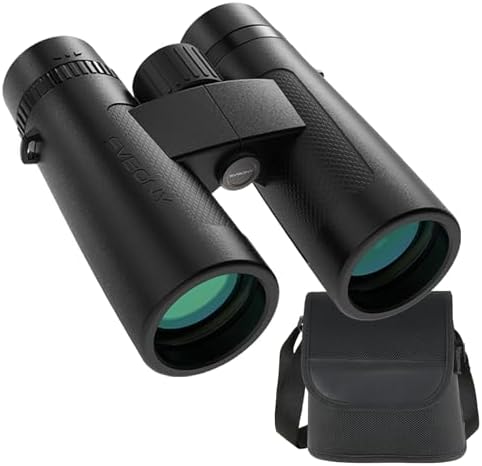
Compare 8x42 binoculars under $200 by glass, coatings, field of view, eye relief and sealing, with a clear checklist for birding, hunting and travel.
A distant bird, a deer at the field edge, or a buoy beyond the dock can look like a plain shape until good glass brings the detail close. The best 8x42 binoculars under $200 give you that detail in a size you can carry all morning. This guide explains what the numbers mean and how to read the comparison table below.
An 8x42 is a balanced size because 8 power keeps the view steady in your hands while the 42 mm front lenses gather useful light at dawn and dusk. At this budget you trade some glass refinement for value, so know where a cut shows in the view and where it does not.


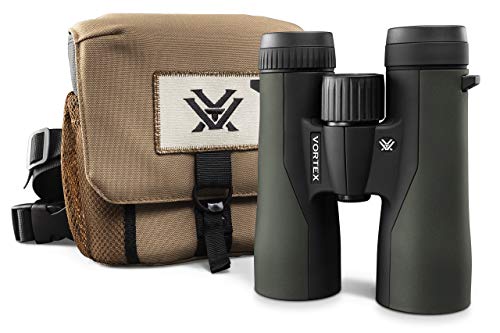
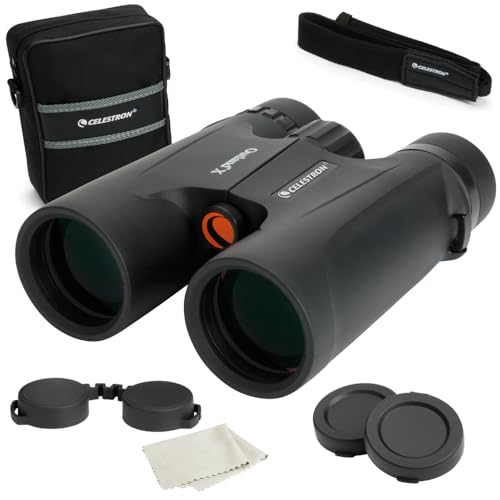
Who Should Buy Which 8x42 Binoculars?
Match the binocular to the outing you repeat most, because each use rewards a different mix of field width, weight and sealing.
Bird Watchers Who Follow Moving Birds
You track warblers through branches and scan a pond edge for shorebirds, so a wide field matters more to you than extra reach. Put field width and smooth focus first. If birds are your main reason to buy, see our guide to the best birding binoculars under $200 for a shortlist shaped only around birds.
Hunters Who Glass at Dawn and Dusk
You scan tree lines and field edges in the dimmest light of the day, often in cold or wet air. Put sealing, armor and a bright exit pupil first, and choose a focus wheel you can turn with gloves on. If hunting drives the purchase, see our guide to the best hunting binoculars under $200.
Travelers, Sports Fans and New Users
You want one binocular for stadium seats, harbor views and the odd hike, and it must share a bag with everything else. Put weight and folded size first, and favor a roof prism shape that packs flat. If pack space is your top limit, see our guide to the best small binoculars under $200 before you settle on a full size 8x42.
Key Features to Compare
As you compare the best 8x42 binoculars under $200, use the order below so one bright headline spec cannot hide a narrow field or short eye relief.
Glass, Prisms and Lens Coatings
The glass decides how much contrast and color reach your eyes. Look for BaK 4 prism glass rather than BK 7, because BaK 4 passes a rounder, brighter cone of light. Fully multi coated glass treats every surface to cut glare and lift dim detail, and roof prism models also need phase coating for strong contrast. ED glass appears near the top of this budget and reduces color fringing on bright edges, but sound basic coatings beat a lone ED badge.
Field of View and Exit Pupil
Field of view tells you how much ground you see at once, and most 8x42 models show about 330 to 430 feet at 1,000 yards. A wide field helps you find a subject fast and keep it in view as it moves. Exit pupil is the front lens size divided by the power, so an 8x42 gives about 5.25 mm. That beam looks brighter at dusk than the roughly 4.2 mm beam of a 10x42, and the lower power shakes less in your hands.
Eye Relief, Eyecups and Fit for Your Eyes
Eye relief is the distance your eye can sit from the rear lens and still see the whole field, and listed values run about 15 to 20 mm. If you wear glasses, favor the longer end and keep the eyecups turned down, because your lenses already hold your eyes back. Set the hinge so the barrels match the spacing of your eyes, about 56 to 74 mm on most models, until the two circles merge into one.
Focus Wheel, Close Focus and Diopter
The center focus wheel should turn smoothly with one finger, without gritty spots or slack. Close focus tells you the nearest distance that stays sharp, and most 8x42 models focus down to about 5 to 8 feet, close enough for butterflies and feeder birds. The diopter ring, usually on the right barrel, balances focus between your two eyes. Set it once with the steps in the manual and leave it alone.
Sealing, Armor and Weight
Read weather claims with care, because weatherproof may mean only splash resistance while waterproof should mean a sealed body. Sealed models use O rings and a nitrogen fill, so inner lenses stay free of fog when you step from a warm car into cold air. Rubber armor adds grip with wet hands and softens knocks. Most 8x42 models weigh about 22 to 28 ounces, a load your neck feels after an hour, so a wide strap earns its place.
Types of 8x42 Binoculars Compared
Two prism layouts dominate this size, and the shape in your hands follows from that choice. If you are torn between powers rather than shapes, see our guide to the best 10x42 binoculars under $200 for that trade off.
Roof Prism 8x42 Binoculars
Roof prism models run in straight tubes, so the body stays slim and slides into a jacket pocket or a pack side sleeve with ease. This is the common choice for travel and hunting, where a compact shape matters on the move.
Porro Prism 8x42 Binoculars
Porro prism models offset the front lenses wider than the eyepieces, which gives the view a strong sense of depth. The wider body will not pack as flat, and it can feel bulky in a crowded bag. In return, the simpler light path often delivers a bright, sharp center view for less money. Sealed choices are fewer here, so check the water rating first.
What the Under $200 Budget Keeps and Cuts
At this budget you can expect coated BaK 4 glass, honest sealing and a usable field of view, and those three cover most field needs. What you give up is refinement at the edges, where the view may soften before the rim. Cases and straps also tend to be basic. To see how other sizes spend the same money, see our guide to the best binoculars under $200.
Common Mistakes to Avoid
These errors are easy to make on a spec sheet.
- Judging by magnification alone and choosing more power leaves you with a shaky, narrow view that loses moving birds.
- Ignoring eye relief while wearing glasses cuts off the edges of the field and presses the eyecups against your lenses.
- Trusting the word weatherproof as if it meant sealed lets rain reach inner glass that you cannot dry at home.
- Skipping the diopter setting after unboxing leaves one eye slightly soft and turns a long session into eye strain.
- Buying the heaviest model for long hikes means the binocular stays in the car on the walks it was bought for.
Care and Maintenance of 8x42 Binoculars
Dust and grit do the most harm when they are wiped across dry glass. Blow loose particles off first, brush what remains with a soft lens brush, then use a clean microfiber cloth in small circles from the center outward. If a smear resists, use a drop of lens cleaning fluid on the cloth, never on the glass itself. Keep the lens caps on whenever the binocular hangs unused.
After a wet outing, pat the body dry and leave the binocular out until the armor and strap feel dry, then store it in a padded bag in a cool, dry place. Avoid a hot car trunk, because heat ages adhesives and coatings over time. Send a binocular with internal fog to a service professional rather than opening the sealed body yourself.
FAQ
Can you get a good pair of 8x42 binoculars under $200 for regular field use?
Yes, a good pair of 8x42 binoculars under $200 covers regular field use well. The view will soften near the edges, but the center image, sealing and focus can all be sound. One check worth your time is the return window, because collimation faults, where the two barrels point slightly apart, show up in the first week as tired eyes or a faint double edge.
What does 8x42 mean on a pair of binoculars?
On a pair of binoculars, 8x42 means the view is magnified 8 times and each front lens is 42 mm across. A bird that stands 800 feet away looks as near as one at 100 feet. The second number also caps how much light the glass can gather, which is why a 42 mm lens outperforms a pocket size 25 mm lens at dusk even at the same power.
Are 8x42 binoculars bright enough for dawn and dusk use?
Yes, 8x42 binoculars are bright enough for most dawn and dusk use. Their exit pupil of about 5.25 mm matches how wide your own pupil opens as light falls, and older eyes often open to only about 5 mm, so little of that beam goes to waste. Once true dark arrives, no binocular at this size gathers enough light for detail.
Do 8x42 binoculars work well for people who wear glasses?
Yes, 8x42 binoculars work well for glasses wearers when the eye relief is long enough. Turn the eyecups fully down and hold the binocular so your glasses set the distance. Thick frames steal a little of that distance, so test with the frames you wear outdoors. Sunglasses add the same gap, which makes long eye relief worth even more on bright water.
Is a smartphone enough instead of 8x42 binoculars?
No, a smartphone is not enough instead of 8x42 binoculars for watching distant subjects. Phone zoom beyond its optical range crops the image, so feather and fur detail turns soft just when you want it most. A phone screen also washes out in bright sun, while shaded eyecups keep the binocular view readable.
Our Verdict
Choose your 8x42 by glass and coatings first, field of view second, and eye relief third if you wear glasses. Pick a roof prism body for travel and hunting, a porro body if value matters more than pack size, and treat honest sealing as a must for wet field use.
Use the product table above to check those points side by side. When you compare the best 8x42 binoculars under $200 with a clear order of needs, the right pair fits your outings, your eyes and your budget at once.