Best 8x Binoculars: The Buyer Checklist We Use for 2026
Disclosure: We may earn a commission when you buy through links on this page, at no extra cost to you. As an Amazon Associate I earn from qualifying purchases. Learn more

A clear checklist for choosing the best 8x binoculars: lens size, field of view, eye relief, coatings, fit and care.
Choosing an 8x model sounds simple, yet two pairs with the same magnification can feel completely different in your hands and in dim light. The best 8x binoculars for you depend on lens size, field of view, eye relief, and how long you plan to carry them. This guide turns those specs into a clear checklist you can use in minutes.
Instead of sorting through marketing claims, you will learn what each number means, which features matter for birding, travel, hunting, and casual nature walks, and which weak points signal a poor build. Scan the comparison table below, note the two or three specs that fit your main use, and then work through the sections that follow.


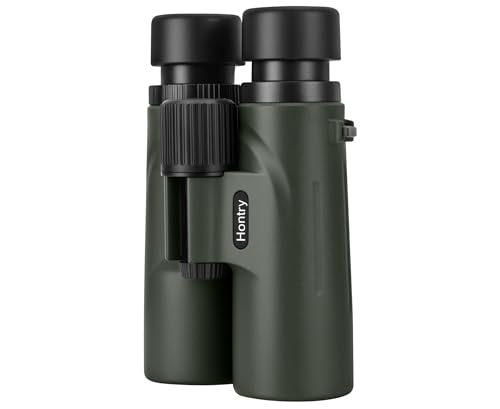
Who Should Buy 8x Binoculars?
An 8x pair is the most forgiving place to start because the image stays steadier in your hands than a 10x image and the view stays wide. The groups below cover the buyers who gain the most from that balance.
Birders and Backyard Wildlife Watchers
Birds move fast, change direction, and often sit in shade, so a wide view and a bright image matter more than extra power. An 8x42 pair lets you find a bird with both eyes open, follow it across branches, and still see color detail at dawn. If birding is your main reason to buy, see our guide to the best binoculars for birdwatching for use specific tips.
Hunters, Scouts, and Open Country Hikers
In timber and at first light, a steady 8x view helps you spot movement and judge shape without the shake that creeps in after a long walk. The larger exit pupil of an 8x42 also keeps the image usable in the dim minutes when game moves most. For a hunting focused comparison, see our guide to the best rated binoculars for hunting.
Travelers, Sports Fans, and Concert Viewers
At a stadium, a concert, or a scenic overlook, you want glass you can raise quickly and hold steady while standing. Compact 8x25 and 8x32 models slip into a jacket pocket, add little neck strain, and still give a wide, calm view of the field or stage. If small size tops your list, see our guide to the best rated compact binoculars for lighter options.
Key Features to Compare
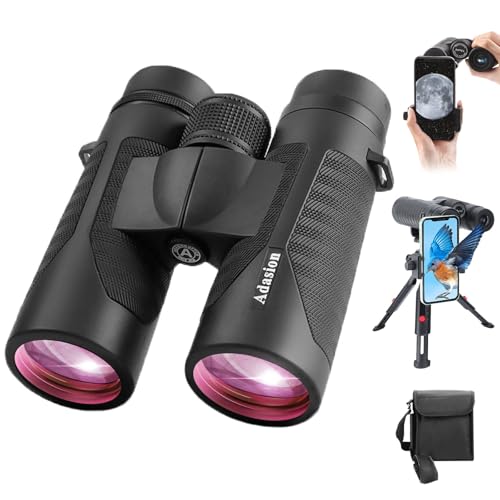
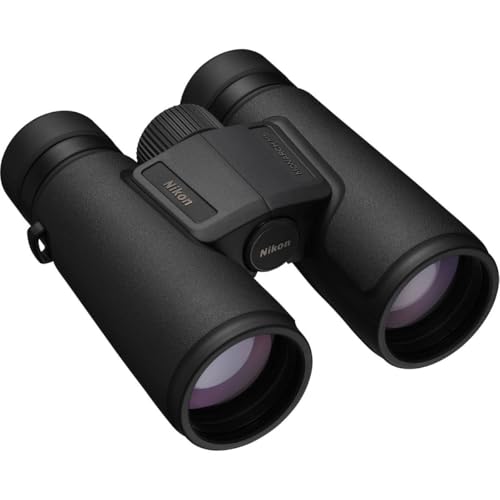
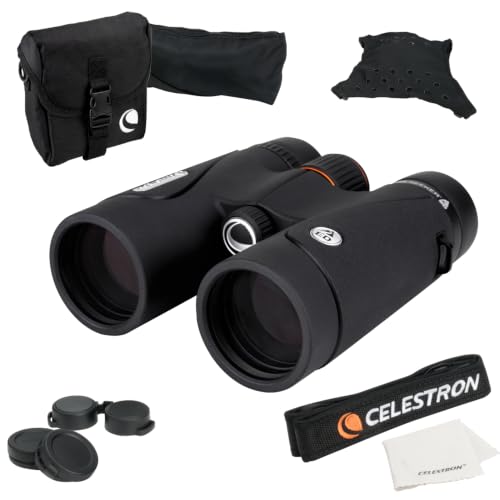
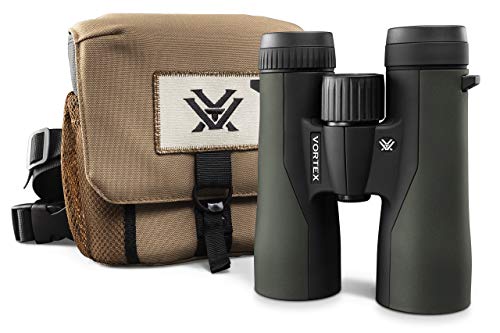
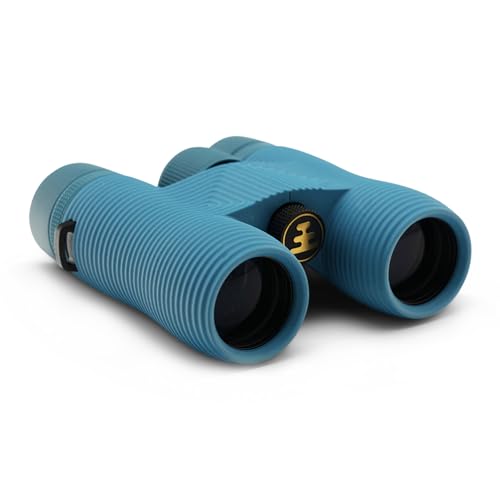
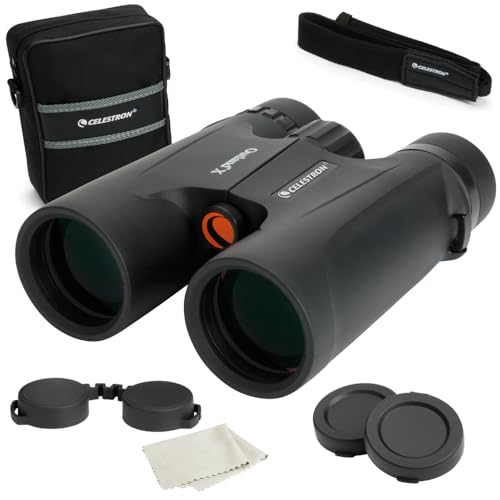
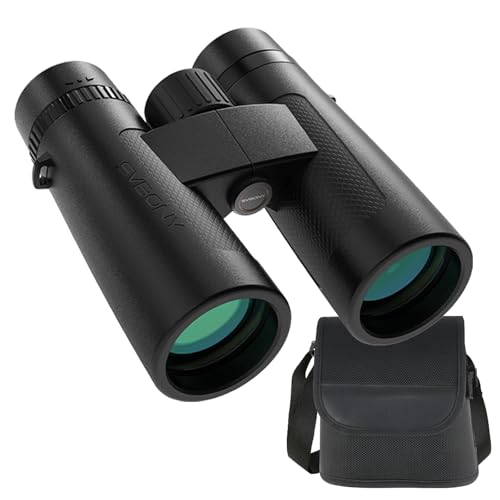
Ratings and star counts only help when you know which specs drive them, so compare the product table above against the six points below. When you line up the best 8x binoculars on paper, these are the numbers that predict how the view will actually feel outdoors. You can also browse our guide to the best rated binoculars for a broader shortlist.
Objective Lens Size and Exit Pupil
The second number in 8x42 is the objective lens diameter in millimeters, and it controls how much light reaches your eyes. Divide that number by the magnification to get the exit pupil: 42 divided by 8 gives about 5.25 mm. A larger exit pupil looks brighter at dawn and dusk and is easier to use when your eyes are not perfectly centered.
Field of View
Field of view tells you how wide a scene you see at 1,000 yards, often listed around 300 to 430 feet for this class. A wider view makes it far easier to locate a moving bird, follow a player, or scan a hillside without constant panning. Specs may also show an angle such as 7.5 degrees; multiply the degrees by about 52.5 to estimate feet at 1,000 yards.
Eye Relief and Eyecups
Eye relief is the distance your eyes can sit behind the eyepieces while still seeing the full view, and it decides comfort for glasses wearers. If you wear glasses, look for at least 16 mm so your lenses do not push your eyes too far back and shrink the view into a small circle. Twist up eyecups let glasses users rest the cups fully down, while people without glasses raise them to set a steady distance.
Close Focus Distance
Close focus is the nearest distance at which the image stays sharp, and it matters more than many buyers expect. A pair that focuses down to about 6.5 feet lets you study a butterfly on a nearby flower, read fine detail on a feeder, or inspect tracks and signs at your boots. Models that stop at 15 feet or more feel limiting in gardens and on woodland trails.
Lens Coatings and Prism Glass
Coatings reduce reflections inside the glass and raise contrast, so look for wording that says the optics are fully multi coated rather than coated on just one surface. Roof prism models use either BaK 4 glass, which supports a bright and round exit pupil, or BK 7 glass, which is common in lower priced pairs. Extra low dispersion glass, often marked ED, reduces color fringing around bright edges.
Waterproofing, Fogproofing, and Build
A sealed and nitrogen purged body keeps internal fog from forming when you step from a warm car into cold morning air. Rubber armor adds grip with gloves and softens small bumps against rocks or a car door. Check that the focus wheel turns smoothly with a fingertip, since a stiff wheel makes fine focus tiring during long sessions.
Buying Guidance: Size, Fit, and Budget
Choosing Between 8x32, 8x42, and 8x56
Pick 8x32 if you walk far, travel light, or view mostly in daylight, and accept a slightly dimmer view at dusk. Pick 8x42 as the all around choice for birding, hunting, and general nature use, since it balances brightness, weight, and price for most people. Pick 8x56 only if you spend long periods at dawn, dusk, or under deep shade and can accept a notably heavier pair.
Fit Checks and First Time Setup
Before your first outing, fold the hinge until the two circles of view merge into one clean circle with no black edges; that sets the interpupillary distance for your eyes, which on most models adjusts from about 56 to 74 mm. Next, cover the right lens, focus the left eye with the center wheel, then cover the left lens and set the right eye with the diopter ring near the right eyepiece. Once set, the diopter rarely needs changes unless someone else uses the pair.
What Each Budget Level Buys You
Under about $100, expect BK 7 prisms, basic coatings, and shorter warranties, which is still fine for a glove box pair or a child learning to focus. Step up toward about $250 and you gain fully multi coated optics, BaK 4 prisms, and sealed bodies on many models. Above that range, the gains shift to ED glass, wider fields of view, and lighter frames, which serious birders notice during all day outings.
Quick Buyer Checklist
Run through these questions before you order, and cross off any model that fails one of your top needs.
- Does the objective size match your light: 32 mm for day trips, 42 mm for dawn and dusk?
- Is the field of view at least about 330 feet at 1,000 yards for tracking moving subjects?
- Is eye relief 16 mm or more if you wear glasses while viewing?
- Does close focus reach about 7 feet or less for garden and trail detail?
- Are the optics described as fully multi coated with BaK 4 prisms?
- Is the body sealed against rain and purged to resist internal fog?
- Does the weight feel fine for the length of your longest typical outing?
Red Flags to Watch For
Weak models rarely hide their flaws for long; the signs below show up in listings and in the first week of use.
- Listings that shout a huge magnification number but never state objective size hide a dim and narrow view behind that claim.
- Vague coating claims such as coated optics with no detail suggest only one surface carries a basic coating.
- A missing waterproof rating or no mention of fog protection means the body is likely open to moisture.
- Very short warranties, often under one year, signal the maker expects focus wheels and hinges to wear out fast.
- A flood of similar glowing reviews with no mention of real specs or limits is a reason to slow down and compare elsewhere.
Care and Maintenance Tips
Clean lenses only when needed, since constant rubbing wears coatings over time. Blow loose dust off first, breathe lightly on the glass, and wipe in small circles with a clean microfiber cloth made for optics. Never use a shirt sleeve or paper tissue, because grit trapped in fabric can scratch the coating in one pass.
Store the pair in a dry padded case at room temperature, away from car trunks that swing between heat and cold. If the body gets wet, let it dry fully before closing the case so moisture stays out of the seams. Check the strap and hinge tension once a month, and rinse grit from the armor with clean water only, never solvents. A pair treated this way keeps its focus smooth and its view clear for many seasons.
Frequently Asked Questions
What do the numbers 8x42 and 8x56 mean on binoculars?
The first number is the magnification, so 8x makes a subject appear eight times closer, and the second number is the objective lens size in millimeters. One point many listings skip is that the same 8x power feels different on each body size: an 8x25 pocket pair is dimmer but far lighter than an 8x56. Read both numbers together every time, because power alone tells you almost nothing about brightness or weight.
How much should you spend on a first pair of 8x binoculars?
Most first time buyers do well spending about $250 or less, where coatings, sealing, and focus quality take a real step up. Below that range you can still get a usable pair for ball games and camping, but expect a narrower view and simpler glass. There is no need to jump to premium prices until you know your main use, because a mid priced pair that fits your eyes will satisfy you longer than a costly pair that feels heavy.
Which specs matter most for beginners buying 8x binoculars?
Start with eye relief if you wear glasses, a field of view above about 330 feet, and a weight you can hold without strain. One beginner trap worth skipping is the zoom binocular, which changes power across a wide range but gives a narrow and dim view at most settings. A fixed 8x pair with a smooth center focus wheel is easier to learn, because the image stays bright and your hands learn one simple motion.
Can a smartphone replace 8x binoculars for watching wildlife?
A phone can capture a photo, but it cannot match the steady, bright, two eye view that glass gives you in the field. Phone cameras rely on a small sensor size and digital zoom that crops the image, while binoculars use pure optics with no battery, no autofocus lag, and no screen glare in bright sun. Keep the phone for photos and use binoculars for watching.
Are 8x binoculars or 10x binoculars better in low light?
An 8x pair is better in low light when the objective size is the same, because its larger exit pupil delivers more light and the lower power hides hand shake in dim conditions. An 8x42 gives an exit pupil of about 5.25 mm, while a 10x42 gives about 4.2 mm. One extra factor is your own eyes: pupils open less wide with age, so many older viewers gain more from the steadiness of 8x than from a larger lens they cannot fully use.
Final Thoughts
The short version is simple: match objective size to your light, demand a wide field of view, and confirm the fit against your eyes and glasses. Use the comparison table above to check those three points on any model you are weighing, and let the checklist settle close calls. Chosen with that care, the best 8x binoculars become the pair you grab for walks, trips, and quiet mornings without a second thought.