
Best 800w Microwaves: Every Type Explained Side by Side for 2026
Disclosure: We may earn a commission when you buy through links on this page, at no extra cost to you. As an Amazon Associate I earn from qualifying purchases. Learn more

Compare the best 800w microwaves by type in a clear buying guide on size, installation and features for your kitchen.
An 800 watt microwave is the quiet workhorse of small kitchens, dorms and offices, powerful enough for daily meals yet compact enough for tight counters. The confusion starts with types, since the same wattage comes in countertop, built in and drawer styles at very different prices, and each type suits a different kitchen, which is why this guide compares them side by side to help you find the best 800w microwaves for your space.
Start with the type that fits your layout, then confirm size, ventilation and cleaning details. Use the product table below to shortlist a type, then read the matching sections before you measure anything.
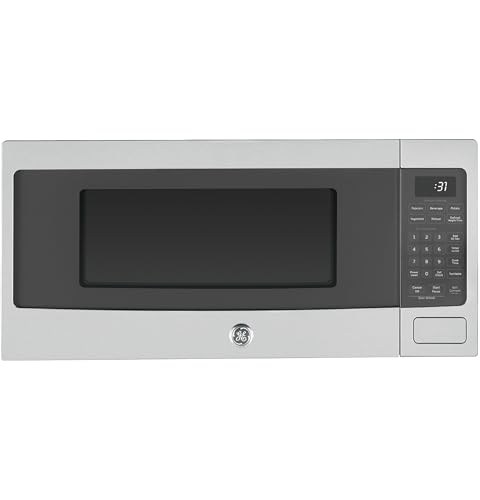


Types of 800w Microwaves Compared
Here is the short version. Countertop models usually cost around $80 to $180 and suit renters and small kitchens. Built in models usually cost around $300 to $700 plus installation and suit remodels. Compact models overlap the countertop range with smaller capacity, and microwave drawers sit at the premium end, often around $800 or more installed. The sections below explain how each type of the best 800w microwaves works and who should choose it.
Countertop Microwaves
A countertop model simply plugs in and sits on your counter, which makes it the fastest and cheapest way to get cooking. At 800 watts, most countertop units hold about 0.7 to 1.1 cubic feet, enough for a dinner plate, a mug and most frozen meals. The downside is counter space, since the unit and its clearance zone claim a real footprint. For most buyers comparing options, this type is the default choice, and our guide to the best countertop microwaves covers sizing in more detail.
Built In Microwaves
A built in model installs inside a cabinet or wall opening, often with a trim kit for a finished look. It frees your counter completely and suits planned kitchens and remodels where the opening is built to a standard size. The trade offs are price and commitment, since installation costs more and moving the microwave later means cabinet work. Measure the opening carefully and confirm the trim kit matches, because returns on built in appliances are rarely simple.
Compact Microwaves
A compact model shrinks the countertop idea for dorms, offices, small apartments and secondary spaces like a workshop or guest room. Capacity drops, often to about 0.5 to 0.7 cubic feet, and the turntable may not fit a full dinner plate. In exchange you gain a small footprint and a lower price. If space is your main constraint, our guide to the best tiny microwaves explains how small you can go without giving up daily usefulness.
Microwave Drawers
A microwave drawer opens like a drawer under the counter, so you load food from the top rather than reaching into a box at eye level. That design helps in island layouts and for anyone who finds overhead doors awkward. Drawers cost the most of any type here and need cabinet installation, and capacity at this wattage is modest. Choose a drawer for layout and access reasons, not for raw value, because you pay a premium for the format.
Countertop Microwaves vs Built In Microwaves: Which Should You Choose?
Compare these two popular types on five points. On cost, countertop wins clearly, with no installation bill. On space, built in wins, because it returns your whole counter. On flexibility, countertop wins, since you can move it, replace it in minutes, or take it when you move house. On looks, built in wins in a finished kitchen. On capacity per dollar, countertop wins again.
The verdict follows your housing plans. Renters, students and anyone likely to move within a few years should choose countertop and keep life simple. Homeowners in the middle of a remodel, with a planned opening and a long stay ahead, can justify built in for the clean look and saved counter. If you cook above the range and want venting, our guide to the best overhead microwaves covers that separate over the range category.
How to Choose the Right 800w Microwave
Ventilation (CFM) for Over the Range Models
If you consider an over the range model instead, ventilation is rated in CFM, which measures how much air the fan moves. Around 300 CFM handles typical home cooking, while higher ratings suit frequent frying and high heat burners. Models either recirculate air through a filter or vent it outside, and venting outside removes heat and moisture far better. At 800 watts, over the range options are uncommon, so most buyers at this power level will land on countertop or built in types.
Installation Type (Countertop, Over the Range, Built In, Drawer)
Installation decides your real budget, so settle it before comparing features. Countertop models need only an outlet and clearance of a few inches on the sides and top for airflow. Built in and drawer models need a correctly sized opening, a dedicated circuit in many cases, and sometimes a trim kit sold separately. Over the range models need cabinet support and a vent path. When in doubt, price the full installed cost rather than the appliance price alone.
Interior Finish and Easy Cleaning
Interior finish decides how much you will enjoy cleaning the microwave in year three. Smooth enamel and ceramic style coatings wipe clean easily and resist staining from tomato sauces and curries. Stainless interiors look sharp and handle heavy use well. Whatever finish you choose, a removable turntable that fits your sink or dishwasher saves real effort. Steam based cleaning cycles help loosen splatters, but a simple bowl of water with lemon, heated for a few minutes, achieves much the same result.
Convection and Air Fry Combos
Combo models add convection cooking or air fry functions to a microwave body, which can replace a toaster oven in a small kitchen. They cost more and usually grow in size, and at 800 watts the microwave side stays modest. Choose a combo if counter space is scarce and you truly cook both ways each week. Skip it if you already own a good oven or air fryer, because a simple microwave will be cheaper, smaller and easier to clean.
Cooking performance at 800 watts deserves a clear expectation. Food cooks a little slower than in a 1,000 watt model, so package times need a modest extension and larger portions benefit from a stir or turn midway. Sensor cooking programs help by judging steam and adjusting time, and inverter models, where available, deliver steadier low power for melting and softening. For popcorn nights, our guide to the best microwaves for popcorn explains which settings and sizes give the fewest unpopped kernels.
How to Make Your 800w Microwave Last Longer
Leave a few inches of clearance around countertop models so vents can move air freely. Never run the microwave empty, because the energy has nowhere to go and can damage the interior over time. Clean splatters weekly with steam from a bowl of water with lemon, then wipe with a soft cloth. Cover food with a microwave safe lid or plate, which keeps the interior cleaner and helps food heat more evenly at this wattage.
800w Microwaves: Your Questions Answered
What size 800w microwave do I need?
Most households need about 0.7 to 1.1 cubic feet, which fits a dinner plate and standard meal prep bowls. Measure your largest dish before you shop, including its height with a cover. Singles and dorm users can go smaller, around 0.5 to 0.7 cubic feet. Bigger is not always better, because an oversized unit wastes counter space and can heat small portions unevenly.
Is an inverter microwave worth it?
An inverter model is worth it if you often melt butter, soften ice cream or cook delicate foods at low power. Instead of cycling full power on and off, it delivers steady low power, which gives smoother results and fewer hot edges. For simple reheating and frozen meals, a standard model does the job for less money. Treat inverter technology as a comfort upgrade rather than a necessity.
How long do microwaves typically last?
Most microwaves last about seven to ten years with normal home use. The door latch, turntable motor and control panel usually wear out before the cooking system does. You can extend that life with weekly cleaning, good ventilation clearance and gentle door handling. When repairs approach half the price of a new unit, replacement is usually the smarter spend.
Can an over the range microwave replace a range hood?
Yes, an over the range microwave can replace a basic range hood for light and moderate cooking. Its fan and filters handle steam and grease from everyday meals, especially when vented outside. Heavy frying and high heat cooking still favor a dedicated hood with stronger airflow. If you cook that way often, choose the hood and place your 800 watt unit on the counter or in a cabinet instead.
Is 1,000 watts enough for a microwave?
Yes, 1,000 watts is enough for fast, even cooking of family sized meals, and it is more power than this guide covers. An 800 watt model trades a little speed for a smaller body and lower price, which suits singles, couples and small spaces. If you regularly cook large frozen meals for a family, the higher wattage saves noticeable time. For reheating, drinks and everyday portions, 800 watts remains entirely practical.
Final Thoughts
Choose the type that fits your kitchen first, then confirm capacity against your largest dish, then check cleaning and installation costs. Countertop models win on value and flexibility, built in models win on space and looks, and drawers win on access. Compare your shortlist in the product table above and choose the best 800w microwaves option that fits your layout, your meals and your budget.


